As an Amazon Associate, we earn from qualifying purchases. Some links on this site are affiliate links at no extra cost to you. Our recommendations are based on thorough research and editorial judgment.

Types of Candle Extinguishers: Snuffers, Dippers & More

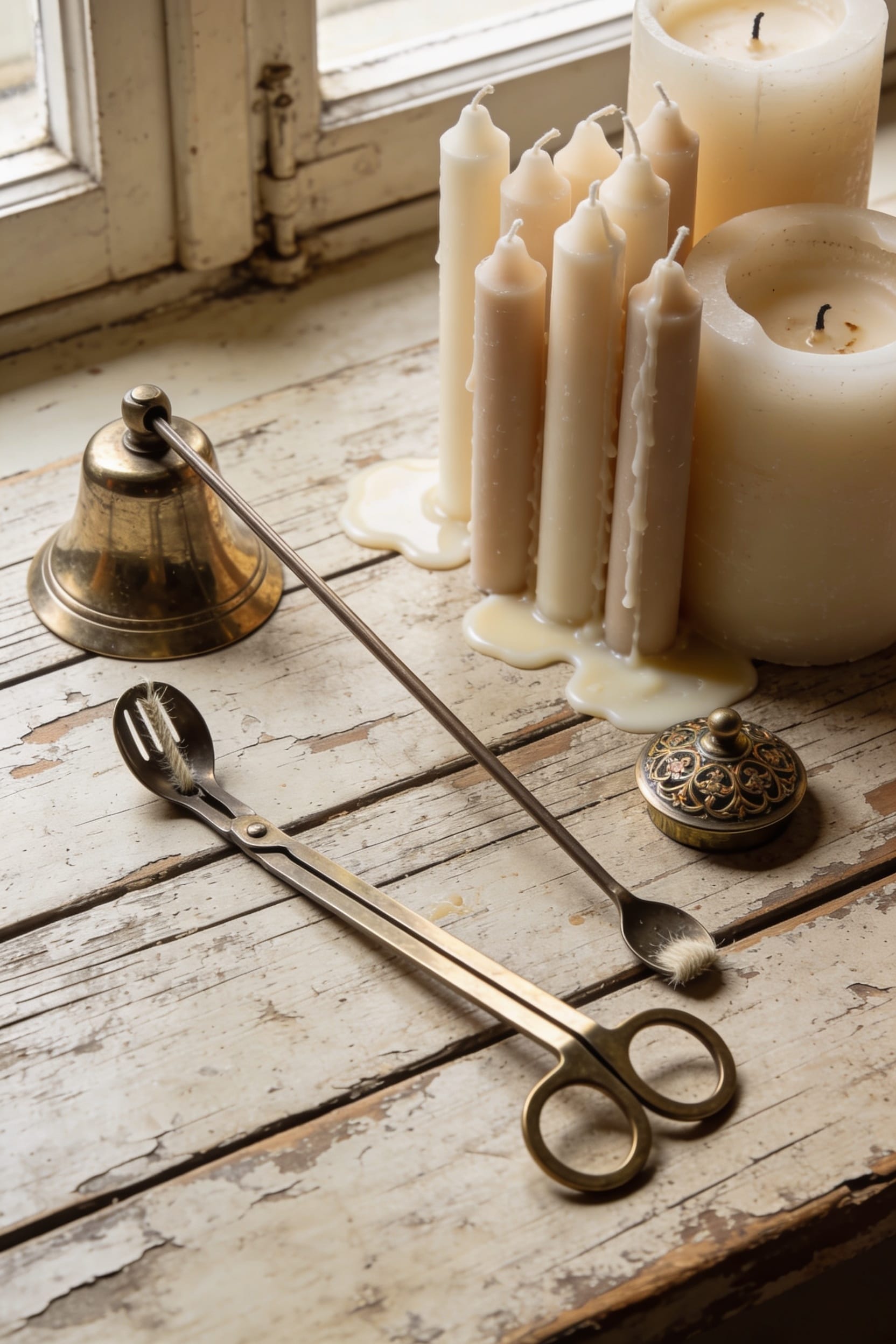
All right, here’s the thing: blowing out candles creates smoke and singed wicks, so proper extinguishers actually matter. You’ve got two main players—snuffers use a bell-shaped cap to starve flames of oxygen (perfect for tapers and jars), while wick dippers submerge the wick in melted wax to condition it for longer burns. I’d match your extinguisher to your candle type: dippers for containers with generous wax pools, snuffers for anything narrow or hard to reach. Both beat blowing, hands down, and keep your indoor air cleaner too. Stick around to discover which one’s your best match.
Key Takeaways
- Snuffers use bell-shaped caps to deprive flames of oxygen, eliminating smoke and providing fast, safe extinguishing.
- Wick dippers submerge wicks into melted wax, conditioning them while preventing mushrooming and extending candle lifespan.
- Match snuffers to tapers and outdoor lanterns; use dippers for container and pillar candles with wax pools.
- Long-handled designs keep hands safely away from active heat, reducing burn risk and protecting curious children.
- Proper extinguishers prevent dangerous flare-ups, hot wax splatters, and smoke buildup compared to blowing out candles.
How Candle Snuffers Work
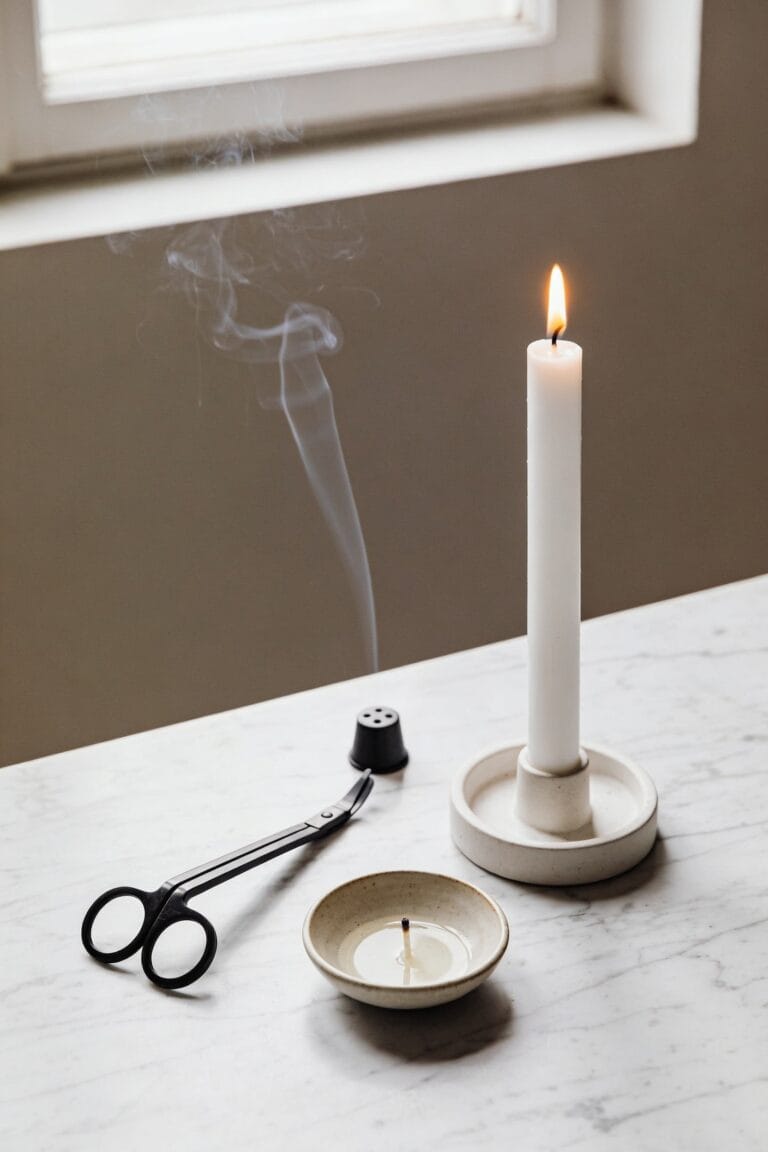
All right, here’s the thing—if you’ve ever watched someone blow out a candle and then immediately regretted it because of the smoky plume that followed, you’ve experienced what I’m talking about. Snuffers work differently. That bell-shaped or conical cap? It’s doing something elegant: creating oxygen deprivation. When you lower it over the flame, you’re cutting off the air supply almost instantly, and the fire snuffs out without drama or smoke.
The cap design matters more than you’d think. The enclosed chamber starves the flame of oxygen, which is what actually keeps fire burning. No oxygen, no combustion. No combustion, no acrid smoke floating through your room. It’s physics working in your favor, and honestly, once you experience it, blowing feels prehistoric.
Recommended Products

Brushed Solid Brass

Handcrafted solid lead free pewter

Designer: Marcel Wanders
Why Wick Dippers Extend Candle Life
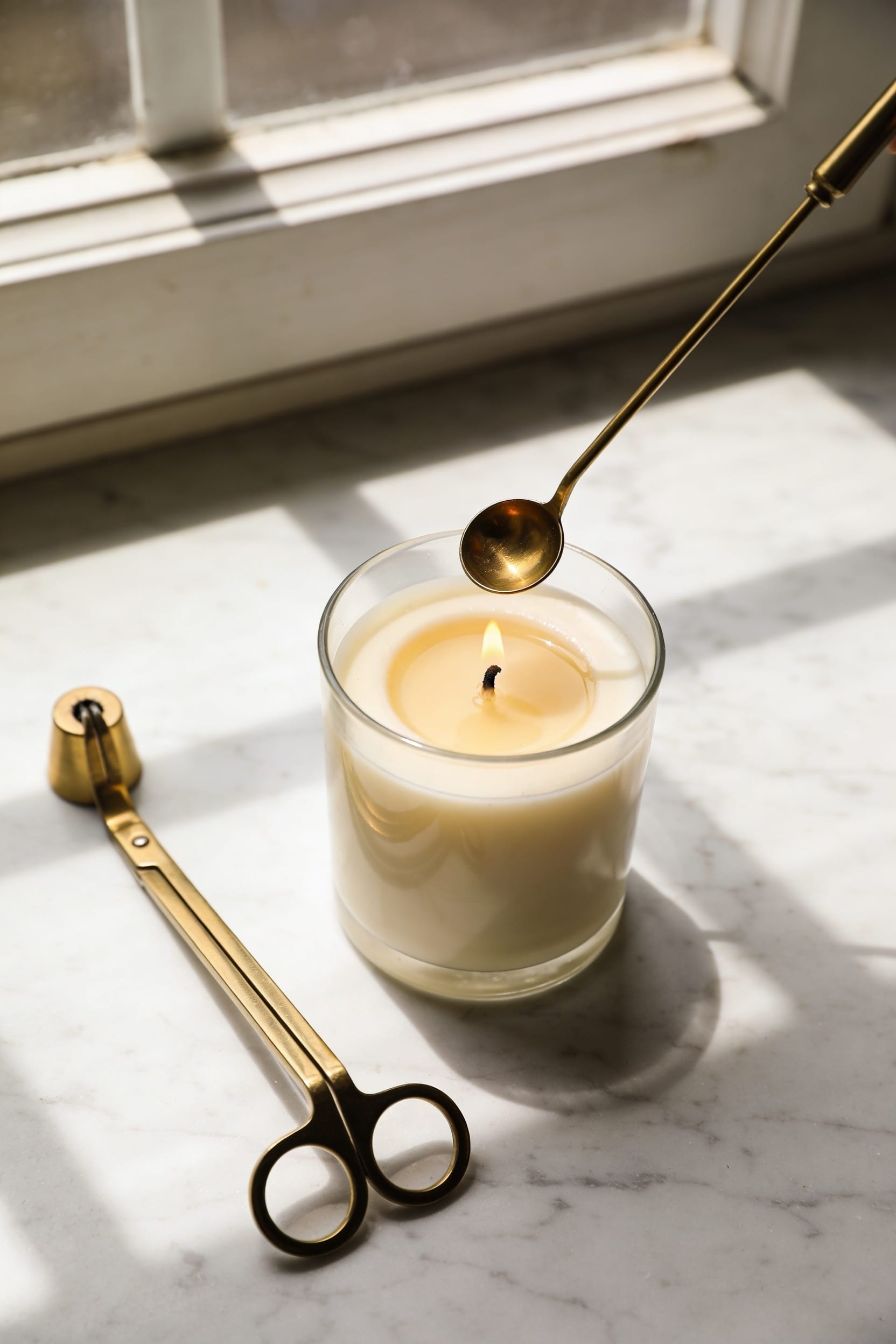
Now, here’s where wick dippers become more than just an extinguishing tool—they’re actually a longevity hack for your candles. When you submerge that wick into the melted wax pool, you’re not just snuffing out the flame—you’re conditioning it for the next burn. That wax coating prevents brittleness and mushrooming, which means your wick stays primed and ready to deliver a clean, efficient burn every single time. Beyond wick conditioning, there’s the wax preservation angle. You’re basically using your candle’s own fuel to extinguish it, which beats blowing it out and creates a protective barrier against smoldering. The result? Your candles burn longer, cleaner, and you’ll actually get more life out of them overall.
Recommended Products
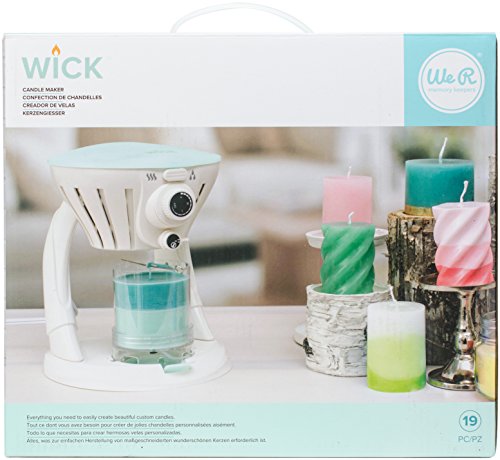
COMES WITH EVERYTHING YOU NEED: This kit includes 3 lbs of Paraffin Wax, 72 inches of cotton wick, 3 candle rubber stoppers, pigment (red, yellow, blue, white), 3 candle molds with base, and a color mixing chart

MEET YOUR NEW FAVORITE HOBBY ... Indulge your love for crafts and aromatherapy with the Fragranthetic candle maker kit. It comes with soy wax, a candle melting pot, thermometer, glass jars, scents, and more accessories to make candles from scratch.

TAPER MOLD: This plastic mold is 9.4 inches high and 0.47 inches wide and is used in candle making to create a classic form of candles.
Snuffers vs. Dippers: Choose Your Tool
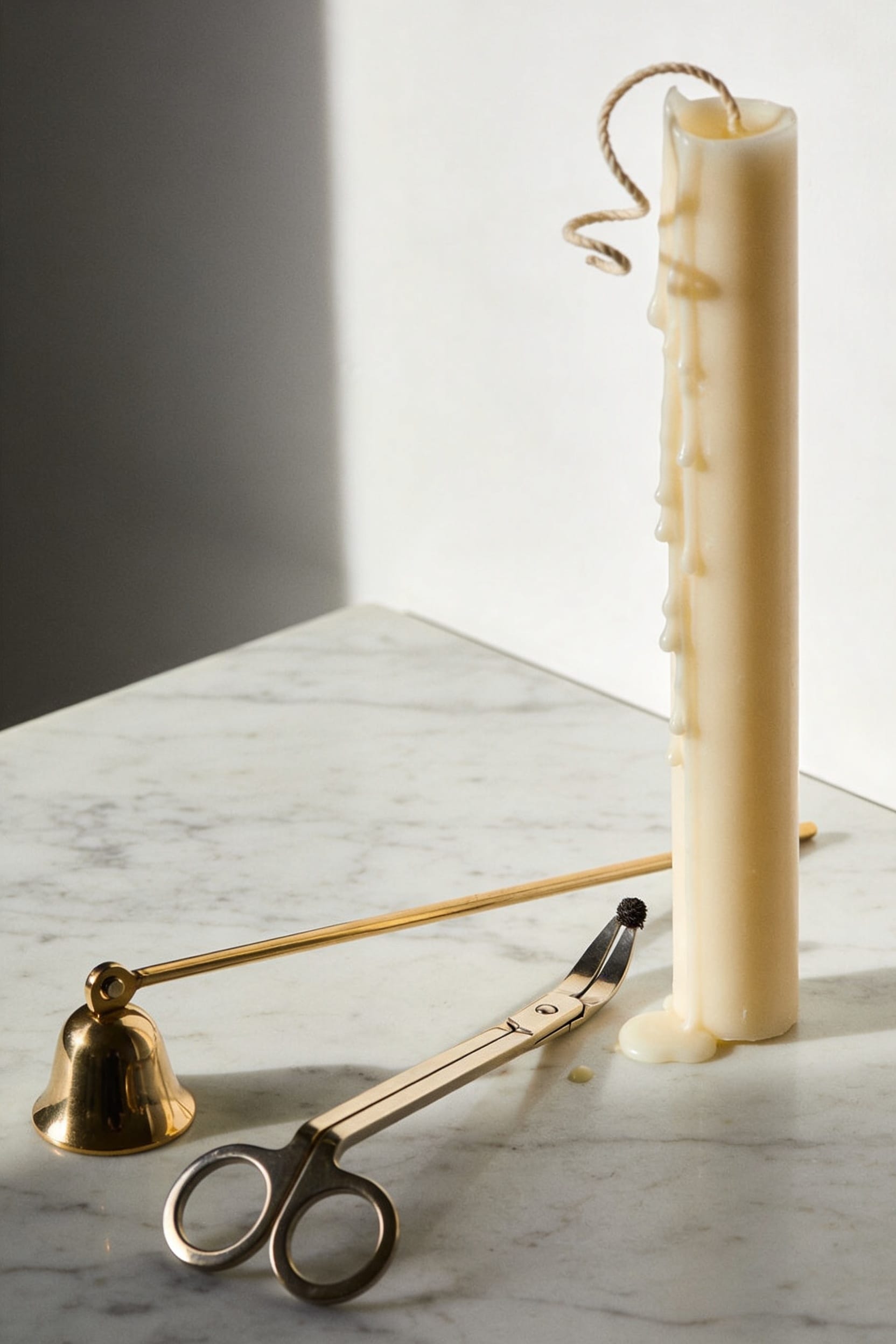
When you’re standing in front of your burning candle trying to decide which tool to reach for, you’re really choosing between two fundamentally different extinguishing philosophies. Snuffers work through oxygen deprivation—that bell-shaped cap drops over the flame and kills it instantly. Dippers, though? They’re more of an aesthetic ritual. You submerge the wick into melted wax, conditioning it while extinguishing. Your material preferences matter here. If you love minimalist design, snuffers win—simple, elegant, effective. But if you’re drawn to the meditative act of caring for your candle, dippers feel like an extension of the whole burning experience. I’d lean snuffers for scented jars and tapers. Save dippers for container and pillar candles with generous wax pools.
Recommended Products

100% Satisfaction Guaranteed !


EXTEND THE LIFE OF YOUR CANDLE: Wick trimmers are a must-have precision tool to properly care for your candle. Our stainless steel wick trimmers use a patented design that allows you to trim your wick and catch the debris with one snip.
Safety Benefits of Proper Extinguishers
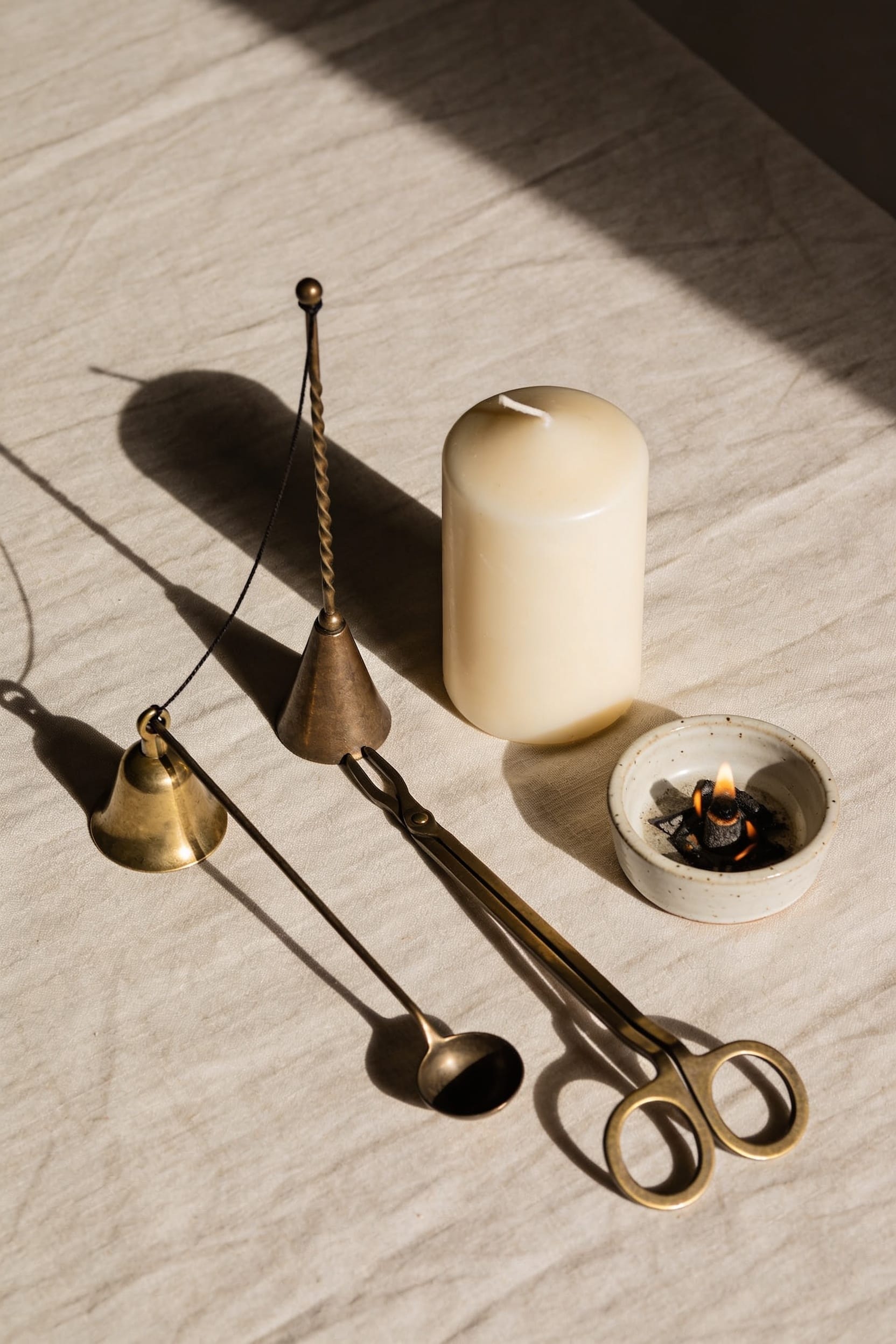
Beyond the philosophical choice between snuffers and dippers sits something that matters more than aesthetics—your actual safety. Look, I’ve blown out enough candles to know the risks: hot wax splatters, smoke billowing into your face, and that lingering burnt smell that lingers for hours. Proper extinguishers eliminate these hazards entirely.
Using snuffers or dippers protects your indoor air quality by preventing smoke buildup. They’re especially vital for child safety since you’re keeping curious hands away from open flames. The long handles mean you’re never reaching near active heat, and the controlled oxygen deprivation prevents those dangerous flare-ups that happen when you blow.
I’ve learned the hard way that taking thirty seconds to use the right tool beats dealing with singed eyebrows or respiratory irritation any day.
Match Your Candle Type to the Right Extinguisher
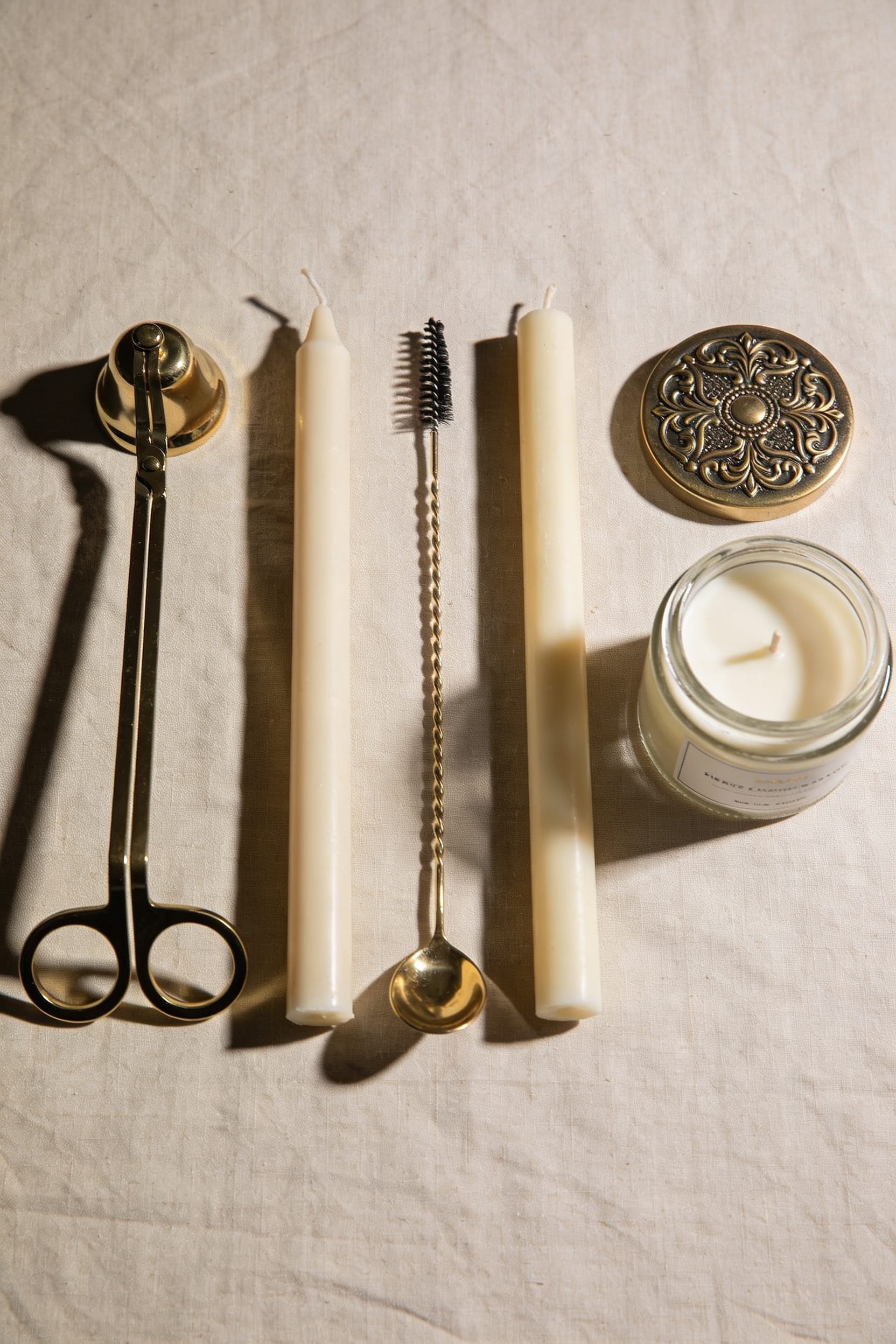
How do you know which extinguisher actually works best for your candle? All right, here’s the thing—your candle type genuinely matters. For container candles and glass votives with wide wax pools, I’d reach for a wick dipper every time. You’ll submerge that wick into the melted wax, and it conditions the wick while extinguishing cleanly. Now, if you’re working with tapers, pillars, or those tricky outdoor lanterns where you can’t access the wax pool easily, snuffers are your answer. The bell-shaped design encloses the flame from any angle, cutting oxygen fast. I’ve learned the hard way that forcing a dipper into a narrow taper just frustrates everyone involved. Match your tool to your candle’s shape, and you’ll eliminate smoke while keeping things safe.
Where to Buy Candle Snuffers and Wick Dippers
Once you’ve decided between a snuffer and a dipper, actually finding the right one isn’t as hard as you’d think—though I’ll admit I’ve wasted time browsing the wrong sections of stores before realizing where candle accessories actually live. Your best bet? Check out online marketplaces like Amazon or Etsy, where you’ll find everything from basic brass snuffers to vintage-inspired designs. Boutique retailers specializing in candles often carry curated selections too, and honestly, their staff actually knows what they’re talking about. Home goods stores stock them near the candle section, though selection varies wildly. I’ve also had good luck at specialty gift shops. The real advantage of shopping around is comparing prices and styles without commitment—you can snag exactly what matches your aesthetic and budget.
Frequently Asked Questions
Can I Use a Candle Snuffer on a Lit Candle Inside a Glass Holder?
Yes, I’d recommend using a snuffer on your glass holder candle. The bell-shaped cap safely extinguishes the flame while the long handle keeps you away from glassware safety concerns. Just avoid inverted airflow that might cause heat stress to the glass.
How Often Should I Clean My Wick Dipper to Prevent Wax Buildup?
I’d recommend cleaning your wick dipper after every few uses. Here’s my maintenance tip: wipe it with a soft cloth while wax’s still warm, then scrape stubborn buildup with a plastic tool. Regular tool care prevents wax removal problems and keeps it working perfectly.
Are Candle Snuffers and Wick Dippers Suitable for Outdoor or Windy Environments?
I’d say you’re barking up the right tree with snuffers outdoors—they’re wind resistant techniques champions. I’d grab portable snuffer types with enclosed designs; dippers won’t cut it in breezy conditions since exposed wax won’t stay protected.
What’s the Ideal Size Snuffer for Different Candle Jar Diameters and Depths?
I’d recommend a small snuffer for narrow jars and a wide bell design for broader containers. You’ll want a long handled snuffer for deep jars, ensuring you’re safely distanced from the flame while extinguishing effectively.
Can Wick Dippers Work Effectively on Scented Candles Without Affecting Fragrance Release?
I’d say wick dippers work well on scented candles while preserving scent retention. By submerging the wick in wax, you’re avoiding smoke that could interfere with fragrance diffusion. You’re fundamentally protecting your candle’s aromatic qualities during extinguishing.
Conclusion
I’ve learned that choosing the right extinguisher isn’t splitting hairs—it’s the difference between a candle that burns beautifully for months and one that flames out early. You’ve got options, whether you’re team snuffer or team dipper, and honestly, having both on hand means you’re ready for anything. Pick what feels natural to you, use it consistently, and you’ll wonder how you ever managed without it.