As an Amazon Associate, we earn from qualifying purchases. Some links on this site are affiliate links at no extra cost to you. Our recommendations are based on thorough research and editorial judgment.

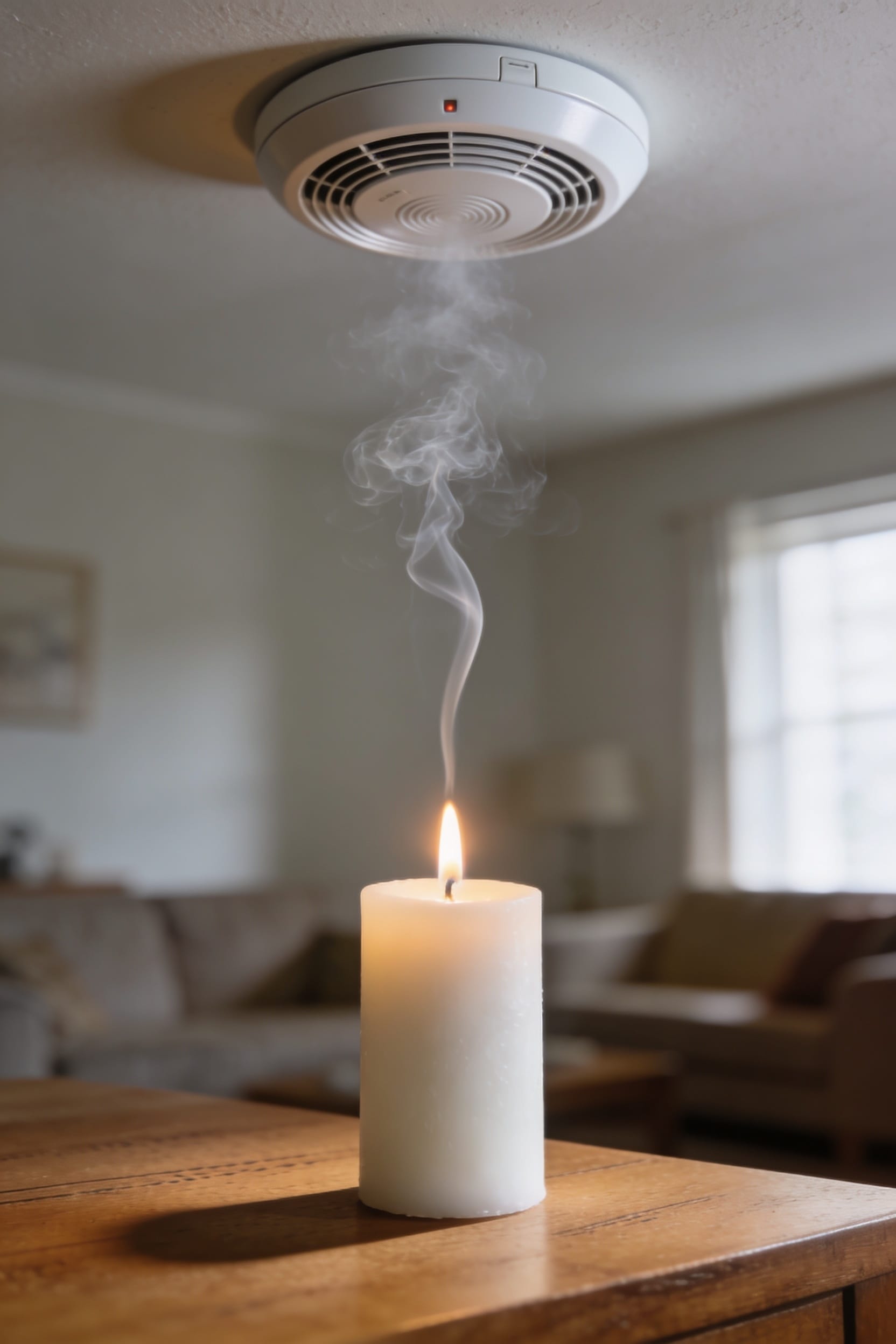
Can Candles Set Off Smoke Alarms? What You Must Know

candles absolutely can trigger smoke alarms, but it’s not the scent—it’s invisible soot particles your flame releases into the air. All right, so smoke detectors sense airborne particulates, not fragrance molecules, which means a paraffin candle with an untrimmed wick will set one off faster than a quality soy or beeswax option. Wick length, wax type, and how you extinguish matter way more than you’d think. The good news? You’ve got real control here—trim that wick, position strategically, and ventilate properly. Stick around to discover exactly how.
Key Takeaways
- Yes, candles can trigger smoke alarms by releasing soot particles that ionization and photoelectric detectors sense as airborne particulates.
- Untrimmed wicks create excessive soot and smoke; trimming to quarter-inch before burning significantly reduces particle emissions and alarm risk.
- Soy and beeswax candles produce minimal smoke compared to paraffin wax, which generates substantial soot even with quality additives.
- Position candles at least ten feet from detectors, away from drafts and hallways, then ventilate by opening windows or using fans.
- Extinguish candles gently using a snuffer rather than blowing them out to avoid concentrated smoke bursts that trigger alarms.
Do Candles Actually Trigger Smoke Alarms?
Why do some people swear their candles set off every alarm in the house while others burn them constantly without incident? Here’s the thing—it really comes down to candle maintenance and how you’re burning them. I’ve learned this the hard way. Quality matters enormously. Soy and beeswax candles produce minimal smoke when you trim those wicks properly, while paraffin generates way more soot. Environmental factors play a role too. Ambient humidity, drafts, and room ventilation all affect smoke production. Position your candles away from detectors, keep wicks trimmed to quarter-inch, and avoid drafts near windows or doorways. Most single candles won’t trigger alarms at safe distances. But blow out ninety birthday candles simultaneously? That’s another story entirely.
How Smoke Detectors Identify Particles From Candles
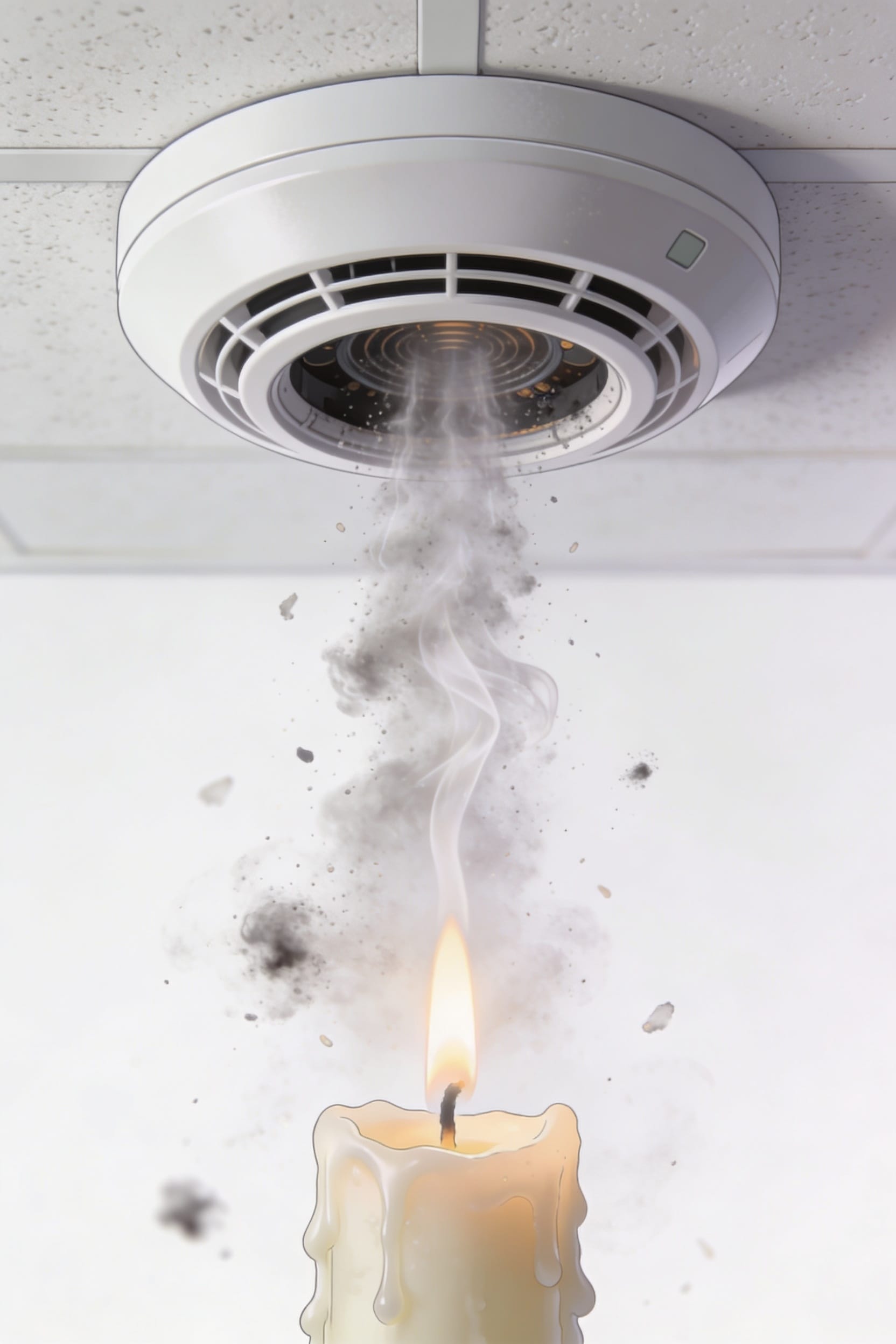
Now, here’s where things get genuinely interesting—your smoke detector doesn’t actually care about the candle itself, it’s all about the particles you’re releasing into the air. Inside your detector sits a chamber with optics designed to catch those carbon particles floating around. Here’s the thing: ionization detectors work by sensing airborne particles disrupting electrical current, while photoelectric models rely on chamber optics to detect when soot scatters their internal infrared light. The particle detection process is actually pretty straightforward—visible soot triggers these mechanisms, not fragrance molecules. That’s why a well-trimmed soy candle burning cleanly won’t bother your detector, but a flickering paraffin candle producing excessive soot absolutely will. It’s all about volume and particle concentration in your space.
When Candles Trigger Alarms Most Easily
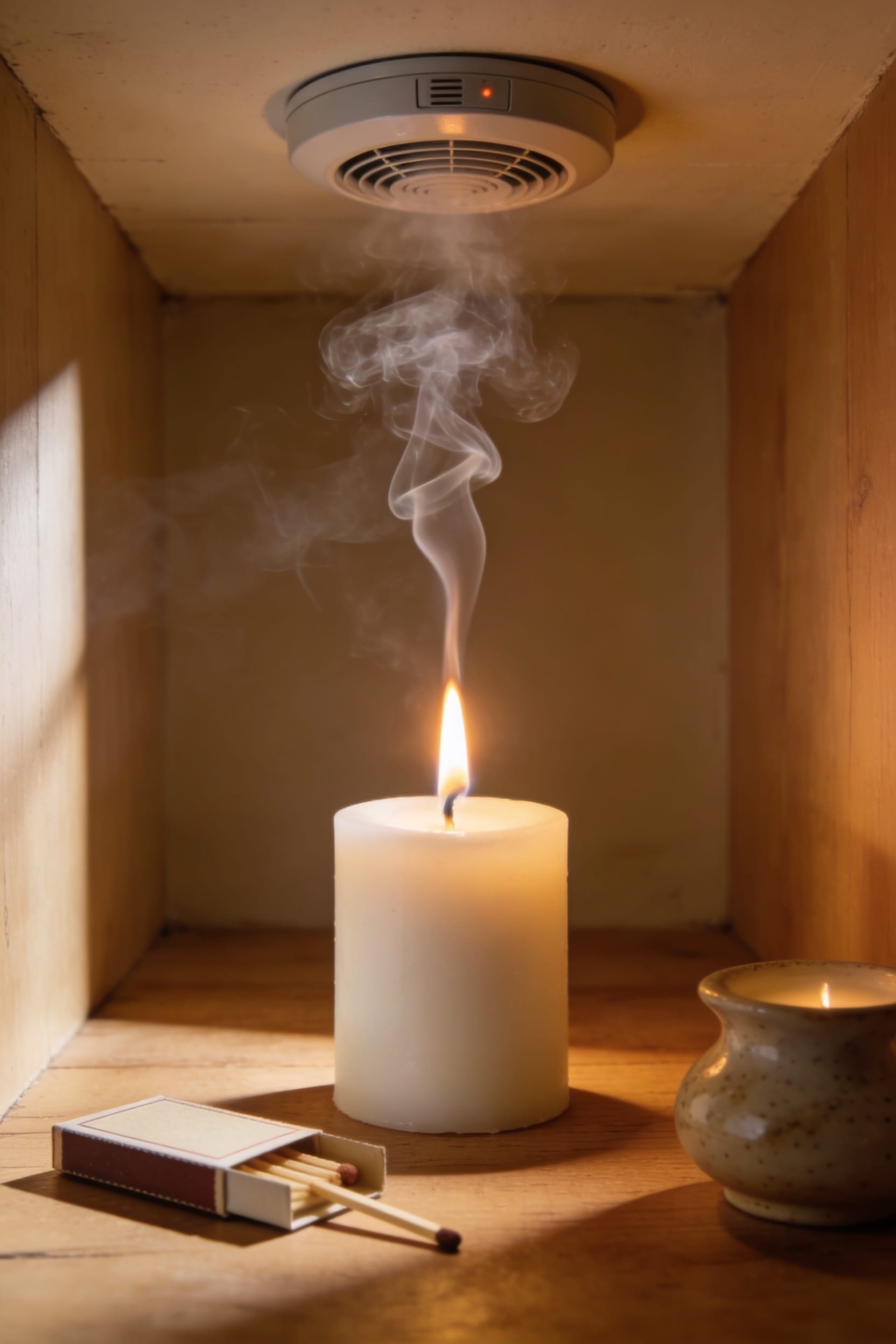
If you’ve got a candle burning somewhere in your home, the real danger zone isn’t the flame itself—it’s what happens when you combine that flame with a few specific circumstances that’ll send your detector into overdrive. Long wicks create excessive smoke. Drafts cause wild flickering and concentrated particulate matter. Poor ventilation patterns trap soot in confined spaces, intensifying what your detector actually sees. Blowing out multiple candles simultaneously? That concentrated burst of smoke is your most reliable trigger. Position open flames away from detectors entirely. Keep windows or fans running to maintain airflow. Trim wicks to a quarter inch. These aren’t complicated fixes, but they’re the difference between a pleasant evening and a blaring alarm at midnight.
Soot Sets Off Alarms, Not Candle Scent
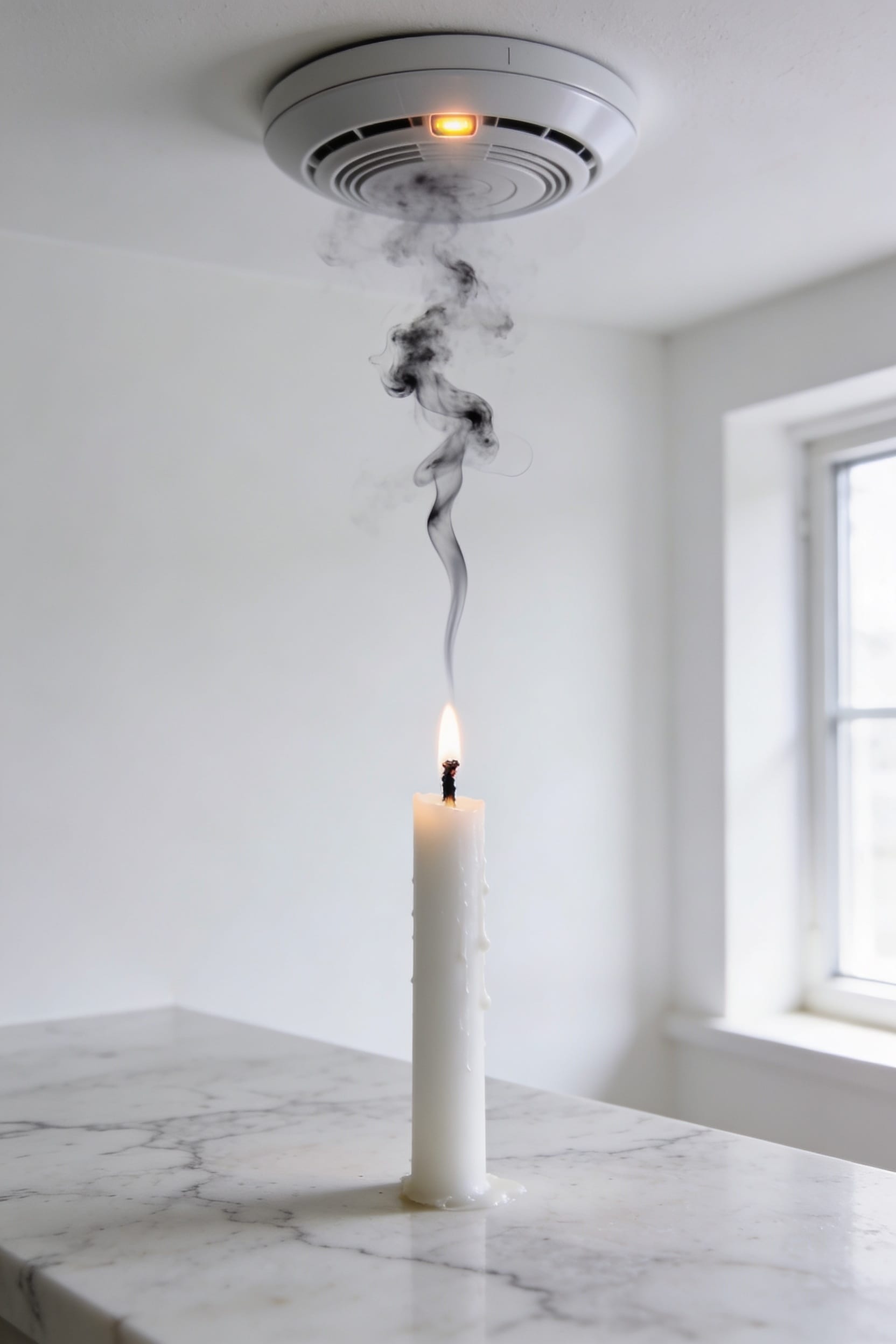
Let me clear up something that trips up a lot of people: your smoke detector doesn’t care that your vanilla-scented candle smells like a bakery. It’s not responding to fragrance chemistry at all. What actually triggers alarm sensitivity is soot—those microscopic carbon particles floating through your air. Scent molecules are simply too small to register on any detector, whether you’ve got an ionization or photoelectric model. Your candle’s fragrance compounds drift invisibly around the room without setting off a single alarm. The real culprit? That visible smoke and soot buildup, especially from paraffin candles with untrimmed wicks. So if your detector’s going off, you’re not dealing with a scent problem. You’re dealing with actual particles, and that’s worth paying attention to.
How Wax Type Affects Smoke Production
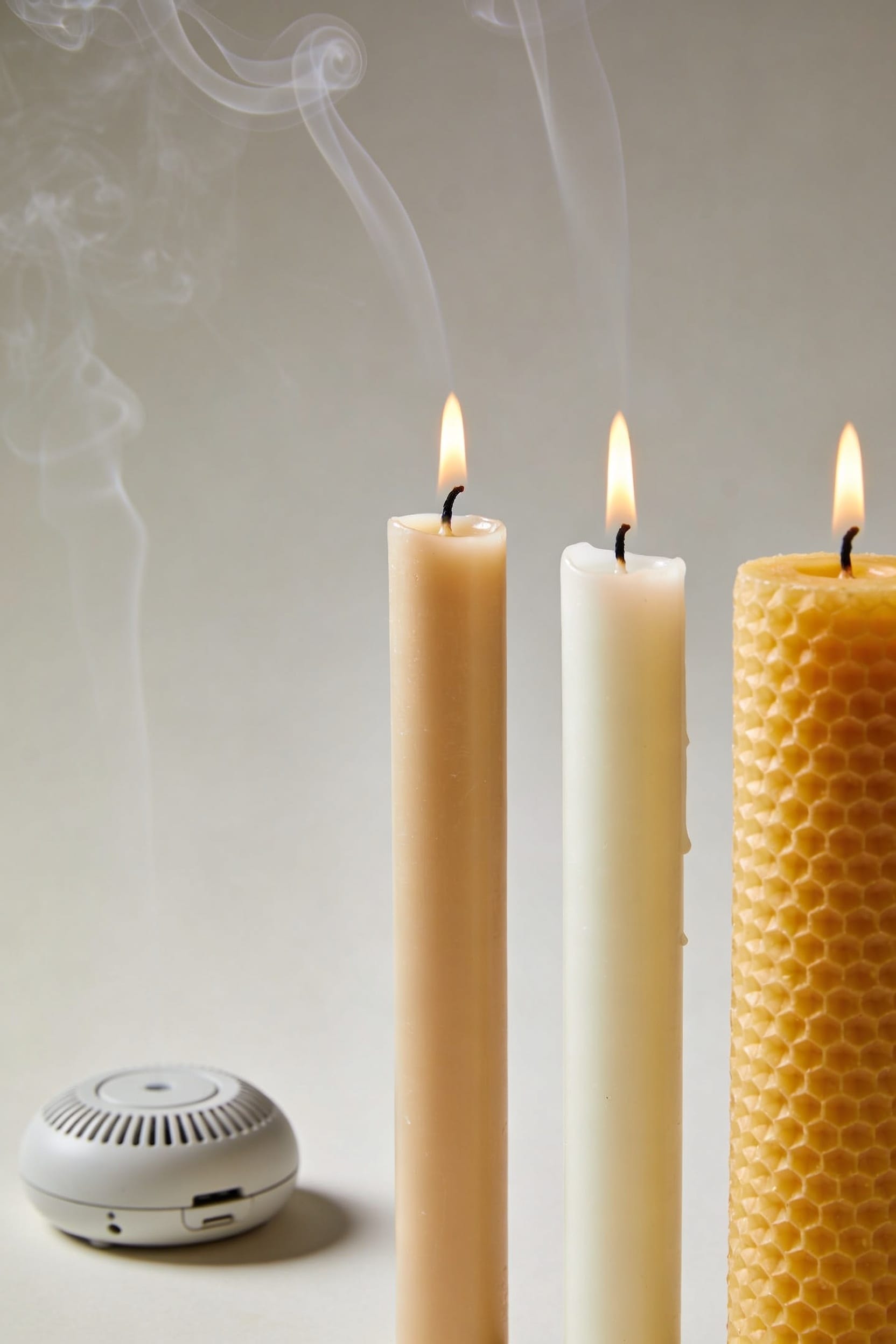
Your choice of wax fundamentally shapes how much smoke your candle produces—and whether it’ll trigger your smoke detector. Paraffin wax, derived from petroleum, burns hot and generates substantial soot. I’ve watched paraffin candles blacken walls faster than you’d expect. Soy and beeswax? They’re cleaner alternatives with lower melting points, which means less excess smoke escaping into the air. The lower melting point reduces how much heat your candle needs to burn, directly cutting down particulate matter. Now, wax additives matter too—cheap additives can increase smoke production. Look, if you’re genuinely concerned about triggering detectors, soy or beeswax gives you the best shot at a smoke-free burn. Quality always wins here.
Recommended Products

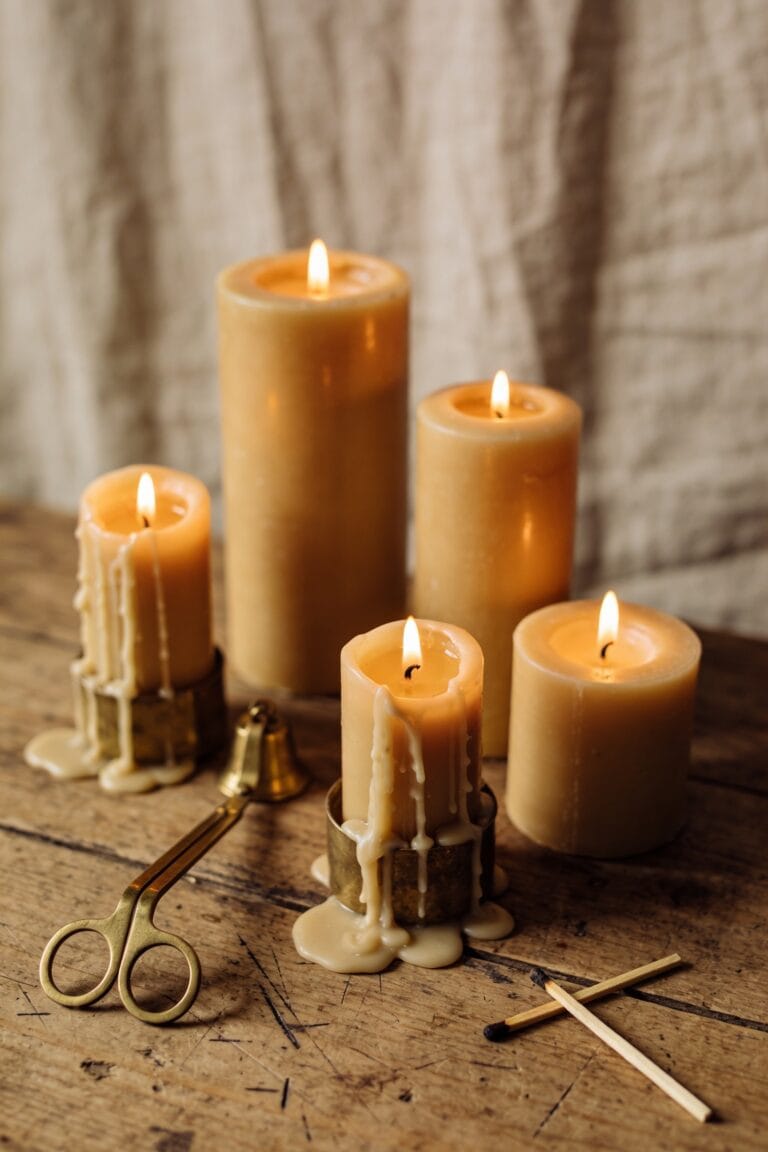
100% Pure Beeswax Candle: Hand-poured from naturally filtered beeswax for a rich, golden glow. These clean burning candles are free from paraffin, soy, and synthetic fragrances. Each 1-wick dripless pillar candle features natural cotton candle wicks and pure candle wax for a long-lasting burn and warm, cozy candle light.

Industrial 67 Lbs Capacity Wax Melting Pot Pro Package Model: Includes Large Spout, Lid, Pouring Pot, Stirring Spoon. Cutting-edge technology ensures rapid melting of soy wax, paraffin, coconut, and beeswax for efficiency. It's perfectly suitable for most Wax types and Melt & Pour soap bases. Its user-friendly temperature guage allows temperature adjustment from from low to high temperature which maintains roughly 100 - 350 degrees Fahrenheit.

65 LBs Capacity Wax Melting Pot Pro Package Model: Includes Large Spout, Lid, Pouring Pot, Stirring Spoon. Cutting-edge technology ensures rapid melting of soy wax, paraffin, coconut, and beeswax for efficiency. While it can't be used for lye soap making due to aluminum's reactivity with lye, it's perfectly suitable for Melt & Pour soap bases. Its user-friendly temperature guage allows temperature adjustment from from low to high temperature which maintains roughly 100 - 350 degrees Fahrenheit.
How Candle Wick Length Affects Smoke Alarms
Since most of us don’t think twice about our candle wicks, I’ll be straight with you—wick length is one of the easiest variables to control, and it’s also one of the most direct ways to prevent your smoke alarm from going off. Here’s the thing: when you trim your wick to about a quarter-inch, you’re fundamentally limiting how much fuel that flame consumes. A longer wick creates a taller flame that burns hotter and produces excess soot. That excess soot? That’s your smoke alarm’s main trigger. I keep a wick trimmer in my candle kit specifically because I learned this lesson the hard way. Trim before every burn. Your detector—and your peace of mind—will thank you.
Recommended Products

This is a genuine OEM (Original Equipment Manufacturer) part

Portable and Compact Design: At a convenient 10" tall, the Light of Mine Original lantern with Dietz #76 is designed for easy portability, making it an excellent companion for camping, outdoor adventures, and emergency situations.

Pick Your Favorite Finish: No matter your interior design preference, we have a wick trimmer tailored for you. Choose from Black, Gold, Rose Gold, Silver, Brushed Gold, and Brushed Copper to complement your candles, decor, and gifting style.
5 Ways to Stop Candles From Setting Off Alarms
Trimming that wick is step one, but it’s really just the beginning of keeping your smoke alarm quiet while you’re enjoying your candles. Now, positioning matters tremendously—place candles away from direct airflow heading toward your detectors. I’ve learned this the hard way. Second, your ventilation strategies should include opening windows or running a fan to disperse any soot before it accumulates enough to trigger sensors. Third, avoid drafts near doorways or windows that cause flickering and excessive smoke. Fourth, stick to recommended burn times on your label; prolonged burning raises smoke levels markedly. Finally, your extinguishing techniques matter too. Blow gently or use a snuffer rather than creating concentrated smoke clouds. These five habits combined? They’ll keep your alarms silent and your candles burning peacefully.
Recommended Products


EXTEND THE LIFE OF YOUR CANDLE: Wick trimmers are a must-have precision tool to properly care for your candle. Our stainless steel wick trimmers use a patented design that allows you to trim your wick and catch the debris with one snip.

Black 5 in 1 Candle Accessory Set: all-inclusive candle care kit. This exquisite collection includes a stylish candle snuffer, precision wick trimmer, wick cutter, elegant dipper, candle lighter and a chic tray.
Where to Place Candles to Avoid Detectors
When you’re positioning candles strategically around your home, the goal isn’t just aesthetic—it’s about creating distance between that flickering flame and your smoke detectors so they don’t mistake your peaceful ambiance for an emergency. Place candles on a table centerpiece away from hallways where detectors typically cluster. Your reading nook works great too, especially if it’s tucked in a corner away from air vents and ceiling-mounted alarms. Keep flames at least ten feet from detectors when possible. Avoid positioning candles directly beneath or within the detector’s line of sight. Drafty areas near windows or doors amplify smoke output, so skip those spots entirely. The farther your candle sits from detection equipment, the safer you’re playing it.
Recommended Products

Flameless Safety: you will receive 40 battery operated window candles with gold candle holders, made of quality plastic, enjoy the warm glow of real candles without the worry of fire risks

Sensor Dusk To Dawn: Enjoy effortless convenience with window candles featuring built in light sensors. These battery operated candles automatically turn on at dusk and off at dawn, eliminating the need for manual operation. Perfect for Christmas decorations and year round window lights, they save time and add simplicity to your life

★ Maximum Power Output – Allmax C Maximum Power Alkaline Batteries are engineered with high-quality components and EnergyCircle Technology to deliver consistent, dependable power for everyday and professional electronic devices.
Soy and Beeswax Burn Cleaner Than Paraffin
Now that you’ve got your candles positioned smartly around your home, it’s worth thinking about what’s actually going into that wax—because not all candles smoke equally, and your choice of material makes a real difference in whether you’re setting off alarms or just enjoying a clean burn.
Paraffin wax, the petroleum-derived standard, produces significant soot and smoke. I’ve watched paraffin candles darken walls over time. Soy and beeswax? They’re genuinely cleaner burners. Soy benefits include lower soot output and a lower melting point that reduces excess smoke formation. Beeswax sustainability appeals to eco-conscious burners while delivering similar clean-burning performance.
Your detector cares about particles, not intentions. Choosing soy or beeswax stacks the odds in your favor, keeping alarms quiet and your air actually breathable.
Recommended Products
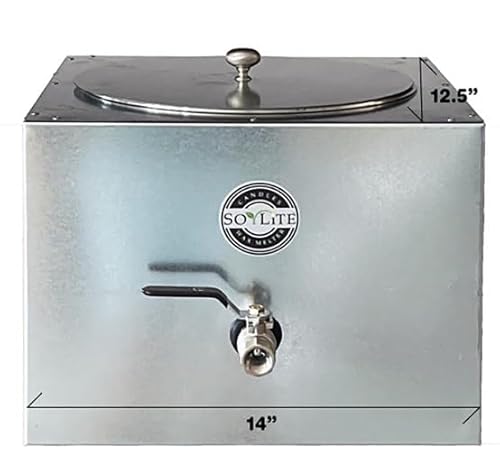
Profeshional wax melter for candle making, Effortlessly make large batches candles . No more messing with temperature control. This new wax melter automatically keeps wax around 180 to 190 degrees. Just simply add wax and turn on. If you are running a small business or handling a big custom order? SoyLite will help save you time.

Wax Material: Our candle making flakes are made of hydrogenated soybean oil, specifically Golden Brand 444, designed for container and tea light candles

Industrial 42 Lbs Capacity Wax Melting Pot Pro Package Model: Includes Large Spout, Lid, Pouring Pot, Stirring Spoon. Cutting-edge technology ensures rapid melting of soy wax, paraffin, coconut, and beeswax for efficiency. It's perfectly suitable for most Wax types and Melt & Pour soap bases. Its user-friendly temperature guage allows temperature adjustment from from low to high temperature which maintains roughly 100 - 350 degrees Fahrenheit.
Frequently Asked Questions
Can E-Cigarette Vapor Trigger Smoke Alarms the Same Way Candle Smoke Does?
E-cigarette vapor can trigger smoke alarms similarly to candle smoke because it mimics particulate matter, despite its different composition. I’d note that smaller particle sizes in vapor affect photoelectric detectors when concentrated enough.
At What Temperature Do Sprinklers Activate Compared to Candle Flame Heat?
“An ounce of prevention’s worth a pound of cure.” I’ll tell you—sprinkler activation requires 155-165 degrees, while your candle’s flame reaches roughly 1,000 degrees. That’s why flame temperature won’t trigger sprinklers; they’re engineered differently than detectors.
Why Do Hyper-Sensitive Dorm Room Detectors Activate More Easily Than Standard Ones?
I’ll tell you that dorm detectors trigger easily because they’re calibrated with heightened sensitivity and often positioned in compact spaces where smoke concentrates quickly. Their sensitive placement near bedding amplifies particle detection.
How Does Room Ventilation With Fans or Windows Prevent Alarm Activation?
I’ll disperse your candle’s soot particles through open windows and exhaust fans, preventing smoke accumulation that’d trigger detectors. Better airflow means fewer concentrated particles reaching your alarm’s sensors, so you’re protected.
Will Blowing Out Multiple Candles Simultaneously Create Enough Smoke to Trigger Alarms?
Yes, I’d say blowing out multiple candles simultaneously creates concentrated smoke that’ll likely trigger your alarm. The sudden drafts and smoke concentration spike markedly. Proper wick maintenance and avoiding simultaneous extinguishing helps prevent activation.
Conclusion
I’ve learned through trial and error that your candle habit won’t trigger smoke alarms if you’re burning quality wax with proper wick maintenance. It’s not the scent—it’s the soot. You’ll want soy or beeswax over paraffin, keep that wick trimmed to a quarter inch, and position candles away from detectors like you’re protecting them with a medieval moat. Simple choices, smoke-free results.