As an Amazon Associate, we earn from qualifying purchases. Some links on this site are affiliate links at no extra cost to you. Our recommendations are based on thorough research and editorial judgment.

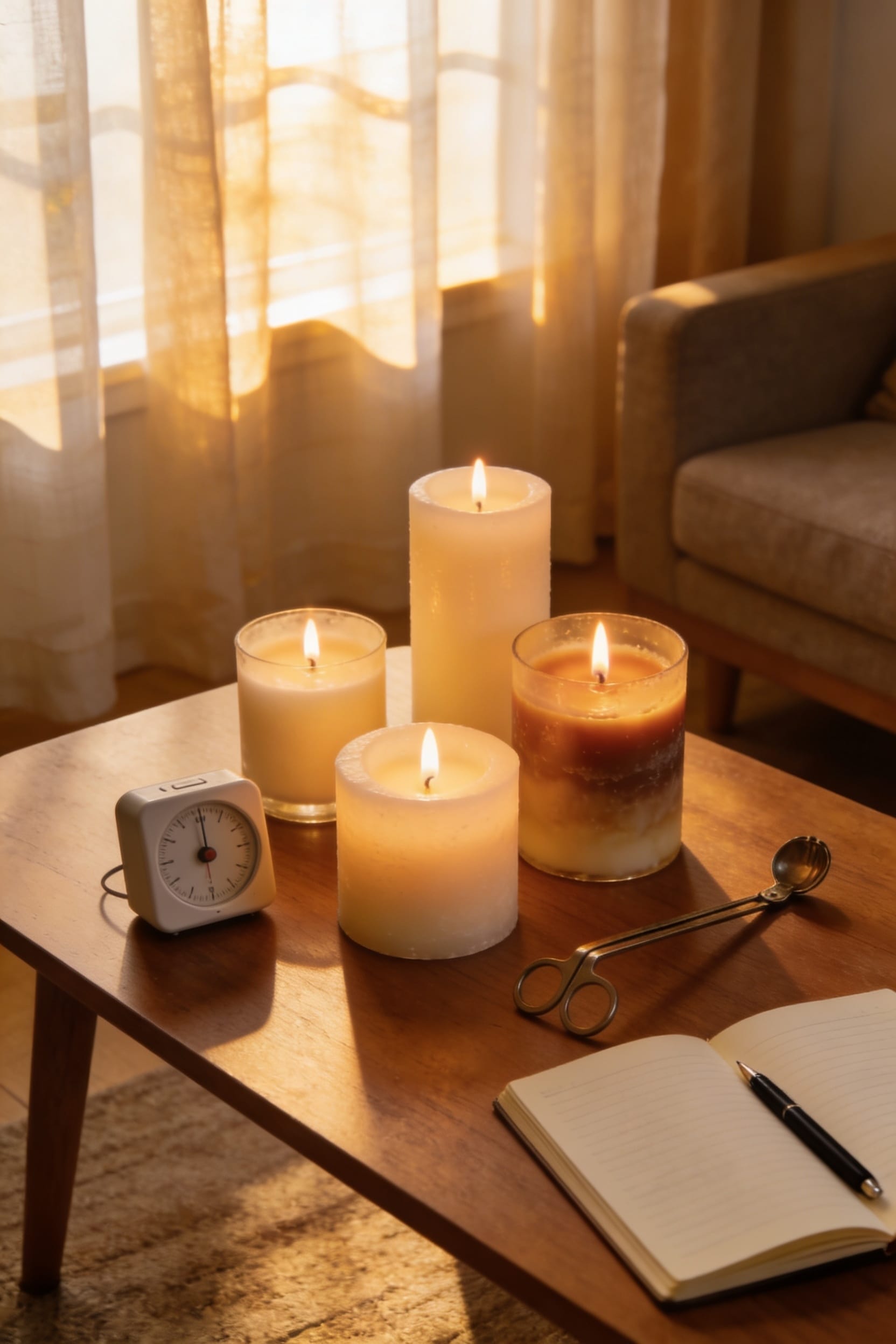
How Long Should You Burn a Candle? A Full Room Guide

burn roughly one hour per inch of diameter—a two-inch candle gets two hours, a three-inch gets three. That first burn’s essential; let the wax melt fully to the edges so you don’t tunnel later. Trim your wick to a quarter-inch before lighting, keep sessions under four hours, and always cool for two hours before relighting. Wax type matters too—beeswax burns differently than soy. Stick to these basics and your candle’ll reward you with consistent, long-lasting performance.
Key Takeaways
- Burn one hour per inch of diameter to prevent tunneling and wick mushrooming while maintaining consistent candle performance.
- Always create a full melt pool on the first burn to establish proper burn patterns and prevent future tunneling.
- Limit sessions to 1–2 hours for small candles, 2–3 hours for medium, and 3–4 hours for large candles maximum.
- Watch for blackened wicks, aggressive flames, soot buildup, and chemical smells as signs to trim wicks and reduce burn time.
- Allow at least two hours of cooling between sessions and trim wicks to quarter-inch before each relighting for optimal performance.
The Basic Rule: How Long to Burn Your Candle by Diameter
Burn your candle for roughly one hour per inch of diameter. It’s the golden rule I’ve relied on countless times, and honestly, it works. A two-inch candle gets two hours, a three-inch gets three. Simple math that prevents the two biggest mistakes I see: tunneling from undburning and wick mushrooming from overdoing it.
Now, your burn rhythm matters as much as the wick diameter itself. You’ll want to establish a consistent pattern early on—those first burns set everything. Four hours max per session, always. I learned this the hard way when I ignored it and watched my container develop stress cracks. The wax needs cooling time between burns to recover. Stick to this rhythm, and your candle rewards you with an even burn every single time.
Why Your First Burn Matters Most

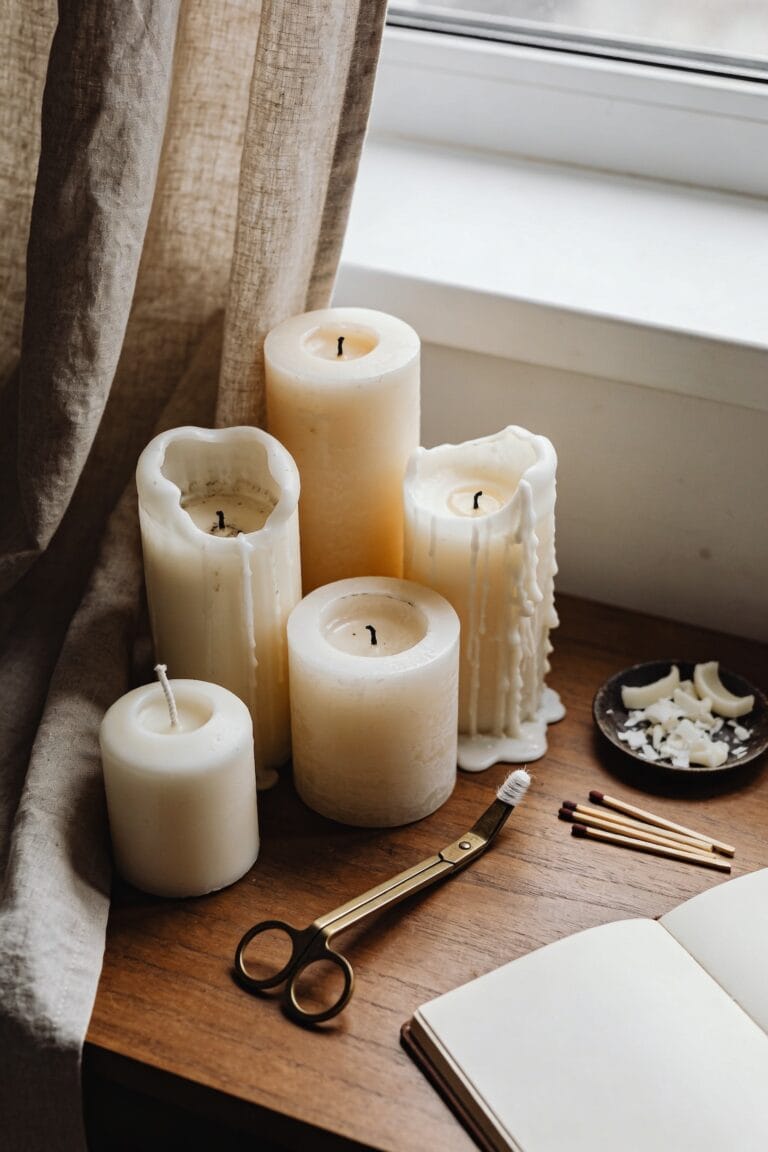
Because the first time you light that candle is when it decides whether it’s going to behave itself for the next month or slowly disappoint you, there’s really no understating how critical those initial hours are. You’ve got to let that wax melt completely to the edges—I’m talking a full melt pool—or you’re setting yourself up for tunneling, where the candle burns down the middle and leaves wax clinging to the sides like it’s given up on life.
Here’s what I do: I use basic wick priming techniques by trimming that wick to a quarter-inch before lighting. Then I let it burn long enough—usually three to four hours depending on diameter—to establish the right burn pattern. That first session isn’t just burning; it’s training your candle how to behave.
Recommended Products
This is a genuine OEM (Original Equipment Manufacturer) part
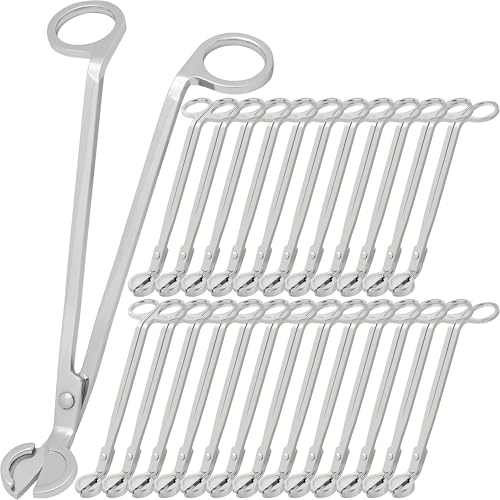
Pick Your Favorite Finish: No matter your interior design preference, we have a wick trimmer tailored for you. Choose from Black, Gold, Rose Gold, Silver, Brushed Gold, and Brushed Copper to complement your candles, decor, and gifting style

Session Length Guidelines by Candle Size
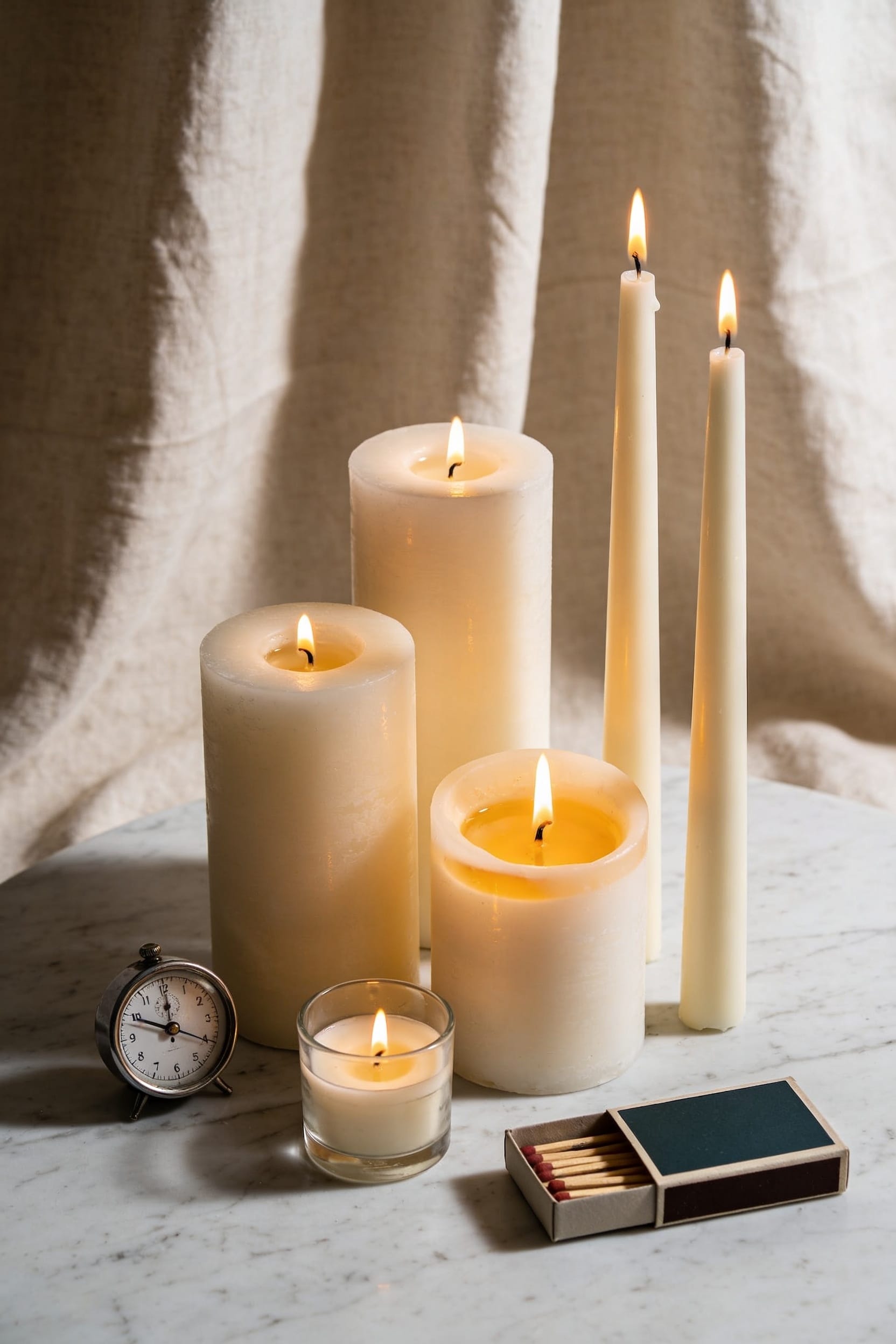
Now that you’ve nailed that essential first burn, the real question becomes: how long should you actually light the thing during regular use? Here’s the thing: size matters. Small candles under 2.5 inches? Stick with 1-2 hours. Medium candles around 3 inches work best at 2-3 hours. Larger ones, 4 inches or wider, can handle 3-4 hours without issue. Never exceed 4 hours per session—you’ll risk wick overheating and container cracking.
The sweet spot keeps your scent throw optimal while preventing mushrooming. After each burn, trim that wick to a quarter-inch before relighting. This simple step protects your candle’s lifespan and assures even, clean burns every single time.
Recommended Products

Perfectly trims wicks to maintain optimal candle burn

[MUXSAM CANDLE ACCESSORY FUNCTION] -- The candle accessory set can provide you with extra candle wick care to make sure you enjoy the best from your candle. Trim candle wick to prevent soot and also add to candle burn time; Snuff candle using a wick dipper to prevent wick smoldering; Snuff tapered candles with bell snuffer to prevent wax flying off tip of the candle, allowing to lengthen the life of candles
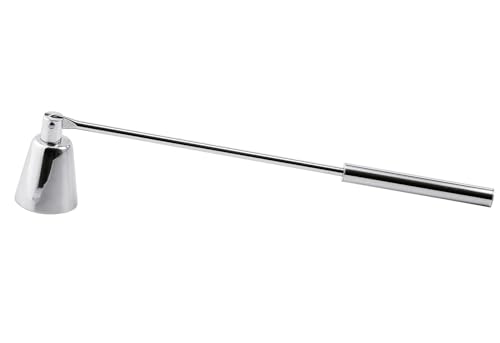
Length: 30 cm
Signs You’re Burning Your Candle Too Long
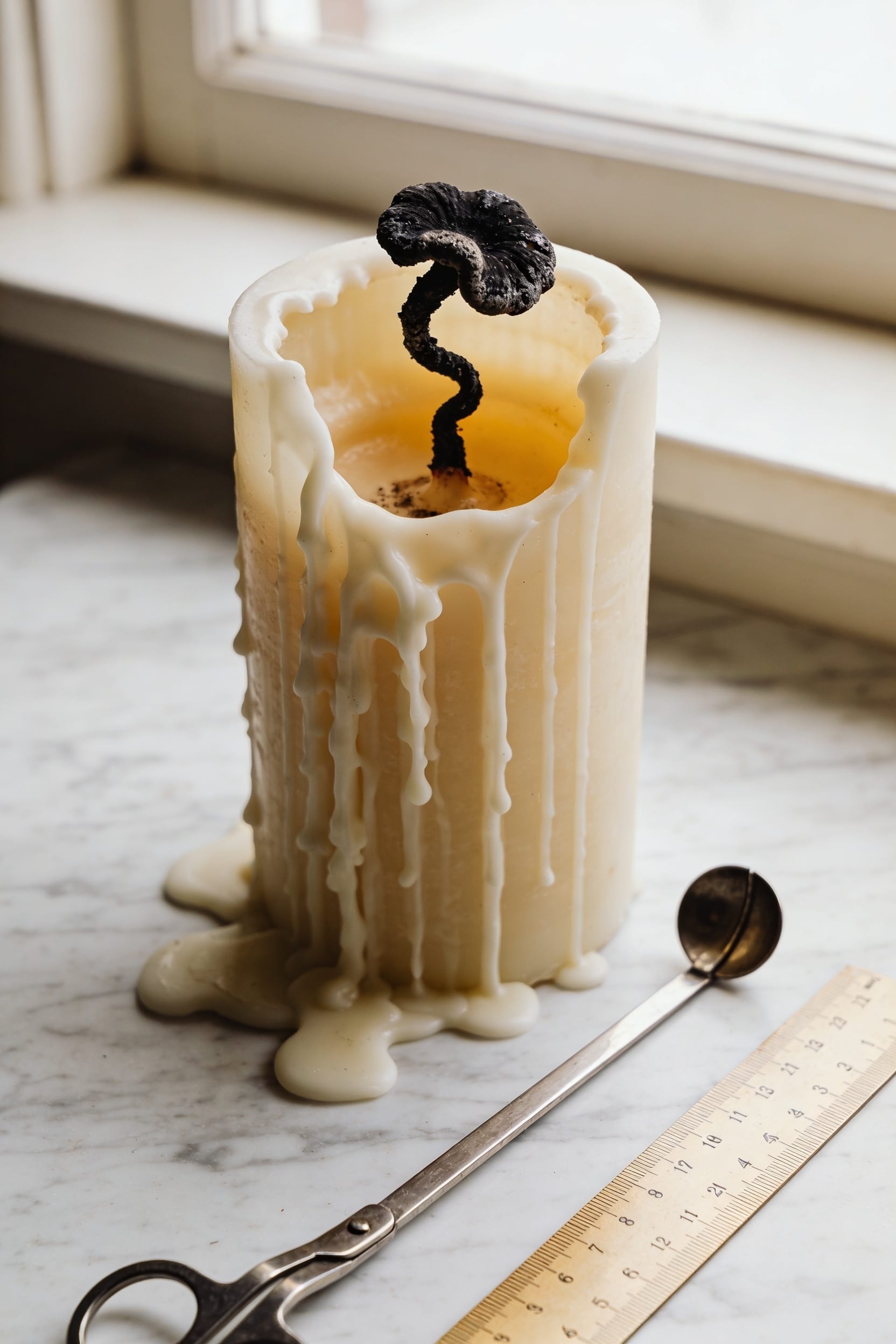
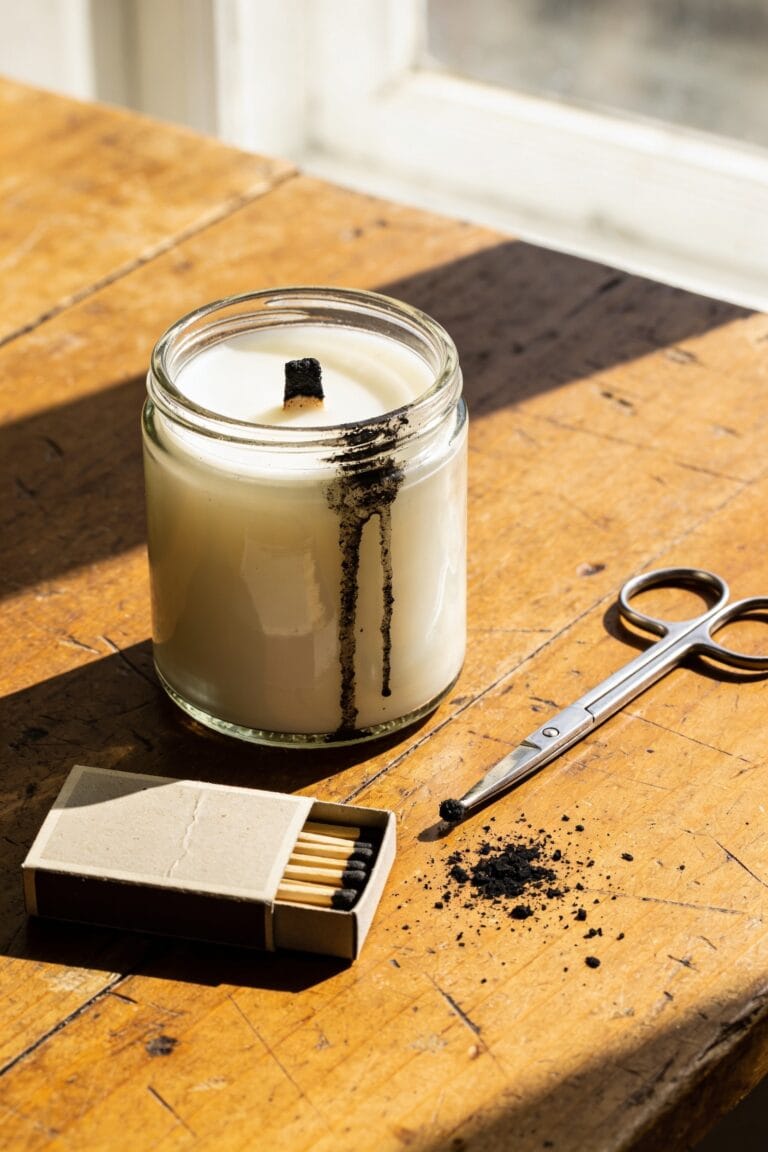
All right, so you’ve got the timing down—you know your 3-inch candle shouldn’t burn past 3 hours. But how do you actually know when you’ve crossed the line? Watch for blackened wicking, which means carbon’s building up faster than it should. You’ll notice the flame getting larger and more aggressive, sometimes flickering wildly. Here’s the thing: that sooty residue coating your container’s walls? That’s your sign right there. It looks like smoke damage, and honestly, it means your wick’s overheating and creating way too much carbon. You might also catch a chemical smell replacing your fragrance—that’s the wax degrading. Trust me, I’ve learned this the hard way. These red flags mean it’s time to trim that wick and dial back your burn sessions before you damage the candle permanently.
Recommended Products

[MUXSAM CANDLE ACCESSORY SET] : Set package include candle snuffer 8.3 inches long, wick dipper 7.8 inches and wick trimmer 7 inches to trim the wicks easily. Made of polished stainless steel, it is durable for long time use, not easy to rust or bend. Ensures a clean trim and cleaner, safer candle burning

1" x 33' Cotton Flat Wick (2 Pack) – Two long rolls for large oil lamps & lanterns

Dimensions: 6.5 x 2.5 inches (17 x 6 cm)
Does Wax Type Really Change Burn Time? (Spoiler: Yes, Drastically)

If you’ve ever wondered why your beeswax pillar seems to last forever while that soy candle you bought melted down in what felt like a weekend, you’re onto something real—wax type fundamentally changes how fast your candle burns, and I’m talking drastically. Beeswax burns at roughly one hour per inch of diameter, while soy moves through at twenty to forty minutes per inch. That’s a massive difference. The fragrance load matters too—heavier scent concentrations can actually speed up burn time slightly. Paraffin splits the difference, making it popular for balanced performance. Coconut wax? It’s somewhere in the middle. So when you’re choosing your next candle, don’t just look at the label. Understanding what’s actually melting down helps you set realistic expectations and avoid disappointment.
Recommended Products

Religious Supply Center

Religious Supply Center

Cool First, Relight Right: The Maintenance Step That Extends Lifespan
Between burns is where most candle lovers mess up—and I used to be one of them. Here’s the thing: you’ve got to let your candle cool for at least two hours before relighting. I know it’s tempting to relight immediately, but that cooling period prevents container cracking and gives the wax time to solidify properly.
Now, while you’re waiting, grab a wick trimmer and trim that wick to about a quarter-inch. Overgrown wicks cause mushrooming and excessive smoking. Once it’s cooled completely, do some light glass cleaning around the inside of the container—remove any soot buildup that accumulated during your last burn. These small maintenance steps? They’re what separate candles that burn beautifully for months from ones that disappoint after a few weeks.
Recommended Products

Package :3pcs Candle Accessory Set. Candle accessories tools can be used in different occasion, such as home, restaurant, church and so on. It is a great present for friends,...
Total Burn Hours: Maximum Life by Candle Weight
Most candles you’ll buy come with a total burn time printed right on the label, and that number—whether it’s 35 hours for a small 6 oz container or 200+ hours for a massive 50 oz luxury candle—is actually pretty reliable if you’ve been following the burn guidelines we’ve covered so far. There’s a direct weight correlation between how much wax you’ve got and how long you can burn it. An 8.5 oz candle lands around 50+ hours, while an 11 oz sits closer to 60-70 hours. Three-wick candles clock in around 120 hours total. The maximum lifespan you’ll actually achieve depends on respecting those session limits and cooling periods. Stick to proper burn times, and you’ll hit those numbers every time.
Frequently Asked Questions
Can I Burn Multiple Candles in the Same Room Simultaneously Without Safety Concerns?
Yes, I can burn multiple candles simultaneously if I maintain proper wick spacing between them. I’ll make certain they’re at least 12 inches apart to prevent overheating, allow scent layering naturally, and avoid creating excessive heat that might damage containers or create safety hazards.
What Should I Do if My Candle Develops a Large Mushroom-Shaped Wick?
I’d recommend you trim the wick back to about quarter-inch to prevent further mushrooming and excess smoke. If trimming doesn’t resolve the issue, consider replacing the jar with a fresh candle to guarantee peak performance.
How Do I Fix a Candle That Has Already Tunneled From Improper Burning?
I’d suggest starting by carefully trimming your wick, then burning it longer—about 3-4 hours—to melt the wax wider. If tunneling persists, wax topping (adding melted wax around edges) helps restore an even surface.
Is It Safe to Burn a Candle in a Bedroom While Sleeping?
I’d advise against it. Burning a candle while you’re sleeping poses fire risk, breath irritation, and carbon monoxide concerns. Your sleep safety matters more than ambiance—unattended flames are inherently dangerous.
Can I Use a Candle to Heat or Warm a Room Effectively?
I wouldn’t recommend using candles for room heating—they’ve minimal heat output and poor energy efficiency. They’re better suited for ambiance. For warmth, you’ll want proper heating systems, though strategic candle placement can provide temporary, localized warmth.
Conclusion
Your candle’s lifespan is a journey, not a destination. Each burn you nurture—trimming the wick, respecting the first melt, honoring those maximum hours—feeds the flame’s potential. I’ve learned that patience with candles mirrors patience with ourselves: small, intentional acts compound into something luminous. You’re not just burning wax. You’re tending to light itself.