As an Amazon Associate, we earn from qualifying purchases. Some links on this site are affiliate links at no extra cost to you. Our recommendations are based on thorough research and editorial judgment.

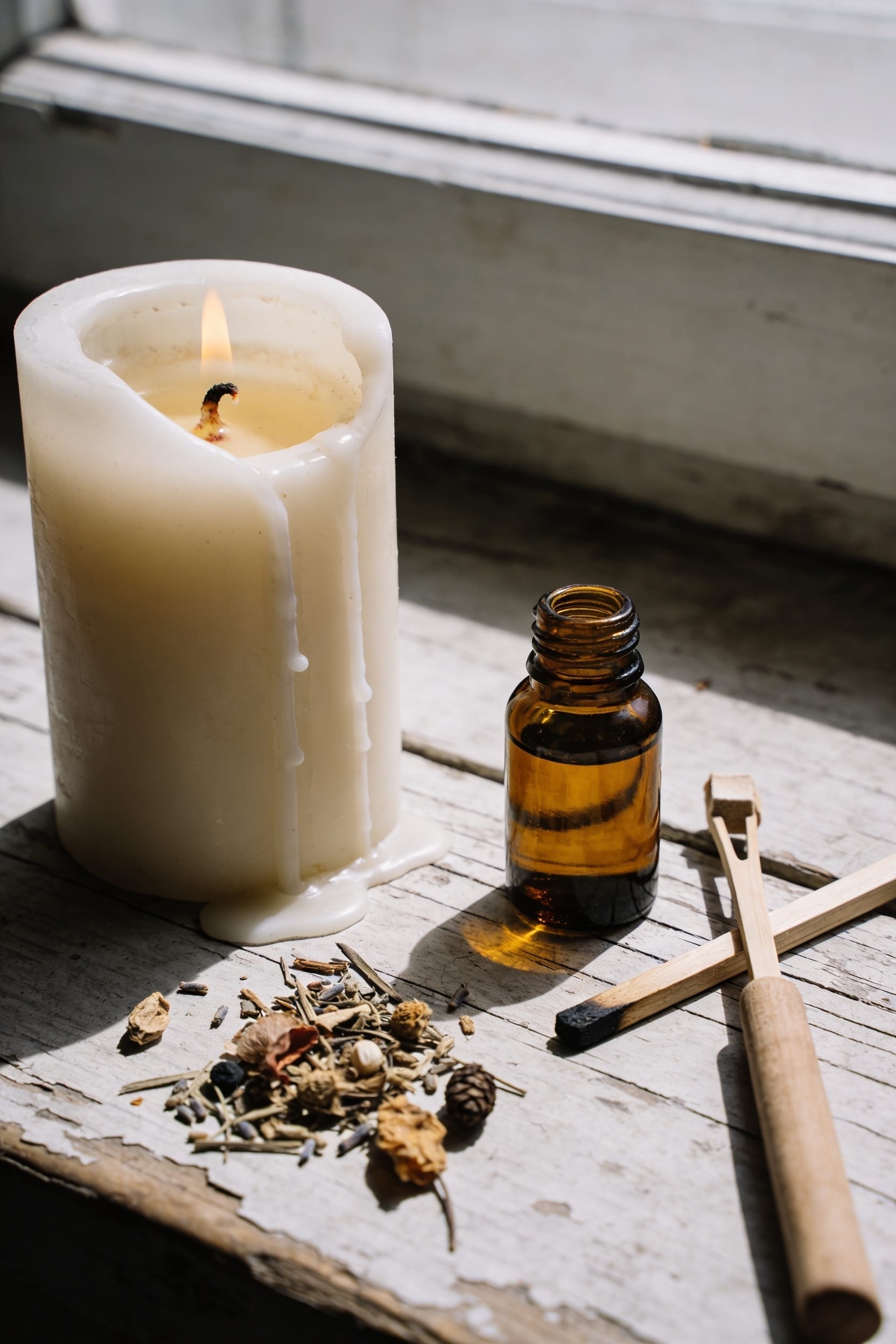
Why Has My Candle Lost Its Scent? Causes & Solutions

Look, your candle’s lost its scent for one of five reasons: you’re burning it wrong, the fragrance didn’t bond properly with the wax, your wick’s the wrong size, the manufacturer cut corners, or you’ve stored it poorly. All right, the fix depends on what went sideways—trim that wick to a quarter-inch, let the wax pool fully, keep it away from light and heat, and avoid drafty spaces. Stick around and I’ll walk you through exactly which culprit’s stealing your scent throw.
Key Takeaways
- Improper wick trimming or tunneling traps wax and fragrance inside, reducing scent throw significantly.
- Fragrance oil and wax may fail to bond if oil was added at incorrect temperature during manufacturing.
- Storing candles in warm, bright spaces accelerates fragrance degradation before you light them.
- Drafty environments disperse scent molecules before they accumulate and build concentration in your room.
- Warm water baths and longer, uninterrupted burn sessions can revive trapped fragrance molecules effectively.
Diagnosis First: Is It Your Candle or Your Burn Technique?
Before you blame the candle, I want you to pause—because here’s the thing: a candle losing its scent midway through its life could be the candle’s fault, sure, but it’s just as likely your burn technique or the environment you’re burning it in.
Let me break down what I’d check first. Is your wick trimmed to a quarter-inch? Are you letting that wax pool fully before relighting? How’s your cold storage—did you keep it sealed away from light and heat? Sometimes scent memory fades simply because the candle wasn’t properly cured beforehand, or because you’re burning it in a drafty space where fragrance disperses before it builds up. These variables matter enormously. Before assuming manufacturing failure, honestly assess your own habits first.
Recommended Products
This is a genuine OEM (Original Equipment Manufacturer) part

Handcrafted solid lead free pewter
Pick Your Favorite Finish: No matter your interior design preference, we have a wick trimmer tailored for you. Choose from Black, Gold, Rose Gold, Silver, Brushed Gold, and Brushed Copper to complement your candles, decor, and gifting style
Why Your Fragrance Oil and Wax Don’t Bond Properly?
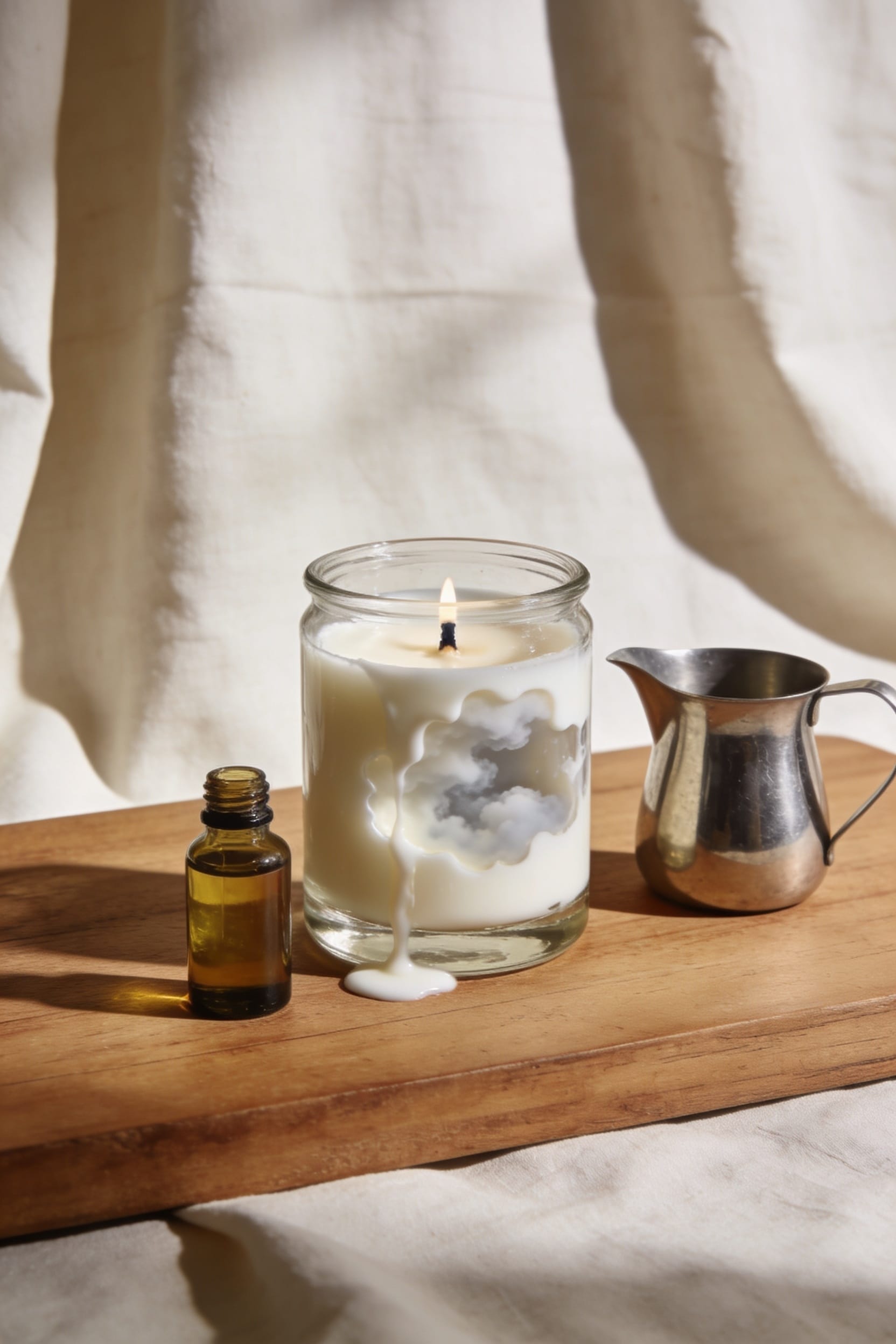
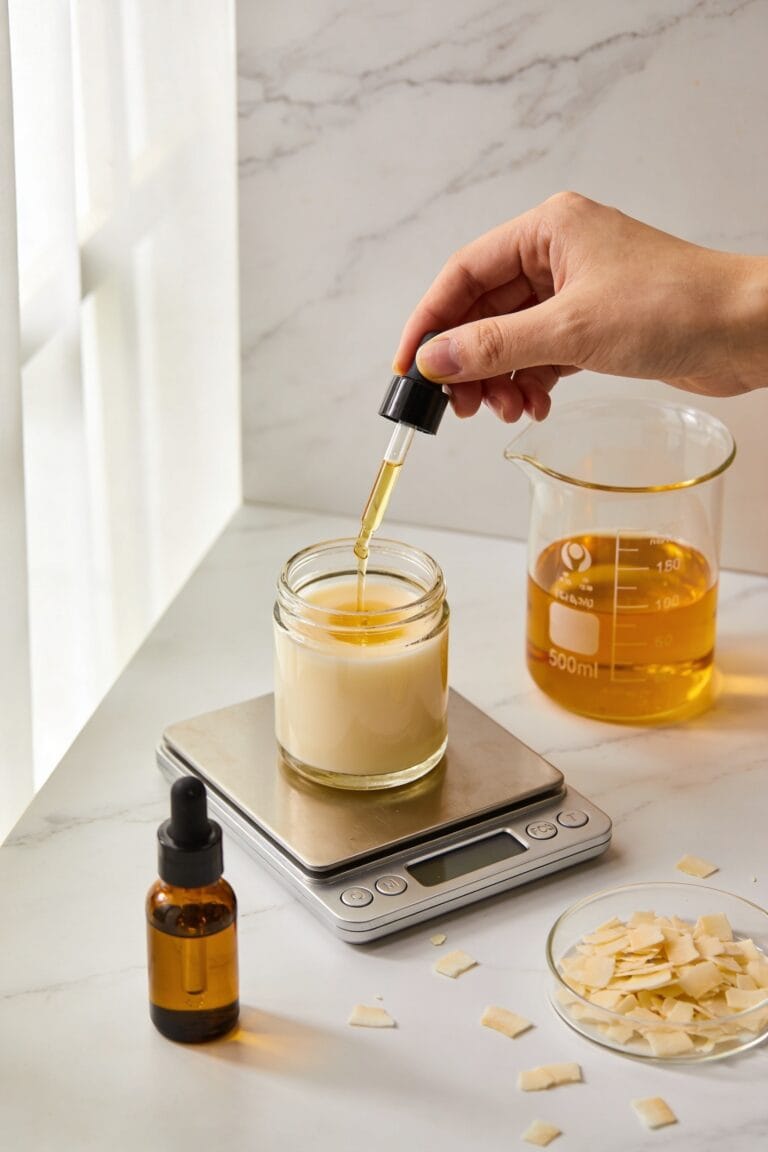
Now here’s where things get technical, but I promise it matters: if your fragrance oil and wax aren’t bonding properly, your candle’s scent performance tanks before you even strike a match. The problem usually comes down to fragrance compatibility—some oils just don’t play nice with certain wax types. Paraffin behaves differently than soy, which behaves differently than coconut wax. You need wax chemistry to work in your favor. If your fragrance was added at the wrong temperature or mixed insufficiently, those oil molecules never properly integrate into the wax structure. They sit on the surface instead, evaporating before your candle even burns. That’s why proper curing time and compatible formulations matter so much—they’re what separates disappointing candles from ones that actually perform.
Recommended Products

SCENT - Chamomile Lavender features lavender with warm & enveloping bergamot. Calming chamomile melts into a heart of eucalyptus to create a feeling of well-being. Smoky patchouli is enhanced by hints of sage & rosemary for a quiet, relaxing finish.
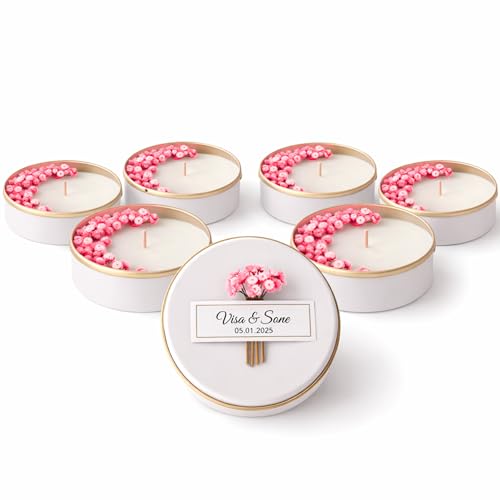
100% NATURAL SOY WAX : Hand-poured in small batches with natural soy wax and premium fragrance oils for a clean and long-lasting burn
![VINEVIDA [128oz] Scent No.1305 Fragrance Oil for Candle Making and Soap Making - Premium Candle Scents for Soy Candles](https://m.media-amazon.com/images/I/31rb+7uzY9L._SL500_.jpg)
HIGHEST QUALITY - Our candle fragrance MADE IN THE USA using pure, natural, and raw ingredients. All VINEVIDA products are vegan, free of phthalates, parabens, and other potentially dangerous chemicals.
Wick Problems That Kill Candle Scent Throw
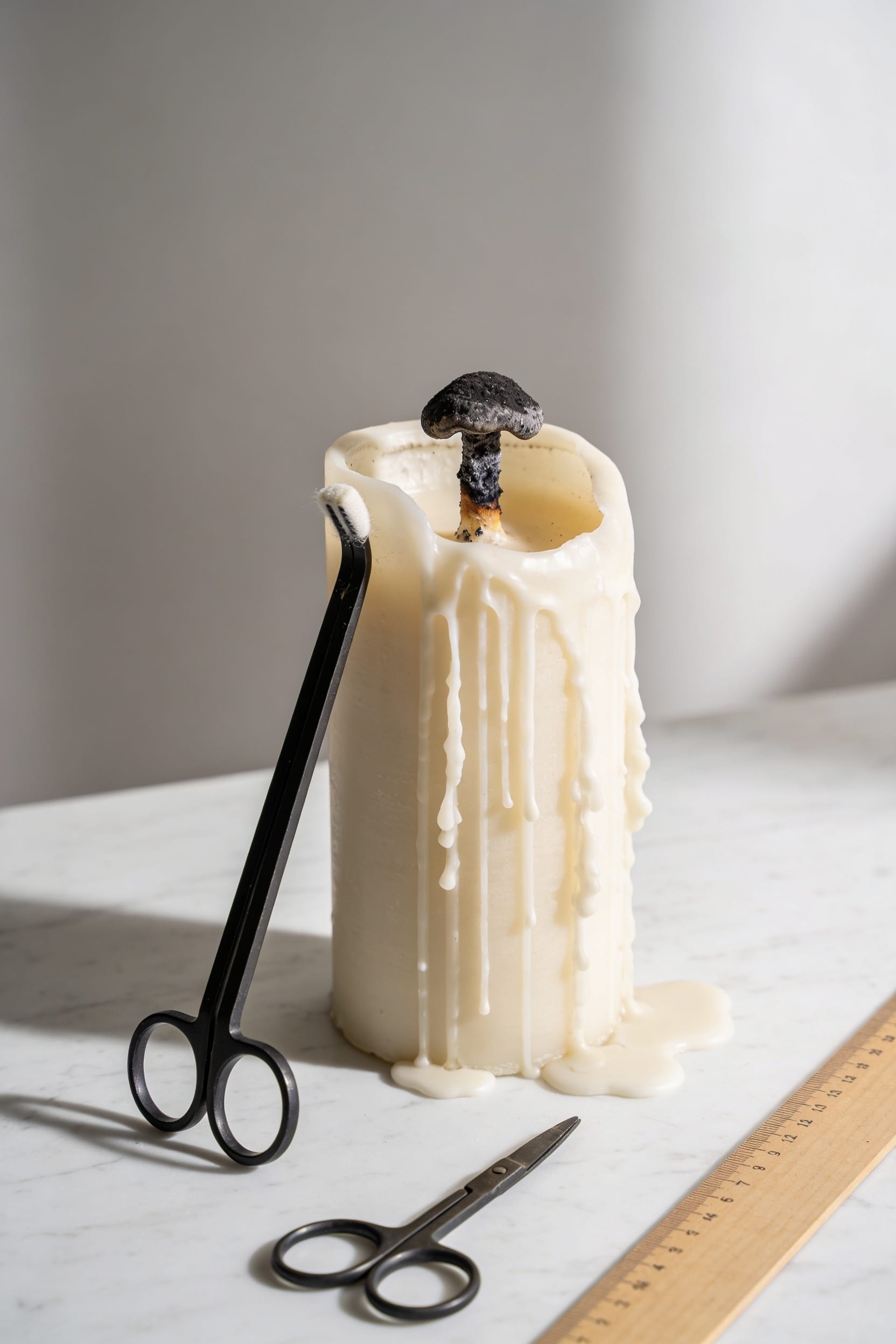
Your wick is probably sabotaging your scent throw, and you might not even realize it. Here’s the thing: wick size directly controls burn temperature, which determines whether fragrance molecules release or burn off completely. Too small, and you’ll get tunneling—that annoying hole down the middle that leaves wax untouched and scent trapped. Too large burns hot enough to destroy delicate scent compounds before they even diffuse into your room.
Uneven trimming matters more than you’d think. I’d recommend keeping yours at a quarter-inch; longer flames waste fragrance and create soot. Draft control also plays a role. Airflow from vents or open windows disperses scent before it builds up. Your wick choice determines everything about performance.
Recommended Products

Complete Wick Bundle (6 Sizes) – Includes one 33' roll each of 3/8", 1/2", 5/8", 3/4", 7/8", and 1" widths

Avoids a spray of wax or exessive smoke by blowing out your candles

Manufacturing Mistakes That Weaken Fragrance
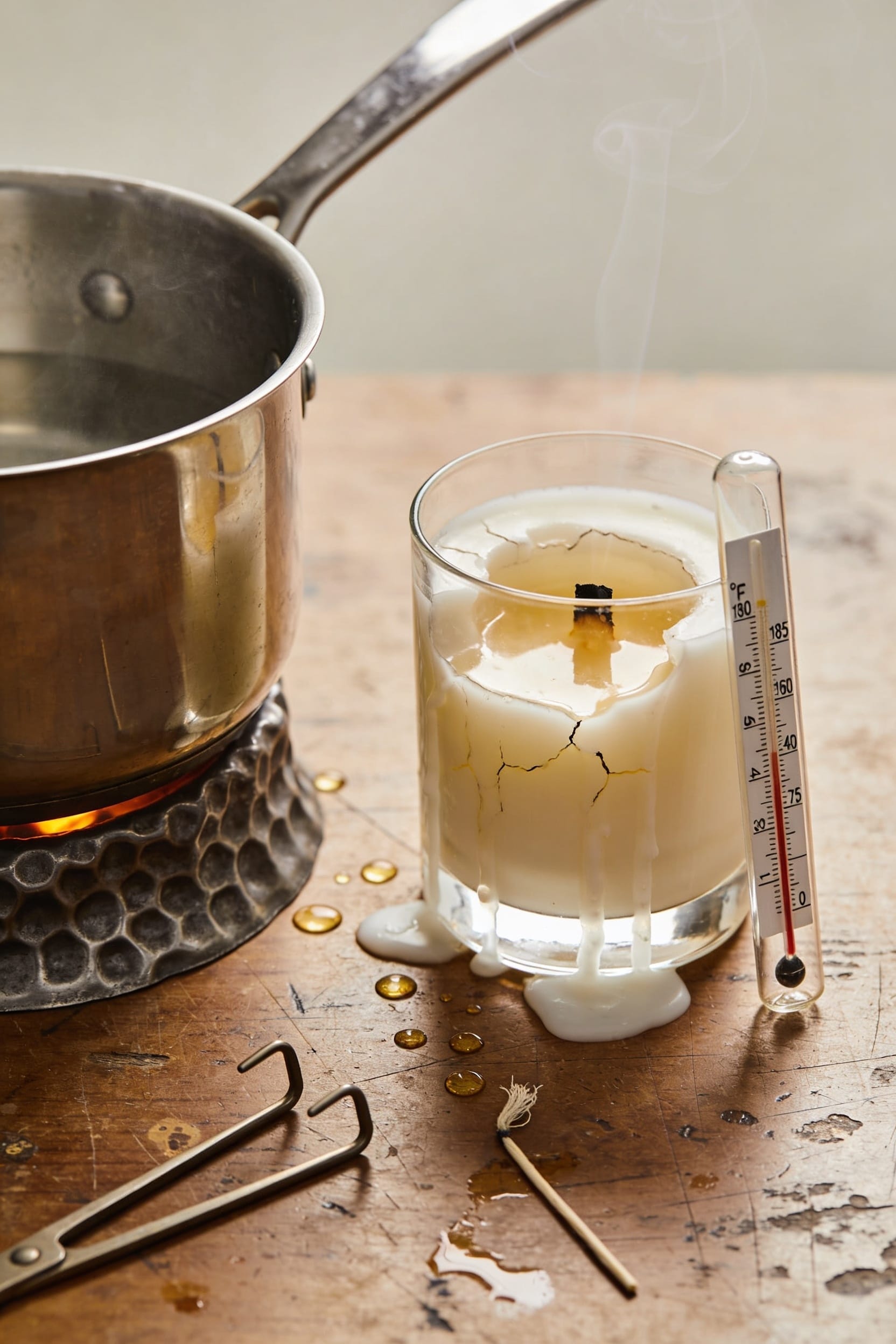
When fragrance oil meets hot wax at exactly the wrong temperature, it’s like watching a relationship fall apart before it even starts—the molecules just won’t bond properly, and you’re left with scent that either never releases or burns off in the first five minutes. Now, fragrance degradation happens faster when manufacturers skip critical steps. Insufficient mixing means your fragrance settles unevenly throughout the wax instead of dispersing uniformly. Quality control lapses let expired oils slip through. Loading too little fragrance—below what I’d estimate around 6-10%—creates that disappointing, barely-there throw you’re experiencing. I’ve made these mistakes myself. The fix? Source candles from makers who document their process and use fresh, quality-tested oils added at proper temperatures with thorough mixing.
Recommended Products

100% Pure Beeswax Candle: Hand-poured from naturally filtered beeswax for a rich, golden glow. These clean burning candles are free from paraffin, soy, and synthetic fragrances. Each 1-wick dripless pillar candle features natural cotton candle wicks and pure candle wax for a long-lasting burn and warm, cozy candle light.

MASSIVE 8" × 14" LUXURY CANDLE – 300 OZ OF NATURAL COCONUT SOY WAX Make a statement with this Classic Big Ass Candle—our largest candle. This luxury candle delivers bold presence, elegant style, and room-filling fragrance. Perfect as a centerpiece for living rooms, great rooms, and upscale spaces.
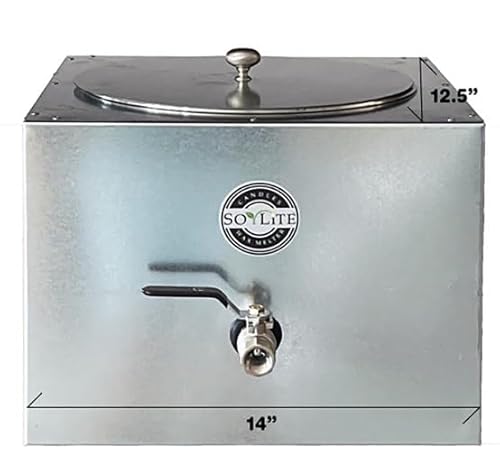
Profeshional wax melter for candle making, Effortlessly make large batches candles . No more messing with temperature control. This new wax melter automatically keeps wax around 180 to 190 degrees. Just simply add wax and turn on. If you are running a small business or handling a big custom order? SoyLite will help save you time.
Revive Weak Scent and Stop It Fading Again
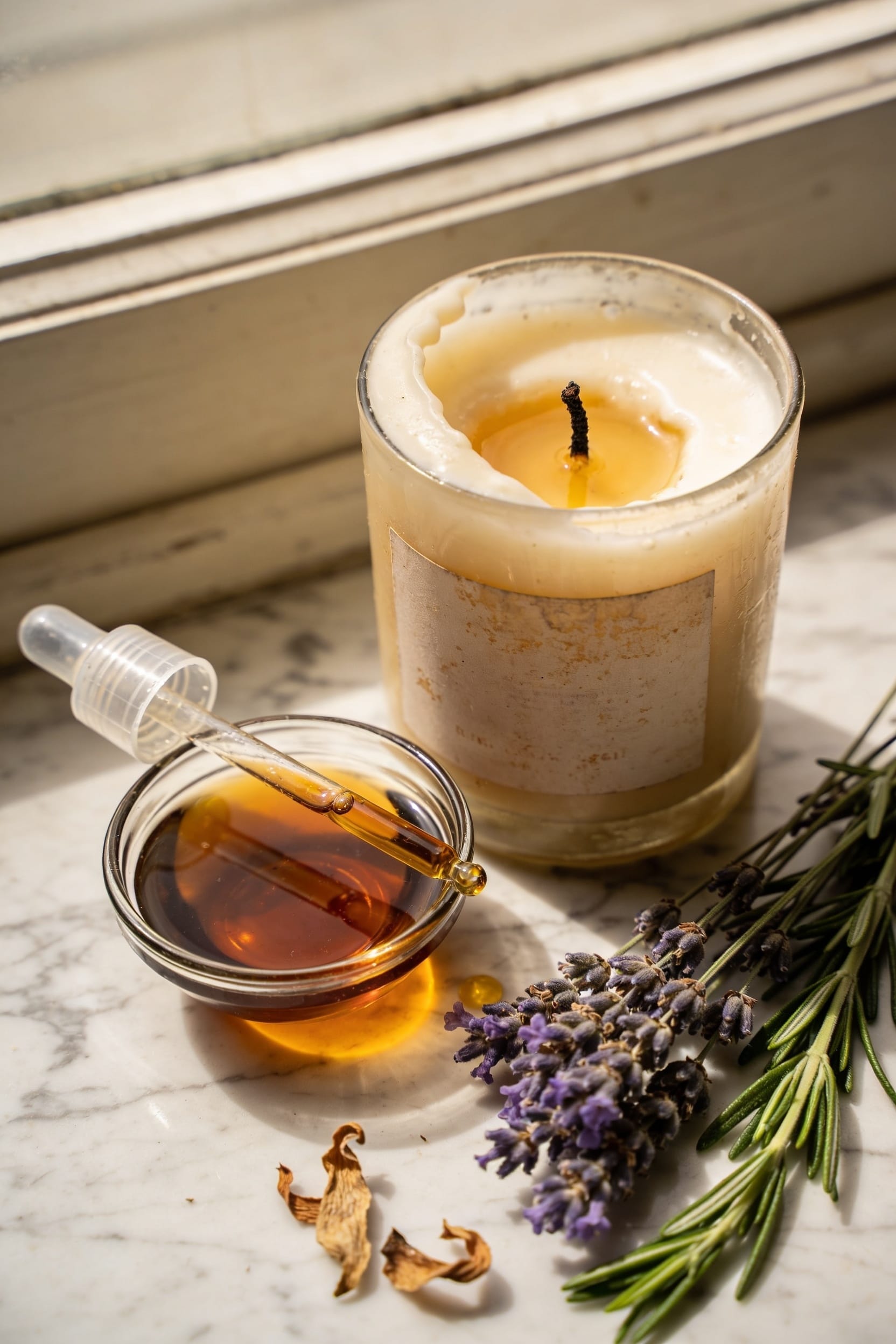
Rescue a fading candle with a warm water bath—place the jar in hot (not boiling) water for five to ten minutes, and those trapped fragrance molecules that got stuck in the wax during a botched cure or uneven burn will start to release again. This heat therapy effectively gives your candle a second chance at proper scent distribution.
Now, to prevent fade from happening again, focus on scent layering during future burns. Light your candle for longer sessions—aim for a full melt pool—so fragrance builds gradually throughout the room rather than dissipating in bursts. Keep that wick trimmed to a quarter inch, too. Store unlit candles in a cool, dark spot away from direct sunlight. These steps lock in longevity and keep your scent throwing strong.
Recommended Products

Dust with damp cloth. Will not tarnish

Perfectly trims wicks to maintain optimal candle burn

1" x 33' Cotton Flat Wick (2 Pack) – Two long rolls for large oil lamps & lanterns
Frequently Asked Questions
Can Nose Fatigue Make My Candle Seem Unscented Even When It’s Actually Working?
Yes, absolutely. Your nose adapts to constant scents through olfactory adaptation, making my candle seem unscented even though it’s actively working. I’d notice the fragrance returns after I leave the room briefly.
Does Room Size and Airflow Affect How Strong My Candle’s Scent Throw Is?
Yes, absolutely. I’ve found that larger room dimensions weaken your candle’s scent throw markedly. Ventilation patterns from vents or windows disperse fragrance before it builds up, making even quality candles seem unscented.
How Long Should I Let My Candle Cure Before Burning It for Best Results?
I’d recommend curing your candle for 24-48 hours before burning. This curing timeframe allows fragrance saturation, letting scent molecules properly bond with the wax for peak performance and longer-lasting throw.
Can Storing My Candle Uncovered Cause It to Lose Fragrance Over Time?
Yes, I’d strongly recommend covering your candle. Storing it uncovered exposes it to open air, causing scent evaporation and exposure damage. The wick can degrade too, compromising fragrance performance when you finally burn it.
Will a Warm Water Bath Really Help Revive a Candle’s Fading Scent Throw?
Yes, I’ve found that dunking your candle in warm water—ironically the opposite of what seems safe—actually works. The heat releases trapped fragrance molecules, revitalizing scent throw through fragrance revitalization that’ll surprise you.
Conclusion
I’ve walked you through diagnosis, bonding issues, wick problems, manufacturing flaws, and revival strategies. You’ve learned to test your technique, check your fragrance ratios, inspect your wick, question your supplier, and reclaim what you’ve lost. Now you’re armed—not just with fixes, but with the knowledge to prevent this frustration next time. Your candles’ll smell like they’re supposed to.