As an Amazon Associate, we earn from qualifying purchases. Some links on this site are affiliate links at no extra cost to you. Our recommendations are based on thorough research and editorial judgment.

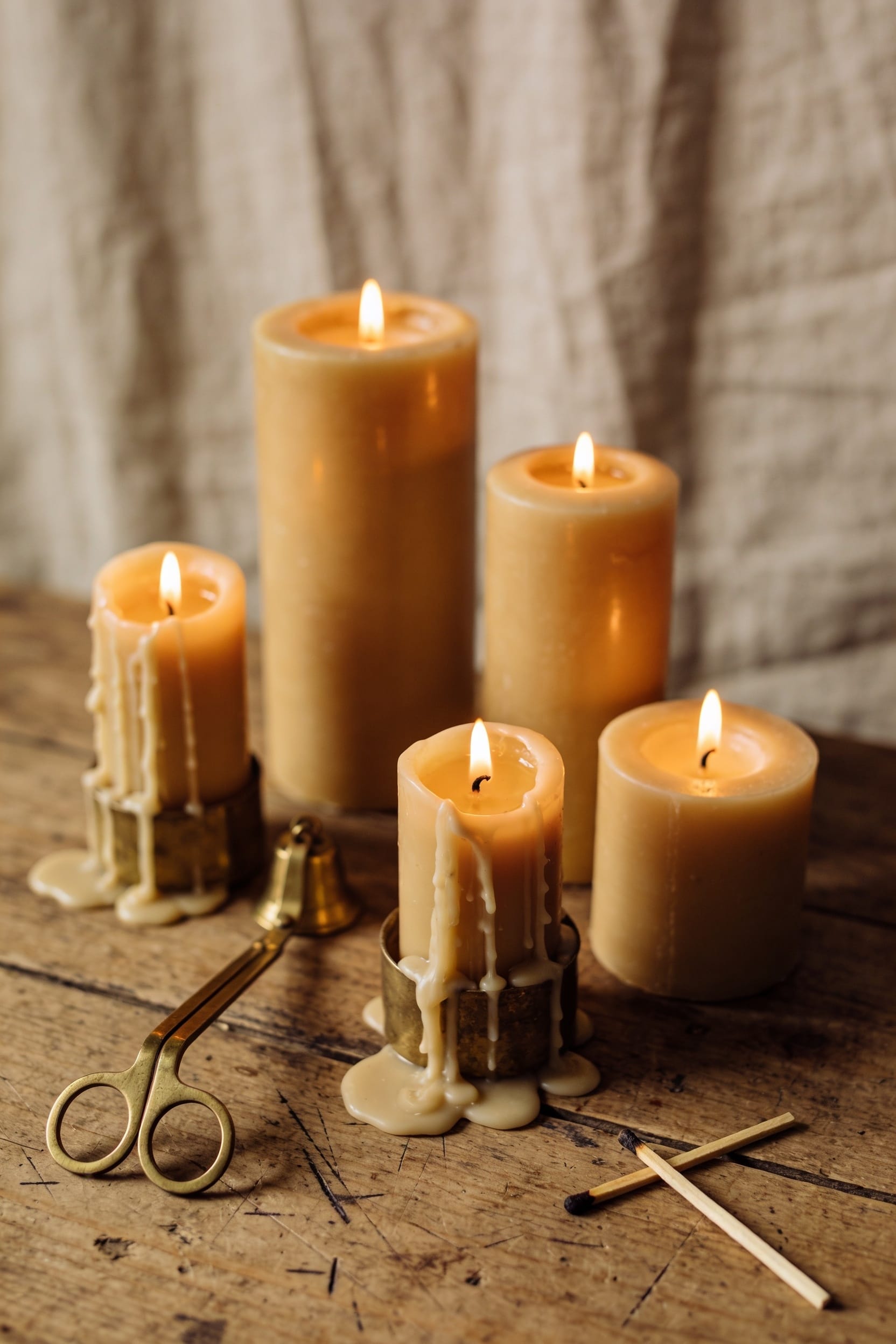
How Long Do Candles Last? Complete Burn Time Guide

All right, here’s the thing: candle burn time comes down to three core factors—wax type, size, and how you actually use it. A 12-oz soy candle might burn 36–48 hours, while the same weight in paraffin gives you maybe 20–30. But honestly? That first burn matters most. Skip the full melt pool and you’ll tunnel straight into wasted wax. Wick trimming, room temperature, and whether drafts are playing havoc with your flame all shift those numbers around too, which is why I track my candles obsessively—and why the specifics ahead might surprise you.
Key Takeaways
- Candle burn time varies by type: tealights last 2–6 hours, while container candles burn 20–100 hours depending on size and composition.
- Candle mass is the primary predictor of burn time; a 200g jar burns roughly 40–55 hours versus a 300–400g jar’s 60–90 hours.
- Wax type significantly impacts efficiency; soy wax burns slower than paraffin, extending burn time by 15–30 hours for identical weights.
- Proper burning technique prevents wasted hours; first burns require 1 hour per inch of diameter, and regular trims to ¼ inch prevent tunneling.
- Track burn rates by measuring weight loss over fixed intervals and recording room conditions to refine estimates and identify individual candle patterns.
How Long Do Different Candle Types Actually Burn?
All right, here’s what I’ve learned after burning through way too many candles: burn time isn’t some mysterious thing locked away in a manufacturer’s vault. Tealights give you 2-6 hours of quick ambiance. Votives stretch to 7-15 hours in their snug holders. Now, pillar candles? They’re the marathon runners—20-60 hours depending on diameter. Container jar candles beat them all, hitting 20-100 hours based on size and wick count.
Here’s the thing: wax type matters tremendously. Soy burns slower than paraffin, which affects both scent longevity and color fading over time. A 12-ounce soy blend gives you 36-48 hours, while paraffin only manages 20-30. Coconut-apricot blends are champions at 75-85 hours. I’ve found that understanding your candle’s specific composition helps you set realistic expectations before you light it.
Candle Size and Weight: The Primary Burn Time Factor
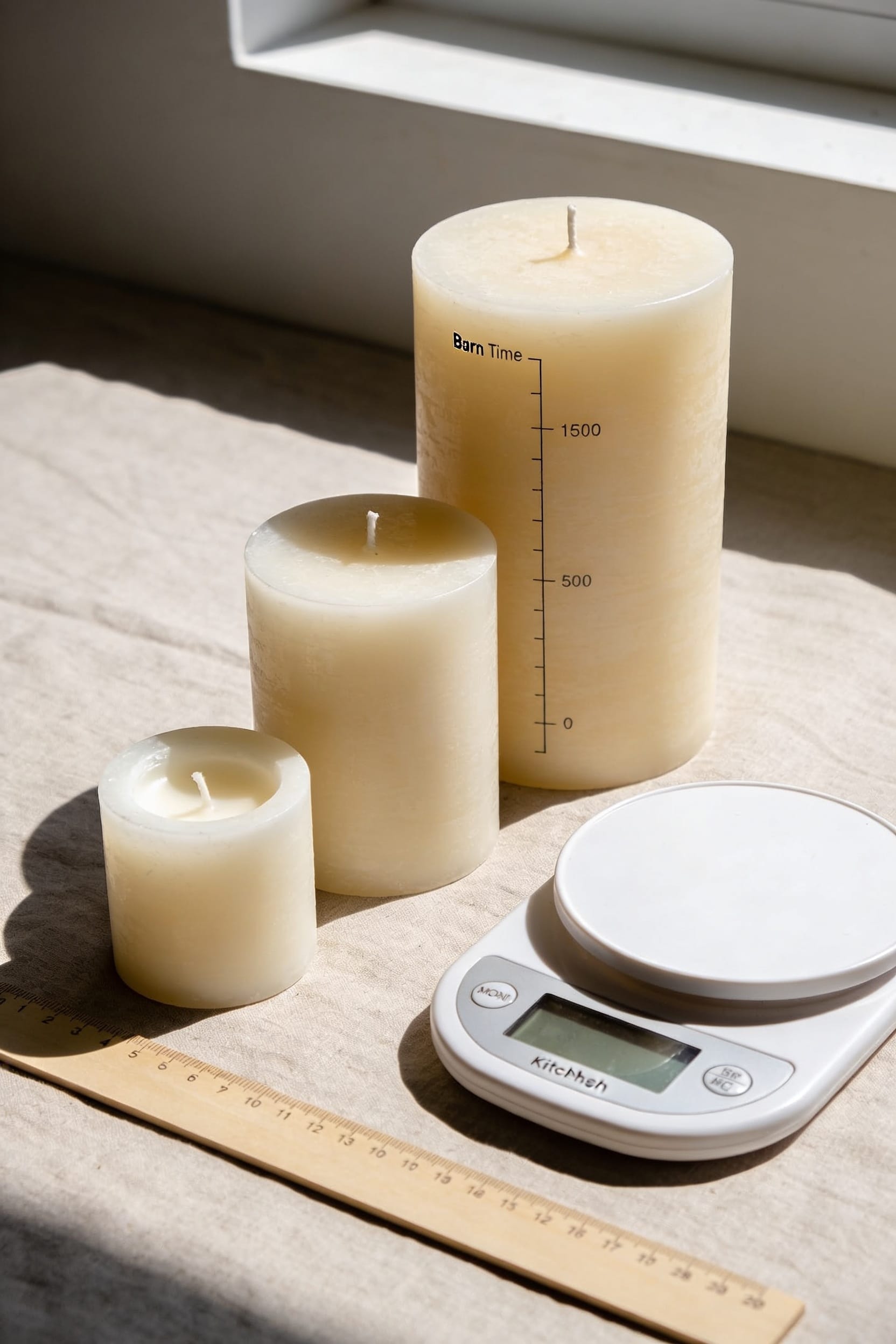
Most candle burn times come down to one simple truth: bigger candles burn longer, and the relationship between weight and hours is surprisingly predictable once you know what you’re looking at. Here’s the thing—candle mass directly determines burn density, which is just a fancy way of saying how long that wax will actually last you.
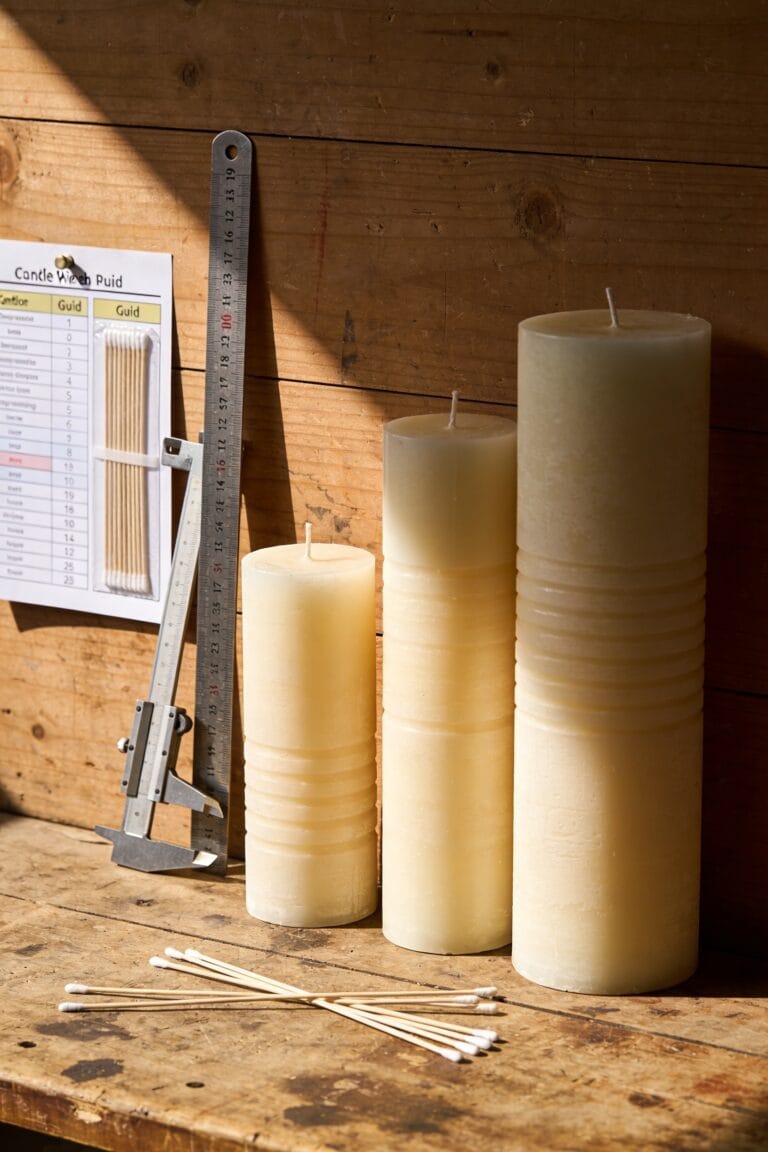
A small 100-150g jar gives you roughly 20-30 hours. Jump to a medium at 200-250g, and you’re looking at 40-55 hours. Large jars (300-400g) stretch to 60-90 hours. The math works because heavier candles have more fuel to consume at a consistent rate.
Now, weight alone doesn’t tell the whole story—wax type matters too. But when you’re comparing apples to apples, that candle mass is your most reliable predictor of longevity.
Recommended Products

LUXURY DESIGN: Hand-blown glass vessel featuring sophisticated marble-like patterns in refined colors, making each piece uniquely beautiful

Fine fragrances containing a high dose of natural ingredients can be subject to slight variations; In the same way wines vary from year to year, so can perfume; This is a natural occurrence and something that gives life to the perfume; If you're hesitant or unhappy with your purchase, we will gladly assist you
HANDMADE IN SPAIN: The highest-quality pieces handcrafted in Valencia, in the only LLADRÓ factory in the world. A team of expert artists and designers keep alive ancestral trades and techniques to turn porcelain into dreams. Sculptors, ornamenters, technicians, painters are all involved in the craftsmanship process... An endless number of hands that, one by one, leave their mark, an almost imperceptible imprint, making each artwork UNIQUE and EXCLUSIVE.
How Wax Type Affects Candle Burn Time
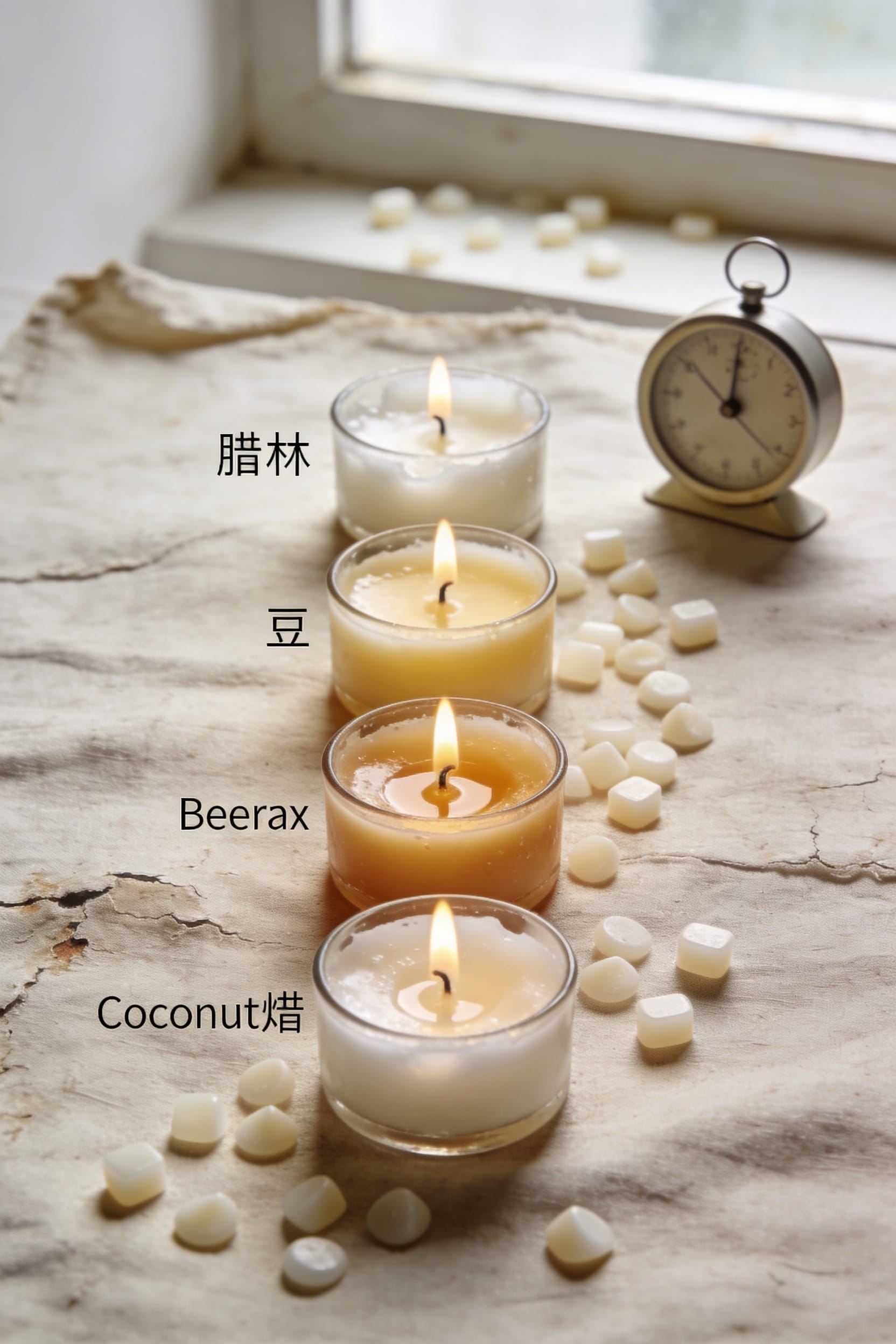
While weight tells you how much fuel you’re working with, wax type is what actually determines how efficiently that fuel burns—and I’ve learned this the hard way by watching a cheap paraffin candle tunnel out in three hours flat. Here’s the thing: soy wax gives you roughly 45-60 hours from 200g, while that same weight in paraffin? Maybe 20-30 hours tops. Coconut-apricot blends are the overachievers, burning 75-85 hours from just 12oz. Your wax composition matters because it affects melt point, scent load capacity, and how evenly the candle liquefies. Soy holds fragrance beautifully without racing through your candle. Choose wisely, and you’re not just buying burn time—you’re investing in a better experience.
Why Your Candle Burns Out Fast: Tunneling and Poor Setup
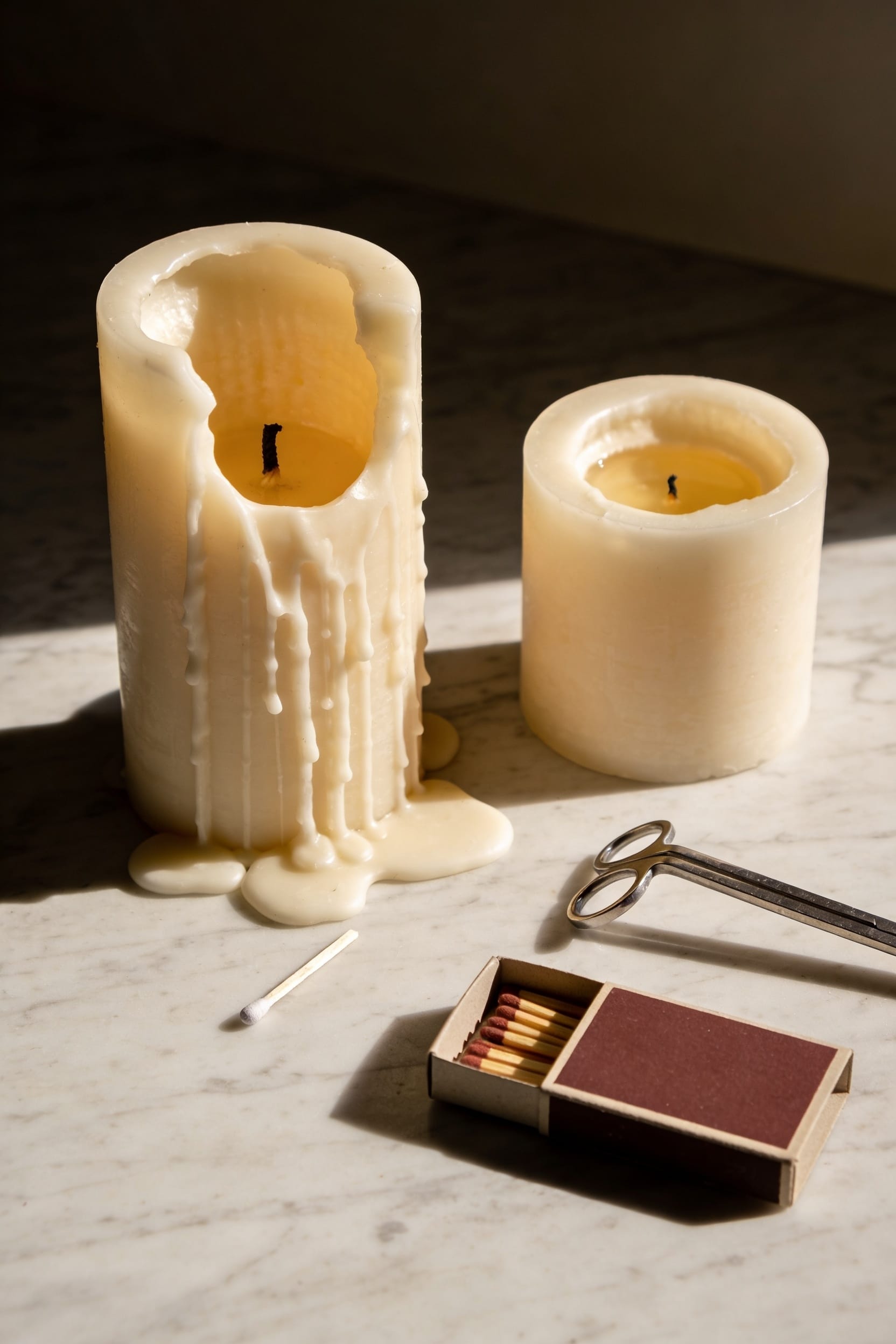
Now here’s where most people’s burn time estimates go sideways—you can buy the best soy wax on the market, but if you’re not burning your candle correctly, you’re leaving money on the table. Tunneling happens when your candle burns down the middle while wax builds up around the edges. I’ve watched it happen countless times, and it’s usually because you’re doing short burns. Follow the 8:10 rule: burn one hour per inch of diameter. Your container size matters too—larger candles need longer sessions to melt the wax pool completely. Watch for wick clogging from carbon buildup, which restricts oxygen and creates tunneling. Trim that wick to quarter-inch, burn for 2-4 hours minimum, and you’ll reclaim those lost hours.
The 8:10 Rule: Why Your First Burn Matters Most
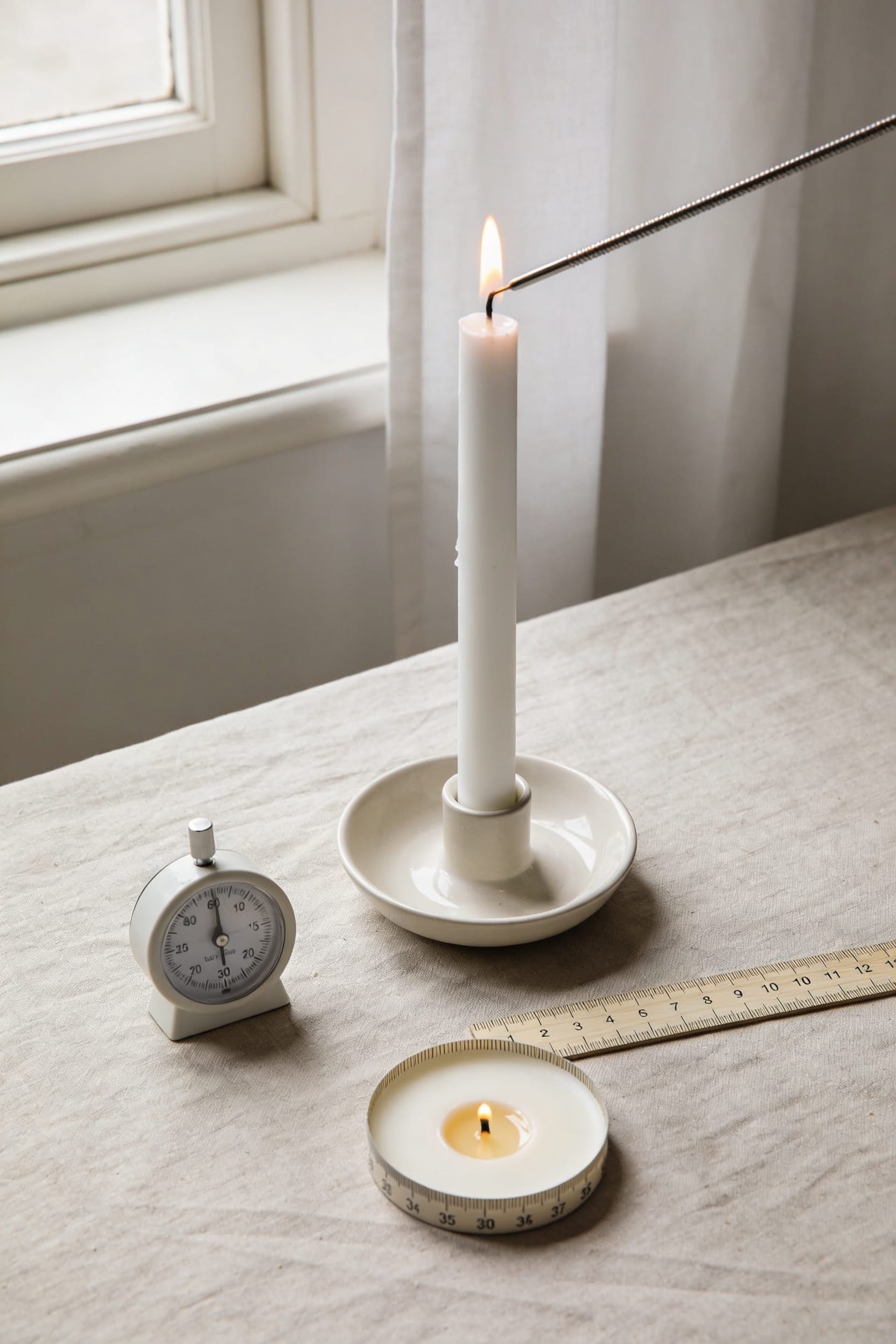
When you light a candle for the first time, you’re fundamentally setting the tone for every burn that follows—and I can’t stress this enough because I’ve ruined plenty of expensive candles by skipping this step. Here’s the thing: the 8:10 rule means burning your candle one hour per inch of diameter. This matters because during that first burn, you’re allowing the melt pool to form completely across the entire edge, preventing tunneling down the center. I learned this the hard way with pillar candles that burned straight through the middle while the outer wax remained pristine. That initial burn session establishes how efficiently your candle will perform for its entire lifespan. Get it right from the start, and you’ll maximize every hour.
First Burn Mistakes That Waste Hours of Burn Time
Because you’re excited about that new candle, you’ll light it for thirty seconds, blow it out, and think you’ve done your duty—and that’s where most people start hemorrhaging burn time before they even realize it’s happening. Short burns create tunneling, where wax pools unevenly and wastes precious hours. Improper trimming compounds this problem; a wick that’s too long mushrooms and creates soot while burning too fast. Then there’s fragrance overload—pouring extra scent into your wax thinking it’ll make things better actually interferes with an even melt. You’re basically sabotaging your own candle before it’s barely started. Give that first burn a solid 1-2 hours minimum, trim your wick to a quarter inch, and let the melt pool reach the edges. That’s when the magic happens.
Wick Maintenance: The Simplest Way to Extend Burn Life
Most candle lovers totally overlook wick maintenance, and that’s honestly the biggest missed opportunity for extending your burn time—because a well-trimmed wick is the difference between a candle that burns evenly for its full potential and one that’s gutting itself with excess soot and rapid fuel consumption.
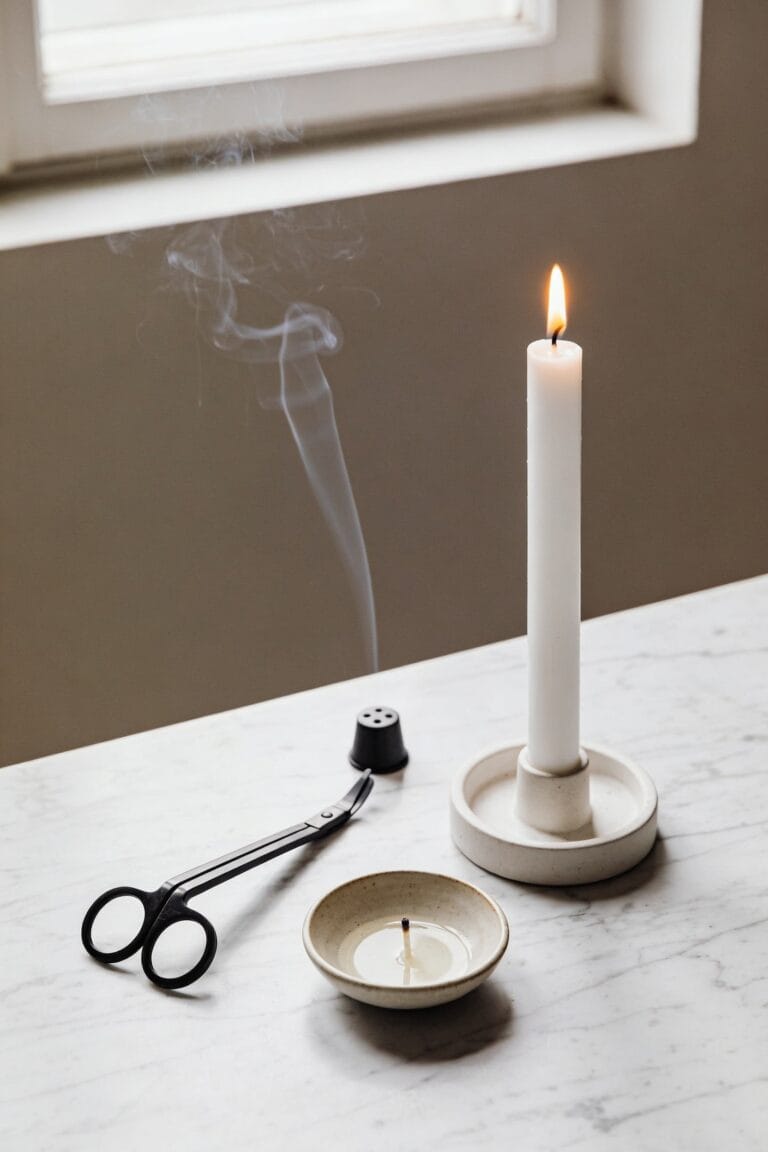
Here’s the thing: trim your wick to about a quarter-inch before every burn. I know it sounds fussy, but wick trimming prevents mushrooming and keeps your flame from getting too tall and hot. Combine that with wick centering—making sure it stays positioned dead-center in your candle—and you’re stopping tunneling before it even starts.
These two habits alone? They’ll add hours to nearly any candle you own.
Recommended Products

EXTEND THE LIFE OF YOUR CANDLE: Wick trimmers are a must-have precision tool to properly care for your candle. Our stainless steel wick trimmers use a patented design that allows you to trim your wick and catch the debris with one snip.

AUTOMATIC SNUFFING & WICK TRIMMING: Extinguishes flame and trims wick simultaneously for optimal future burn. The Candle Keeper replaces your candle snuffer and wick trimmer with one elegant tool.

Elegant Candle Accessories Ki: The elegant 5 in 1 candle care kit Including a candlewick scissors, a candle snuffer, a candle wick dipper, electric candle lighter and candle tray, a gift velvet pouch, a box.
How Diameter, Drafts, and Multiple Wicks Change Burn Time
Now that you’ve got your wick trimmed and centered, here’s where things get more interesting—because the actual shape and setup of your candle matters just as much as how you’re maintaining it. A wider diameter candle needs longer burn sessions to establish a full melt pool, following that 1-hour-per-inch rule. That’s where wick placement becomes essential; improper positioning disrupts airflow dynamics and creates uneven melting. Multiple wicks in large candles actually extend your total burn time by distributing heat more evenly across the surface. Drafts, though? They’re a silent killer. Even a subtle air current causes uneven burning and reduces your candle’s lifespan. Position your candle away from windows and vents. These factors work together, not separately.
Why Curing, Room Temperature, and Air Quality Sabotage Burn Time
While you’ve been diligent about wick trimming and positioning your candle away from drafts, there’s a whole invisible layer of variables that I didn’t fully appreciate until I started tracking my own burns—and I’m betting you haven’t either. Cure time matters more than I initially thought. Fresh candles don’t perform as well as ones that’ve sat for a week or two; the wax needs time to fully set and bind with fragrance. Room temperature plays a sneaky role too—cold rooms slow burn rates, while warmer spaces accelerate them. Then there’s air quality. Poor ventilation creates carbon buildup on your wick, causing uneven flames and reduced longevity. You’re not just burning wax; you’re burning an entire ecosystem.
Estimating Remaining Burn Time: Quick Methods and Calculations
Once you’ve burned through half your candle (or what feels like half), the question becomes less about how long it’ll last in theory and more about how long it’ll actually last in your specific setup—and that’s where things get practical.
Here’s the thing: divide your remaining wax weight by what you’ve burned in the last 2–3 hours, then multiply that rate by your candle’s hours so far. It’s not rocket science, but it works. You’ll get a realistic number accounting for your ambient scent strength, room temperature, and draft patterns—factors that matter way more than any manufacturer’s estimate.
Keep notes in an emergency kit of sorts: jot down burn rates by candle type. You’ll spot patterns fast.
Frequently Asked Questions
Can I Safely Burn a Candle for More Than 4 Hours Continuously?
I wouldn’t recommend burning your candle continuously beyond 4 hours. You’ll want to observe safety intervals between sessions and trim your wick regularly to prevent overheating and guarantee even burning.
How Do I Know When a Candle Is Completely Burned Out and Unusable?
I’ve watched countless candles flicker their final moments. You’ll know yours is done when the wick crumbles into ash, the container’s blackened, and only a hardened wax pool remains—it’s won’t relight anymore.
Does Burning a Candle in Different Rooms Affect Its Total Lifespan?
Yes, I’ve found room placement markedly impacts your candle’s lifespan. Different air flow conditions in various rooms cause uneven burning and drafts, which reduce total burn time and create tunneling that wastes precious wax.
What’s the Best Way to Store Candles to Preserve Their Burn Time?
I’d store your candles in a cool, dark place with climate control to prevent wax warping and fragrance loss. I’d use a labeling system tracking purchase dates and burn times, ensuring you’ll maximize their lifespan effectively.
Can I Reuse Leftover Wax From Burned-Out Candles for New Candles?
Yes, you can absolutely reuse leftover wax! I’d recommend melting it down for recycled tarts or blending it into new scented blends. Just make sure you’ve removed all wick remnants and debris first for the cleanest results.
Conclusion
Look, I’ve learned that a standard 8-ounce candle burns roughly 40-50 hours if you treat it right. That’s nearly two full days of continuous flame from something sitting on your nightstand. Pretty wild, right? The real takeaway here is that you’re totally in control of those hours. Master that first burn, trim your wick, skip the drafts, and you’ll squeeze every bit of life from your candle. You’ve got this.