As an Amazon Associate, we earn from qualifying purchases. Some links on this site are affiliate links at no extra cost to you. Our recommendations are based on thorough research and editorial judgment.

Candle Fragrance Load: How Much Is Too Much? Explained

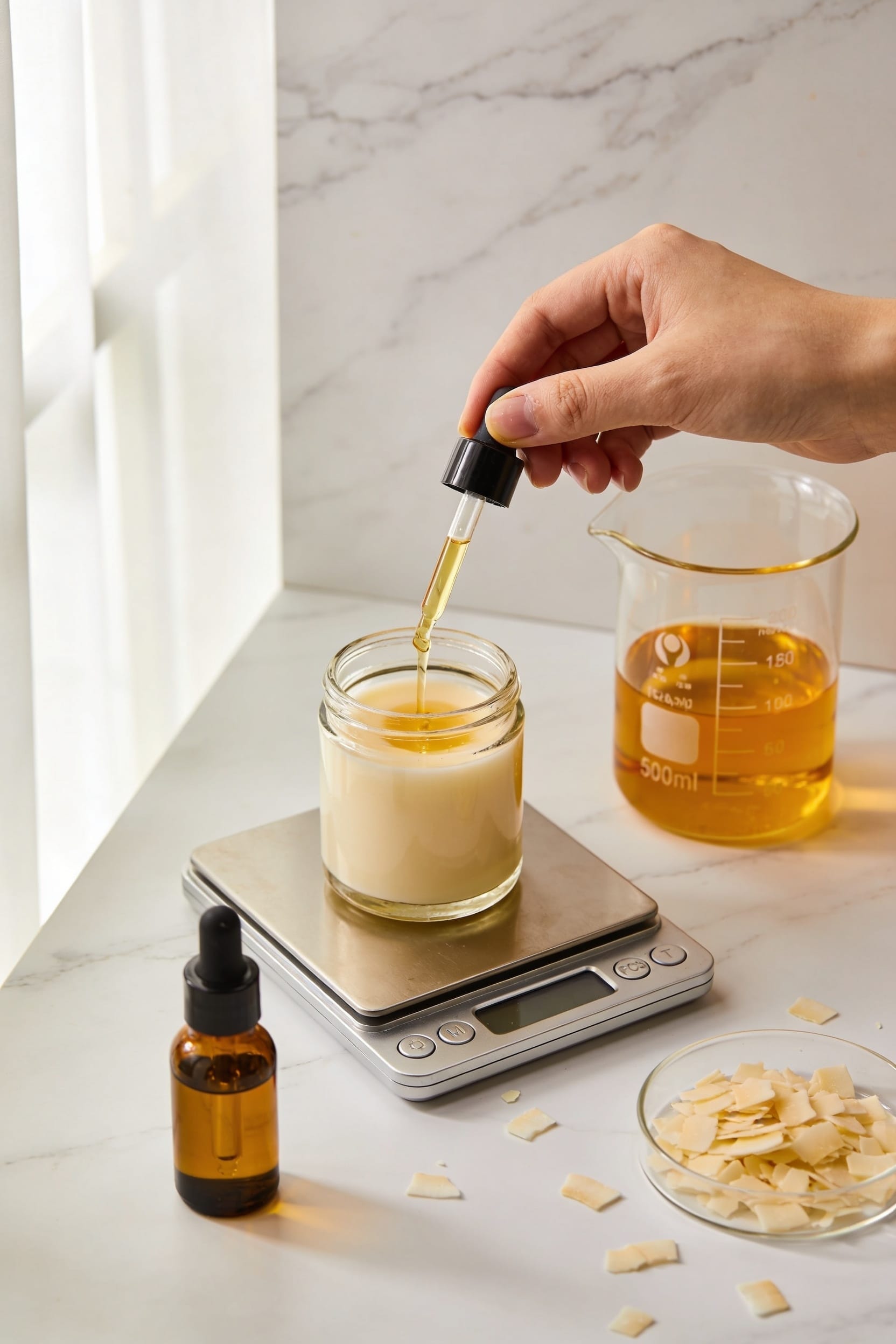
All right, here’s the thing—fragrance load is the maximum percentage of scent oil your wax can actually hold without sweating, clogging, or performing like a dud. Most waxes max out around 6–12% depending on the type, and exceeding that capacity gives you an oily mess instead of a strong throw. I’ve made plenty of heavily scented candles that proved more fragrance doesn’t equal better performance. Stick to your wax’s guidelines, measure by weight, and you’ll nail both scent and stability every time.
Key Takeaways
- Fragrance load is the maximum percentage of fragrance oil wax can hold without performance failure.
- Typical safe ranges vary by wax type: soy and coconut at 10–12%, paraffin at 6–10%, beeswax at 3–6%.
- Overloading causes oily residue, wick clogging, poor burn performance, and reduced scent throw despite more fragrance.
- Calculate fragrance amount using: wax weight × fragrance load percentage; beginners should start at 6%.
- Test in small batches, cure properly for 24–48 hours, and stick to wax-specific guidelines for best results.
What Is Fragrance Load and Why It Matters
Look, fragrance load is one of those things that sounds more complicated than it actually is, but understanding it’ll save you from some genuinely frustrating candle-making mistakes. Fundamentally, it’s the maximum percentage of fragrance oil your wax can hold without falling apart—literally. I’m talking 6-12% by weight, depending on your wax type. Here’s why it matters: nail your fragrance load and you get strong scent throw with a stable candle. Exceed it and you’re watching oily residue pool on the surface while your wick clogs. The scent chemistry behind this is straightforward—wax molecules can only bind so much fragrance before they saturate. Following market trends toward premium soy and coconut blends means you’ve got more capacity, but that’s only useful if you’re calculating accurately by weight, not guessing.
How Much Fragrance Each Wax Type Can Hold
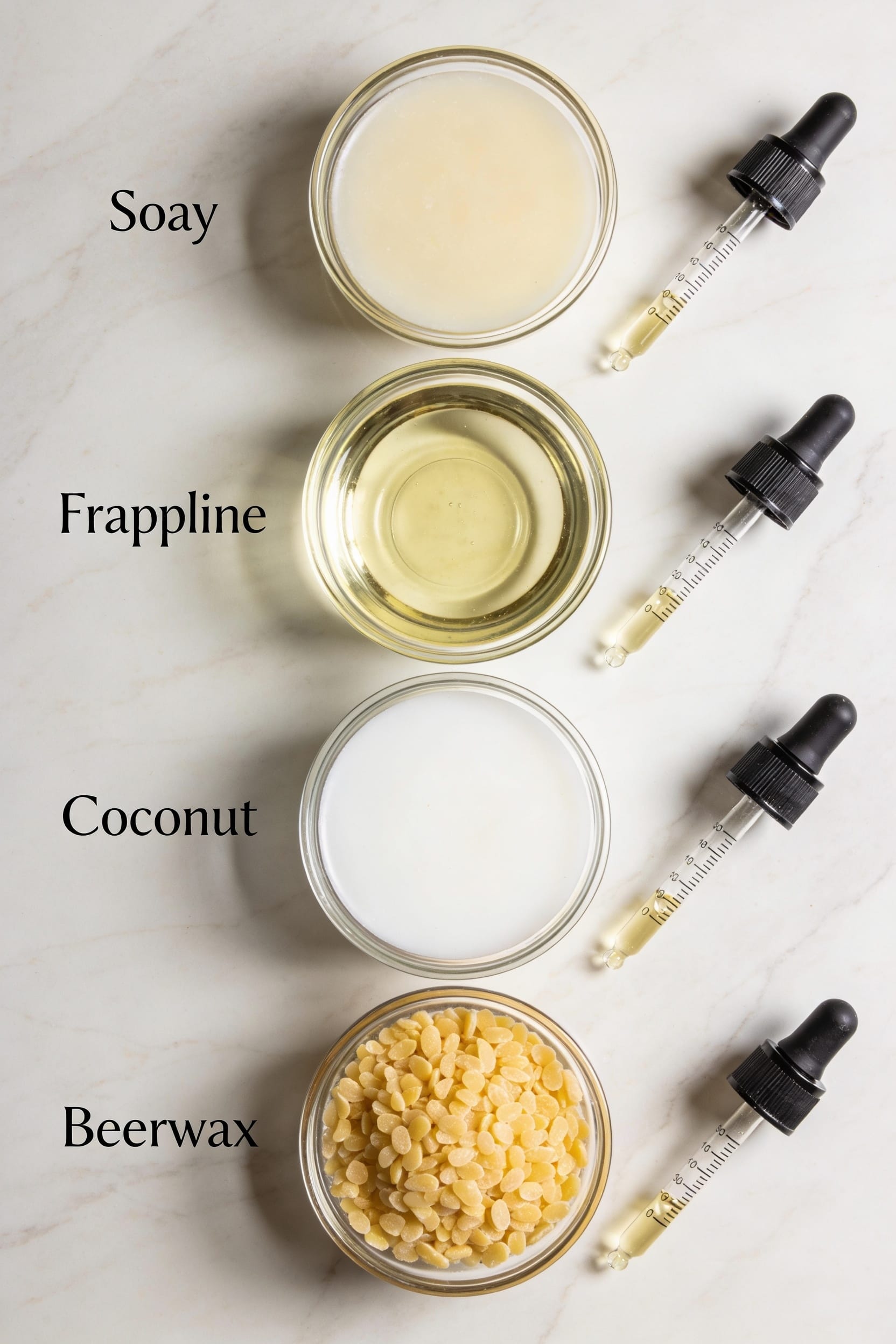
Now that you know fragrance load matters and why it matters, you’re probably wondering: what’s my actual limit with the wax I’m working with? Here’s the thing: different waxes have different appetites for fragrance oil, and respecting those limits is vital for wax compatibility and scent longevity.
Soy wax typically maxes out at 10-12%. Coconut wax can handle 8-12% for that strong throw you’re after. Paraffin’s more modest—stick with 6-10%. Beeswax? Keep it between 3-6%; it’s just not a fragrance powerhouse. Blended waxes like soy-coconut hybrids hit that sweet 10-12% range.
I’m not going to pretend there’s one magic number. Your specific combination matters. Test within your wax’s guidelines, and you’ll find what works.
The Simple Math Behind Fragrance Calculations

Once you know your wax’s fragrance capacity, the math itself is genuinely simple—and I mean that literally, because it’s just multiplication. Take your wax weight, multiply it by your fragrance load percentage, and you’ve got your scent ratios figured out. Let me show you: one pound of soy wax at 8% load equals 1.28 ounces of fragrance oil. Working in grams? Two hundred grams at the same percentage gives you 16 grams. The measurement units don’t matter as long as you’re consistent. Now, if you’re starting out, aim for one ounce per pound of wax—that’s roughly 6.3%. Test small batches with different ratios. You’ll quickly discover what works for your specific fragrance and wax combination.
Recommended Products

SCENT - Chamomile Lavender features lavender with warm & enveloping bergamot. Calming chamomile melts into a heart of eucalyptus to create a feeling of well-being. Smoky patchouli is enhanced by hints of sage & rosemary for a quiet, relaxing finish.
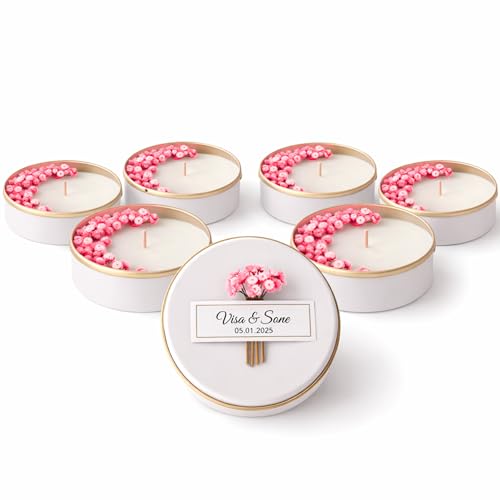
100% NATURAL SOY WAX : Hand-poured in small batches with natural soy wax and premium fragrance oils for a clean and long-lasting burn

HIGHEST QUALITY - Our candle fragrance MADE IN THE USA using pure, natural, and raw ingredients. All VINEVIDA products are vegan, free of phthalates, parabens, and other potentially dangerous chemicals.
Signs Your Candle Is Overloaded
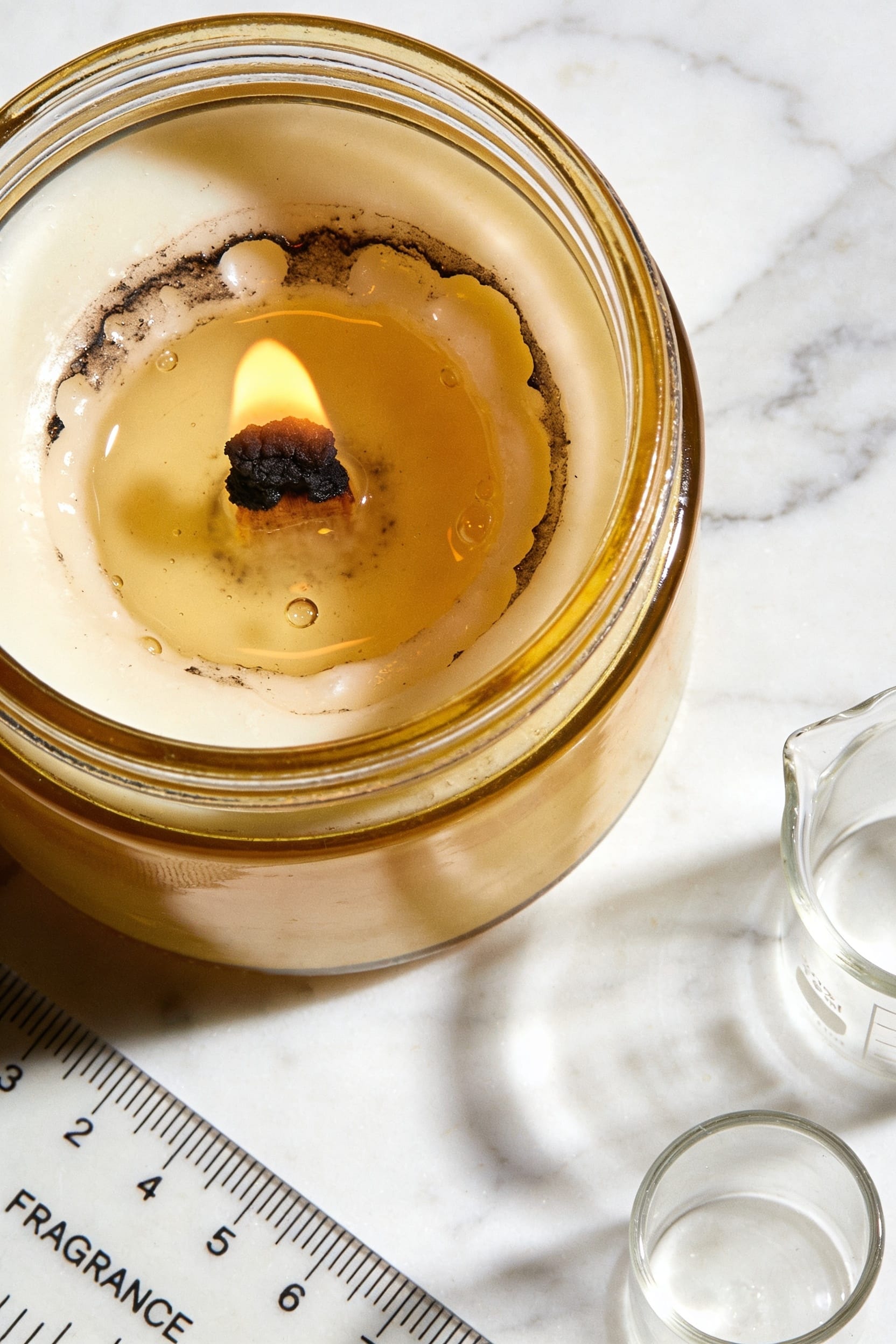
All right, so you’ve done your math correctly and poured your candle with what seemed like the perfect fragrance load—but then something goes wrong. You notice an oily sheen sweating across the candle’s surface. That’s your first red flag. Next comes scent pooling, where excess fragrance oil collects in visible puddles instead of binding with the wax. You’ll also spot wick clogging, meaning your wick struggles to burn cleanly and might drown in liquid fragrance. The flame flickers unevenly or won’t stay lit. Here’s the kicker: despite dumping in all that fragrance, your scent throw actually gets worse, not better. The candle burns poorly, and you’re left with a mess that won’t perform. These signs tell you you’ve exceeded your wax’s capacity. Stay within those recommended percentages, and you’ll avoid this frustration entirely.
Fix Overloading: Fragrance Load Best Practices
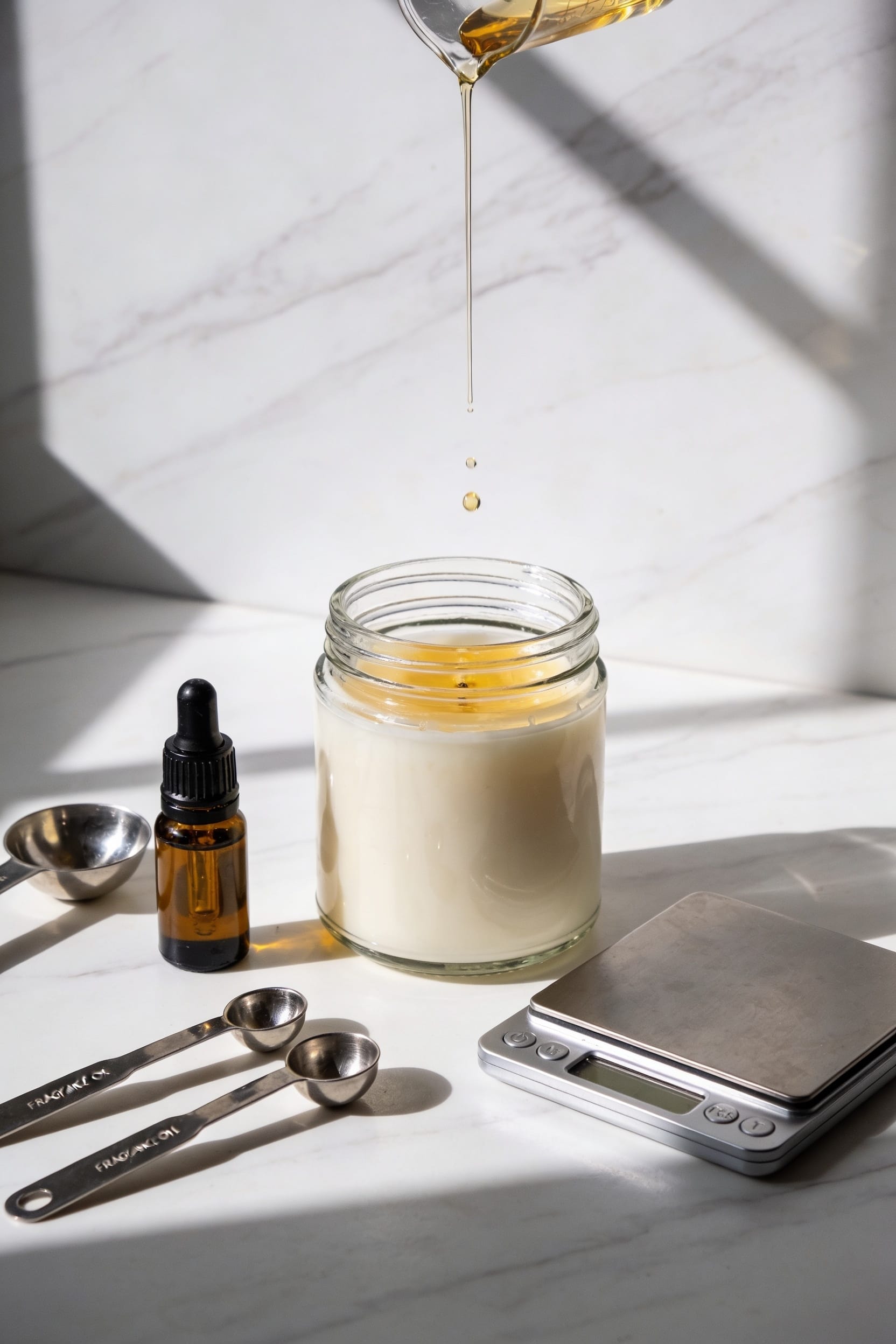
If you’ve already made the mistake of overloading your candle, don’t panic—you’ve got options, and I’ve absolutely been in your shoes. Here’s the thing: you can’t simply remove fragrance oil once it’s mixed, but you can dilute the batch by melting it down and adding more unscented wax. Recalculate using proper formulas—aim for that 6-10% sweet spot. When you remake it, pay attention to wick selection; a larger wick helps burn through excess oil more effectively. Allow for proper curing before testing, usually 24-48 hours. Going forward, stick religiously to your wax type’s guidelines and test small batches first. Trust me, this one lesson saves countless pounds of wax down the road.
Fragrance Load Mistakes That Ruin Candles
Because fragrance load mistakes happen so quietly—you’re just trying to make your candles smell *amazing*—they’re often the hardest to catch before it’s too late. The most common culprit? Overheating wax while stirring in fragrance. When you exceed your wax’s capacity, you’re not getting stronger scent throw. You’re getting sweating, pooling oil, and a candle that burns poorly. Poor wick selection compounds this—a wick that’s already struggling won’t handle an overloaded candle. I’ve watched candles weep fragrance onto holders, watched wicks drown in oil, watched people blame the wax when they’d actually pushed the load too far. Stick to your wax’s maximum. Test batches. You’ll thank yourself.
Test Fragrance Load in Small Batches
I can’t stress this enough: don’t jump straight to full-pound pours. Instead, make three or four test candles using different fragrance loads—say 6%, 8%, and 10%—with the same wax type. Keep your pour temperature consistent, around 185°F, so variables don’t muddy your results. Let them cure fully before evaluating. You’re hunting for that sweet spot where scent throw feels strong without sweating or pooling. This small batch approach reveals what actually works for *your* specific wax-fragrance combo.
Why Beginners Should Start at 6% Load
Starting at 6% fragrance load might seem conservative when you’re itching to fill your space with scent, but it’s actually the smartest move you can make as a beginner. Here’s the thing—this percentage gives you beginner confidence without sabotaging your candles. You’re working within proven boundaries, which means fewer sweating issues, better burn performance, and more reliable scent throw. It’s also about scent learning. Starting lower lets you understand how fragrance actually behaves in your specific wax, wick, and container combination before you push boundaries. Once you’ve made several batches at 6% and figured out what works, you’ll know exactly how to adjust upward strategically. That’s how you go from nervous to knowledgeable.
Frequently Asked Questions
What Temperature Should I Add Fragrance Oil to Wax for Best Retention?
I’d add your fragrance oil when the wax reaches 185°F for peak temp and retention. This temperature guarantees proper binding. You’ll want to monitor your cooling rate carefully afterward to maintain even fragrance distribution throughout.
How Does Fragrance Flashpoint Affect Evaporation and Scent Throw?
I’ve discovered that flashpoint variation literally makes or breaks your scent throw! Lower flashpoints skyrocket evaporation rates, causing fragrance to vanish faster than smoke, while higher flashpoints lock scent in longer for superior throw performance.
Can I Use Volume Measurements Instead of Weight for Fragrance Calculations?
I wouldn’t recommend using volume conversions for fragrance calculations. You’ll lose measuring accuracy since weight’s the standard. Different oils have varying densities, so I stick with grams or ounces for consistent results.
Why Does Adding More Fragrance Oil Reduce Scent Throw Paradoxically?
Have you wondered why more fragrance doesn’t always mean better scent? When you exceed capacity, scent saturation occurs—excess oil can’t bind properly, causing oil migration instead of dispersing evenly, which paradoxically weakens your throw.
How Do Specific Gravity Differences Impact Fragrance Load Across Wax Types?
I’ll show you how specific gravity affects your fragrance load calculations. Denser waxes like paraffin (0.90) hold less oil than you’d think, slowing diffusion rates. Lighter soy wax (0.92) distributes fragrance more evenly, letting you maximize scent throw safely.
Conclusion
Think of fragrance load like filling a glass of water. Pour too little, and you’re left thirsty. Dump in too much, and it spills everywhere—wasting what you’ve got. I’ve learned that sweet spot through trial and error. You will too. Start low, test small batches, and adjust. Your candles will burn better, smell richer, and last longer when you respect the math.