As an Amazon Associate, we earn from qualifying purchases. Some links on this site are affiliate links at no extra cost to you. Our recommendations are based on thorough research and editorial judgment.

What Is a Candle Wick? Types, Materials & How It Works

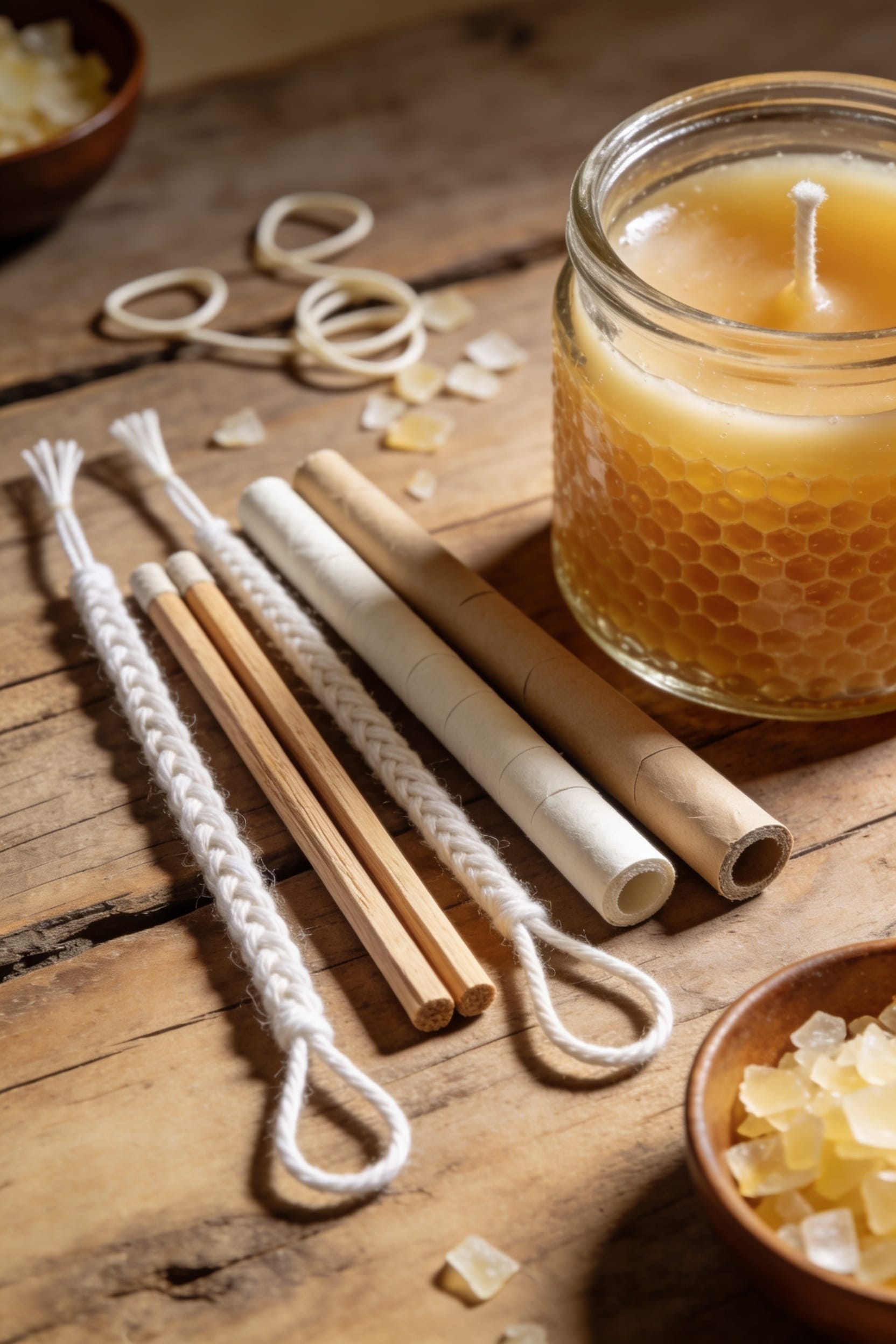
A candle wick is basically a braided cotton cord—sometimes with a zinc or tin core—that pulls melted wax upward through capillary action, where it vaporizes at the flame to create light and scent. The type you choose matters enormously: flat braided cotton works great for soy and paraffin, while cored wicks keep their shape in thicker waxes. Wood wicks crackle beautifully, HTP wicks self-trim and handle aggressive flames, and CD series deliver consistent performance across blends. Get the wick size wrong and you’ll either tunnel or smoke yourself out. The material and construction directly determines whether your candle burns clean.
Key Takeaways
- Braided cotton cords draw liquefied wax upward via capillary action, then vaporize and combust to produce light and scent.
- Wick diameter and stiffness control fuel feed to the flame; too thin causes tunneling, too thick causes excessive smoke.
- Cotton, cored, wood, HTP, and CD series wicks each offer distinct burn qualities suited to different wax types and containers.
- Zinc and tin cores maintain wick shape in votives; cotton cores support thicker, more viscous waxes requiring additional stability.
- Manufacturers prime wicks with high melt point wax and apply eco-friendly coatings to ensure consistent lighting and minimize soot production.
What Is a Candle Wick?
The humble wick—that braided strand of cotton you might not think twice about—is honestly the unsung hero of every candle that’s ever burned in your home. Here’s the thing: wicks have deep history origins dating back centuries, when people relied on them for light and warmth long before electricity existed. They’ve held cultural symbolism too, representing everything from spiritual rituals to intimate moments.
But what exactly is a wick? It’s a braided cotton cord designed to draw melted wax upward through capillary action, feeding fuel to the flame. That’s it. Simple mechanism, massive impact on how your candle burns. The wick’s diameter, material composition, and core structure determine whether you get a clean, even burn or a sooty, tunneling mess. I’ve learned this the hard way through plenty of candle-making experiments.
How Candle Wicks Work: Capillary Action and Burn
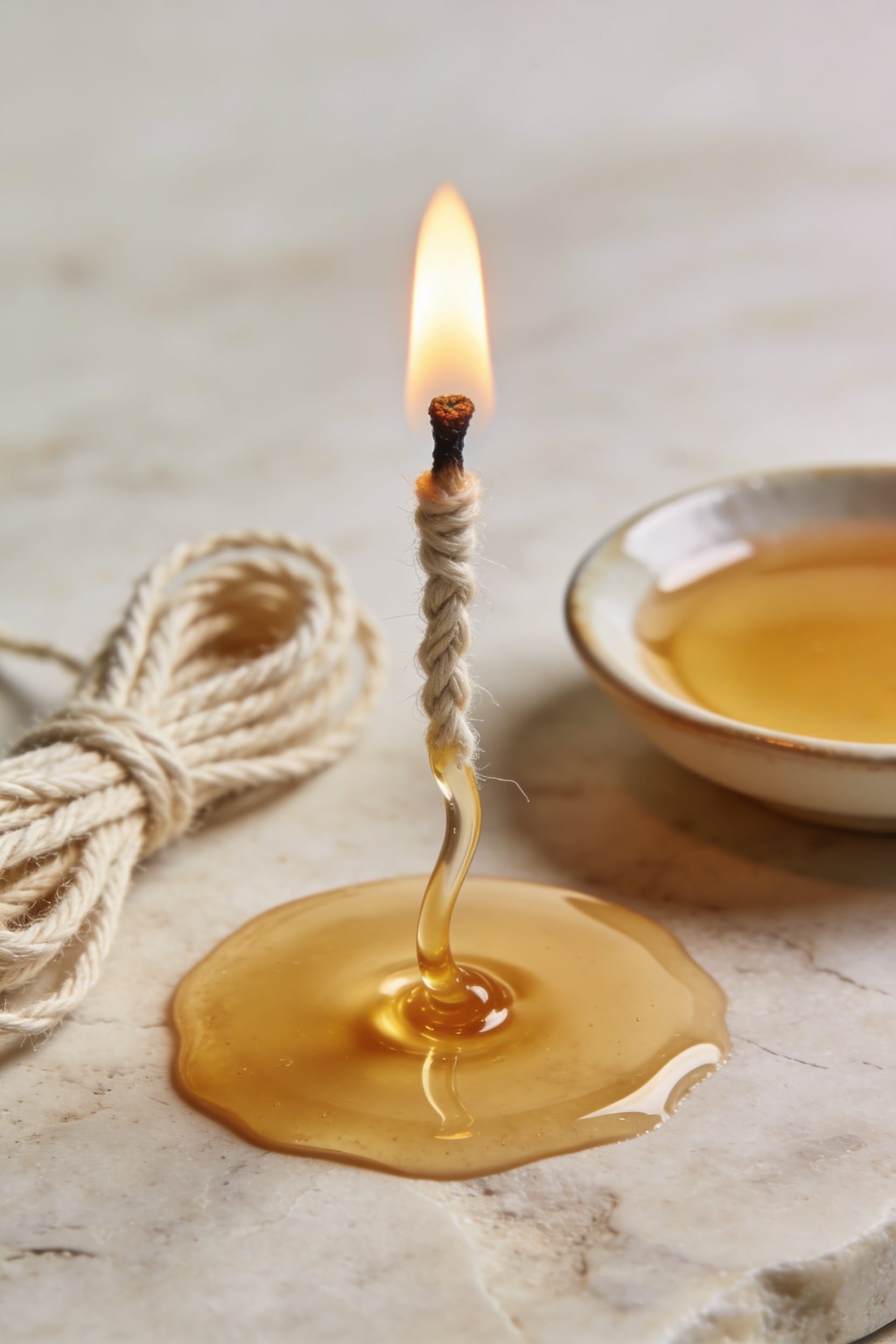
Now here’s where things get genuinely interesting—all that melted wax sitting in your candle container doesn’t just magically float up to the flame on its own, and that’s where capillary action swoops in to do the heavy lifting. The braided cotton fibers act like tiny highways, drawing liquefied wax upward through sheer physics. Once that wax reaches the flame, it vaporizes and combusts, creating your actual light and scent throw.
Here’s what matters for flame dynamics: the wick’s diameter and stiffness directly control how much fuel feeds the flame. Too skinny, and you’ll get tunneling—too thick, and you’re looking at excessive smoking and sooting. That’s why wick maintenance matters. Trimming your wick to about a quarter-inch prevents mushrooming and keeps that burn clean and steady.
Recommended Products
This is a genuine OEM (Original Equipment Manufacturer) part
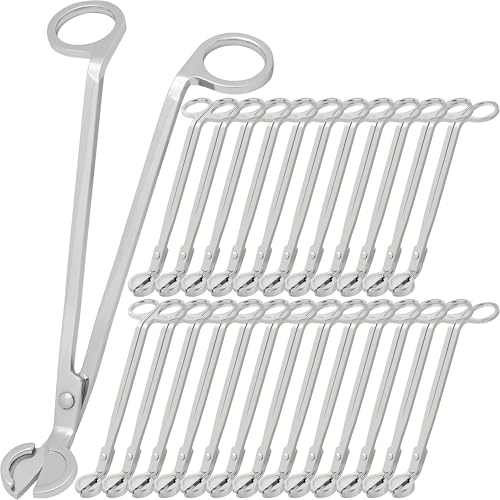
Pick Your Favorite Finish: No matter your interior design preference, we have a wick trimmer tailored for you. Choose from Black, Gold, Rose Gold, Silver, Brushed Gold, and Brushed Copper to complement your candles, decor, and gifting style

Cotton vs. Cored Wicks: Choosing Your Type
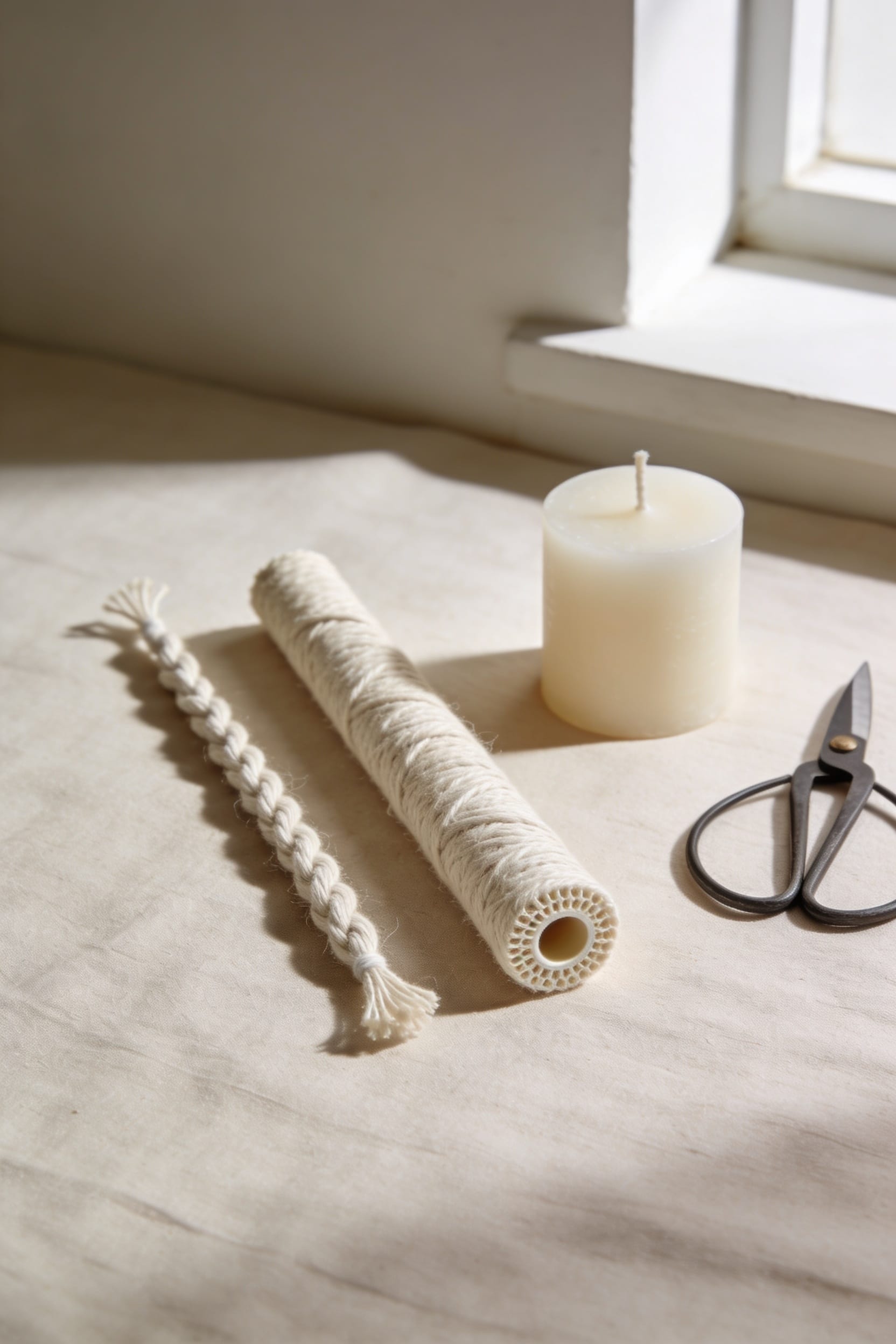
When you’re shopping for wicks or making your own candles, you’ll quickly realize that not all wicks are created equal—and honestly, that’s where a lot of folks get tripped up. Flat braided cotton wicks work beautifully for soy and paraffin, offering reliable burn rates and minimal wick maintenance. They won’t mushroom, so you’re getting cleaner scent throw without excess smoke. Cored wicks, meanwhile, keep their shape through pour and burn. I’d reach for those if you’re using viscous waxes or need that aggressive flame. The real move? Match your wick type to your wax and container size. Test first. That’s not overthinking—that’s candle making.
Recommended Products

ECO-16 wicks are coreless, cotton flat braid wick with paper filament throughout, providing increased rigidity and strength. Their self-trimming and clean burning characteristics minimize mushrooming, soot, and smoke. ECO wicks are suitable to be used in tealight, votive, pillar, and container candles. ECO wicks typically work best in soy waxes and lower melt point paraffin waxes.

Round outdoor wick, no. 14, candles 55 - 80 mm diameter, no. 14, roll 100 m

Zinc core wicks are cotton braid with an inner zinc core. They are suitable to be used in tealight, votive, pillar, and container candles. The zinc core structure provides maximum rigidity and strength to keep the wick straight in melted wax. The potential for mushrooming resulting from carbon buildup can be minimized by using the proper wick size and keeping the wick trimmed. Zinc core wicks are cooler burning
Specialty Wicks: Wood, HTP, and CD Series
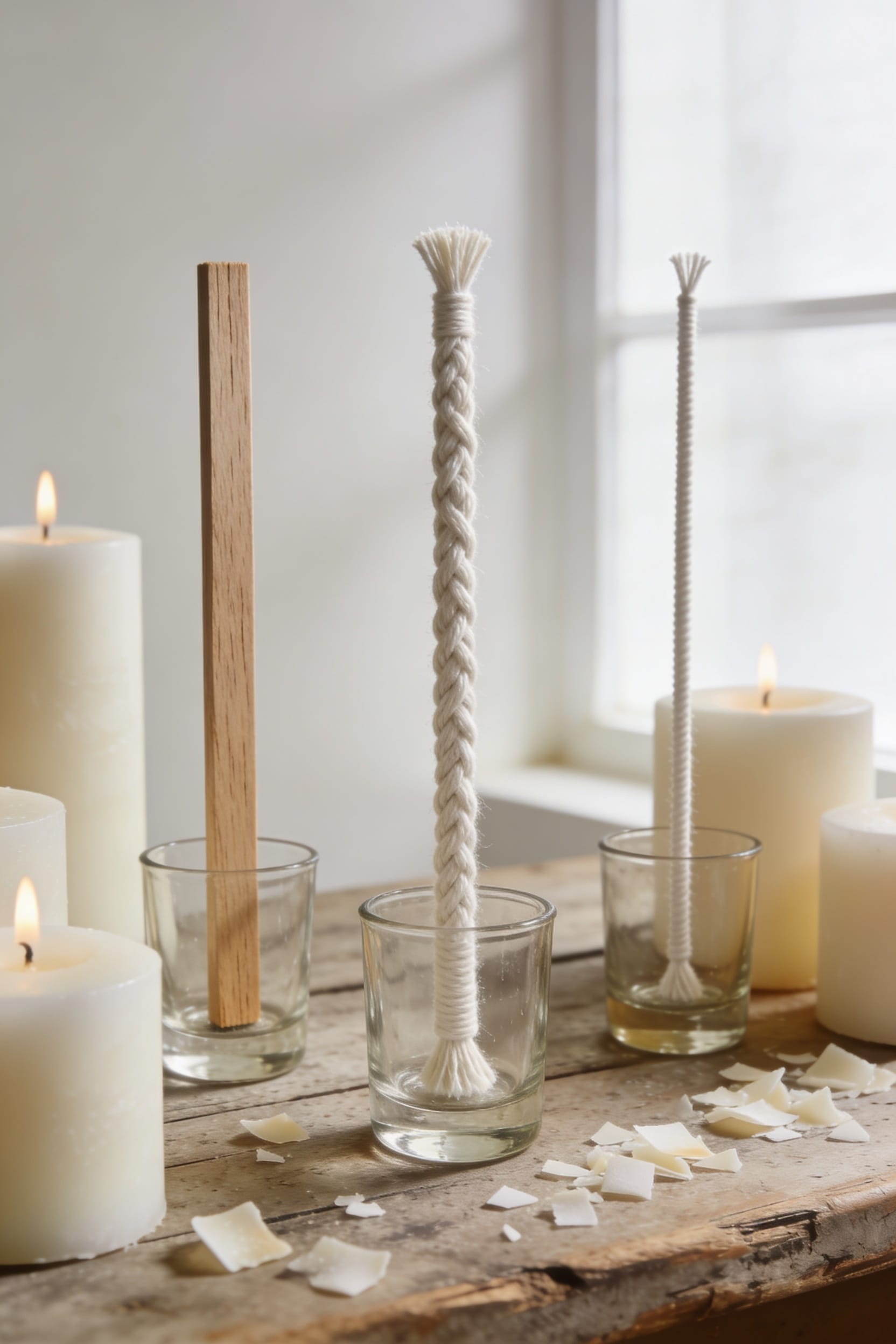
Once you’ve figured out your basic cotton versus cored decision, you’re ready to explore the specialty wicks that’ll genuinely change how your candles perform—and honestly, how they *feel* when someone’s burning them. Wood wicks deliver that unmistakable wood crackle, adding serious aesthetic appeal to any burn experience. HTP wicks excel in soy container candles with self-trimming properties, handling aggressive flames without mushrooming. CD series flat braided options give you maximum consistency across paraffin and soy blends. Each specialty type influences scent throw differently—wood wicks tend to project fragrance beautifully, while HTP maintains even burn dynamics that prevent tunneling. I’d test whichever matches your wax type first, since compatibility determines everything.
Recommended Products

Wooden Candle Wick Set: Contains 100 wooden candle wicks and 100 bases, which are enough to meet your daily needs for processing small items.

Stainless Steel Material: these wicks clips are made of stainless steel, durable, reusable, no rusty, heat-resistant and hard, and has a long service life

Firmly Hold Wicks: The clips hold the wooden wick firmly in place without moving or interfering with burning. They are of nice quality and allow for an even burn rate.The clips are easy to use and perfect for DIY wood wick candles.
Candle Wick Materials: Cores and Coatings Explained
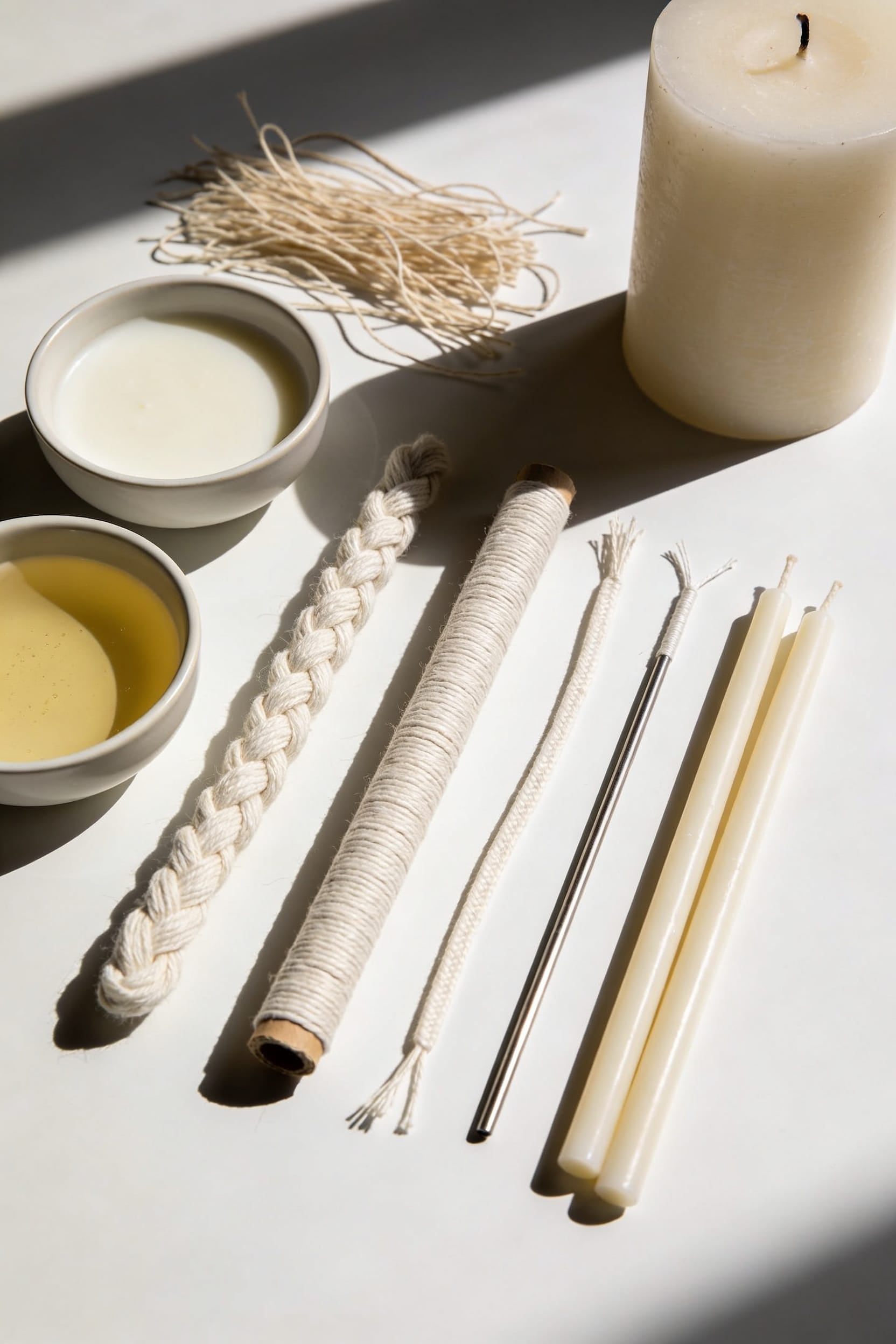
After you’ve settled on your wick type—cotton, cored, or specialty—what actually holds that wick together and makes it perform is what we’re diving into now. All right, so cores matter. Zinc and tin cores keep wicks standing upright in votives and pillars, while cotton cores work better with thicker, more viscous waxes that demand sturdier support. Now here’s where coatings come in: manufacturers prime wicks with high melt point wax at around 180°F to 212°F, which helps with lighting and burn consistency. You’ll find eco friendly coatings in soy and beeswax options that minimize combustion byproducts like soot. The braiding itself—that twisted cotton structure—encourages even fuel distribution, keeping your flame calm and steady. Synthetic blends add polyester and acrylic for extra stability, though they’re honestly less my preference.
Recommended Products

Richland Scented Tealight Candles in Clear Cups — A timeless collection of premium scented tea lights housed in transparent plastic cups, allowing the warm, flickering glow to radiate in every direction. The clear cup design blends seamlessly with any décor, centerpiece, or display — letting the candlelight take center stage.

Clean Burning & Dripless – Crafted from premium paraffin wax with 100% lead-free cotton wicks, these white votive candles burn clean, drip-free, and smokeless. Whether placed in a snug votive holder for a cozy glow, a clear holder for bright light, or a frosted holder for soft romantic ambiance, they create the perfect setting for any occasion.

EYE-PLEASING UNSCENTED LONG LASTING CANDLES - Create a luxury experience for every occasion with Bolsius White unscented pillar candles. Our pillar candle set enhances the appearance and prevents it from dripping or melting away fast
Frequently Asked Questions
What Is the Ideal Wick Size for My Specific Candle Container and Wax Type?
I’d recommend conducting burn testing with fabric wicks in your specific container and wax type. Too-small wicks cause tunneling; too-large ones create flaring and soot. Testing determines your ideal size for peak performance.
How Often Should I Trim My Candle Wick to Prevent Mushrooming and Excessive Smoke?
I’d trim your wick to about quarter-inch before each burn. This trim frequency forestalls mushrooming and maximizes smoke reduction. Self-trimming wicks like HTP and LX series can cut back your trimming tasks tremendously.
Why Does My Candle Tunnel, and How Can I Fix This Problem?
Your candle tunnels from uneven melting, typically caused by a wick that’s too small for your container. I’d recommend draft control and switching to a larger wick or square braid type for proper fuel delivery.
Can I Reuse Wicks From Old Candles for New Candle-Making Projects?
I’ve found that you can reuse cored wicks if you’re careful. Cleaning methods matter—gently remove leftover wax residue before reusing. Reusing cores works best for similar wax types and container sizes to guarantee consistent burning.
How Do Environmental Factors Like Altitude and Temperature Affect Candle Wick Performance?
I’ve found that altitude effects and temperature sensitivity markedly impact your wick’s performance. Higher altitudes reduce oxygen, causing incomplete combustion and increased soot. Colder temperatures slow fuel vaporization, while heat accelerates it, requiring careful wick selection testing.
Conclusion
Now that you understand how wicks work, you’re equipped to make smarter candle choices. Here’s what fascinates me: studies show that roughly 80% of candle problems stem from wick issues alone. So whether you’re shopping or making candles yourself, you know what to look for. Pay attention to your wick, and you’ll transform your entire candle experience. That’s the real difference between mediocre and genuinely great burns.