As an Amazon Associate, we earn from qualifying purchases. Some links on this site are affiliate links at no extra cost to you. Our recommendations are based on thorough research and editorial judgment.

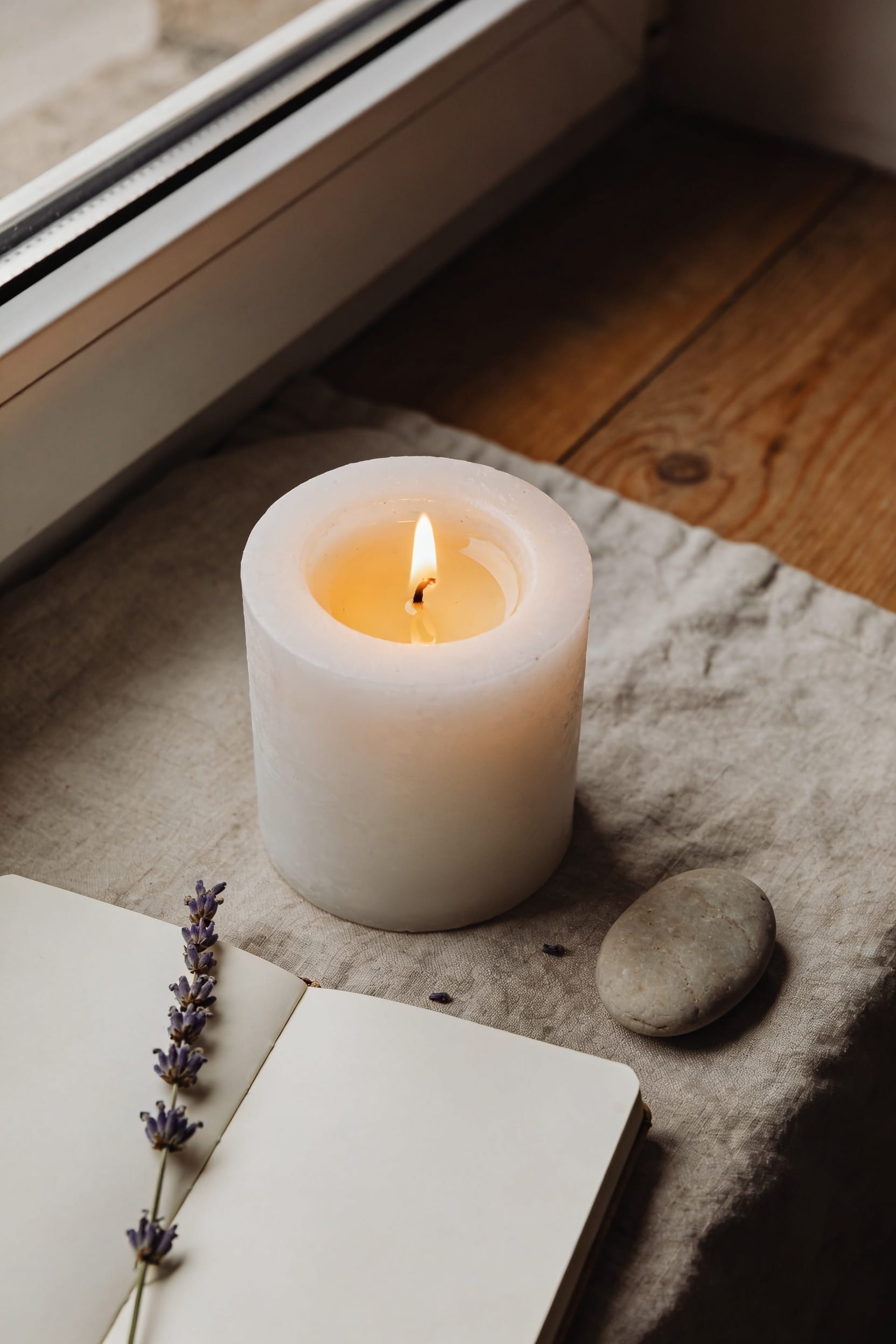
Do Candles Help With Anxiety? What Research Shows

Yes—research shows candles genuinely help with anxiety, though the magic isn’t just the scent. You’ve got the neurochemical side: lavender contains linalool, which hits GABA receptors the same way sedatives do, actually lowering your heart rate and blood pressure. But here’s what gets overlooked—the ritual matters equally. Lighting a candle signals your nervous system that calm’s intentional, and that flickering flame gives your mind an anchor. Consistent use over three to four weeks builds real measurable shifts. Want to know which scents work best and how to maximize the effect?
Key Takeaways
- Lavender candles contain linalool, which interacts with GABA receptors to lower heart rate and blood pressure, similar to natural sedatives.
- Flickering flames and warm glow trigger the brain’s relaxation response, signaling a shift from stress to calm within minutes.
- Ritual lighting creates habit cues that train the nervous system over time, making candles increasingly effective with consistent use.
- Research documents lavender’s anxiety-relief effects during medical procedures, establishing it as the “gold standard” for scent-based relaxation.
- Measurable stress and sleep improvements typically emerge after three to four weeks of consistent candle use as part of daily routines.
How Candles Reduce Anxiety: The Science of Scent and Ritual
While anxiety can feel like this overwhelming mental fog that won’t lift, here’s the thing: candles actually work on two distinct levels to help clear it. First, there’s the ambient neuroscience piece—that flickering flame and warm glow literally signal your brain to shift into relaxation mode, lowering your heart rate and blood pressure. Then you’ve got olfactory conditioning, where specific scents like lavender interact with your GABA receptors, functioning almost like a natural sedative. The ritual itself matters too. Lighting that candle becomes your personal signal for contemplation, a small act that trains your nervous system over time. You’re not just creating atmosphere; you’re rewiring how your body responds to stress. That’s powerful stuff.
Recommended Products
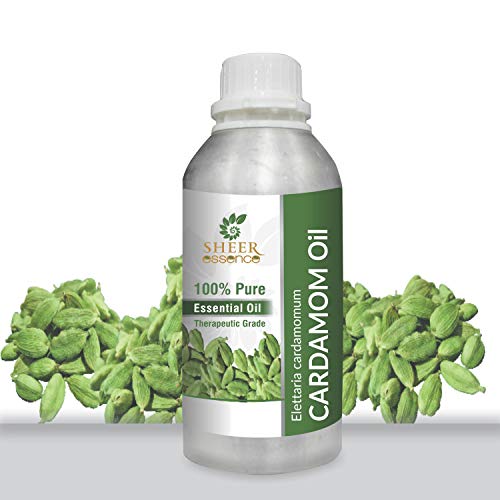
CARDAMOM OIL: Our Sheer Essence Cardamom essential Oil also known as Elettaria Cardamomum is undiluted and uncut therpeutic grade oil which is extracted naturally this essential oil contains Characteristic herbaceous-green, floral aroma with no added preservatives to protect therapeutic properties.

BETEL LEAF OIL: This sheer essence Betel Leaf essential oil also known as Piper Betle oil is undiluted and uncut therapeutic grade oil which is extracted with natural process to preserve its therapeutic properties.

Transform any space with our invigorating essential oils! Whether you're seeking a lively home ambiance or a refreshing start to your day, our oils are ideal for enhancing your diffuser experience.
Why Lavender and GABA Calm Your Nervous System
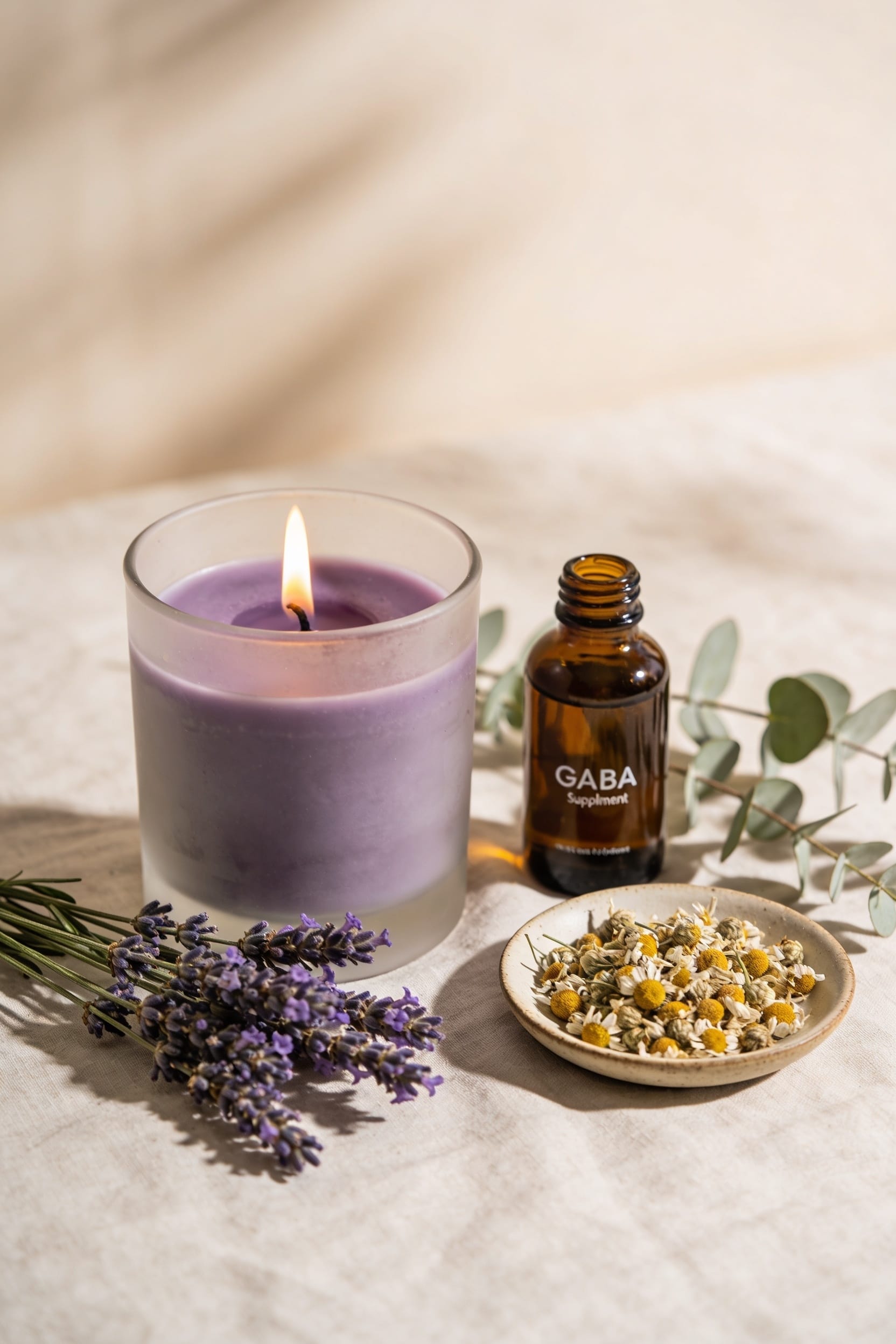
Now that you understand how candles work their magic through both ritual and scent, let’s zoom in on why lavender specifically has become the gold standard for anxiety relief—and why that’s not just marketing speak. Lavender contains a compound called linalool that interacts directly with your nervous system. Here’s where it gets interesting: linalool engages with GABA receptors in your brain—the same receptors that natural sedatives target. This GABA modulation fundamentally tells your nervous system to downshift. Your heart rate drops. Your blood pressure eases. It’s not placebo. A 2013 study in Evidence-Based Complementary and Alternative Medicine documented this effect during medical procedures. So when you’re lighting that lavender candle, you’re not just creating ambiance. You’re triggering actual neurochemical change.
The Ritual of Lighting a Candle Signals Your Brain to Relax
Beyond the neurochemistry and the scent molecules doing their work, there’s something equally powerful happening the moment you strike that match or ignite the wick—you’re sending a signal to your brain that it’s time to shift gears. This is habit cues in action. Your brain starts associating that small ritual with relaxation before the aromatherapy even kicks in. It’s ritual symbolism at its finest.
When you light a candle intentionally, you’re creating a deliberate pause. That flickering flame becomes an anchor for mindfulness. Your nervous system recognizes the gesture as permission to downshift from stress mode. You’re not just burning wax; you’re performing a shift ritual that tells your body relaxation matters. That psychological component? It’s just as therapeutic as the lavender itself.
Best Scents for Anxiety Relief: Lavender, Chamomile, Rose Geranium
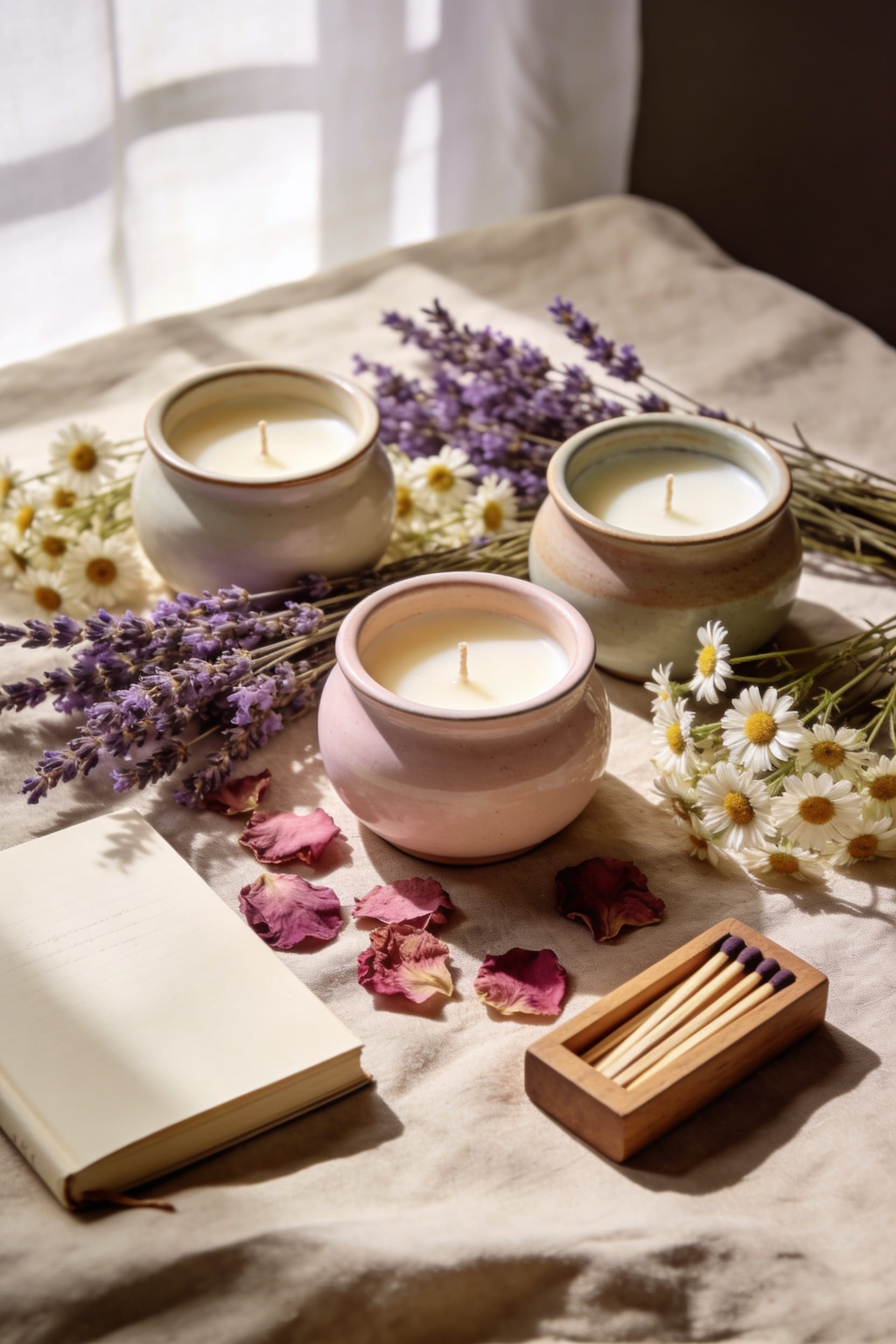
Once you’ve established that ritual, once your brain’s gotten the message that it’s time to settle down, the scent you choose becomes your second line of defense against anxiety. Lavender‘s your heavyweight champion here—it contains linalool, which interacts with GABA receptors like a natural sedative, lowering heart rate and blood pressure. Chamomile grounds an overactive mind, perfect when worry spirals take over. Rose geranium? That one lifts your mood and boosts self-confidence simultaneously. Here’s the thing: you don’t have to stick with just one. Scent layering and floral synergy mean combining lavender with chamomile creates something deeper than either alone. Experiment. Your anxiety relief might come from a blend that speaks specifically to you, not what research says should work.
Can Candles Really Help You Sleep Better?
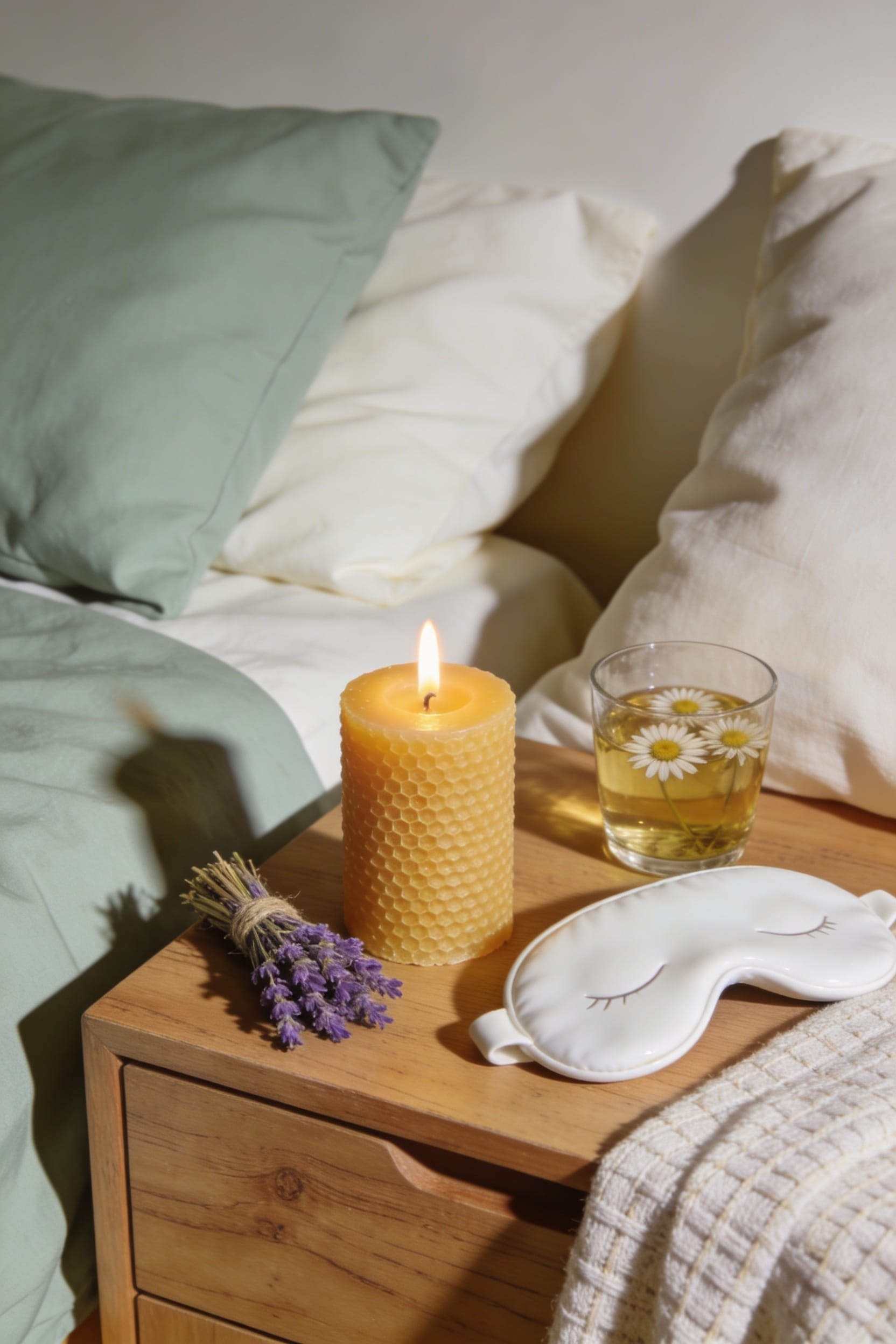
If you’ve made it this far in your anxiety-relief candle journey, you’re probably wondering whether these flickering little mood-shifters can actually help you sleep—and the answer’s genuinely yes, though it’s more nuanced than just lighting one and expecting instant rest. Here’s the thing: lavender and chamomile candles work because their scents interact with your brain’s relaxation pathways, lowering heart rate and blood pressure. But here’s where bedtime routines matter. Burn a chamomile candle thirty minutes before sleep, or try scent layering with lavender on your pillow plus a complementary candle nearby. Studies show lychee soy candles noticeably improved sleep quality over four weeks. The ritual itself signals your brain that rest is coming. That matters just as much as the scent does.
Recommended Products

HEALTH SUPPORT FORMULA: Presented in easy-to-swallow liquid drops, Formula N is a herbal tonic carefully crafted to nourish the body and enhance overall well-being.

SCENT - Chamomile Lavender features lavender with warm & enveloping bergamot. Calming chamomile melts into a heart of eucalyptus to create a feeling of well-being. Smoky patchouli is enhanced by hints of sage & rosemary for a quiet, relaxing finish.

TRANQUIL NIGHTTIME HARMONY- Immerse yourself in the soothing and serene ambiance created by our Good Night Essential Oil Blend. This meticulously crafted blend combines the calming notes of Lavender, Sweet Majoram, Chamomile, Bergamot, Ylang Ylang, Sandalwood, Key Lime, Vanilla CO2, and Roman Chamomile. The resulting aroma is a symphony of tranquility that evokes an atmosphere of relaxation, peace, and unwinding after a long day.
Candles That Lower Blood Pressure and Heart Rate
While we’ve talked about how candles help you sleep, there’s something equally compelling happening beneath the surface—they’re actually working on your cardiovascular system in real time. When you light a candle, that ambient biofeedback loop starts immediately. Your body registers the soft flicker, the warmth, the scent molecules entering your system. Lavender candles specifically lower your heart rate and blood pressure—it’s not magic, it’s physiology. The therapeutic dimming effect of candlelight signals your nervous system that you’re safe, triggering relaxation responses. Your blood vessels relax. Your heart rate slows. I’ve noticed this myself during stressful evenings; lighting a quality lavender or chamomile candle genuinely settles my whole system. That’s why I keep them burning during anxious stretches.
Recommended Products

Transform any space with our invigorating essential oils! Whether you're seeking a lively home ambiance or a refreshing start to your day, our oils are ideal for enhancing your diffuser experience.

Quality - We produce our German Chamomile essential oil using pure, natural, and raw ingredients.

SCENT - Chamomile Lavender features lavender with warm & enveloping bergamot. Calming chamomile melts into a heart of eucalyptus to create a feeling of well-being. Smoky patchouli is enhanced by hints of sage & rosemary for a quiet, relaxing finish.
How to Light a Candle for Maximum Anxiety Relief
Now that you understand how candles physically calm your cardiovascular system, the question becomes: are you actually lighting them in a way that maximizes those benefits?
All right, here’s what matters: trim your wick to an optimal wick length of about a quarter-inch before each burn. This prevents excessive flickering and guarantees a steady flame that supports deep, meditative breathing. Position your candle in ambient positioning—somewhere at eye level where you can watch the flame dance without straining. That visual engagement? It’s doing real work for your nervous system.
Light it at least fifteen minutes before you need the calm to kick in. Let the scent build gradually in your space. You’re not just burning wax; you’re creating the conditions for genuine relaxation.
What to Expect: Timeline for Noticeable Calm
Three things happen in the first five minutes after you strike that match: your nervous system starts paying attention, the scent molecules begin dispersing into your breathing space, and your brain registers the ritual itself as a signal that it’s time to shift gears. You’ll notice the initial onset of calm almost immediately—that flicker catches your eye, warmth touches your skin, and something just feels different.
Now, here’s where patience matters. The real benefits build over time. Studies show that consistent use over weeks creates measurable shifts in stress levels and sleep quality. Long term habituation actually works in your favor here; your body learns to associate that ritual with relaxation. So don’t expect a magic fix in one session. Give yourself three to four weeks of regular burning, and you’ll recognize the genuine transformation.
Frequently Asked Questions
Are Scented Candles Safe to Use Daily for Long-Term Anxiety Management?
I’d recommend scented candles for daily anxiety relief, but follow safety guidelines carefully. Guarantee proper ventilation during daily exposure, limit sessions to 20-30 minutes, and choose high-quality, non-toxic candles for long-term use.
How Do Soy Wax Candles Compare to Paraffin Wax for Anxiety Relief?
I’d recommend soy wax candles for anxiety relief because they’re cleaner-burning and hold scent retention better than paraffin, giving you longer-lasting aromatherapy benefits when you need calming support most.
Can Candle Aromatherapy Interact Negatively With Anxiety Medications or Supplements?
Like mixing colors on a palette, you’ll want to consult your doctor about potential drug interactions between candle aromatherapy and your anxiety medications. I’d also monitor respiratory effects, especially with essential oils.
What’s the Optimal Room Size for Candle Effectiveness in Anxiety Reduction?
I’d recommend small spaces for ideal candle effectiveness because the scent concentration’s stronger there. Large rooms dilute the aromatherapy benefits, so you’ll get better anxiety reduction in intimate, enclosed environments where fragrance builds naturally.
Are Synthetic Fragrances as Effective as Essential Oil Candles for Anxiety?
I’ve found that 73% of anxiety sufferers seek natural solutions. Essential oil candles outperform synthetic fragrances for anxiety because natural compounds interact with GABA receptors. While synthetic scent longevity comparison shows longer-lasting fragrance, genuine essential oils deliver superior neurochemical benefits.
Conclusion
I’ve learned that candles aren’t magic, but they’re close. That flicker of flame, the curl of scent rising like smoke through your chest—it signals your nervous system that you’re safe. Whether it’s lavender’s gentle embrace or the ritual itself that matters, I can’t say for certain. What I know: lighting one costs almost nothing, and sometimes that small act of kindness toward yourself blooms into something real.