As an Amazon Associate, we earn from qualifying purchases. Some links on this site are affiliate links at no extra cost to you. Our recommendations are based on thorough research and editorial judgment.

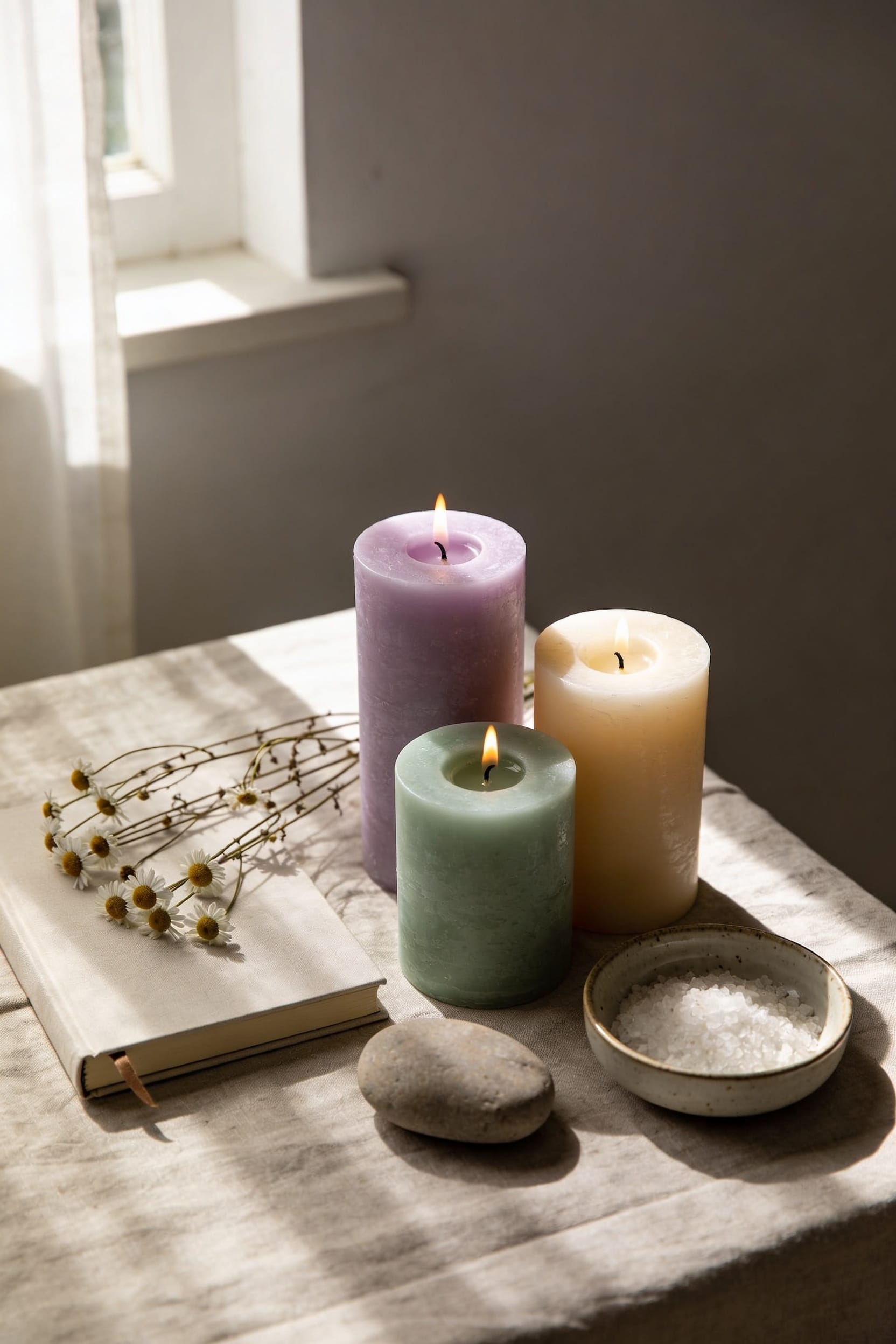
Best Candles for Mental Health & Emotional Wellbeing

All right, here’s the thing: the best candle for your mental health is the one that actually makes *you* feel calm, not what some list tells you to buy. Your scent molecules travel straight to your limbic system, which controls stress and emotions, so personal preference matters way more than generic recommendations. I’d start by sampling single scents—lavender, chamomile, citrus—tracking how each one hits your nervous system, then build a consistent ritual around your winner. Light it at the same time daily, take three slow breaths, and let your brain wire itself toward calm. Once you nail your scent, we can talk about layering in complementary notes for even deeper shifts.
Key Takeaways
- Scent molecules travel directly to the olfactory bulb, which sits adjacent to the limbic system controlling emotions and stress responses.
- Personal preference trumps generic recommendations; test individual scents and track bodily responses in a journal before purchasing full-size candles.
- Establish consistent rituals by lighting the same candle at specific times to train your nervous system to associate scent with calm.
- Blend complementary notes—one calming base with one uplifting top note—to create personalized effects different from single scents alone.
- Use energizing scents like citrus or peppermint in mornings for focus, and relaxing scents like lavender or chamomile for evenings.
How Scent Wires Your Brain for Calm
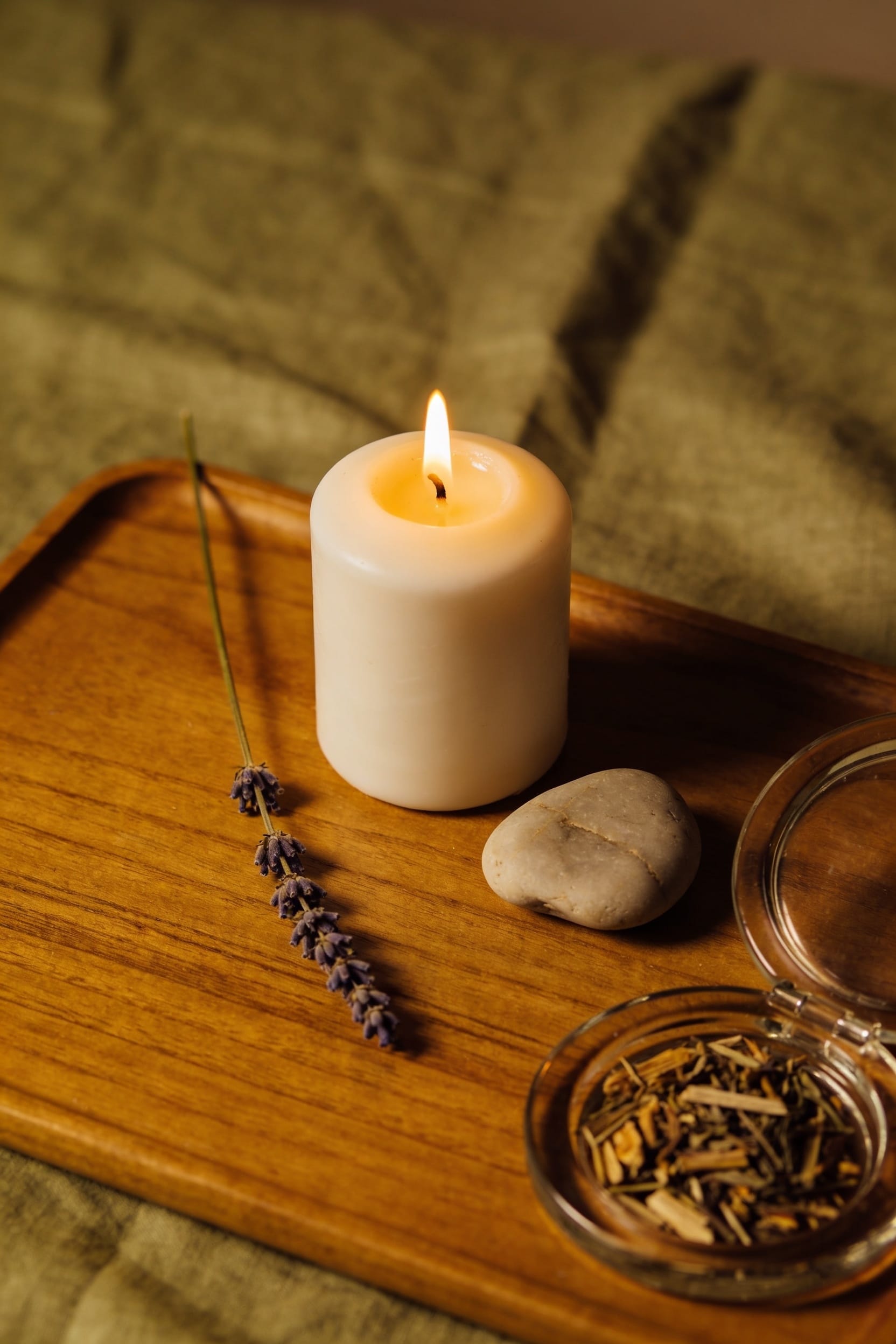
When you light a candle and catch that first whiff of lavender or eucalyptus, something pretty remarkable happens in your brain—and I don’t mean just “oh, that smells nice.” The scent molecules you’re inhaling actually travel directly to your olfactory bulb, which sits right next to the limbic system, the part of your brain that handles emotions, memories, and stress responses.
This is limbic activation in action. Through olfactory conditioning—basically, your brain learning to associate certain scents with relaxation—you’re literally rewiring how you respond to stress. When you consistently light a specific candle during calm moments, your brain eventually recognizes that fragrance as a signal to downshift. That’s why chamomile feels soothing or why peppermint sharpens focus. You’re not imagining it. Your neurology’s working with you, not against you.
Recommended Products

SCENT - Chamomile Lavender features lavender with warm & enveloping bergamot. Calming chamomile melts into a heart of eucalyptus to create a feeling of well-being. Smoky patchouli is enhanced by hints of sage & rosemary for a quiet, relaxing finish.

UNIQUELY HANDMADE: Perfect for a relaxing ambiance! Each scented candle is crafted from real wood, providing a unique and sustainable touch. Heart shape elevates aesthetic!

Wax Weight: 3,632 g/ 128.12 oz
Choose the Right Calming Scents for You
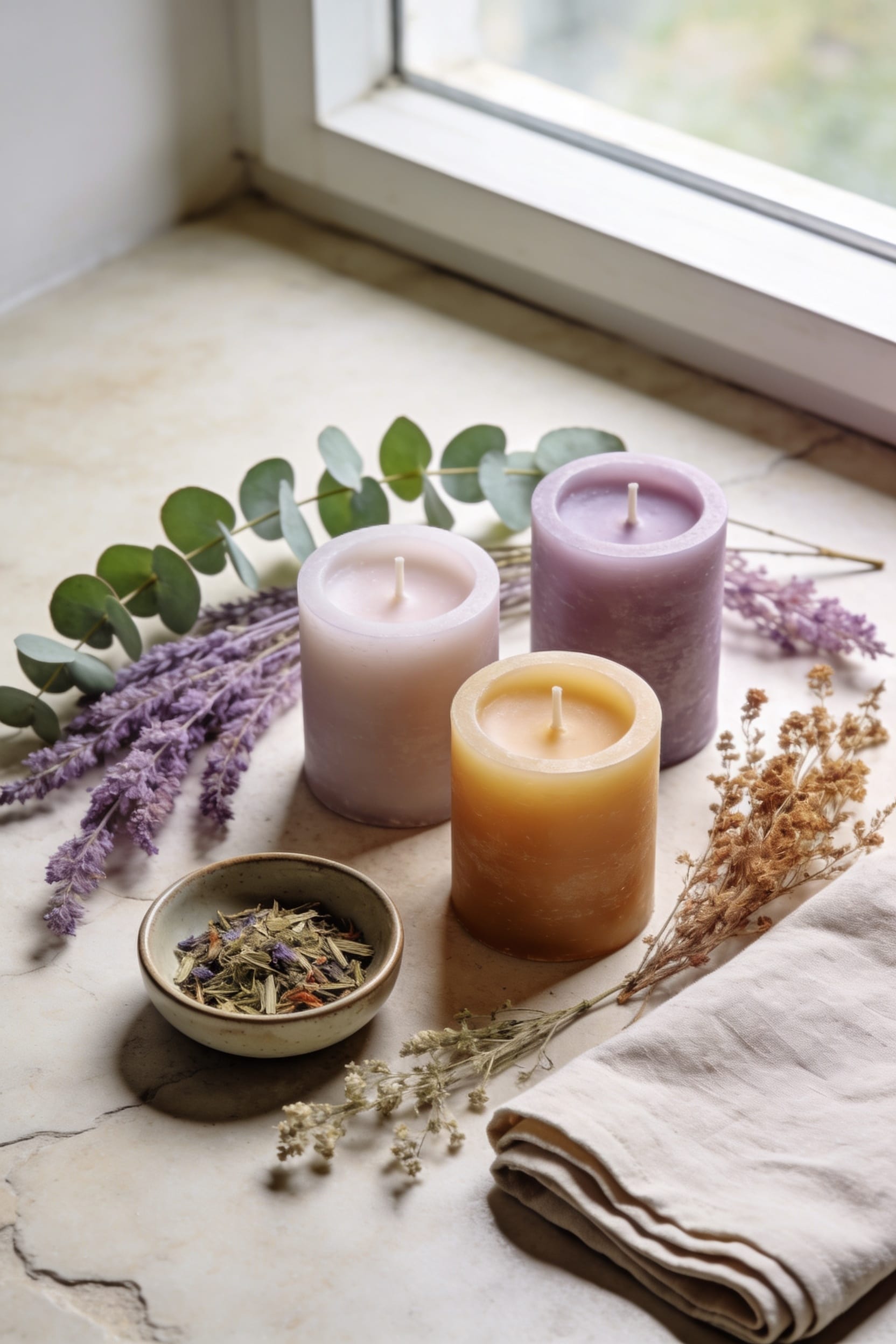
Since your brain’s already wired to respond to specific scents, the real work now is figuring out which ones actually work for *you*—because here’s the thing: what calms your nervous system might amp up your neighbor’s.
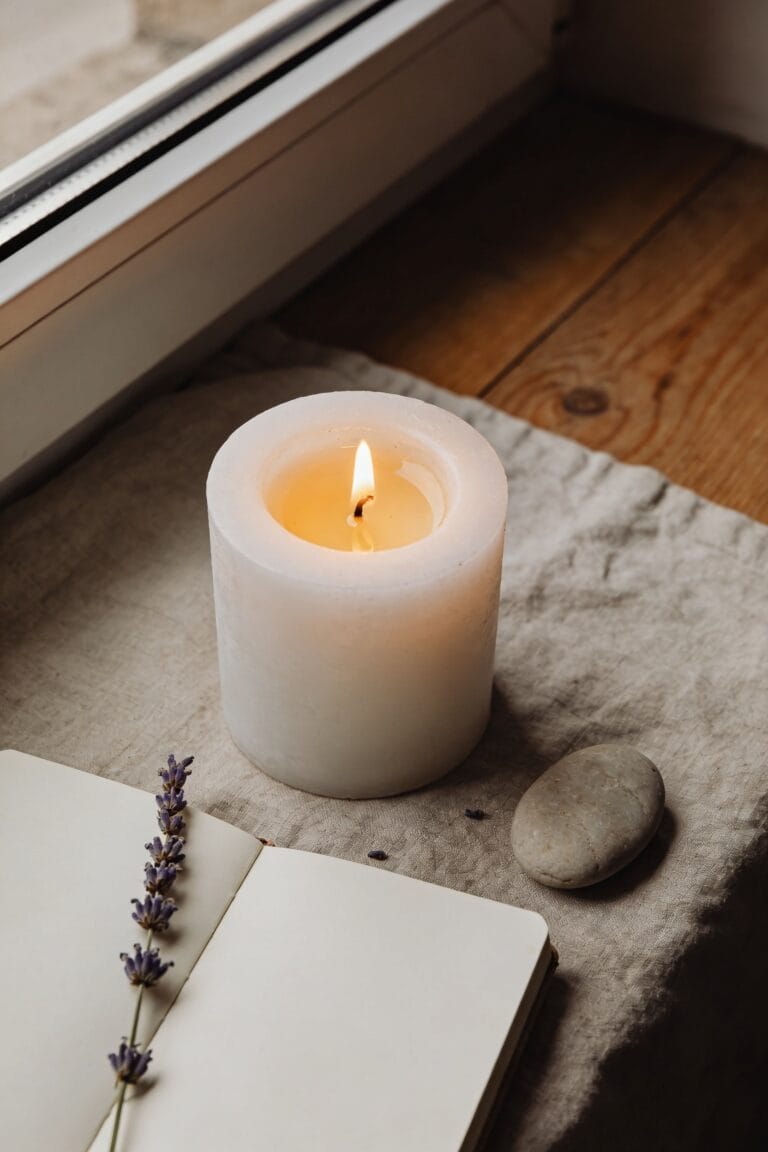
Look, personal preference matters more than any listicle ever will. Lavender soothes some people; others find it cloying. Start keeping a scent journal—jot down which candles you’re drawn to, how they make you feel, what memories they trigger. Notice patterns. Does citrus energize you or feel too sharp? Does chamomile actually relax you, or does vanilla hit different?
Test before committing to full-size candles. Sample single scents first. Pay attention to your body’s response. Your calm is personal.
Recommended Products
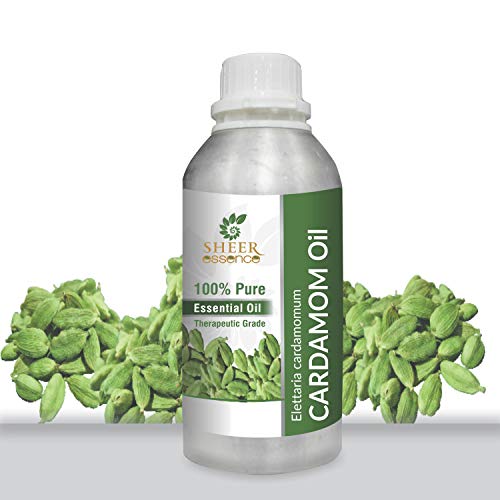
CARDAMOM OIL: Our Sheer Essence Cardamom essential Oil also known as Elettaria Cardamomum is undiluted and uncut therpeutic grade oil which is extracted naturally this essential oil contains Characteristic herbaceous-green, floral aroma with no added preservatives to protect therapeutic properties.

BETEL LEAF OIL: This sheer essence Betel Leaf essential oil also known as Piper Betle oil is undiluted and uncut therapeutic grade oil which is extracted with natural process to preserve its therapeutic properties.

Pure Saffron Oil: 100% pure saffron oil for therapeutic benefits
Blend Scents for Dual Clarity and Calm
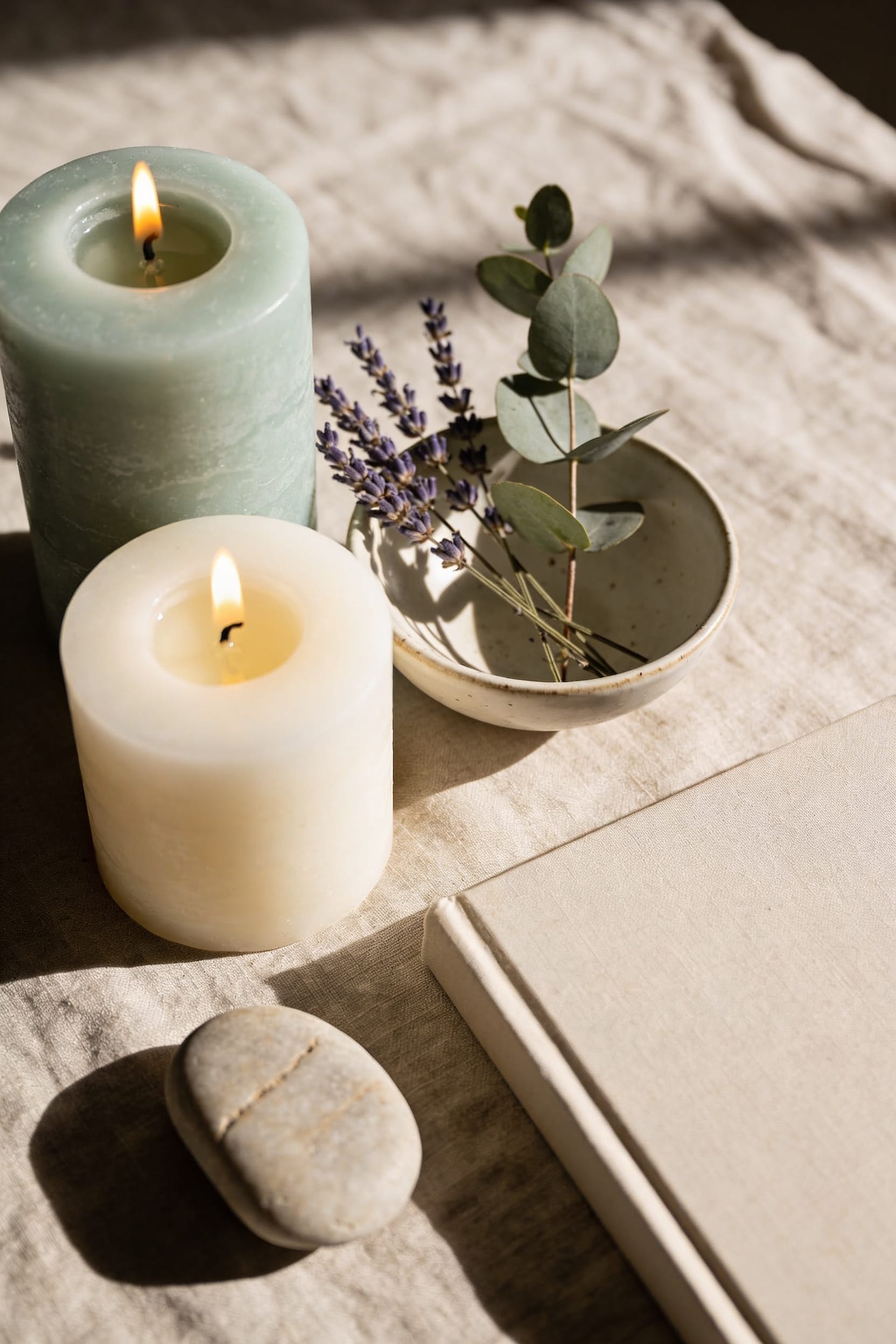
All right, here’s the practical part: start with complementary notes. One calming base, one uplifting top note. Light them intentionally. Notice how your nervous system responds differently than single scents alone.
Recommended Products


UNIQUELY HANDMADE: Perfect for a relaxing ambiance! Each scented candle is crafted from a real coconut shell, providing a unique and sustainable touch. Hand-poured charm at its finest.

Candles Gift Set: 100 scented candles in 10 fragrance varieties with 10 candles of each scent, including lavender, blueberry, lychee white tea, white tea orchid, rose sandalwood and more; Multiple fragrance options help satisfy different scent preferences for daily and gifting
Build a Candlelight Ritual That Works
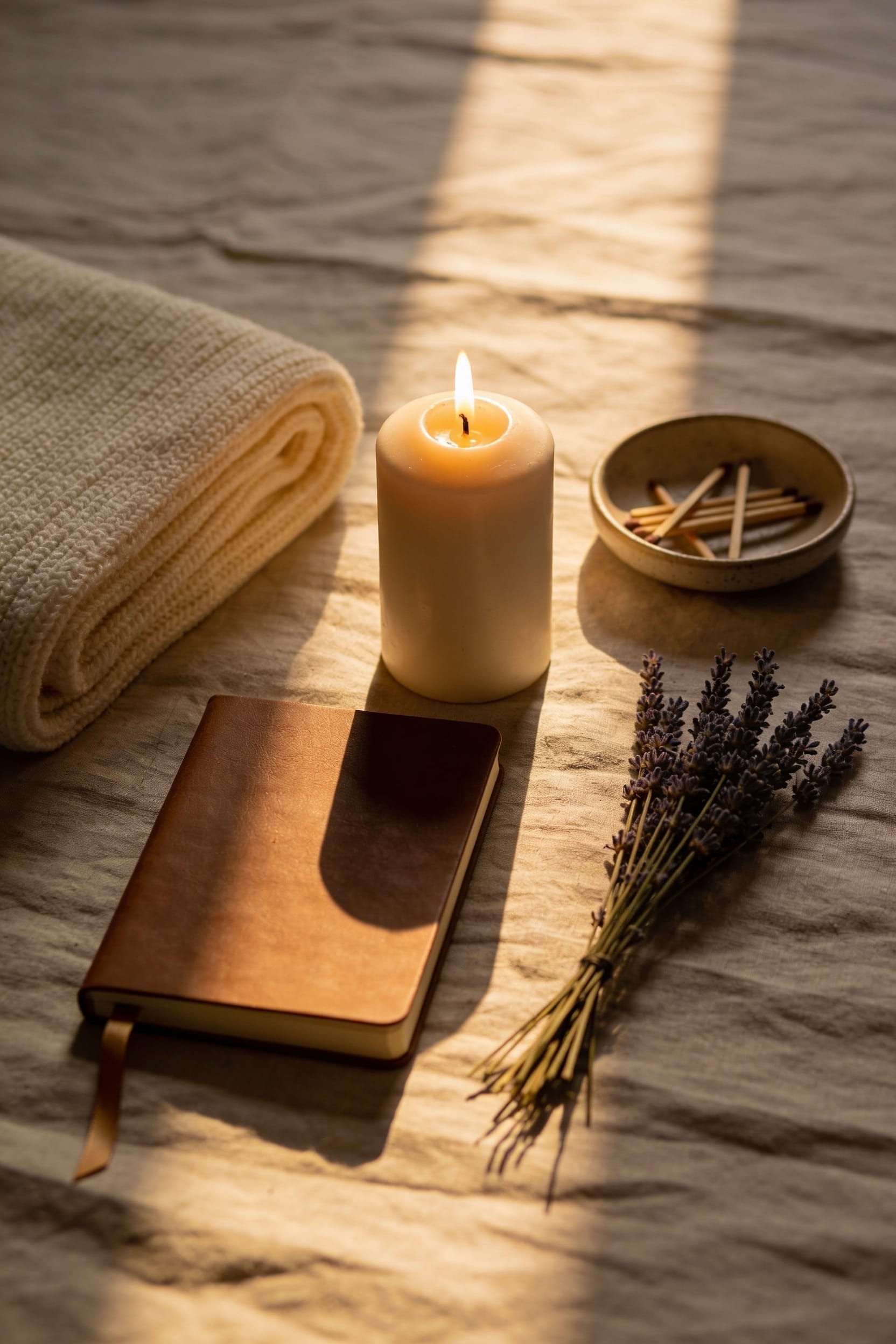
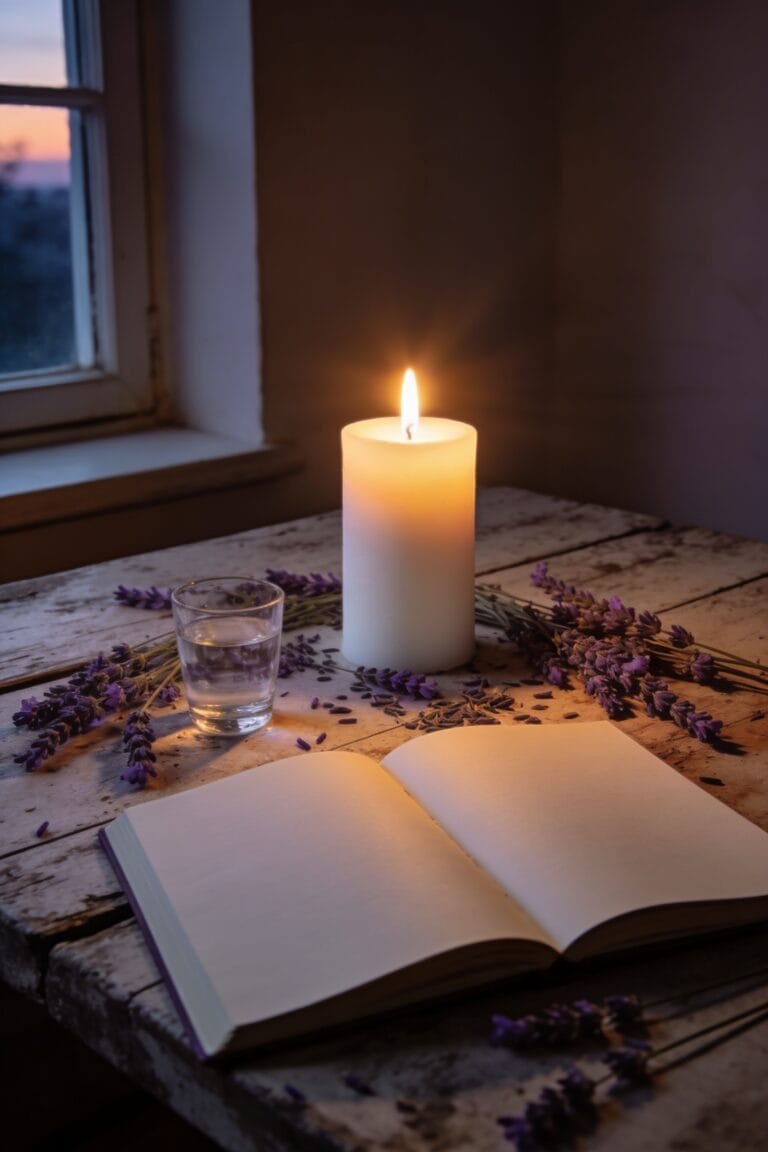
As your nervous system learns that candlelight means it’s time to settle down, ritual transforms scent from pleasant background noise into an actual anchor for calm. Start small—pick one specific time, like your evening journaling practice, and light the same candle then. Your body begins recognizing the pattern. Breath focused lighting works too: light your candle, take three slow breaths, and intentionally shift gears. Consistency matters more than complexity. You don’t need elaborate routines; you need repetition. Same candle, same time, same intentional pause. After a few weeks, you’ll notice your shoulders drop the moment you strike that match. That’s your ritual working.
Recommended Products

【Altar Table for Spiritual Practice】: This altar table is thoughtfully designed for spiritual meditation, prayer, and daily rituals. It serves as a beautiful pooja cabinet, Buddhist altar, or shrine altar, helping create a peaceful and harmonious atmosphere in your home.

【Meditation & Ritual】: Elegant vintage Chinese styling creates a focused meditation table and offering altar. Beautiful carvings elevate any room—use as an altar table, altar cabinet, or temple for home to honor traditions and support daily practice in a pooja mandir.

MEDITATIVE DESIGN:Expertly crafted solid wood frame provides a stable Buddha altar table surface for statues and offerings. Minimalist aesthetics blend into any home decor, creating a dedicated Zen meditation space for daily reflection, incense burning, or quiet contemplation
Timing Candles for Morning Focus or Evening Wind-Down

The candle you light in the morning does completely different work than the one you burn at night, and I’d argue that understanding this distinction is where a lot of people start getting real value from their practice. In early mornings, you want citrus or peppermint—something that cuts through fog and sparks focus. These energizing scents align with your body’s natural rhythms and support productivity. Come bedtime shifts, though, you’re flipping the script entirely. Lavender, chamomile, or vanilla signal your nervous system to downshift. The ritual itself matters here: that consistent evening candlelight tells your brain it’s time to rest. You’re not just burning a candle; you’re anchoring your day’s bookends with intentional scent and light.
Recommended Products

Transform any space with our invigorating essential oils! Whether you're seeking a lively home ambiance or a refreshing start to your day, our oils are ideal for enhancing your diffuser experience.

CHAMPACA OIL: Sheer essence Champaca Essential Oil also known as Magnolia (Michelia) Champaca oil is undiluted and uncut therapeutic grade oil which is extracted with natural process to preserve its therapeutic properties
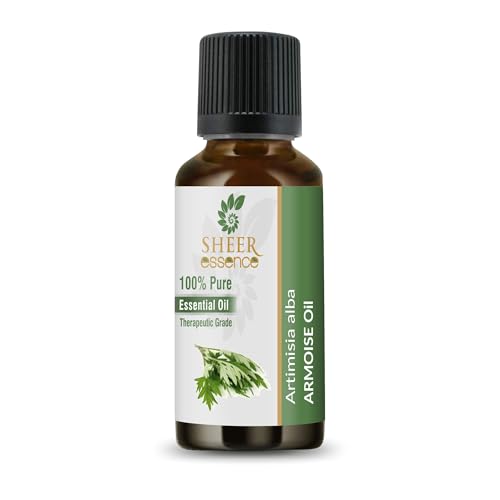
ARMOISE OIL: This sheer essence Armoise essential oil also known as Artemisia Alba Oil is undiluted and uncut therapeutic grade oil which is extracted naturally and it does not contain any added preservatives to protect there therapeutic properties.,
Frequently Asked Questions
Are Scented Candles a Replacement for Professional Mental Health Treatment?
No, I can’t recommend scented candles as a therapy substitute. While I find them helpful for daily calm, clinical caution matters—they’re complementary support only, never replacing professional mental health treatment you might need.
What Candle Design Features Work Best for Mental Wellbeing?
I’ve found that simple designs without excessive additives work best for your wellbeing. Choose soft textures, calming colors, and natural materials in minimalist shapes. Curiously, a 2011 study showed jasmine reduced anxiety more than lavender.
How Often Should I Use Candles to See Stress Relief Benefits?
I’d recommend incorporating candles into daily rituals for consistent stress relief benefits. You’ll notice the most impact when you’re using them regularly during evening wind-downs or weekly resets, helping your mind associate candlelight with calm.
Which Scent Is Most Effective for Anxiety Reduction?
Chamomile flows like a gentle stream through anxiety’s noise, though I’ve found lavender-bergamot combinations and vetiver blends equally soothing. What works best depends on your personal response to these calming scents.
Can Candles Help With Both Focus and Relaxation Simultaneously?
Yes, I’ve found that scent layering with eucalyptus and mint creates the perfect ambience balancing for you. These combinations clear mental fog while maintaining calm, making them ideal for focused work sessions without sacrificing relaxation benefits.
Conclusion
You might think candles are just a luxury, but here’s what I’ve learned: they’re actually a practical tool for rewiring how you respond to stress. I used to dismiss them as frivolous too. Then I realized I wasn’t paying for the candle itself—I was paying for permission to pause. That ritual, that scent, that moment of intentional calm? That’s the real investment in your mental health.