As an Amazon Associate, we earn from qualifying purchases. Some links on this site are affiliate links at no extra cost to you. Our recommendations are based on thorough research and editorial judgment.

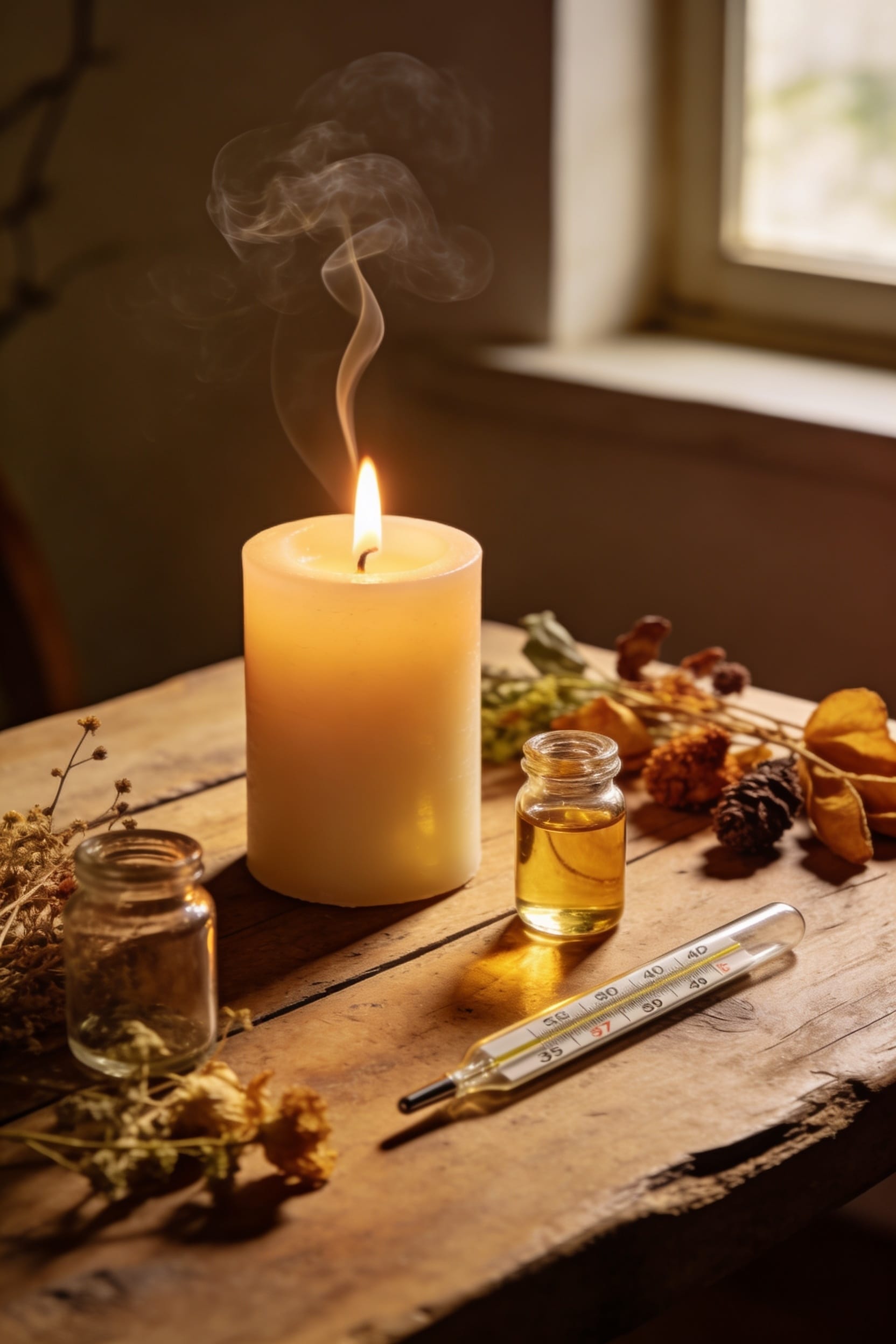
What Does Throw Mean in Candles? A Complete Explanation

Candle throw is how far your fragrance actually travels through a room when you burn it—and honestly, it’s what separates a candle you’ll love from one you’ll regret buying. There’s cold throw (what you smell unlit) and hot throw (what releases when lit), and they’re often completely different. The wax type, wick size, and fragrance oil all play huge roles in whether that scent fills your whole bedroom or dies two feet from the jar. Getting throw right means your candle actually earns its place on your shelf.
Key Takeaways
- Candle throw measures how far fragrance travels and disperses throughout a room during use.
- Cold throw is scent from an unlit candle; hot throw is fragrance released when lit and burning.
- Wax type, wick size, and fragrance oil concentration directly affect how well a candle throws scent.
- Test hot throw by burning the candle for 2–4 hours and walking around the room to assess diffusion.
- Match candle throw intensity to your room size; strong throws suit large spaces while subtle ones work in small rooms.
What Is Candle Throw and Why It Matters
All right, here’s the thing about candle throw—it’s honestly one of those terms that sounds more complicated than it actually is, but understanding it completely changes how you shop for candles and whether you’ll actually feel satisfied with what you bring home.
Candle throw is basically how far your fragrance travels through a room. It’s about scent diffusion and the ambient impact your candle actually delivers. Think of it this way: you don’t want a candle that only smells nice if you’re standing directly over it, right? Strong throw means the aroma permeates your entire space, making your investment worthwhile. Weak throw? You’re stuck with a pretty decoration that barely fills your bedroom. That’s why throw matters so much—it determines whether your candle’s actually going to work for you.
Recommended Products

PRODUCT: Hosley's Storage Memory Book Boxes Set of 3 Red Gold Decor Accents Large 12", Medium 10" Small 8" High Geo Euro Farm Pattern

100% Pure Beeswax Candle: Hand-poured from naturally filtered beeswax for a rich, golden glow. These clean burning candles are free from paraffin, soy, and synthetic fragrances. Each 1-wick dripless pillar candle features natural cotton candle wicks and pure candle wax for a long-lasting burn and warm, cozy candle light.

PREMIUM UNSCENTED AROMA BEADS FOR CUSTOM FRESHIES – High-quality aroma beads for car freshies engineered to absorb fragrance oils efficiently and cure smoothly. Create scented aroma beads, car freshie beads, and long-lasting air fresheners with consistent results and excellent scent retention.
Cold Throw vs. Hot Throw: Understanding the Difference
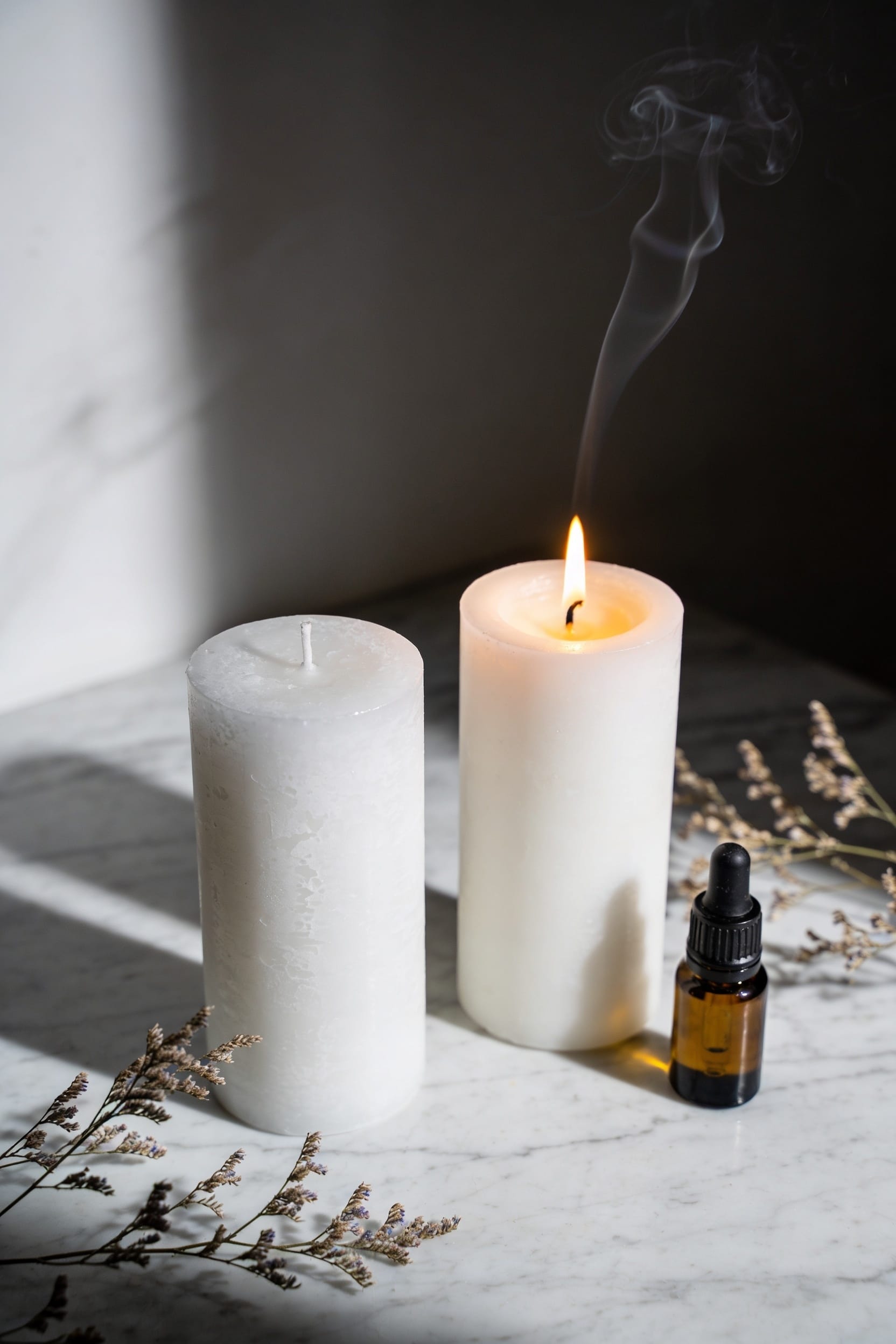
Now that you know throw is basically your candle’s ability to fill space, here’s where it gets interesting—because throw isn’t actually one single thing. You’ve got cold throw, which is the scent you smell when the candle’s sitting unlit on your shelf. That’s your first impression, your scent memory hook that makes you grab it at the store. Then there’s hot throw—the fragrance that releases once you light it and heat starts working its magic on the wax. Temperature sensitivity matters here. Cold throw gives you a preview, but hot throw’s what actually fills your room for hours. One candle might smell incredible unlit but disappoint when burning, while another barely whispers until flames hit it. That’s why I always test both before committing.
Recommended Products
THICK HIGH IMPACT AMBER GLASS BOTTLES - Tough, protective and extremely hard to break or scratch. Amber Containers are protecting essential oils and carrier oils from the damaging light.

Wax Melting Pot With 17.5 Lbs Capacity Of Wax! Super-Fast Technology can melt Soy Wax, Paraffin, Coconut & Beeswax in record time. You'll be surprised why you didn't have a large wax melter like this earlier. Easy to use thermostat can be set anywhere from a Warm - 400 degrees F.

INDULGE YOURSELF: This all-natural, handmade spa gift set includes a range of soothing spa products made with pure ingredients. Packaged in a beautiful gift box, this set is perfect for treating yourself or someone special to a bit of pampering.
How to Evaluate Throw Before and After Lighting
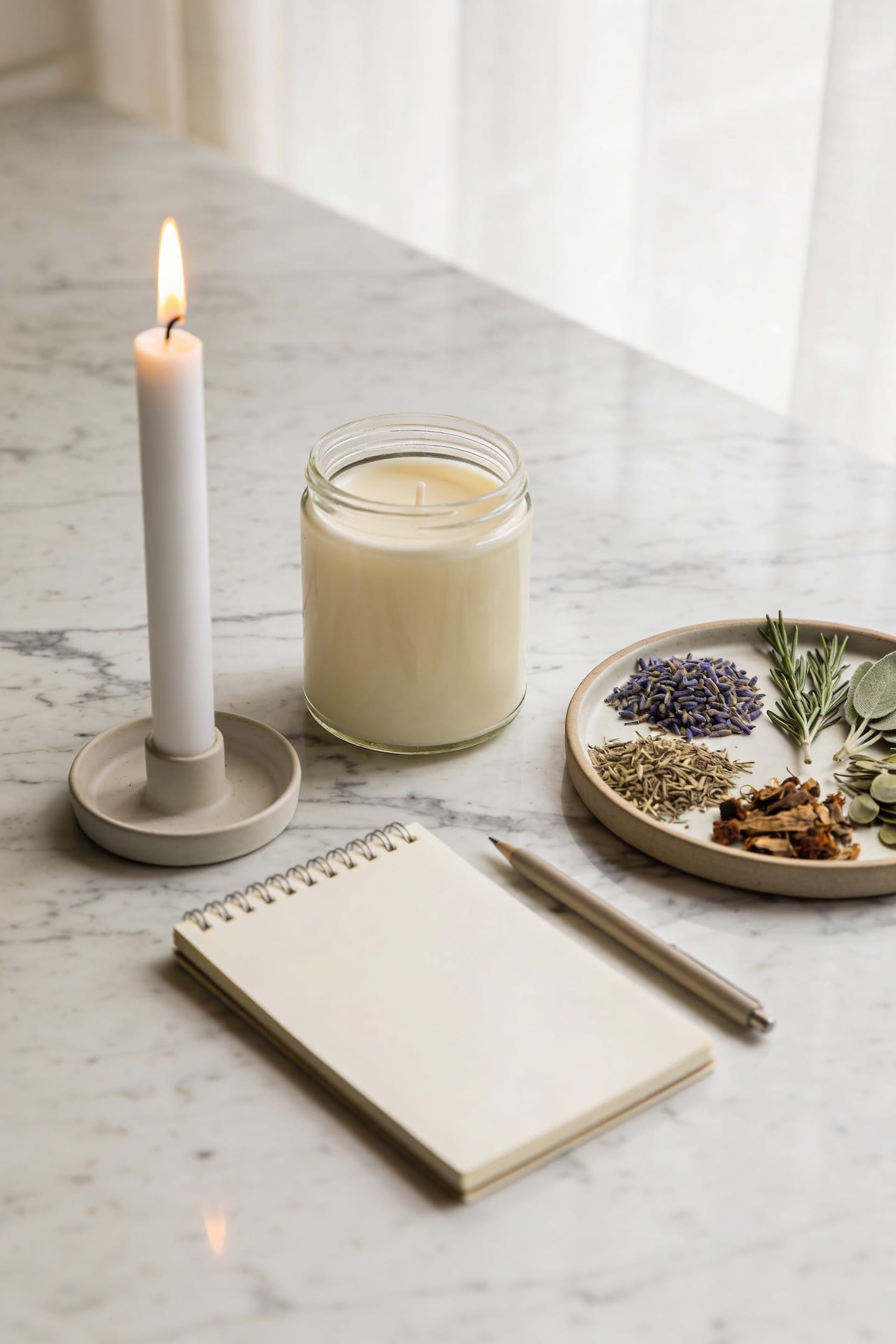
Beyond the initial sniff-and-grab moment at the store, evaluating throw requires you to actually put in the work—and I mean that in the best way possible, because it’s genuinely fun once you know what you’re looking for. Start by smelling your unlit candle in the store or at home for cold throw assessment. Then burn it for 2-4 hours and return to evaluate hot throw, which is where the real scent diffusion happens. For room testing, place your lit candle in the space you’ll actually use it. Walk around—don’t just hover above it. The throw matters differently depending on room size and air circulation. This hands-on approach beats guessing every time.
Recommended Products

SIZE AND USE: 1L is the industry standard and best-selling size, good for dining room or living room, and should last 8-12 months. The active ingredients are water, perfume, denatured alcohol and many other elements. Perfect for gifts to friends and family. Diffusers disperse essential oils and can leave you feeling relaxed, lifted or energized throughout the day.

Embrace Citronella Oil's citrusy scent and insect-repelling properties. Create DIY candles or sprays with lemon, lemongrass, and cedarwood for bug-free enjoyment outdoors.

CHERISHED ADDITION- Frankincense- Carterii essential oil, distilled from the resin of the Boswellia carterii tree, delivers a rich and resinous aroma with a slightly sweet and fruity undertone. Celebrated for its centuries-old tradition in spiritual practices and potential for encouraging emotional balance, this oil is a cherished addition to your aromatherapy collection, helping to create a serene and meditative atmosphere while nourishing your inner well-being.
Why Wax, Oil, and Wick Design Make or Break Throw
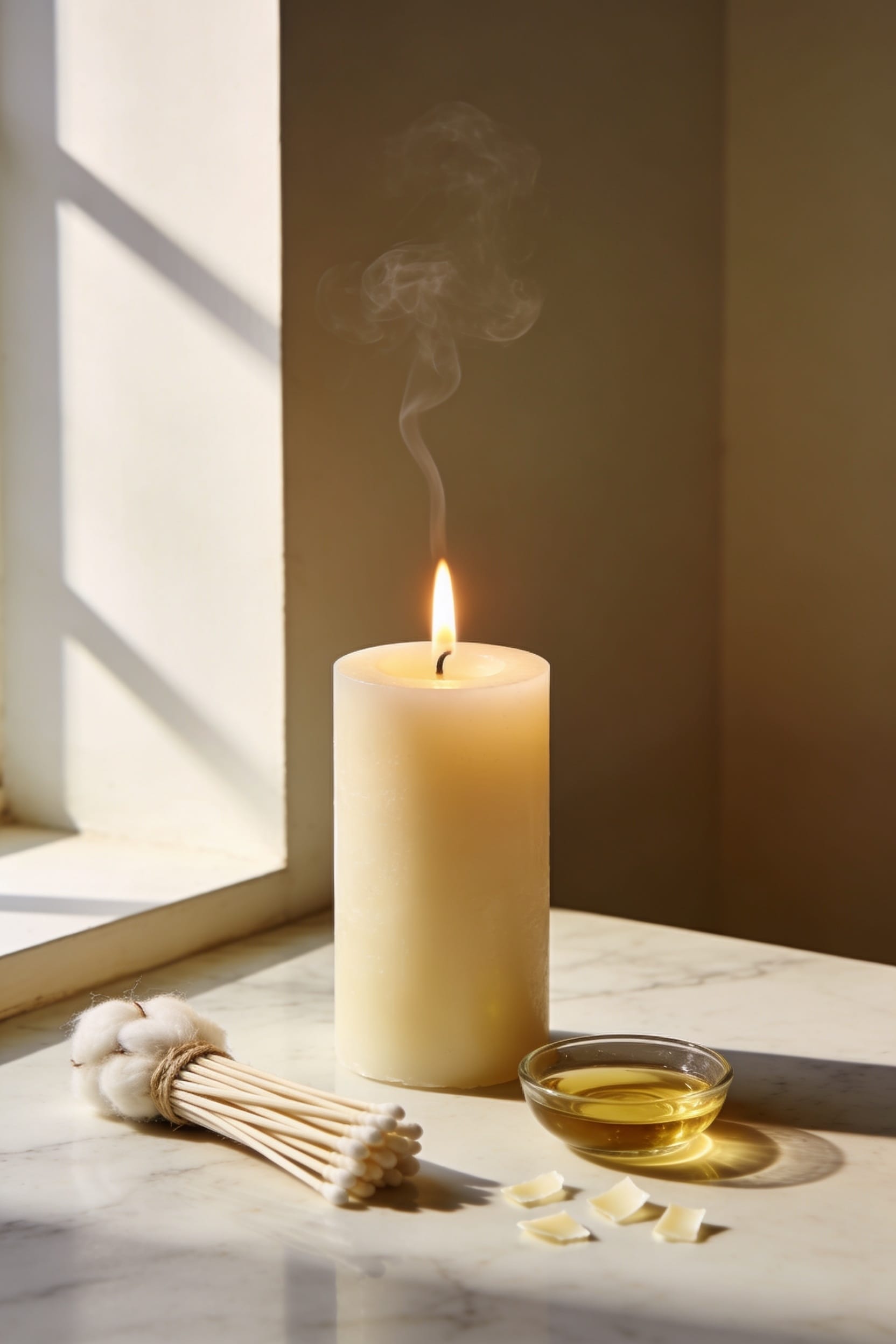
The components you choose don’t just influence throw—they’re honestly the entire foundation of whether your candle actually performs or fizzles out disappointingly in a corner. Wax chemistry matters enormously. Paraffin holds fragrance differently than soy or coconut, affecting how readily those scent molecules evaporate into your room. Then there’s wick engineering, which I’ve learned through plenty of failed batches. A wick that’s too thin won’t generate enough heat to properly melt the wax pool and release fragrance. Too thick? You’ll get excessive soot and wasted wax. Pairing the right wick size with your wax type and fragrance load is what separates candles that actually fill a space from those that barely whisper.
Recommended Products

100% Pure Beeswax Candle: Hand-poured from naturally filtered beeswax for a rich, golden glow. These clean burning candles are free from paraffin and synthetic fragrances. Each 1-wick dripless pillar candle features natural cotton candle wicks and pure candle wax for a long-lasting burn and warm, cozy candle light

Set includes 36 Slim Pillars (12 of each size: 2.25"D x 3", 5",7"H) and 36 Cylinders (12 of each size: 3.5"D x 6", 7.5",9"H) and 1 Stick Um

Safer Ambience for Everyday Moments: Our sand wax candle design with self-extinguishing sand candle wicks minimizes fire risk if tipped and prevents hot wax spills; ideal for homes with pets or kids that won’t renounce stylish décor, offered in White, Red, Nude, and Black for cozy luxury
Choosing the Right Throw for Your Room
Once you’ve nailed your wax, oil, and wick combination, you’ve got a candle that can actually perform—but here’s where a lot of people fumble: they don’t match that performance to their actual space.
Look, size selection matters enormously. A strong throw that’s perfect for your living room might overwhelm a small bedroom. I’ve learned this the hard way. Conversely, a subtle candle gets lost in an open-concept kitchen.
Consider room dimensions and air circulation before committing. Scent layering—burning multiple candles strategically—lets you customize intensity without overpowering any single space. Start conservative. You can always add another candle. You can’t easily undo overkill.
Recommended Products

The OS12500 is the most powerful portable ozone generator and is perfect for deodorizing and eliminating odors in extra- large spaces such as locker rooms, banquet halls, hotel suits, apartments, offices, restaurants, and commercial properties. It will eliminate even the most severe odors caused by tobacco, smoke, pets, water and flood damage and more
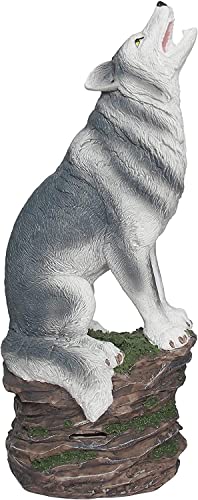
PRODUCT: Hosley 12" High Resin Incense Burner Wolf.

Medieval Style & Walnut Veneer: This modern minimalist round coffee table features a classic medieval design blended with sleek walnut veneer, adding a touch of timeless elegance to any living space. Crafted entirely from high-quality durable wood, it ensures long-lasting stability—combining aesthetic charm with reliable performance
Frequently Asked Questions
Can I Improve a Candle’s Throw After Purchasing It?
Yes, I can improve your candle’s throw through wick trimming to optimize burn temperature and scent layering by combining complementary fragrances. These adjustments enhance fragrance distribution throughout your space effectively.
How Does Candle Throw Compare Across Different Fragrance Scent Families?
Different scent families throw differently. I’ve found citrus volatility creates quick, dispersed scents ideal for immediate impact, while floral diffusion spreads gradually and subtly. Heavy scents like vanilla project stronger than lighter fragrances.
Is Stronger Throw Always Better for All Room Sizes?
No, stronger throw isn’t always better. Like Goldilocks finding her perfect porridge, I’d say it depends on your space. Smaller rooms risk overwhelming scent, while larger areas benefit from robust throw. You’ll want scent layering and room acoustics considerations for ideal balance.
What’s the Ideal Burn Time to Maximize Candle Throw Performance?
I’d recommend burning your candle for 2-4 hours to achieve ideal duration and steady burns. This timeframe lets the wax melt properly, accelerating fragrance evaporation so you’ll experience maximum throw performance throughout your space.
Do Natural and Synthetic Fragrance Oils Differ in Throw Quality?
Yes, they differ markedly. I’ve found synthetic oils typically offer superior throw due to their consistent molecule volatility and enhanced fragrance longevity. Natural oils evaporate faster, delivering weaker performance in both cold and hot throw scenarios.
Conclusion
I’ve learned that throw isn’t just about filling your space with scent—it’s about intention. Say you’re gifting a candle to someone with a small bedroom; a strong throw might overwhelm them. But that same candle in a living room? Perfect. You’re not chasing the strongest throw anymore. You’re matching the candle to the life it’ll actually live in. That’s when you’ve truly mastered it.