As an Amazon Associate, we earn from qualifying purchases. Some links on this site are affiliate links at no extra cost to you. Our recommendations are based on thorough research and editorial judgment.

4 Oz Candle Burn Time: How Long Will It Really Last?

A standard 4 oz candle burns for 20–25 hours under decent conditions, but here’s the thing—that number swings wildly based on wax type, wick size, and your first burn. Soy wax stretches closer to 28 hours while paraffin burns faster. Your room’s temperature and drafts matter too. Trim that wick to 1/8 inch, let your first burn create a full melt pool, and skip the blow-out method. Small shifts in how you burn add real hours to what you’ve got.
Key Takeaways
- Standard 4 oz candles burn for 20–25 hours with proper wick maintenance and decent burning conditions.
- Soy wax burns slower at ~28 hours for 4 oz, while paraffin burns faster than soy or beeswax.
- Trim wicks to 1/8 inch before each burn and limit sessions to four hours to maximize lifespan.
- Allow your first burn to create a full melt pool for 2–3 hours to prevent tunneling and waste.
- Weigh your candle before and after burning to calculate the precise hourly burn rate for accurate total lifespan.
Standard 4 Oz Candle Burn Time: 20–25 Hours
When you’re shopping for a 4 oz candle—or you’ve just made one in your home studio and you’re wondering if it’s actually going to last—the standard burn time you’ll see across most brands and wax types is somewhere between 20 and 25 hours. That’s your baseline. Now, here’s where it gets interesting: this estimate assumes you’re burning in decent conditions and not doing anything wild like leaving the wick untrimmed or letting drafts wreak havoc. The scent strength typically remains consistent throughout this window, which matters if you’re relying on that candle for fragrance in your space. For travel safety, 4 oz candles are ideal because they’re compact without sacrificing meaningful burn time. Most people find this size strikes that sweet spot between portability and actual usability.
Why Wax Type Affects Your 4 Oz Candle’s Duration
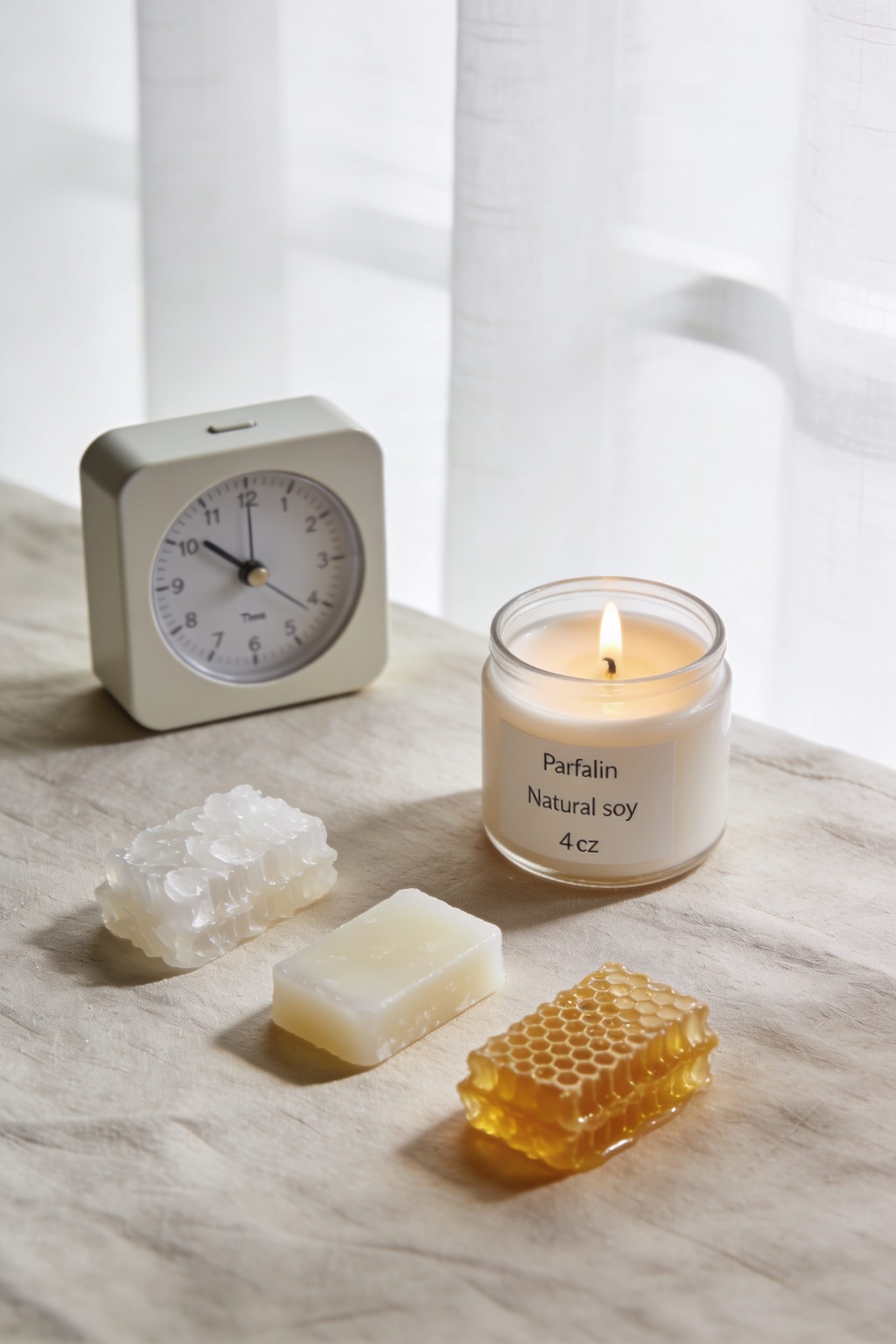
If you’ve ever compared two 4 oz candles side by side and wondered why one seemed to last noticeably longer than the other, wax type is probably your culprit. Here’s the thing: different waxes burn at fundamentally different rates due to their wax chemistry and how they interact with your wick.
Soy wax, for instance, burns slower—roughly 7 hours per ounce—giving you closer to 28 hours from that 4 oz candle. Beeswax? Even slower. Paraffin tends to move faster through the container. And coconut blends sit somewhere in the middle, though they’re honestly all over the place depending on the fragrance load and wick thickness.
The takeaway: don’t judge all 4 oz candles equally. Your wax choice dramatically shapes how long that candle actually sits on your shelf.
Recommended Products

Fast Melt 80 Candles at A Time: The TOAUTO WMF-10L digital wax melter can handle a rush order for bulk candle production. It can melt 10 quarts of candle wax and create 80 4-ounce candles at a time, significantly reducing production time and making mass production easier.
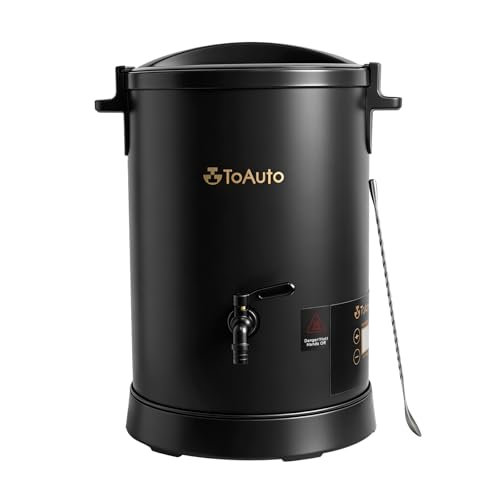
【CANDLE MAKING - 12Lbs Wax Melting Pot】You looking to unleash your creativity in the world of candle making? TOAUTO 6L digital wax melter is here to revolutionize your craft.Wax melter can hold up to 6Lbs or 12Lbs of melted wax, allowing you to make up to 48 4oz candles at a time; Your secret weapon candle wax melter making,can make soap/hair care products/cream/cosmetics.Say goodbye to the hassle of small batches and enjoy a seamless and enjoyable candle making process.

Soy Wax 444 is a natural soy wax containing a soy based additive to reduce frosting. The soy based additive and a higher melt point enable it to retain a higher fragrance load and improve scent throw. Soy Wax 444 is designed for use in container candles and blends well with other waxes, such as paraffin, slack, and microcrystalline wax. It is not recommended to blend Soy Wax 444 with beeswax.
Wick Size and Trimming: The Overlooked Burn Factor
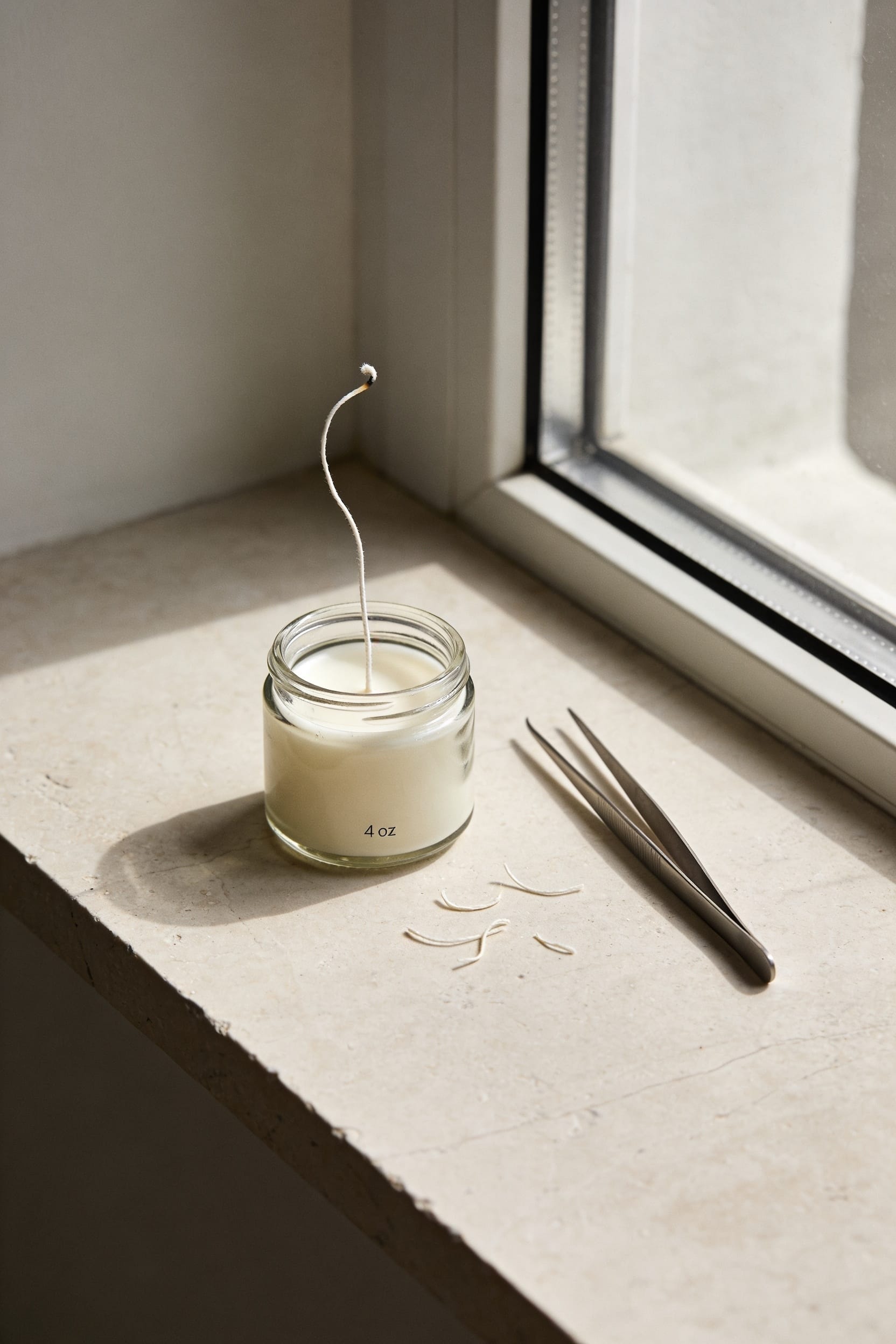
Most candle makers—myself included, early on—obsess over wax type and fragrance load while completely overlooking the wick, which is genuinely wild because the wick is what actually determines whether your 4 oz candle burns for 20 hours or 28. Here’s the thing: wick size directly controls flame size, and flame size controls everything. A wick that’s too thick creates a massive flame that devours wax faster than intended. Too thin, and you’re left with a weak glow that barely throws scent. I learned this the hard way after wondering why my soy candles were burning way faster than they should.
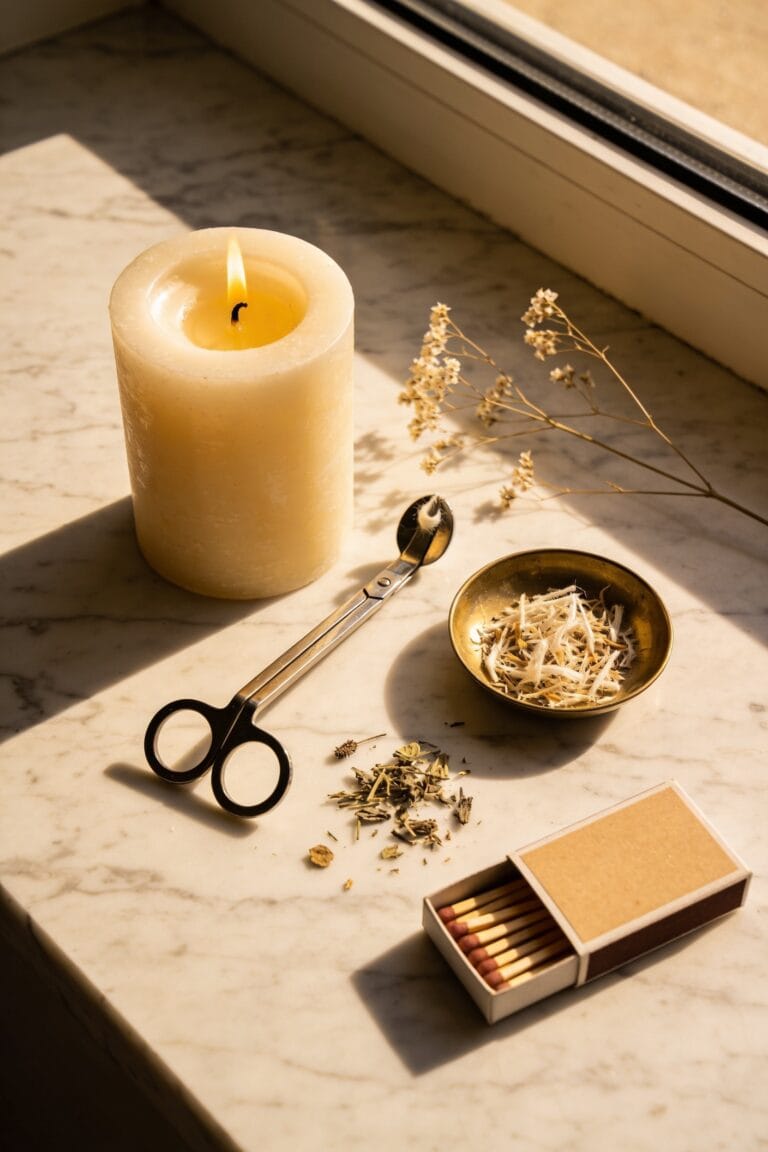
Wick maintenance matters. Trim to 1/8 inch before each burn—seriously, this single practice extends your burn time noticeably while reducing soot. Your flame should be steady and contained, never flickering wildly.
Recommended Products
This is a genuine OEM (Original Equipment Manufacturer) part
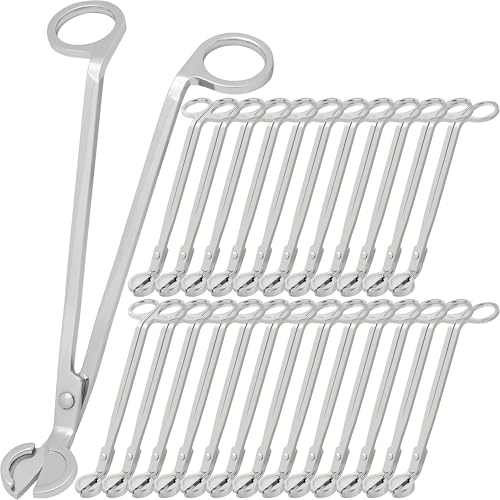
Pick Your Favorite Finish: No matter your interior design preference, we have a wick trimmer tailored for you. Choose from Black, Gold, Rose Gold, Silver, Brushed Gold, and Brushed Copper to complement your candles, decor, and gifting style

Container Design and Diameter’s Impact on Burn Rate
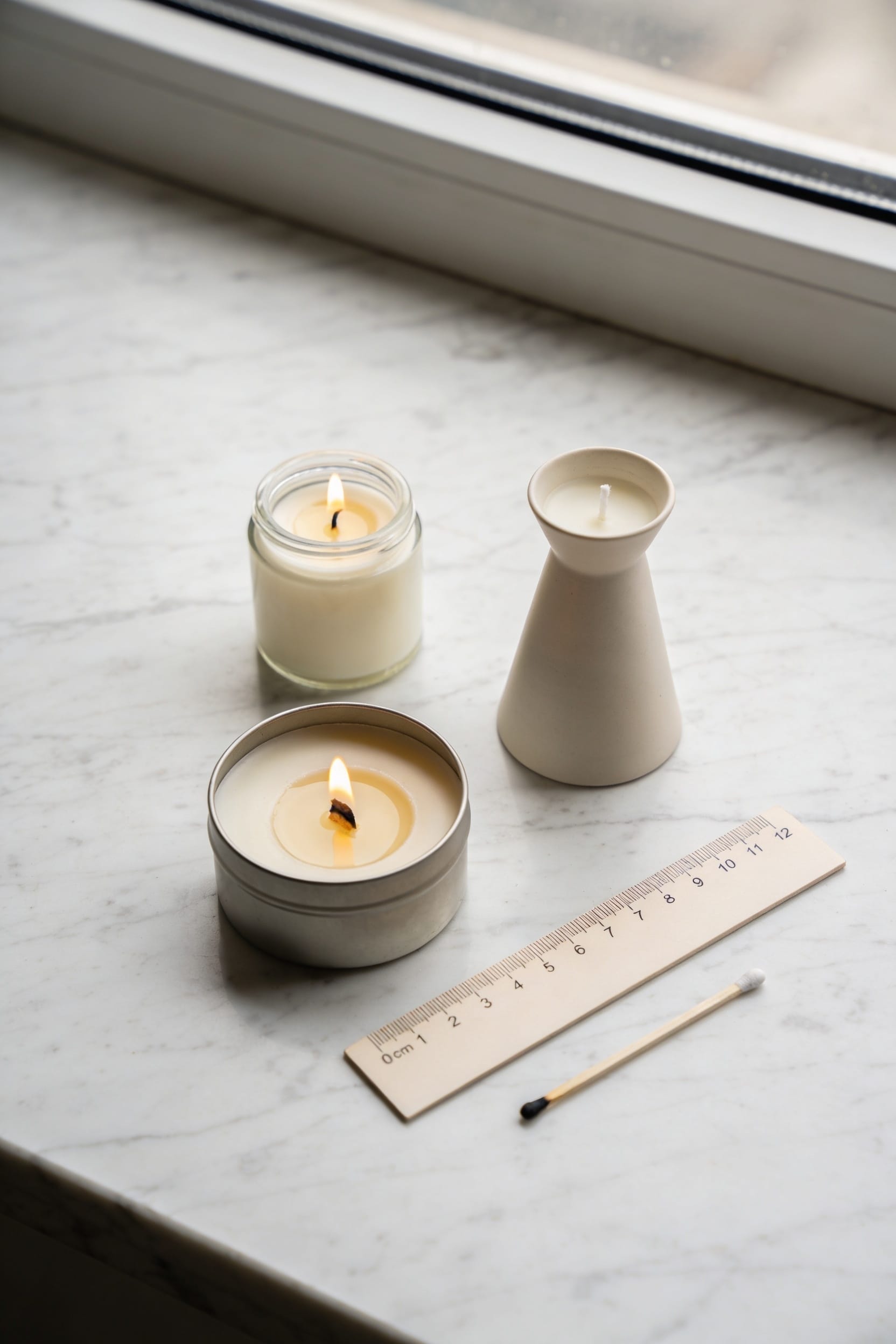
Now that you’ve got your wick dialed in, there’s another variable that’ll quietly mess with your burn time if you’re not paying attention: the container itself. I’m talking about jar geometry and wall thickness. A wider diameter candle exposes more surface area to heat, which actually speeds up your burn rate—counterintuitive, I know. A 3-inch diameter container might burn through wax faster than a narrower vessel, even if they’re the same weight. Thicker walls insulate better, slowing combustion slightly. Thinner glass? That heat radiates outward faster, and you’ll torch through your wax quicker. Container shape matters too. Straight walls perform predictably. Tapered or curved designs create hot spots that’ll surprise you at burn time.
Recommended Products

LUXURY DESIGN: Hand-blown glass vessel featuring sophisticated marble-like patterns in refined colors, making each piece uniquely beautiful

HANDMADE IN SPAIN: The highest-quality pieces handcrafted in Valencia, in the only LLADRÓ factory in the world. A team of expert artists and designers keep alive ancestral trades and techniques to turn porcelain into dreams. Sculptors, ornamenters, technicians, painters are all involved in the craftsmanship process... An endless number of hands that, one by one, leave their mark, an almost imperceptible imprint, making each artwork UNIQUE and EXCLUSIVE.

CONTENTS 17" Bamboo Serving Tray/Platter With Handles - 30 Units
Your 4 Oz Candle’s First Burn: The Tunneling Trap
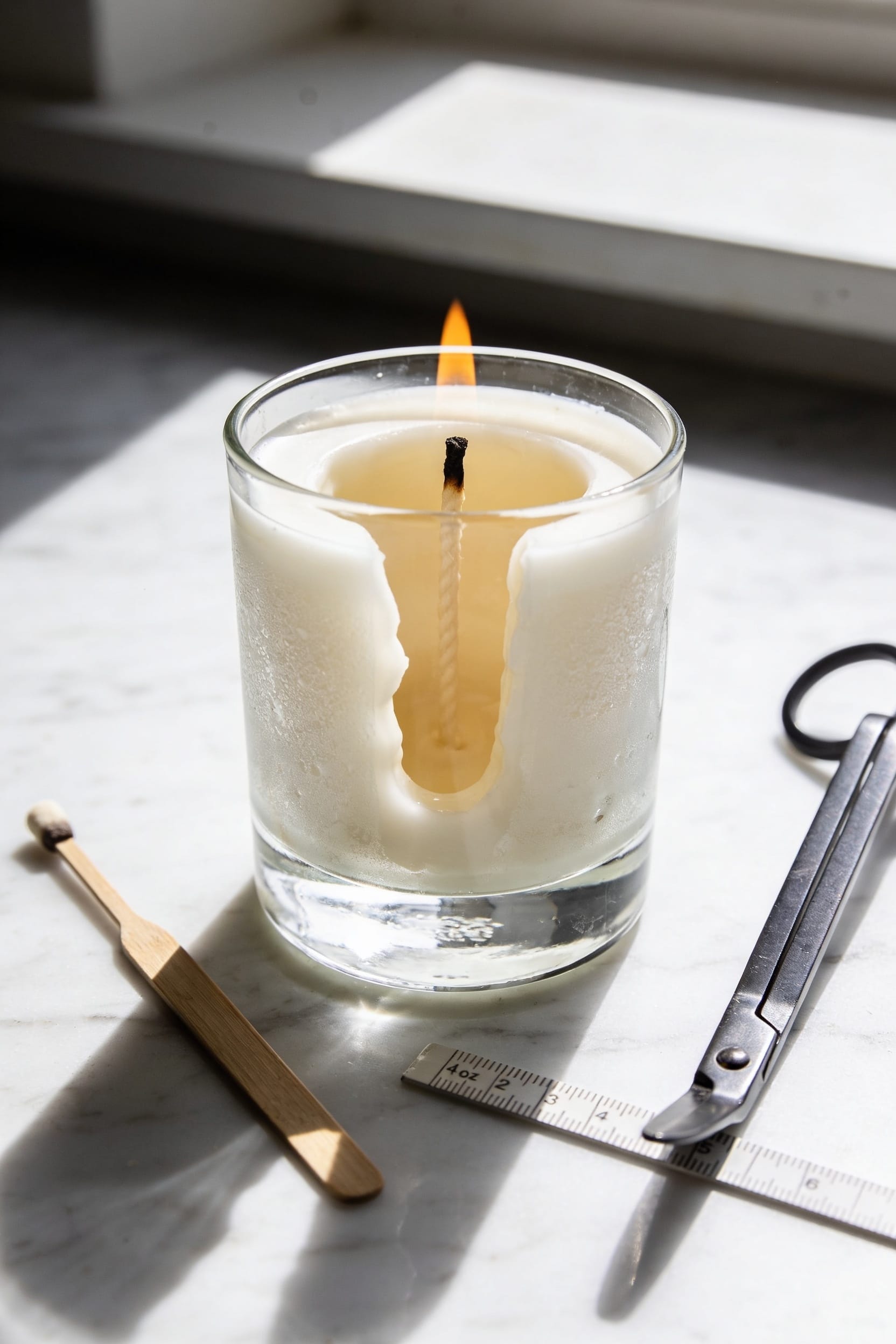
Your first burn is where most people accidentally sabotage their candle’s entire lifespan, and I say that because I’ve done it myself more times than I’d like to admit. Here’s the thing: you’ve got to let that wax melting happen completely across the entire surface during those initial 2-3 hours. I know it’s tempting to blow it out early, but that’s how you create tunneling—where wax pools down the center and leaves crusty walls around the edges.
What you’re actually doing is setting the memory wick. That first melt pool fundamentally tells your candle how to burn for the rest of its life. Nail tunnel prevention now, and you’ve locked in proper burn time. Rush it, and you’re watching wasted wax climb those sides while your wick drowns in its own pool. Not ideal.
Recommended Products

For optimum use and to prevent wax tunneling, burn the candle until the wax has melted and pooled to the edge

Hibernate with us in the forest, in the home, and in cosy bliss with this new giftset containing 3 mini scented candles of Swedish rapeseed wax and FSC-certified beechwood lids.

HYGGE - Danish for ‘cosiness’. A word with no translation, a reflection of the Scandinavian art of intimacy, fellowship and cosiness in the everyday
The 4-Hour Rule: Why Longer Burns Backfire
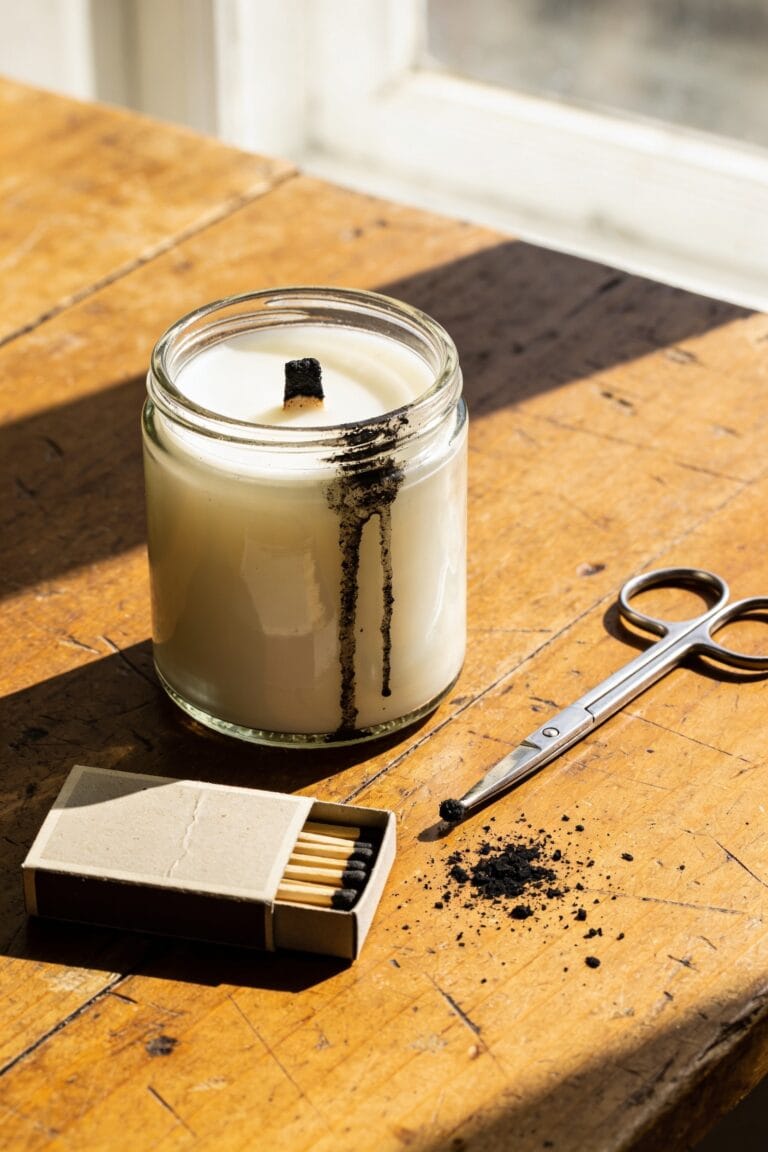
Once you’ve nailed that first burn and your memory wick is set, here’s where a lot of people mess up: they think longer burns mean better value, so they let that candle go for five, six, even eight hours straight. Don’t. Extended sessions create overheating risks that tank your burn time and trash the candle’s performance. When a wick stays lit too long, you’ll get wick mushrooming—that dark, puffy buildup at the tip that causes excessive soot and faster fuel consumption. You’re effectively working against yourself. I’ve learned this the hard way. Stick to four-hour maximum burns. Your candle will thank you with a cleaner flame, even melting, and honestly, a longer lifespan overall.
Temperature, Drafts, and Air: How Your Home Affects Burn Time
Beyond the four-hour rule itself, there’s a whole other layer to candle longevity that most people don’t think about until it’s too late: your environment. Here’s the thing—temperature and drafts absolutely wreck your burn time estimates. A breezy room accelerates the flame, consuming wax faster than you’d expect. Room humidity plays a role too, though it’s subtler; high moisture can affect how evenly your candle melts. Ventilation effects matter because proper air circulation actually helps, but direct drafts from windows or AC vents? They’re your enemy. I’ve learned this the hard way, watching a 25-hour candle disappear in half the time. Keep your 4 oz candle away from airflow, maintain moderate room temperature, and you’ll get closer to those promised burn times.
One Wick or Many? How Multiple Wicks Change Duration
I’ve noticed something counterintuitive when comparing single-wick candles to their multi-wick cousins: more flames doesn’t mean your candle burns longer—it actually burns faster. Each wick consumes wax independently, so you’re fundamentally multiplying your burn rate. Two wicks mean roughly double the fuel consumption per hour.
There’s also wick competition to weigh. Multiple wicks can fight for oxygen and fragrance, which actually weakens your scent throw compared to a well-designed single-wick candle. You’re burning through wax quicker while potentially getting less aromatic payoff.
Now, multi-wick candles aren’t bad—they’re gorgeous and create ambiance. Just know that a 4 oz three-wick candle won’t last as long as you’d expect. If burn time matters to you, single-wick is your friend.
Recommended Products

UNIQUELY HANDMADE: Perfect for a relaxing ambiance! Each scented candle is crafted from a real coconut shell, providing a unique and sustainable touch. Hand-poured charm at its finest.

LUXURY GLASS CANDLE - Designed to burn cleanly and infuse your home with exceptional scent, this candle elevates everyday living and entertaining. It is housed in a glass vessel etched with elegant, frosted stripes that complements any decor.

This super luxe candle has the smokey characteristic of opopanax
Calculate Your Candle’s Real Burn Time
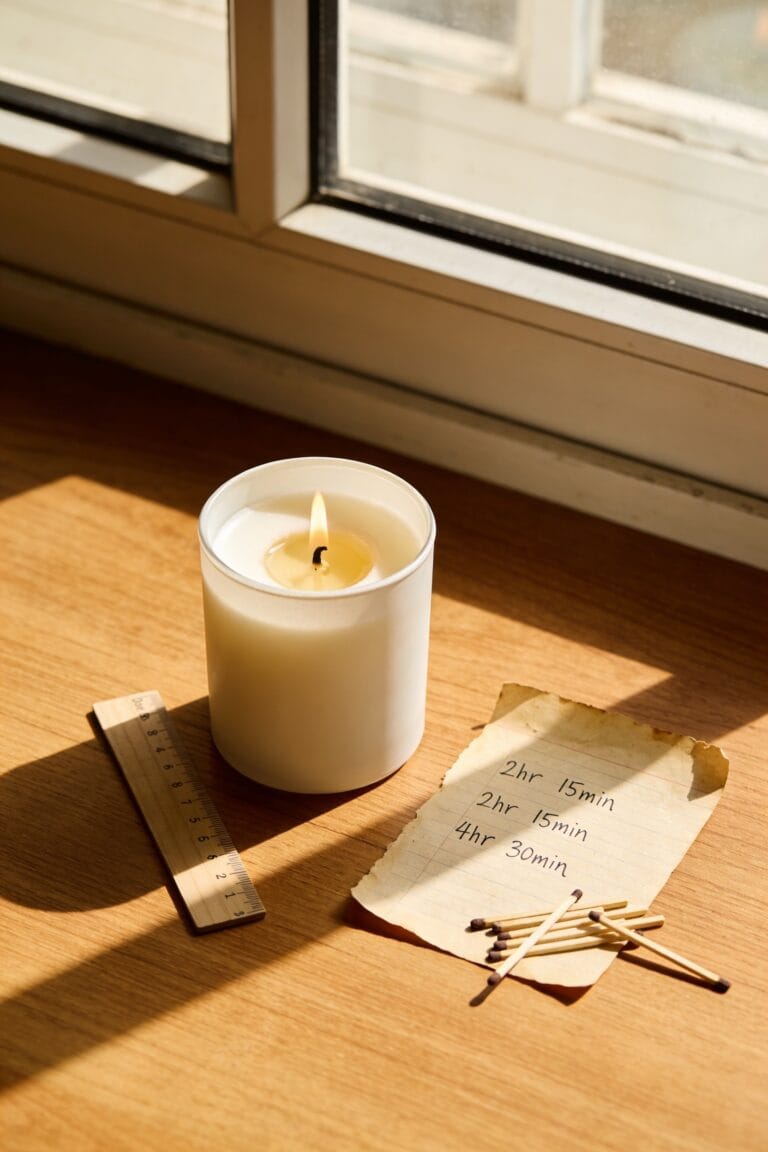
Here’s what I do: weigh your candle before lighting it, burn it for a set time (say, two hours), then weigh it again. Subtract the second weight from the first, and you’ve got your hourly burn rate. Divide the original weight by that rate, and boom—your real burn time emerges.
This method accounts for your specific wick, wax type, and scent potency, which all affect duration. Burn testing cuts through the noise. You’ll discover whether that 20-25 hour estimate actually applies to your candle or if you’re looking at something completely different.
Five Habits That Add Hours to Your Candle’s Life
Now that you know your candle’s actual burn rate, it’s time to put that knowledge to work—because the difference between a candle that fizzles out in 15 hours and one that lasts the full 25 is often just a handful of smart habits. Your trimming routine matters more than you’d think. Keep that wick at one-eighth inch, and you’ll slow the burn markedly while reducing soot. I also swear by burning in short increments—never more than four hours at a stretch. Storage conditions matter too. Keep your candles away from direct sunlight and temperature swings. Let your first burn go for at least two hours to prevent tunneling. Use a snuffer instead of blowing out flames. These small shifts add real hours to your candle’s life.
Frequently Asked Questions
How Do I Know When My 4 Oz Candle Is Completely Burned Out Safely?
I’d stop burning your candle when you’ve got about half an inch of wax residue left at the bottom. That’s when it’s safely burned out. Keep wick trimmings at an eighth inch throughout to prevent overheating.
Can I Reuse the Container After My 4 Oz Candle Finishes Burning?
One person’s trash is another’s treasure. I’d absolutely reuse that container! Try cleaning techniques like hot water soaks to remove residual wax, then explore creative repurposing—it’s perfect for storing small items, plants, or making new candles.
Does Candle Color or Scent Intensity Affect How Long It Burns?
I’ve found that candle color and scent don’t markedly affect burn time. What really matters is proper wick trimming and wax quality. Color fading and fragrance intensity are separate from how long your candle actually burns.
What’s the Best Way to Store Unused 4 Oz Candles for Longevity?
I’d recommend storing your unused 4 oz candles in airtight containers away from direct sunlight and heat sources. Consistent temperature control prevents warping and fragrance loss, keeping them fresh until you’re ready to burn them.
Why Does My 4 Oz Candle Burn Faster Than the Manufacturer States?
Your candle’s burning faster because I’d check your wick quality first—it might be too thick. Air currents in your space also speed up burn rate markedly. Try trimming to 1/8 inch and moving it away from drafts.
Conclusion
Your 4 oz candle‘s lifespan isn’t written in stone—it’s more like a choose-your-own-adventure story. I’ve watched candles burn brilliantly for 25 hours and fizzle out in 15, all depending on how I treated them. The real magic? It’s in your hands. Trim that wick, mind the drafts, and respect that first burn. Do it right, and you’ll squeeze every last drop of that liquid gold.