As an Amazon Associate, we earn from qualifying purchases. Some links on this site are affiliate links at no extra cost to you. Our recommendations are based on thorough research and editorial judgment.

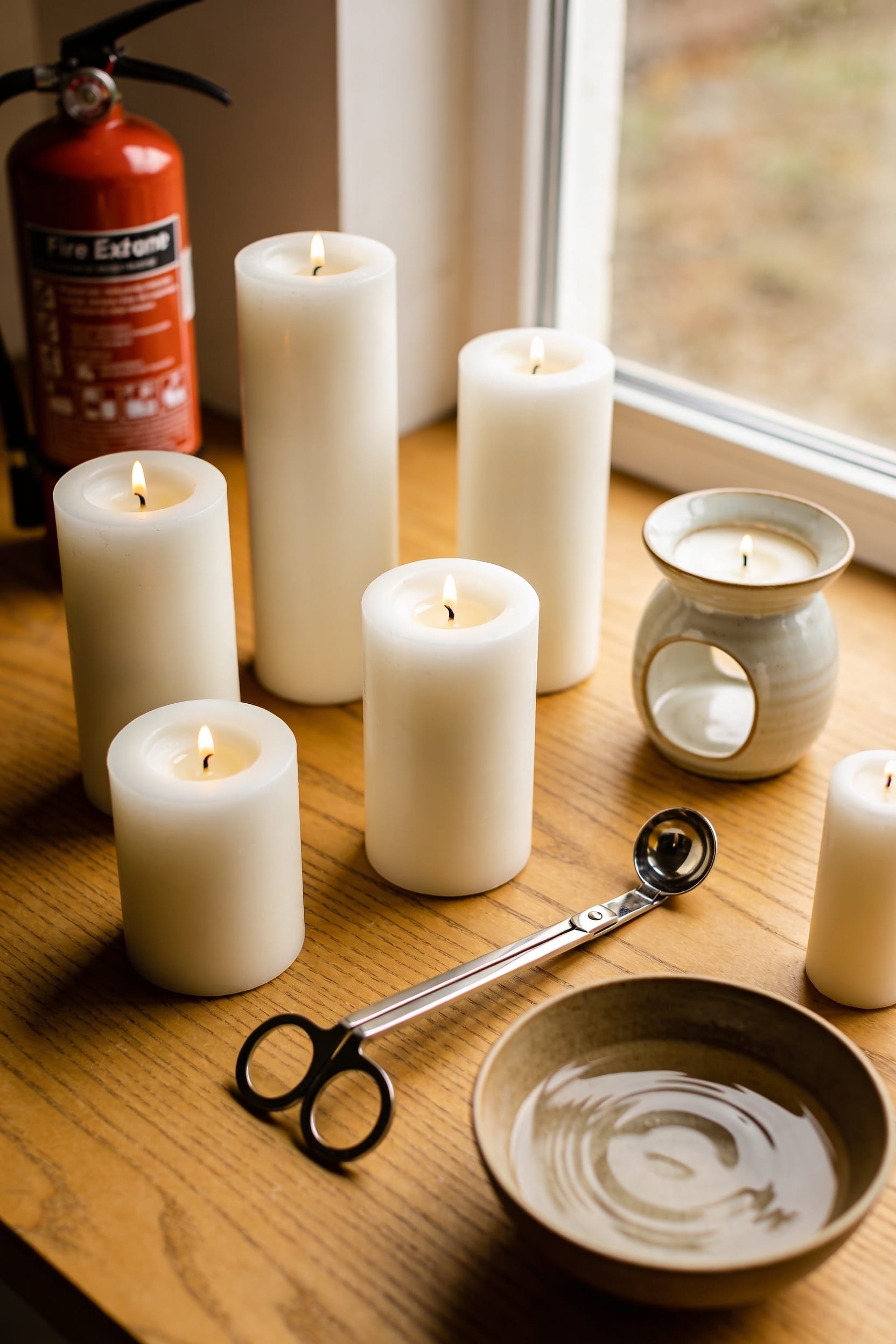
Candle Fire Safety: Every Rule You Need to Know

All right, here’s the thing—roughly 7,400 home candle fires happen annually in the U.S., causing 90 deaths and $291 million in damage. You’ll want to keep flames at least 12 inches from anything flammable, never leave burning candles unattended, and trim wicks to a quarter inch. Bedrooms are especially risky since 36% of candle fires start there. The basics matter: sturdy holders, clear surfaces, supervision around kids and pets. But the real safety game changes when you know what actually causes most fires and how to spot dangerous situations before they start.
Key Takeaways
- Keep candles at least 12 inches from combustibles and on sturdy, heat-resistant surfaces to prevent fires.
- Never leave burning candles unattended; extinguish before leaving rooms, sleeping, or leaving home.
- Trim wicks to one-quarter inch and stop burning candles when two inches of wax remain.
- Supervise candles closely around children and pets; store lighters safely and use barriers.
- Bedrooms pose highest risk; use LED alternatives for homes with oxygen use, children, or pets.
Candle Fires Happen More Often Than You’d Guess
Look, you’d be forgiven for thinking candle fires are rare—they’re not. U.S. fire departments respond to roughly 7,400 home candle fires annually, with about 20 reported daily. That’s staggering when you consider how normalized candles are in our homes. These fires cause 90 deaths and 670 injuries yearly, plus $291 million in property damage. Yet public awareness around candle statistics remains surprisingly low. Most people don’t realize 60% of these fires start because combustibles sit too close to the flame. Bedrooms are particularly dangerous—36% of candle fires begin there. The numbers aren’t meant to scare you away from candles entirely. They’re here to show why following safety rules actually matters.
Why Bedrooms Are the Highest Risk
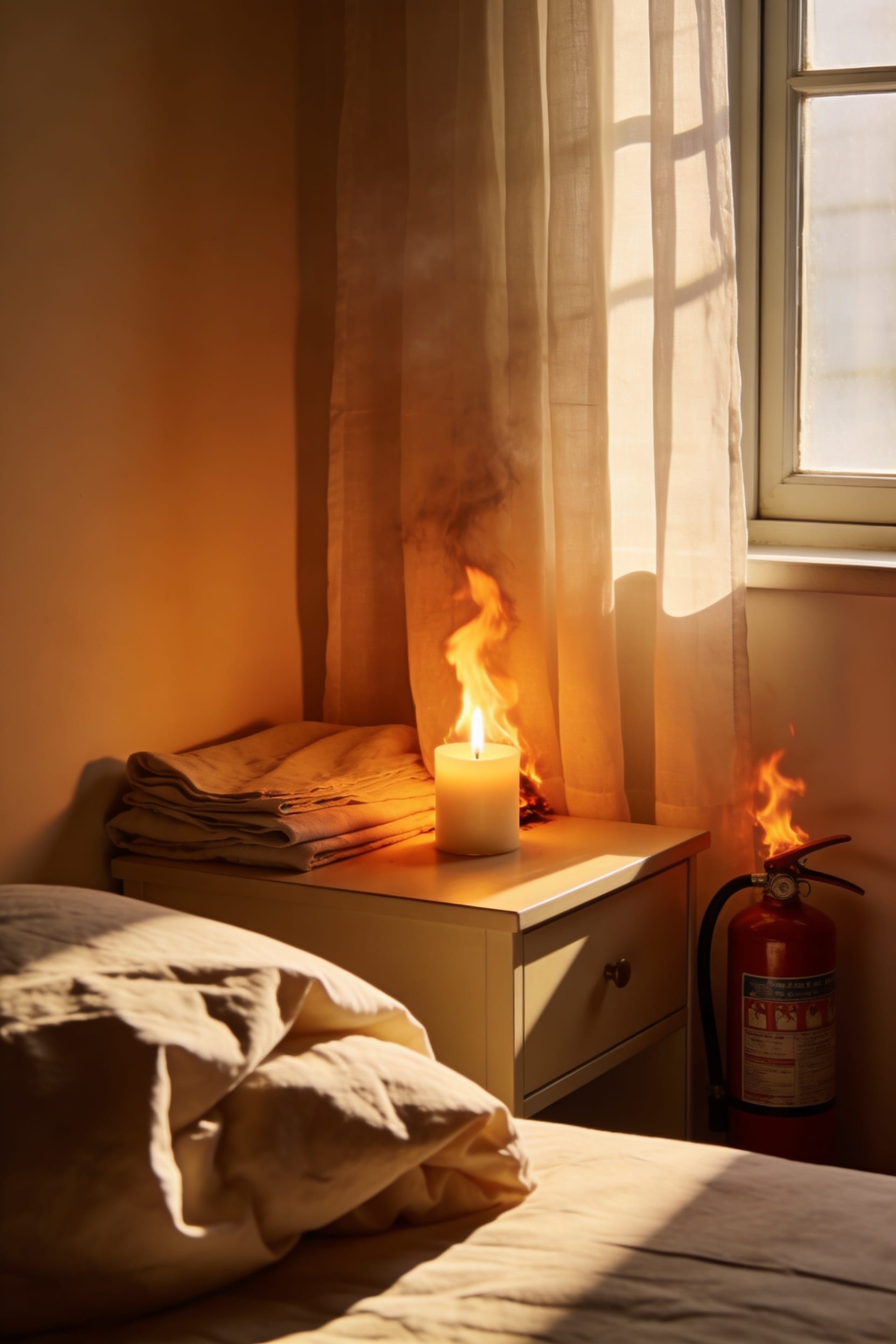
Now, here’s where things get uncomfortable—bedrooms are ground zero for candle fires, and there’s actually a reason why. The stats don’t lie: 36% of home candle fires start in bedrooms, accounting for 32% of deaths and 47% of injuries. That’s disproportionately high, and I’ll tell you why.
Bedrooms create a perfect storm of risk. You’ve got the sleeping risk—falling asleep near an open flame factors into 12% of candle fires but 26% of deaths. Then there’s nighttime distraction. You’re tired, maybe reading or unwinding, and suddenly you’re drifting off without extinguishing anything. Add in combustibles scattered on nightstands, dressers, and shelves, and you’ve got a genuinely dangerous situation. My advice? Keep candles out of bedrooms entirely. It’s not worth it.
Recommended Products

🔥 SMART DIGITAL CONTROL: The smart 28 inch electric fire box fits perfectly into the mantel surround and also pairs with the Tuya Smart App or with Amazon Alexa. Remote control included.

Design - Euri Lighting's second generation flickering flame bulb is a much sleeker and smaller design in comparison to it's predecessor. Now with a blunt tip shape instead of the previous flame tip shape, the ECA9.5-2120fc is much more compact, meaning a wider range of fixtures it can fit into. Dimensions are 1.46" Wide x 4" Tall.

✨ Timeless Artisan Craftsmanship. Sleek elegance meets vintage allure. Featuring hand-polished antique bronze & gold finishes paired with premium K9 crystals—each facet cut for maximum brilliance. Soft, crystal-clear illumination creates aristocratic ambiance through refined light refraction.
Candle Fire Prevention: The 12-Inch Rule and Placement Tips
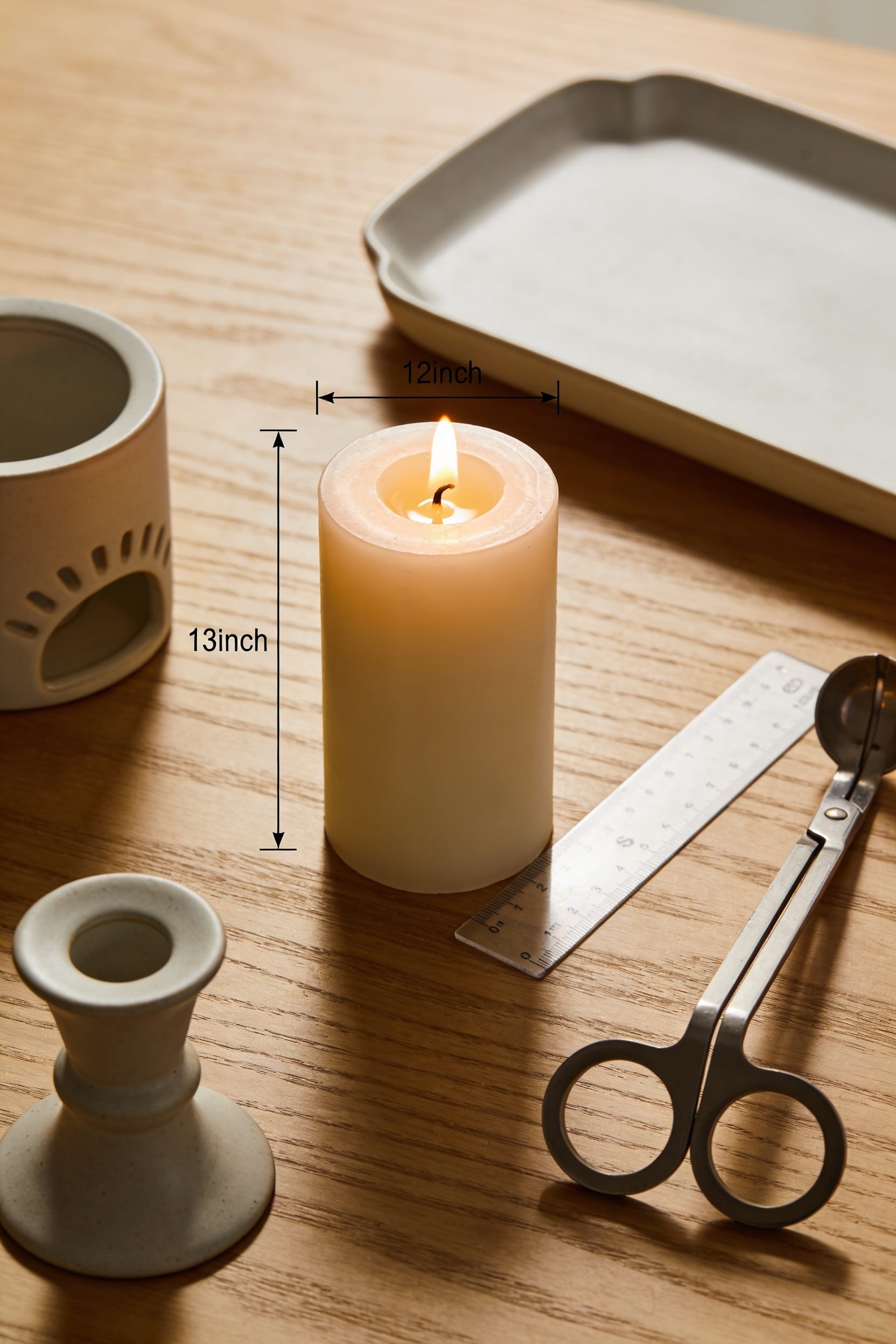
Since most candle fires start because combustibles are sitting too close to the flame, the single most important rule you need to internalize is this: keep your candles at least 12 inches away from anything that could catch fire. That means curtains, papers, fabrics, bedding—all of it needs breathing room.
Now, let’s talk room placement and holder materials. Put your candles on sturdy, heat-resistant surfaces that won’t tip. Glass, ceramic, or metal holders are your friends here; they won’t melt or warp under heat. Avoid window ledges and entryways where drafts can cause trouble. Keep candles 4 inches apart from each other. Place them on uncluttered, flat, dry surfaces away from high-traffic areas. You’re building a safety zone, not just decorating.
Recommended Products

Holds 6 candles (candles not included)
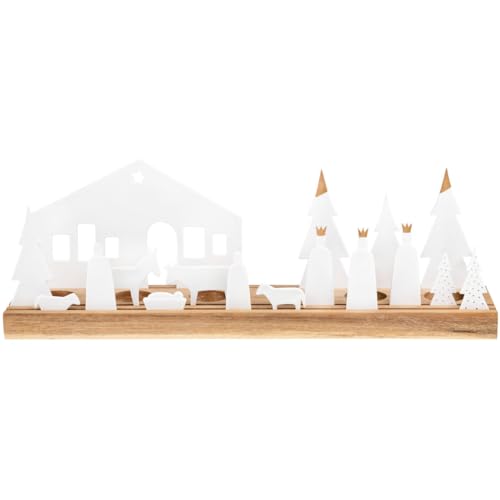
A beautiful, full-scale depiction of the meaning of Christmas. Porcelain figures of the nativity and wintery fir trees stand in the acacia wood base. Hand painted gold accents add interest to this work of art.

Add the ambience of a welcoming glow to your fireplace in the summer months when a fire is unnecessary. Use in place of a summer screen, on a table or sideboard as a center piece, and to add a decorative element to your fireplace or home décor
Never Leave a Burning Candle Unattended: Here’s Why
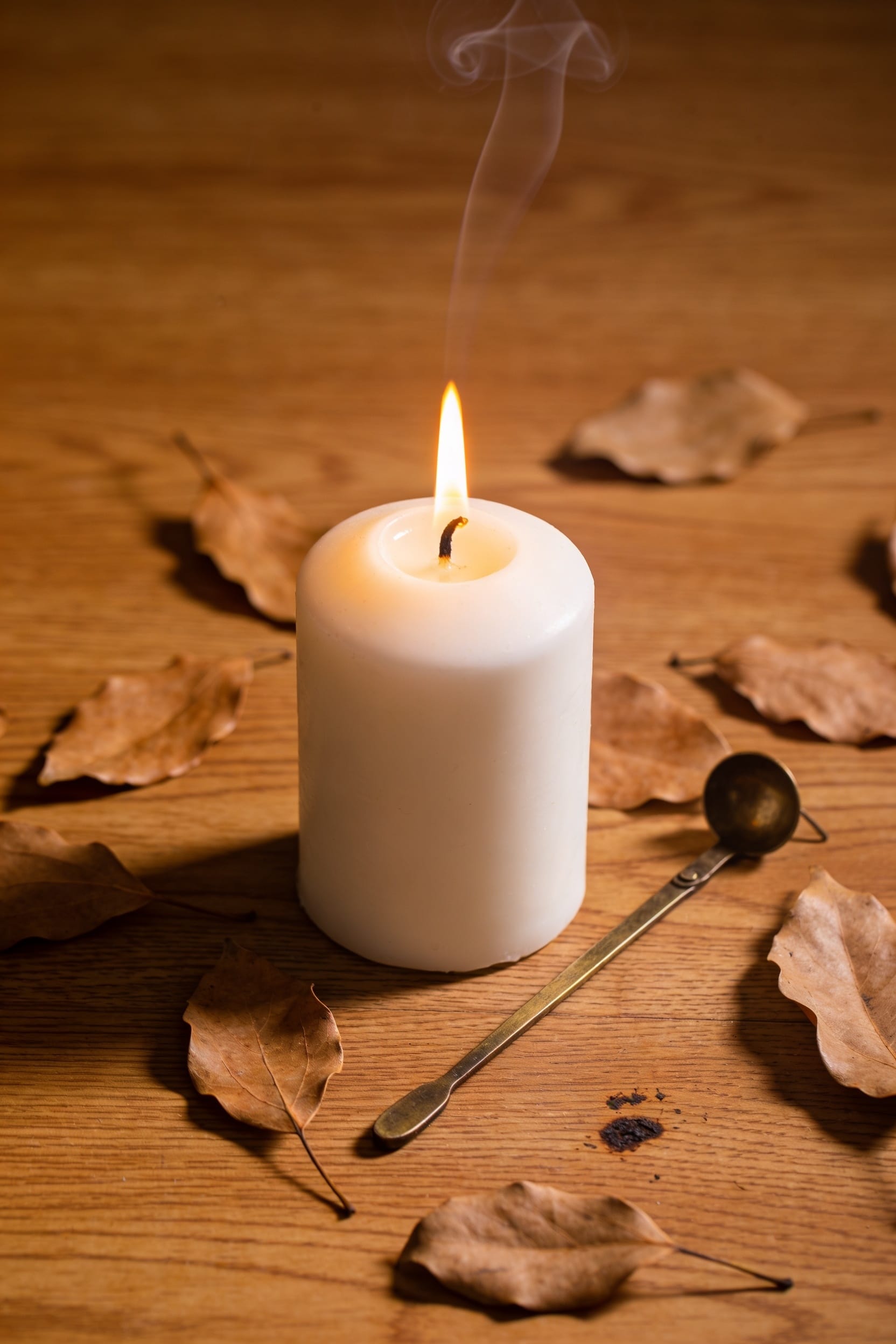
While it might seem obvious that you shouldn’t wander off and leave a lit candle burning by itself, the statistics tell a sobering story: unattended candles factor into a shocking number of home fire incidents, and the consequences can escalate faster than you’d think. I’ve learned this the hard way—a moment of distraction can turn dangerous in seconds.
Here’s the thing: unattended hazards multiply rapidly. A stray breeze shifts your curtain. A pet jumps onto furniture nearby. Combustibles migrate closer than you realized. Before you know it, you’ve got a fire spreading beyond your control.
Now, escape planning matters too. You need clear exit routes when things go wrong. Never leave a burning candle unattended—not while cooking, showering, or stepping outside. Extinguish it before you leave the room. Always.
Keep Candles Away From Children and Pets
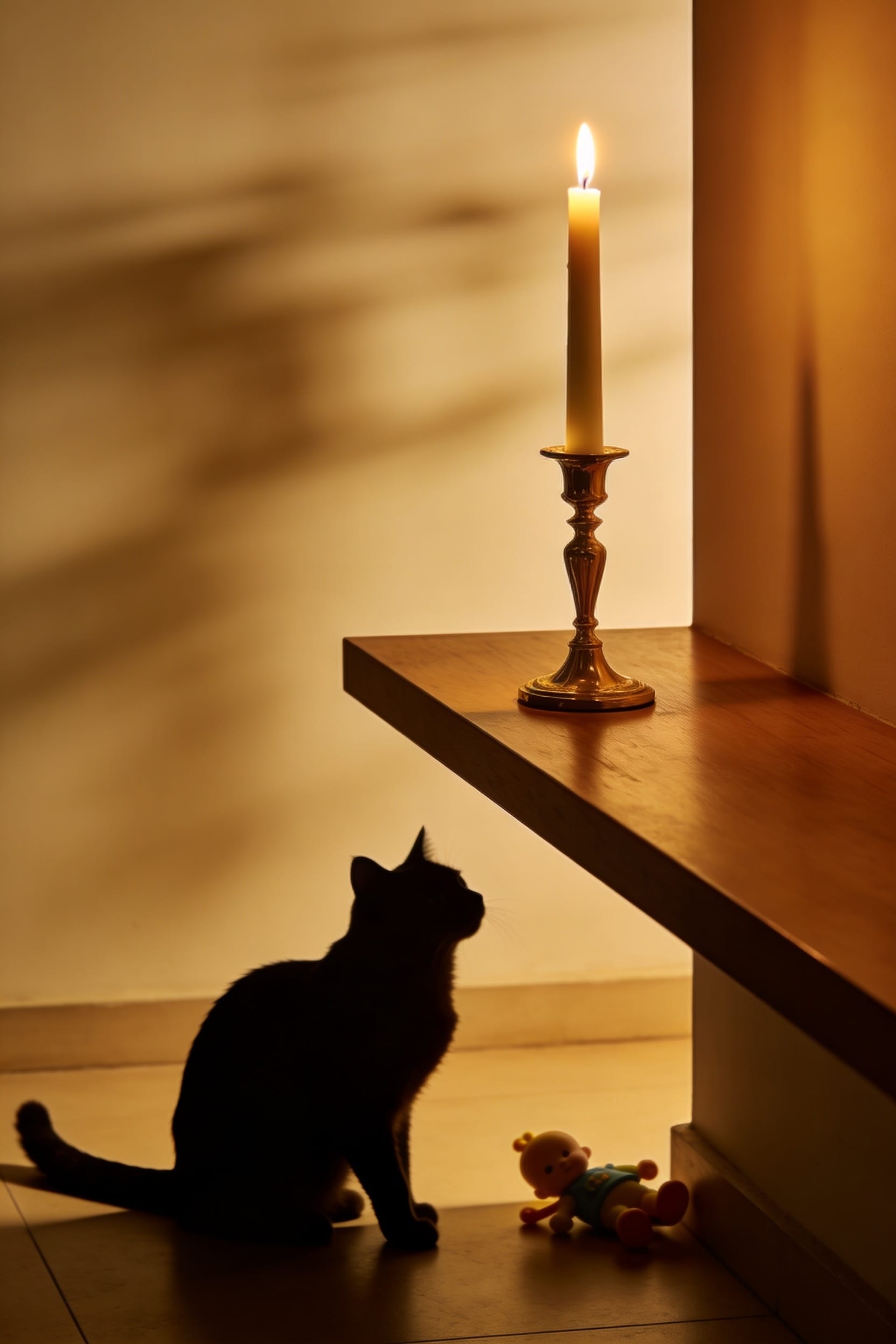
The moment you introduce an open flame into a home with curious toddlers or pets roaming freely, you’ve fundamentally changed the risk calculus. Here’s the thing: child supervision becomes non-negotiable. Never leave a burning candle within reach of small children or pets, and absolutely never leave them unattended together in the same room. I’ve learned this the hard way—a wagging tail or grabbing hand moves faster than you’d think. Use pet barriers to create physical boundaries between your candles and furry family members. Keep lighters stored safely out of reach too. If you’re sleeping with a child nearby, extinguish everything first. These aren’t restrictions on enjoying candles; they’re how you enjoy them responsibly while keeping your loved ones safe.
Recommended Products

GENIUNE THERMACELL REFILLS FOR FUEL-POWERED REPELLERS: Only Genuine Thermacell refills are scientifically proven to work with Thermacell repellers to repel mosquitoes from a 15FT zone. Compatible with all Thermacell Fuel-ZoneGuard repellers. Includes 75 4-hour DEET-free repellent mats and 25 12-hour butane fuel cartridges. Packaging may vary.
EFFECTIVE MOSQUITO PROTECTION: Thermacell Mosquito Repellent Patio Shield 2-Pack Bundle creates a 15-foot zone of protection against mosquitoes. Use this sleek repeller on patios, decks, pools, and more. Turn It On... Mosquitoes Gone.

Durability and Safety:Made of high-quality, flame-retardant PVC, this folding bathtub cover is both tough and safe for everyday use.It for adding safety when lighting candles during your bath.
Prevent Candle Fires: Wick Maintenance and Flame Monitoring
If you’ve ever watched a candle flame dance wildly across the top of your jar, flickering and reaching toward the ceiling like it’s auditioning for a fire show, you’ve got a wick maintenance problem on your hands. Here’s the thing: wick trimming isn’t optional—it’s essential. Before lighting, trim that wick to a quarter inch. Sounds small, but it changes everything. Flame monitoring means watching for signs of trouble. If your flame’s too high, flickering erratically, or mushrooming at the top, extinguish it immediately, trim the wick, and relight. Check your candle’s burn time on the manufacturer’s label too. And never—I mean never—burn a candle down past two inches of wax remaining. These practices keep your candle performing safely and beautifully.
Recommended Products

This is a genuine OEM (Original Equipment Manufacturer) part

Pick Your Favorite Finish: No matter your interior design preference, we have a wick trimmer tailored for you. Choose from Black, Gold, Rose Gold, Silver, Brushed Gold, and Brushed Copper to complement your candles, decor, and gifting style

Candle Fire Safety: Flameless and Battery-Powered Alternatives
Now, you’ve got your wick maintenance down and you’re monitoring flames like a pro—but here’s something worth considering: what if you could skip the open flame altogether? Battery candles have genuinely transformed how I think about flameless ambiance. They deliver that cozy glow without the actual fire risk, which matters especially in bedrooms or around kids and pets. LED battery candles flicker convincingly these days—I’ve been fooled more than once—and they burn for weeks on a single set of batteries. They’re not just safety backups either. Use them during power outages instead of traditional candles, or if anyone in your home uses oxygen. You’ll get the aesthetic you’re craving without the stress. That’s a win I can get behind.
Recommended Products

Commercial quality rechargeable LED Candle System

Beautiful flameless candles are made from 100 percent real paraffin wax

PREMIUM WOOD CRAFTSMANSHIP – This light arch from the Ore Mountains is the perfect crafted wooden decoration for your Christmas decor.
How Winter Months Increase Your Risk
Winter’s darker days and colder temperatures create a perfect storm for candle fires, and I’ll be honest—it sneaks up on most of us. December sees 11% of candle fires start with decorations, compared to just 4% the rest of the year. You’re lighting more candles during holiday gatherings, often placing them near garland, wreaths, and other flammable décor without thinking twice. Plus, you’re relying on candles as heating sources during power outages instead of grabbing flashlights. The combination? Dangerous. Falling asleep near a lit candle factors into 12% of fires but accounts for 26% of deaths. When it’s cold and dark outside, your guard drops. That’s when accidents happen. Stay vigilant.
Frequently Asked Questions
What’s the Maximum Safe Burn Time Before I Need to Extinguish My Candle?
I recommend checking your candle’s manufacturer label for specific burn time limits. To extend safe burning, I trim the wick to 1/4 inch before each lighting and stop burning when 2 inches of wax remain.
Can I Use Candles in My Home if Someone Uses Supplemental Oxygen?
I’d strongly advise against it. Supplemental oxygen dramatically amplifies flame hazards—the gas accelerates fire spread and ignites tubing. You’ll need robust escape planning. Oxygen safety demands you eliminate candles entirely from your home.
How Far Apart Should Multiple Burning Candles Be From Each Other?
I’d recommend keeping your burning candles at least 4 inches apart from each other. This spacing prevents excessive heat transfer between flames, reducing fire risk and ensuring each candle burns safely without compromising the others nearby.
What Surfaces Are Safest for Placing Candles to Prevent Tipping Accidents?
I’ve found that putting all your eggs in one basket with candle placement matters. You’ll want sturdy, heat-resistant surfaces—think glass trays or ceramic holders—that won’t tip, keeping your flame safely grounded.
Why Shouldn’t I Burn Candles All the Way to the Bottom?
I’d recommend stopping at 2 inches of wax in freestanding candles and 1/2 inch in containers. Burning too low risks wick trimming issues, scent pooling, and potential container damage from excess heat exposure.
Conclusion
Here’s what stopped me cold: the U.S. Fire Administration reports that candles cause roughly 15,600 house fires annually. That’s not some fringe risk—that’s real. But you know what? Most of these fires are completely preventable. You’ve got the tools now. The 12-inch rule, the wick trimming, the awareness. You’re not going to be a statistic if you actually use what you’ve learned here.