As an Amazon Associate, we earn from qualifying purchases. Some links on this site are affiliate links at no extra cost to you. Our recommendations are based on thorough research and editorial judgment.

Are Soy Candles Actually Better? Here’s the Truth

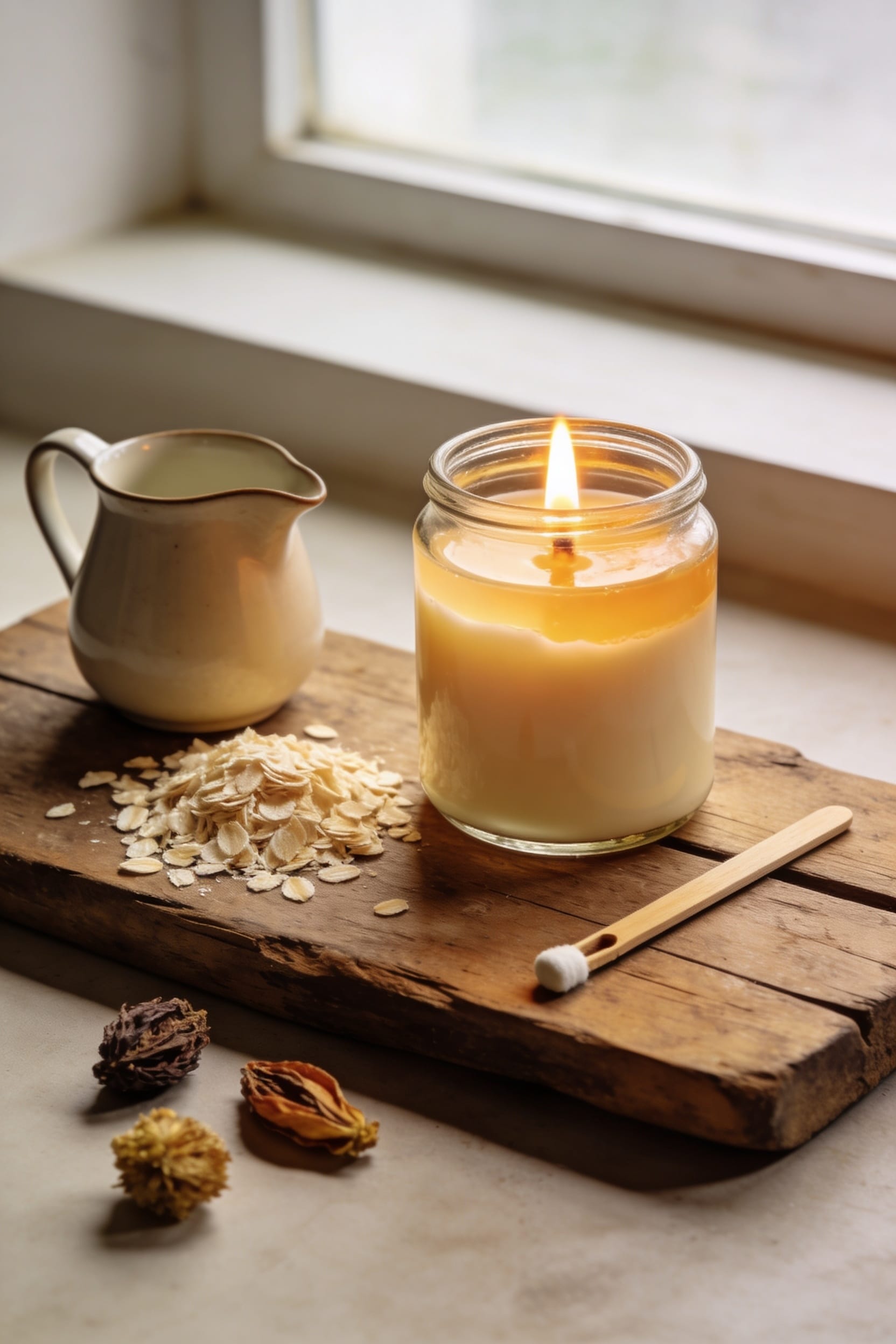
Look, soy candles aren’t inherently better—they’re a trade-off. You’ll get slower burns and longer hours per candle, but potentially more frosting, warping, and wick issues depending on quality and your room’s temperature. The real question isn’t whether soy wins; it’s whether you prioritize burn time, scent throw, sustainability concerns, or budget. Most brands blend soy with paraffin anyway, so check labels carefully. Your best choice depends on what actually matters to you—and we’ve got the specifics ahead.
Key Takeaways
- Soy candles burn slower and longer than paraffin, but quality varies wildly between manufacturers based on wick and container choices.
- Pure soy lacks the density of beeswax blends; longer burn time only matters if the candle performs without tunneling or warping.
- Soy is marketed as sustainable, but sourcing links to rainforest deforestation in South America, requiring certified sustainable sourcing verification.
- Soy candles cost 20–30% more upfront than paraffin, though lower cost-per-hour offsets higher initial price over extended use.
- Soy’s hypoallergenic claims are unreliable; prioritize minimizing airborne soot and read ingredient lists rather than focusing on wax type alone.
Choose Your Soy Candle: What Actually Matters
Now, I’ll be straight with you—just because a candle’s labeled “soy” doesn’t automatically make it the right choice for your space. Quality varies wildly between manufacturers, and honestly, some brands blend soy with paraffin to improve density and burn time, which defeats the whole purpose.
Here’s what I’d focus on: check the wick size for your container. A wick that’s too thin won’t generate enough heat; too thick creates excessive soot. Container material matters too—glass holds heat better than metal, affecting how evenly that wax melts.
Look for 100% soy if you want the genuine benefits we’ve discussed. If it’s a blend, the label should tell you the percentage. Don’t just grab whatever smells good. Your candle’s performance depends on these details.
Recommended Products

Safer Ambience for Everyday Moments: Our sand wax candle design with self-extinguishing sand candle wicks minimizes fire risk if tipped and prevents hot wax spills; ideal for homes with pets or kids that won’t renounce stylish décor, offered in White, Red, Nude, and Black for cozy luxury

Industrial 67 Lbs Capacity Wax Melting Pot Pro Package Model: Includes Large Spout, Lid, Pouring Pot, Stirring Spoon. Cutting-edge technology ensures rapid melting of soy wax, paraffin, coconut, and beeswax for efficiency. It's perfectly suitable for most Wax types and Melt & Pour soap bases. Its user-friendly temperature guage allows temperature adjustment from from low to high temperature which maintains roughly 100 - 350 degrees Fahrenheit.
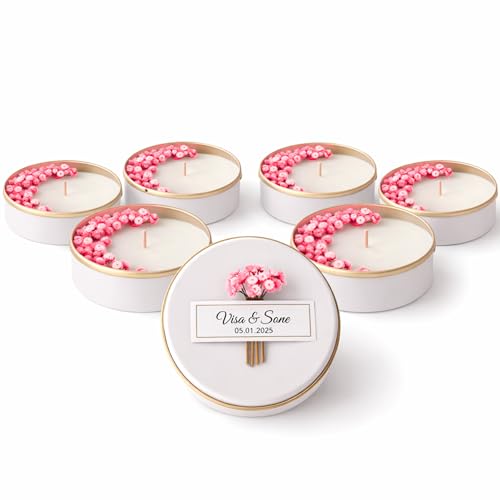
100% NATURAL SOY WAX : Hand-poured in small batches with natural soy wax and premium fragrance oils for a clean and long-lasting burn
Why Soy Burns Longer (But at a Cost)
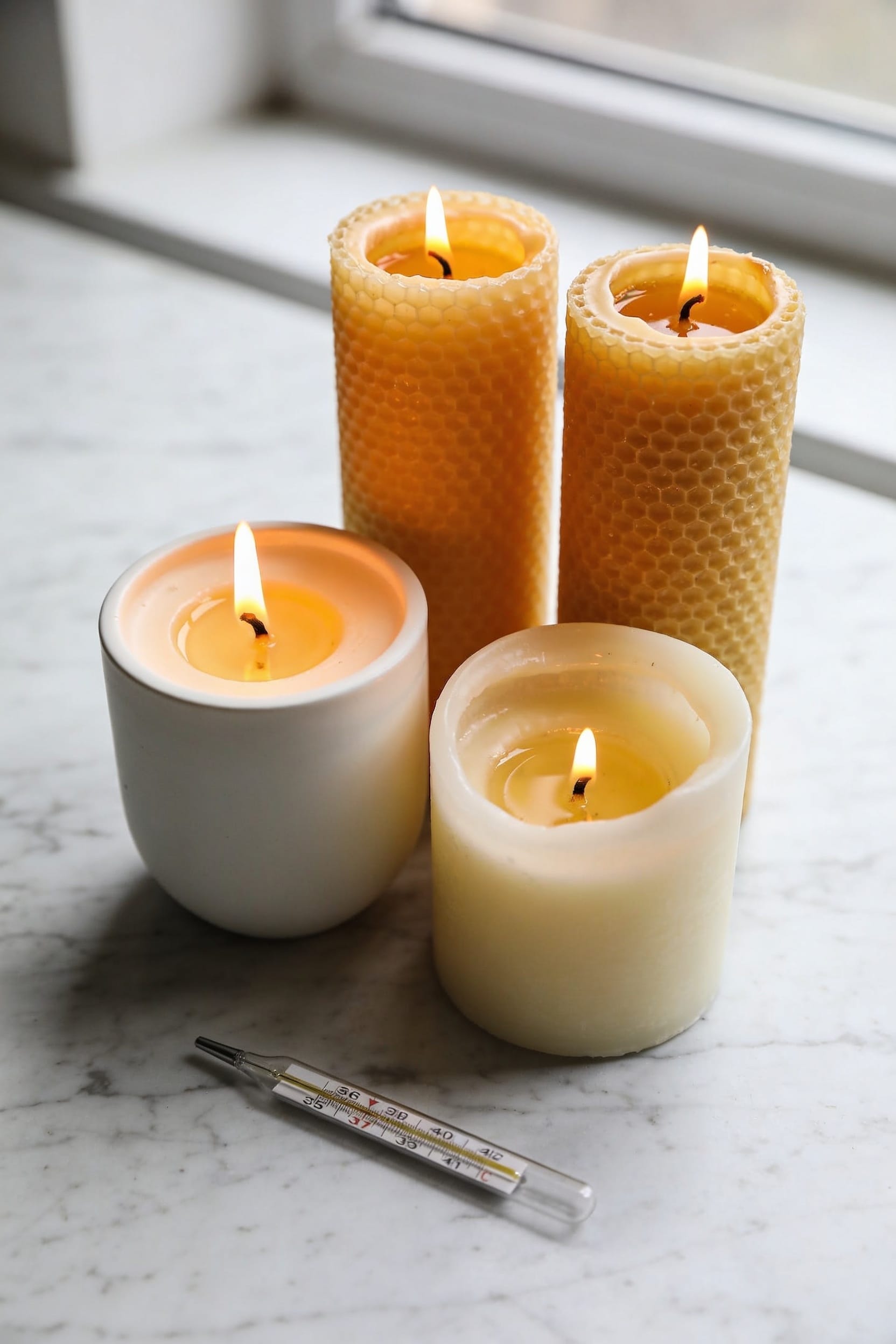
So you’ve got a 100% soy candle picked out, the wick’s the right size, and you’re feeling good about your choice—but here’s where the burn time story gets interesting, because longer isn’t always the straight win it sounds like. Soy’s lower melting temperature means it burns slower than paraffin, giving you more hours per candle. That steady meltpool? It’s efficient and prevents tunneling. But here’s the catch: softer soy is temperature-sensitive and prone to warping if your room runs warm. Plus, pure soy lacks the density of beeswax, so you might actually get longer life from a quality beeswax blend. Longer burn time matters, sure—but only if the candle actually performs.
Recommended Products
CLEAR STRAIGHT SIDED CANNING JARS: Smooth sided jars are ideal for branding and labeling your jams, jellies, candles, preserves and more. Keep your brand top of mind while your customers are enjoying your handmade products.
CLEAR STRAIGHT SIDED CANNING JARS: Smooth sided jars are ideal for branding and labeling your jams, jellies, candles, preserves and more. Keep your brand top of mind while your customers are enjoying your handmade products.

TWENTY POUNDS of PREMIUM FLORIDA SPRING BLOSSOM BEESWAX: 100% Natural, clean burning, sweet floral, with the honey-like fragrance typically associated with beeswax, cosmetic ready and suitable for food contact. Our pure beeswax bars are perfect for a wide variety of applications. Packaged in a one-pound bars (5″ x 3.5" x 1.75").
The Deforestation Problem Soy Candle Brands Don’t Discuss
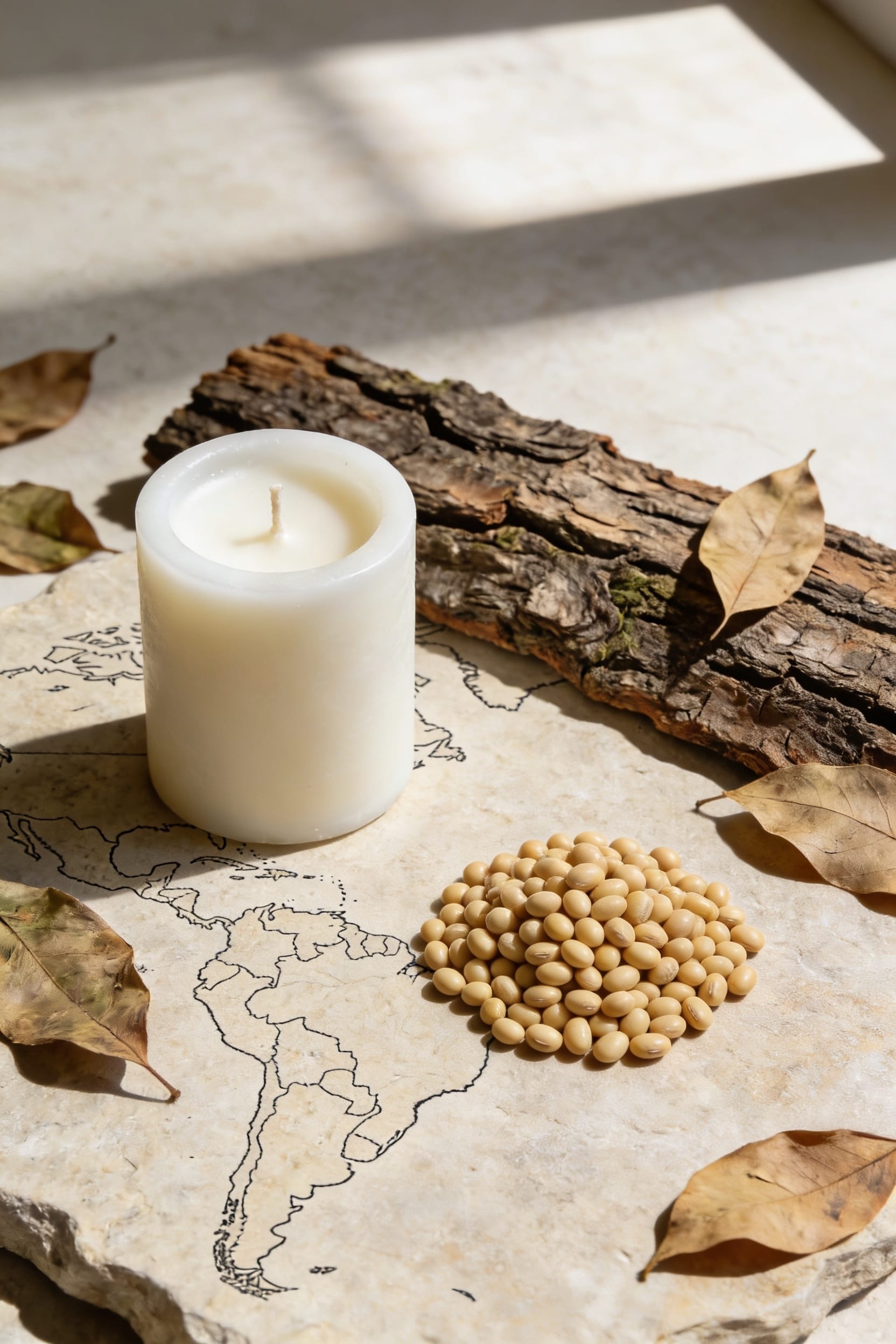
While soy candles get marketed as the eco-conscious choice—renewable, biodegradable, sustainable—there’s a massive environmental problem lurking behind that green label that most candle brands won’t touch. Here’s the thing: soy supplychains are driving deforestation at alarming rates, particularly in South America. Massive tracts of rainforest get cleared for soybean cultivation, decimating wildlife habitats and habitat conservation efforts. You’re fundamentally trading one environmental concern for another. The irony? You think you’re choosing the greener option, but you’re actually fueling agricultural expansion that’s destroying ecosystems. Brands won’t advertise this because it complicates their sustainability narrative. I’m not saying abandon soy candles entirely, but go in with eyes open. Look for certified sustainable sourcing or consider blended waxes instead. Know what you’re actually supporting.
Soy Candles and Allergens: Separating Hype From Evidence
If you’ve got seasonal allergies or you’re sensitive to fragrance, you’ve probably seen soy candles marketed as the allergen-friendly option—and there’s actually some truth buried in there, but it’s messier than brands make it sound. Here’s the thing: soy itself isn’t hypoallergenic. What matters is what’s *in* the candle. Natural essential oils reduce certain allergens compared to synthetic fragrance chemicals, sure. But allergen testing isn’t standardized across the industry, so you can’t always trust those claims. Soot particles from lower-quality candles trigger respiratory issues way more than the wax type itself. If you’re dealing with scent sensitivity or mold spores bothering you, focus on airborne particles from soot rather than assuming soy automatically solves your problems. Read ingredient lists carefully.
Do Soy Candles Really Cost More in the Long Run?
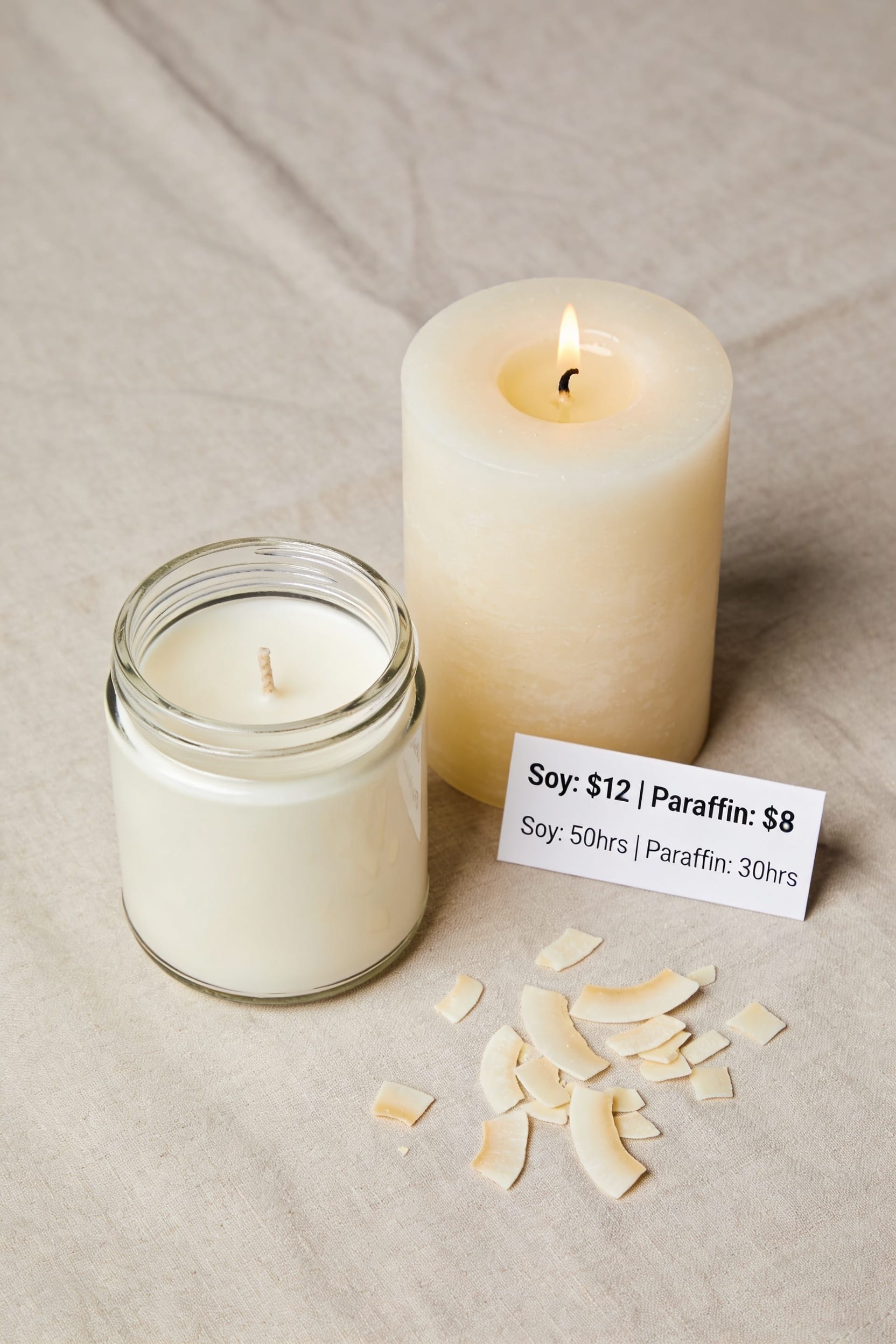
The upfront price tag on soy candles makes you wince—they’re typically 20 to 30 percent pricier than paraffin at checkout—but that initial sticker shock doesn’t tell the whole story. Here’s the thing: soy candles burn slower and longer, meaning you’re getting more hours per dollar spent over time. That’s where long term pricing actually favors soy. You’ll replace them less frequently, which cuts maintenance costs considerably. Bulk buying savings become your friend too—purchasing multiple soy candles upfront reduces per-unit costs markedly. Plus, soy’s resale value holds up better; if you’re decluttering, people actually want quality soy candles. Run the numbers yourself. That premium investment pays dividends.
Recommended Products


Elegant Rose Design: Handcrafted rose shaped soy wax candles topped with real dried flowers — perfect for weddings and romantic events.

Frosting, Warping, and Other Issues Retailers Gloss Over
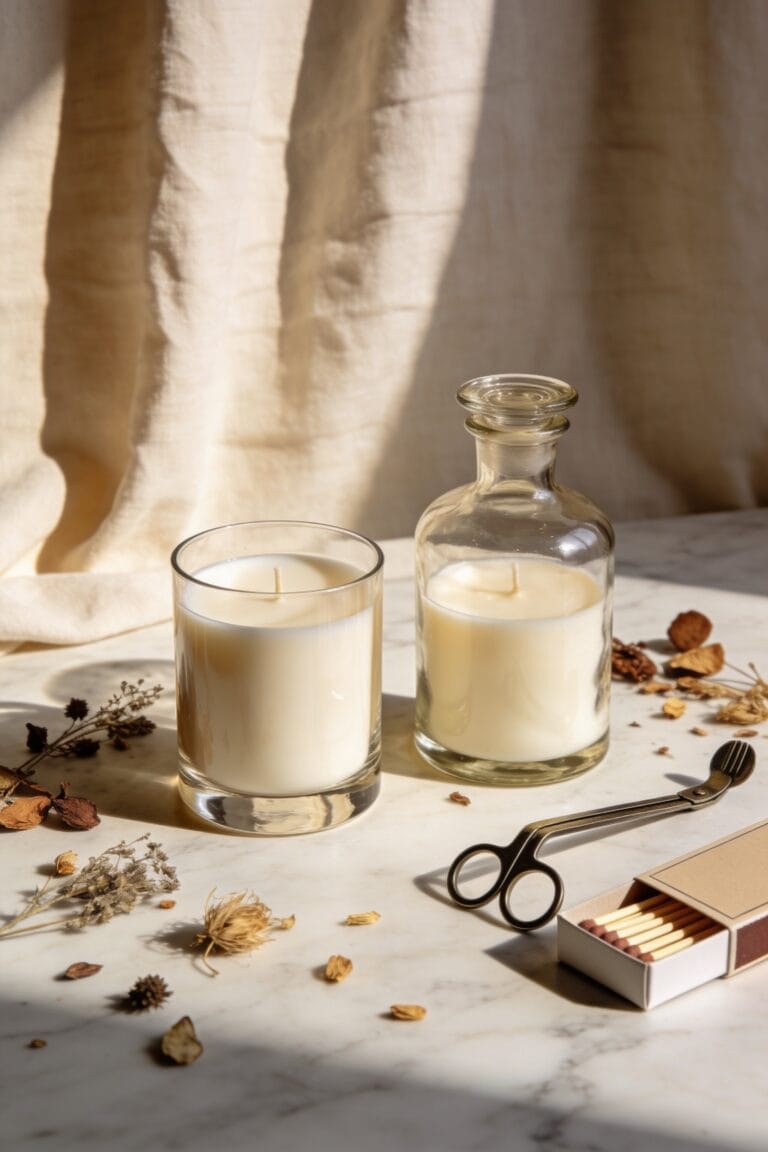
Now, here’s where soy candles reveal their not-so-pretty side—and trust me, retailers count on you not asking too many questions about it. That gorgeous white finish? It develops frosting—crystalline spots that look like your candle’s been sitting in the freezer. Temperature sensitivity means warping happens faster than with paraffin. You’ll also encounter wick tunneling if the burn pool doesn’t spread evenly, wasting all that wax down the middle. Container sweating occurs when condensation builds up inside the glass from uneven melting. Quality varies wildly between manufacturers, so you’re basically gambling unless you research each maker. Many “pure” soy candles are actually blended with paraffin anyway, which defeats the whole purpose. These aren’t dealbreakers, but they’re definitely things retailers conveniently skip over.
Recommended Products

SCENT - Sea & Dune evokes fresh lemon and spicy coastal lily falling into watery blue lotus and natural sea grass. Warm golden amber and cool sea spray invite you to escape to endless summer days.

MASSIVE 8" × 14" LUXURY CANDLE – 300 OZ OF NATURAL COCONUT SOY WAX Make a statement with this Classic Big Ass Candle—our largest candle. This luxury candle delivers bold presence, elegant style, and room-filling fragrance. Perfect as a centerpiece for living rooms, great rooms, and upscale spaces.

UNIQUELY HANDMADE: Perfect for a relaxing ambiance! Each scented candle is crafted from real wood, providing a unique and sustainable touch. Heart shape elevates aesthetic!
Which Candle Should You Buy: And Why?
All right, so you’ve now seen exactly what soy candles are hiding behind that pristine marketing—the frosting, the warping, the whole messy reality. So what should you actually buy?
Here’s the thing: it depends on what matters most to you. Want fragrance intensity without soot? Soy’s your answer. Prefer longevity? Beeswax outlasts everything, though it costs more. Care about sustainability? Soy wins over petroleum-based paraffin, despite deforestation concerns.
Container choice matters too. Glass holds soy better than metal, preventing warping issues. Consider blends—soy mixed with beeswax gives you cleaner burns with better throw and durability.
Don’t chase perfection. Pick what aligns with your priorities: health, scent strength, burn time, or budget. One candle type won’t solve everything.
Recommended Products

100% Pure Beeswax Candle: Hand-poured from naturally filtered beeswax for a rich, golden glow. These clean burning candles are free from paraffin, soy, and synthetic fragrances. Each 1-wick dripless pillar candle features natural cotton candle wicks and pure candle wax for a long-lasting burn and warm, cozy candle light.

65 LBs Capacity Wax Melting Pot Pro Package Model: Includes Large Spout, Lid, Pouring Pot, Stirring Spoon. Cutting-edge technology ensures rapid melting of soy wax, paraffin, coconut, and beeswax for efficiency. While it can't be used for lye soap making due to aluminum's reactivity with lye, it's perfectly suitable for Melt & Pour soap bases. Its user-friendly temperature guage allows temperature adjustment from from low to high temperature which maintains roughly 100 - 350 degrees Fahrenheit.
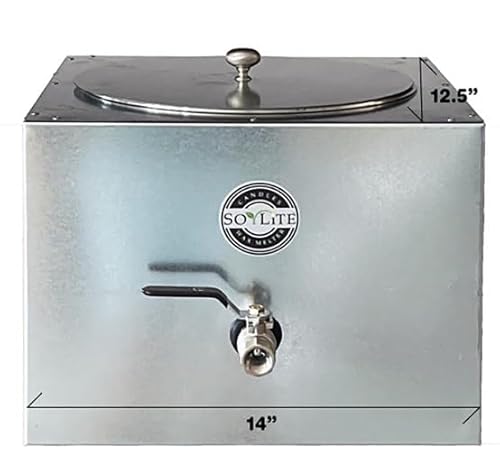
Profeshional wax melter for candle making, Effortlessly make large batches candles . No more messing with temperature control. This new wax melter automatically keeps wax around 180 to 190 degrees. Just simply add wax and turn on. If you are running a small business or handling a big custom order? SoyLite will help save you time.
Frequently Asked Questions
Can Soy Candles Help With Respiratory Issues and Allergies Compared to Paraffin?
I’ve found soy candles genuinely help with respiratory relief and allergy reduction compared to paraffin. They’re non-toxic, free from harmful chemicals like benzene, and their natural essential oils reduce allergens, making breathing easier for sensitive individuals.
Do Soy Candles Produce Benzene and Other Toxic Emissions Like Paraffin Candles?
I’ll light a clearer path for you: soy candles don’t produce benzene like paraffin does. As superior paraffin alternatives, they minimize harmful combustion byproducts, offering you cleaner air and fewer toxins when burning.
How Does Beeswax Compare to Soy Wax for Air Purification and Burn Time?
I’ll compare beeswax to soy for you. Beeswax’s superior filtration efficiency purifies air through negative ion emission, while its beeswax longevity outperforms soy markedly. However, soy offers better affordability and sustainability despite beeswax’s extended burn time advantage.
Are Soy Candle Containers Recyclable and What Happens After the Wax Burns?
Like giving your candle a second life, most soy containers are recyclable. I’d follow local recycling guidelines for disposal. The wax residue breaks down naturally, and you can even try wax composting in your garden.
Why Do Some Soy Candles Feel Softer and Look Frosted Compared to Others?
I’ve noticed softer, frosted soy candles result from soy bloom and wax crystallization—natural processes where soybean oil’s fatty acids rise to the surface. It’s purely aesthetic; quality varies by manufacturer’s handling.
Conclusion
soy candles aren’t magic bullets, and neither are their alternatives. You’re steering a landscape where trade-offs bloom like competing scent notes—longer burns against environmental costs, lower toxins against higher prices. The candle that matters most is the one that actually fits your life, your values, and your space. Trust your instincts. They’ll guide you home.