As an Amazon Associate, we earn from qualifying purchases. Some links on this site are affiliate links at no extra cost to you. Our recommendations are based on thorough research and editorial judgment.

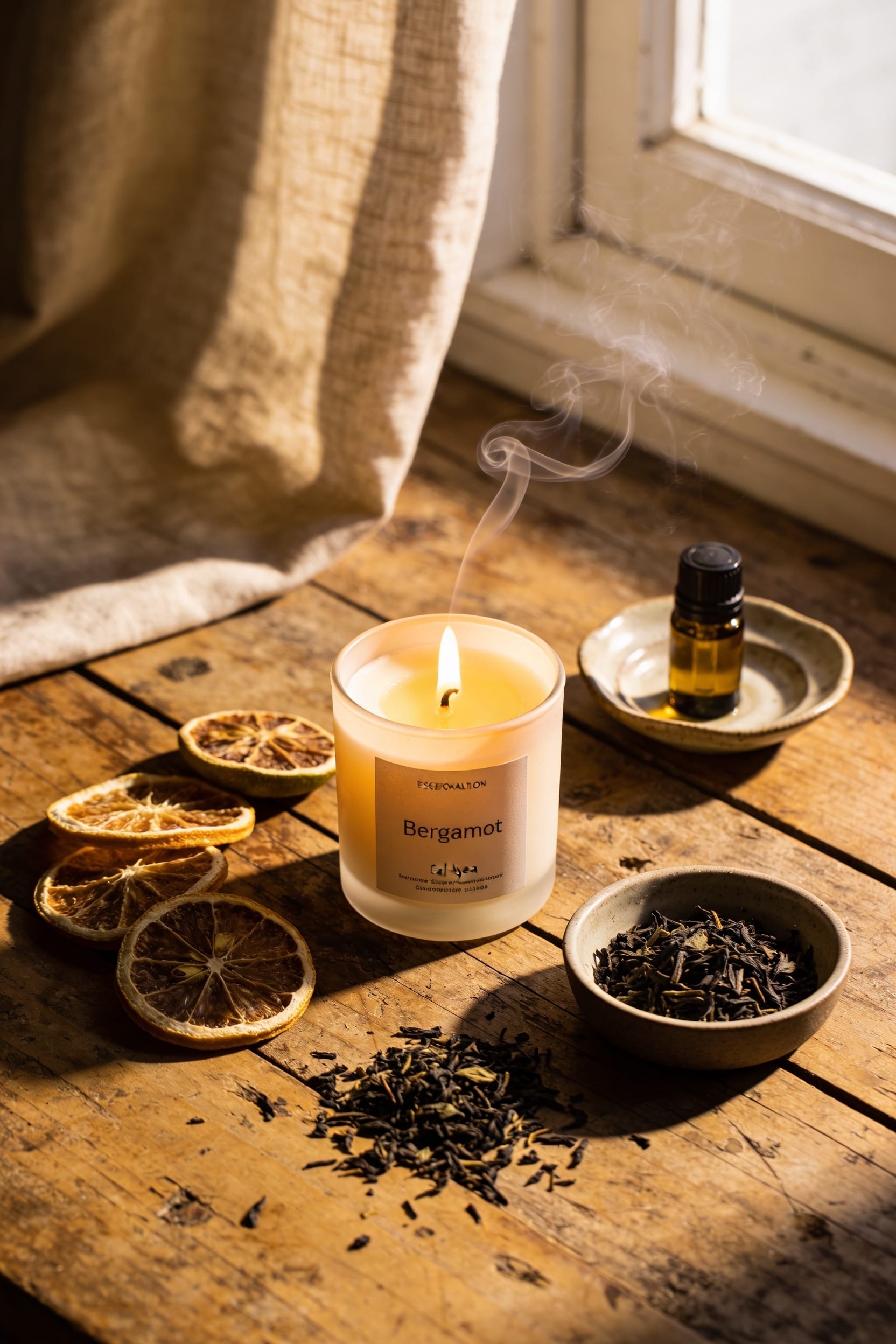
Bergamot Candle Benefits: Mood & Why It Is Underrated

All right, here’s the thing—bergamot’s underrated because most people lump it with other citrus and expect a jittery buzz. Instead, you get linalool-driven calm that shifts your nervous system into parasympathetic mode without sedation. It lowers cortisol, sharpens focus, and lifts mood simultaneously through olfactory-limbic signaling. Light one before meetings or social events to condition your body toward collected confidence. That floral nuance you’re sensing? That’s what makes it work differently than lemon or grapefruit.
Key Takeaways
- Bergamot contains linalool that activates parasympathetic nervous system, promoting calm focus without jitters or sedation unlike stimulating citrus.
- Inhalation reduces cortisol levels and anxiety-related hypervigilance, restoring mental clarity and concentration by calming fight-or-flight activation.
- Floral nuances in bergamot distinguish it from standard citrus oils, offering mood elevation and nervous system ease simultaneously.
- Aromatic molecules interact with brain receptors to subtly increase serotonin, providing legitimate biochemical mood-lifting benefits through olfactory signaling.
- Consistent ritual use three to four times weekly conditions nervous system to activate calm focus, deepening effects through olfactory conditioning.
Why Bergamot Candles Calm Without Sedating You?
While most citrus scents hit you with an energetic jolt—the kind that makes you want to reorganize your entire kitchen at 10 p.m.—bergamot candles do something genuinely different. Here’s the thing: bergamot’s unique chemical composition, particularly linalool, creates what researchers call neurochemical modulation in your brain rather than simple stimulation. Through olfactory conditioning, your nervous system learns to associate bergamot’s scent with relaxation instead of alertness. When you inhale it consistently, your body shifts into parasympathetic mode—that’s the calm, collected state you’re actually after. You get mental clarity without jitters. The result? You’re relaxed, focused, and genuinely present. That’s the bergamot advantage over your standard lemon or orange.
Recommended Products

Quality - We produce our Dried Ginger Root essential oil using pure, natural, and raw ingredients.

Ernesto - Leather and Tobacco

EDITION Hotels exclusive - bring home the one-of-a-kind EDITION experience with the signature scent loved by EDITION hotels guests around the world.
How Bergamot Reduces Stress Hormones and Restores Focus?
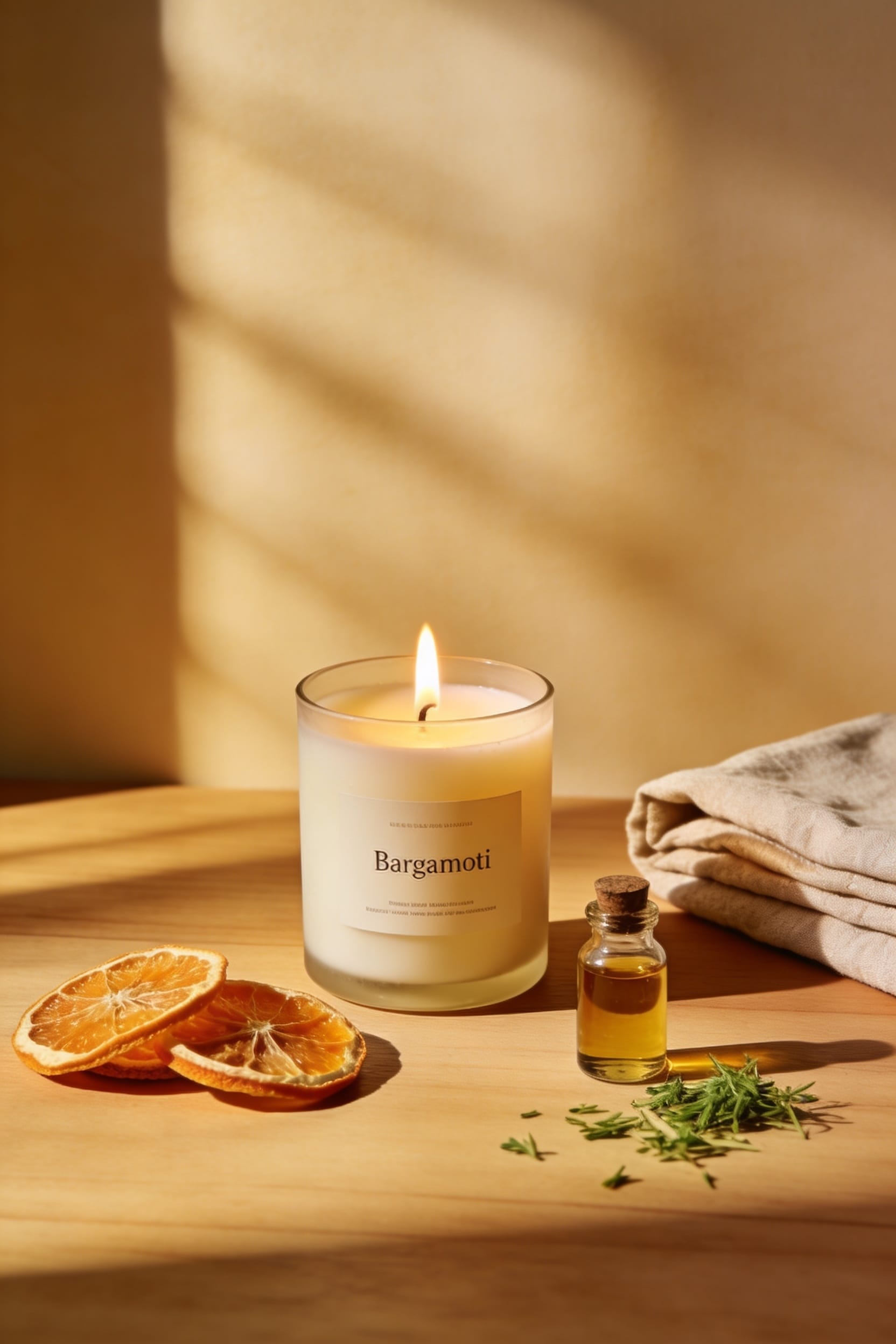
When stress floods your system, your body dumps cortisol into the bloodstream—that’s the hormone that keeps you wired, restless, and stuck in that exhausting fight-or-flight mode. Here’s the thing: bergamot interrupts this cycle. When you inhale bergamot from a burning candle, the scent molecules travel directly to your limbic system, triggering your parasympathetic nervous system to kick in. Your body shifts into relaxation mode. That stress hormone drops. Now your mind can actually focus again. See, anxiety-related worry accumulates stress that tanks your short-term memory and cognitive performance. Bergamot’s focus restoration happens because you’re no longer hypervigilant. Your mental clarity returns. You can think straight, make decisions, and genuinely concentrate on what matters.
Recommended Products

SCENT - Chamomile Lavender features lavender with warm & enveloping bergamot. Calming chamomile melts into a heart of eucalyptus to create a feeling of well-being. Smoky patchouli is enhanced by hints of sage & rosemary for a quiet, relaxing finish.
![VINEVIDA [128oz] (Our Version of) Jean Paul Gaultier Le Male Fragrance Oil for Candle Making and Soap Making - Premium Candle Scents for Soy Candles](https://m.media-amazon.com/images/I/41C7odlYVsL._SL500_.jpg)
HIGHEST QUALITY - Our candle fragrance MADE IN THE USA using pure, natural, and raw ingredients. All VINEVIDA products are vegan, free of phthalates, parabens, and other potentially dangerous chemicals.

ROSE OIL: This sheer essence Rose Essential Oil also known as Rosa Damacenia essential oil is undiluted and uncut therapeutic grade oil which is extracted naturally from leaves and they don't contain any added preservatives to protect there therpeutic properties.
What Sets Bergamot Apart From Other Citrus?
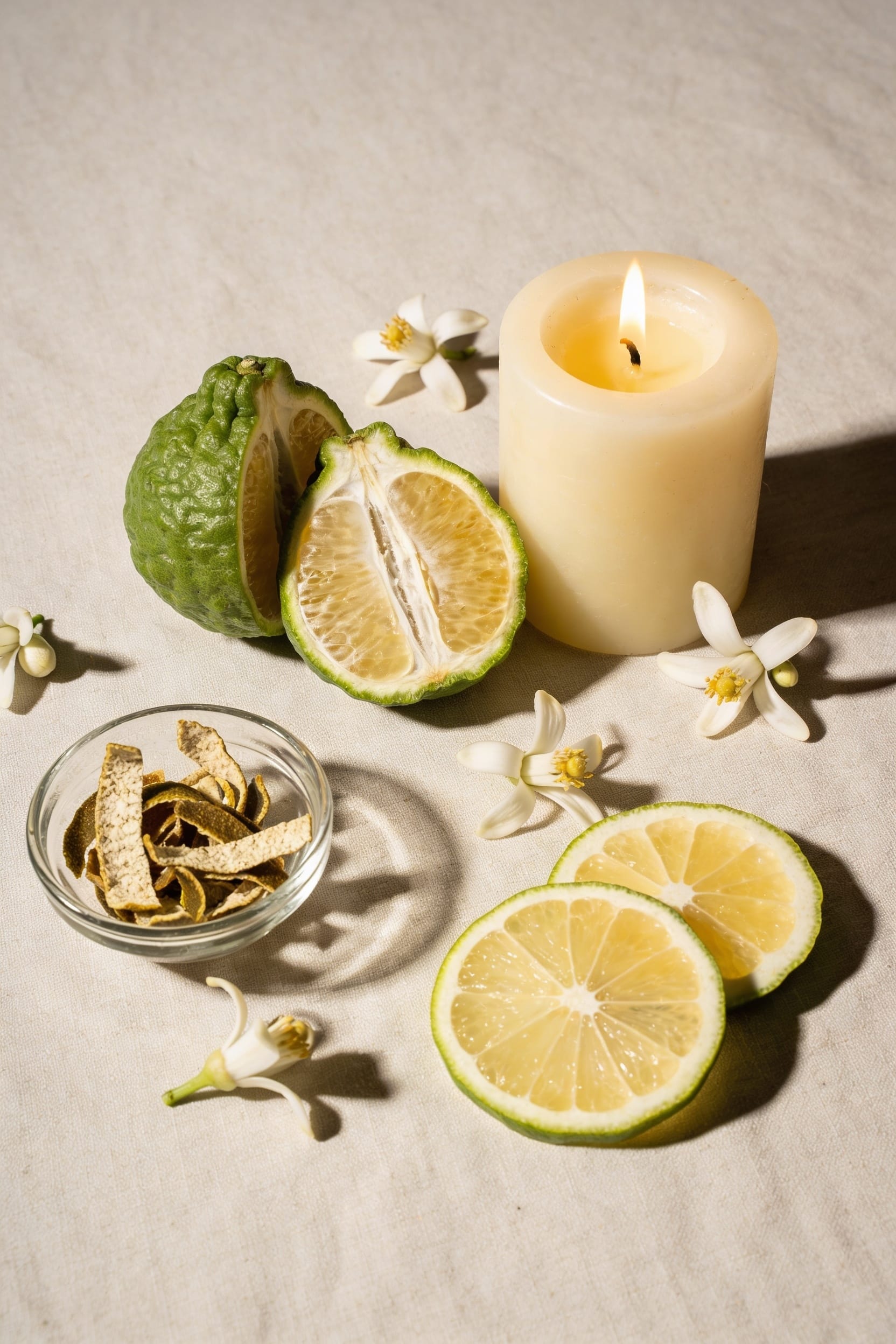
You’ve probably noticed that most citrus scents—think lemon, sweet orange, grapefruit—tend to perk you up and get your energy moving. Bergamot flips that script entirely. What makes it different? It’s got a floral nuance that other citrus oils just don’t have, creating this unexpected calm without the sedation. The therapeutic terpenes in bergamot work differently on your nervous system than your typical stimulating citrus. Instead of amping you up, they ease you down while keeping you mentally sharp. That’s the real magic here. You’re getting mood elevation and focus restoration simultaneously—something lemon candles can’t touch. When you burn a quality bergamot candle with essential oil rather than synthetic fragrance, you’re actually accessing that balanced, grounded feeling that makes bergamot genuinely underrated in the candle world.
Recommended Products
![VINEVIDA [128 oz] Scent Evergreen; Fragrance Oil for Candle Making and Soap Making - Winter & Holiday Oils](https://m.media-amazon.com/images/I/31GlIDeA3ZL._SL500_.jpg)
Versatile Uses: Perfect fragrance oil for candle making; ideal for soy wax, soap making, perfume making, body butter, car freshies; create professional quality scented products with these concentrated essential oil alternatives

HIGHEST QUALITY - Our candle fragrance MADE IN THE USA using pure, natural, and raw ingredients. All VINEVIDA products are vegan, free of phthalates, parabens, and other potentially dangerous chemicals.
![VINEVIDA [128oz] (Our Version of) Acqua Di Gio Fragrance Oil for Candle Making - Made in USA Scents for Soap Making - Natural Candle Fragrance Oil](https://m.media-amazon.com/images/I/31oh4bmV3wL._SL500_.jpg)
HIGHEST QUALITY - Our candle fragrance MADE IN THE USA using pure, natural, and raw ingredients. All VINEVIDA products are vegan, free of phthalates, parabens, and other potentially dangerous chemicals.
How Bergamot Increases Serotonin Naturally
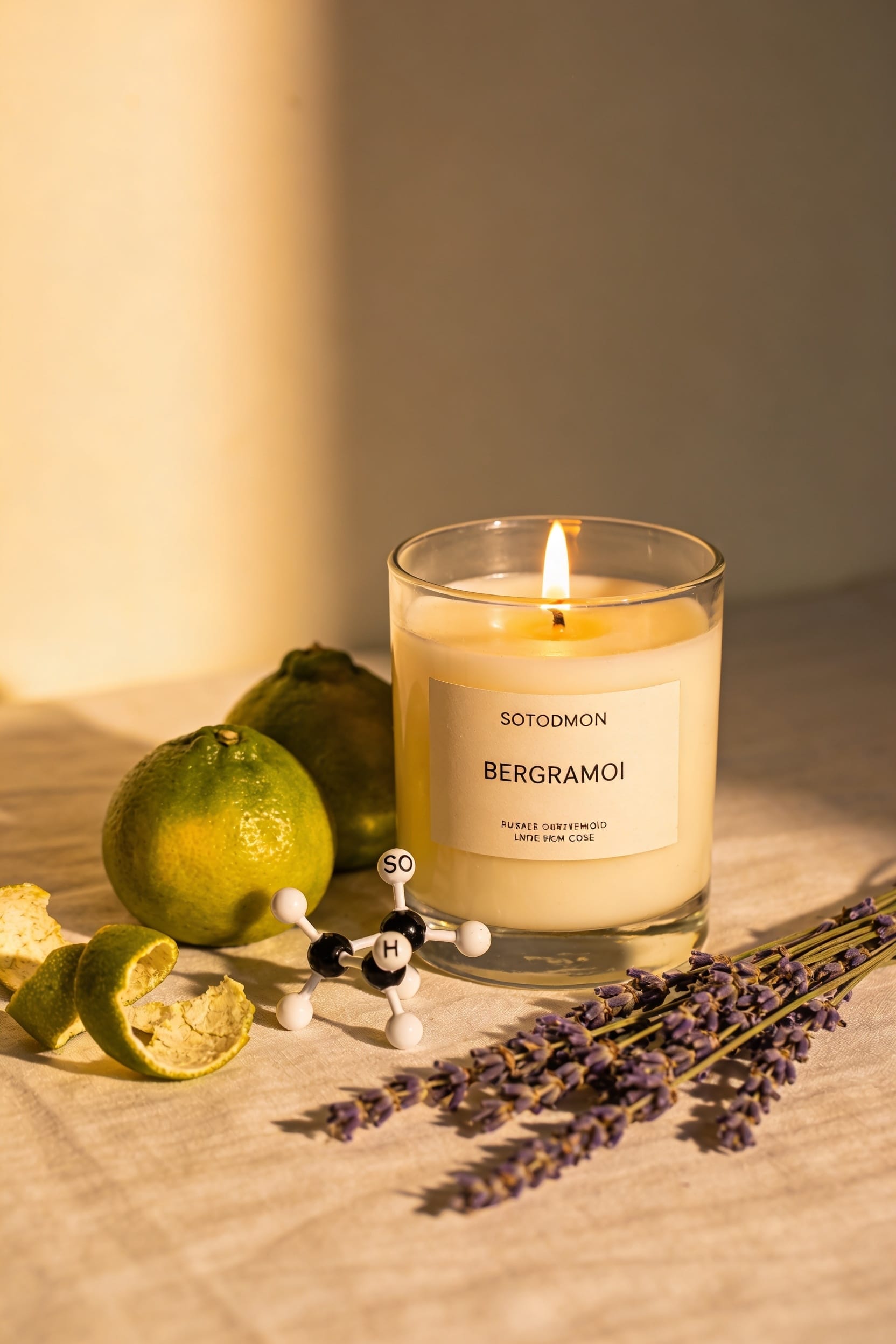
The brain’s chemical balance isn’t something most of us think about until we’re struggling with mood, but here’s what’s actually happening when you light a bergamot candle: those aromatic molecules are traveling straight to your limbic system and nudging your serotonin levels upward. Through olfactory signaling, bergamot’s compounds interact with your brain’s receptors in ways that stimulate serotonin production—the neurotransmitter responsible for how you feel. Now, I’m not saying a candle replaces actual treatment, but the mechanism’s legit. Those serotonin precursors in bergamot’s chemical profile work subtly, lifting apathy and lightening that heavy feeling you get from stress. You’re effectively using scent to biochemically shift your mood. Light one during your afternoon slump, and you’re not just creating ambiance—you’re actively supporting your emotional baseline.
Bergamot Candles Before Interviews, Meetings, and Social Events
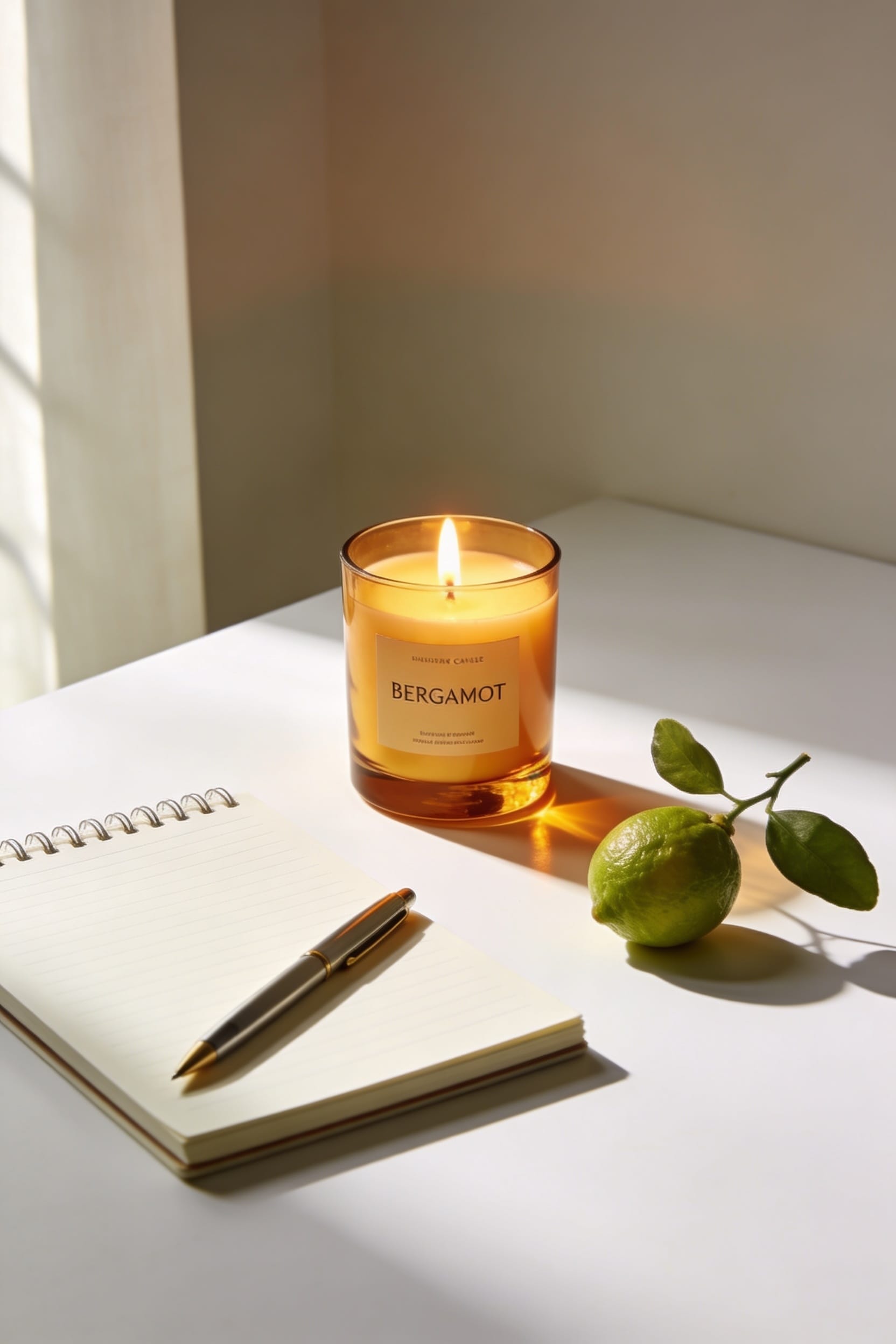
Before you walk into that interview or networking event, lighting a bergamot candle 20 to 30 minutes beforehand can genuinely shift how you show up—and I’m not just talking about smelling nice. Here’s the thing: this becomes your confidence cue. Your nervous system starts recognizing that scent as a signal to activate calm focus rather than anxious jitters. Building bergamot into your preparation routine means you’re not just hoping you’ll feel confident—you’re biochemically setting yourself up for it. The linalool and other compounds work through your limbic system, lowering cortisol while keeping you mentally sharp. You walk in grounded, clear-headed, and present. That’s not magic. That’s intentional self-preparation.
Bergamot Rituals That Deepen Calm: Timing, Pairing, and Frequency
If you’re serious about using bergamot to deepen your calm rather than just catching a whiff when you pass by the candle, timing and intentionality matter more than you’d think. Light your bergamot candle during your evening ritual, when your nervous system naturally shifts toward relaxation. Pair breath work with the scent—I’m talking deliberate, slow inhalation that lets those mood-boosting compounds reach your limbic system. Mindful timing means consistency; burn it at the same hour daily so your body anticipates that shift. Try scent journaling too. Note how you feel before and after, tracking patterns over weeks. Frequency matters less than rhythm. Three to four times weekly beats sporadic burning.
Recommended Products

Wax Weight: 3,632 g/ 128.12 oz

Straight from the Farm: Delight yourself in the sweet and citrusy aroma of Tangerine Essential Oil from Sicily's Citrusmade, a leading producer of citrus essential oils in the heart of the Mediterranean.

CENTERING, TRANQUIL FRAGRANCE EXPERIENCE - Take in the green tea's subtle yet clarifying note and let it guide you into a state of peace and balance. Soft lotus petals calm the mind while sandalwood and bergamot create a refreshing yet grounding aromatic experience.
Frequently Asked Questions
Can Bergamot Candles Be Safely Used Around Children and Pets?
I’d recommend placing bergamot candles out of reach with child safe placement practices. You’ll want pet toxin awareness too—ensure proper ventilation and keep candles away from curious pets who might knock them over.
How Long Does Bergamot Essential Oil Remain Effective Once a Candle Is Extinguished?
Like ripples fading on water, bergamot’s scent lingers about 30 minutes post-extinguishment. I’ve found the evaporation rate depends on airflow, though residual aroma persists longer than you’d expect. Olfactory adaptation may mask scent longevity, making it feel shorter.
What Is the Difference Between Bergamot Essential Oil and Synthetic Bergamot Fragrance?
I’ll tell you the key distinction: bergamot essential oil comes from natural extraction of the fruit’s peel, delivering documented therapeutic benefits. Synthetic fragrance oils rely on synthetic chemistry and don’t provide the same proven calming effects.
How Often Should Bergamot Candles Be Used for Sustained Anxiety and Stress Relief?
I’d recommend daily use for sustained relief. Since bergamot’s benefits last up to 30 minutes post-inhalation, I suggest burning your candle once daily during 20-30 minute sessions, timing them when you’re most stressed.
Are There Any Side Effects or Contraindications When Using Bergamot Aromatherapy Regularly?
I’d recommend being aware that bergamot can cause photosensitivity risks with sun exposure, and it may interact with certain medications. Always consult your healthcare provider before regular use, especially if you’re taking prescription drugs.
Conclusion
bergamot’s greatest strength is that it doesn’t feel like it’s doing anything at all. You’re not knocked out or artificially numbed—you’re just mysteriously calmer, sharper, more you. That’s precisely why we’ve overlooked it, chasing flashier scents while bergamot quietly rewires your nervous system. Sometimes the underrated choice isn’t underrated because it’s inferior. It’s underrated because it works too well to announce itself.