As an Amazon Associate, we earn from qualifying purchases. Some links on this site are affiliate links at no extra cost to you. Our recommendations are based on thorough research and editorial judgment.

Scent Memory & Candles: Why They Trigger Strong Emotions

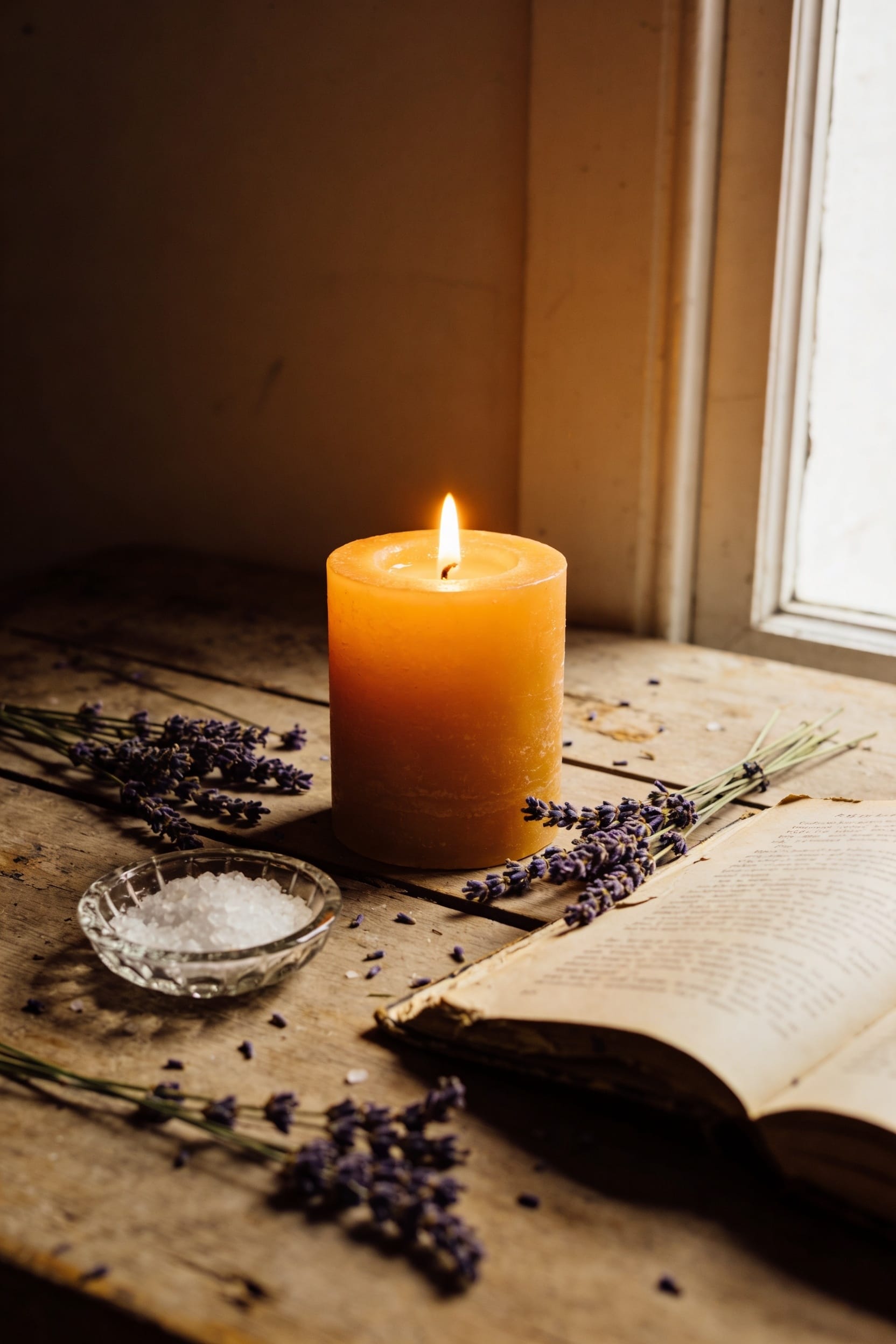
All right, here’s the thing: your nose has a direct line to your amygdala and hippocampus that completely skips the rational filter. That candle scent hits your emotional centers before you even consciously register what you’re smelling, which is why you feel calm or suddenly transported to your grandmother’s kitchen. The limbic shortcut means scent memories pack way more emotional punch than visual ones. Stick with woody notes for grounding or citrus for energy, though your personal history shapes everything about how you respond to any given fragrance.
Key Takeaways
- Olfactory signals bypass the thalamus and reach the amygdala directly, triggering emotional responses before conscious awareness.
- Scent-induced memories feel more vivid and emotionally intense than visual memories due to limbic system prioritization.
- Repeated candle use strengthens associations between specific scents and emotions through olfactory conditioning and memory consolidation.
- Different scent families produce distinct mood effects: woody grounds, citrus energizes, florals soothe, and gourmands comfort.
- Personal history and genetic variation determine how individual scents trigger emotions, making responses highly personalized and contextual.
How Smell Bypasses Your Rational Brain
While your eyes and ears take the scenic route through your brain—passing through a filter called the thalamus that basically says “hold up, let me make sense of this first”—your nose does something wild: it goes straight to the emotional center. This olfactory bypass means scent signals hit your amygdala and hippocampus before your rational brain even knows what’s happening. That’s the limbic shortcut at work. You’re not thinking your way through a smell; you’re feeling it instantly. Your brain processes the emotion first, the memory second, and the actual identification of the scent third. That’s why a candle’s fragrance can shift your entire mood before you consciously register what you’re smelling.
How Scent Triggers Instant Emotion and Long-Term Memory

Because your amygdala doesn’t wait around for your rational brain to catch up, you’re fundamentally experiencing emotion before you’ve even identified what you’re smelling—and that’s where candles become so powerful in shaping how you actually feel. This limbic timing is everything. Through olfactory conditioning, your brain links specific scents to memories and emotions, cementing those associations long-term. When you light a candle, you’re not just adding fragrance to a room; you’re triggering your hippocampus to resurface old memories while your amygdala floods you with feeling. That’s why a particular scent can instantly transport you somewhere else or shift your entire mood. You’re effectively using neurochemistry to rewire your emotional state, one burn at a time.
Recommended Products

GIVE YOURSELF THE GIFT OF INVIGORATING SLEEP: A good night’s sleep is essential for a happier, healthier life. Natural wood bed frame helps regulate temperature and promote healthy airflow for a more supportive, comfortable, and restful sleep
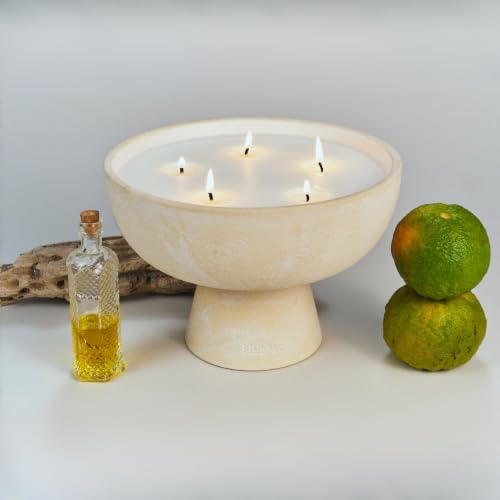
WARM, MEMORY-EVOKING FRAGRANCE EXPERIENCE - Indulge, for a moment, in this complex yet captivating fragrance. Time stops as memories flood you with some of the most familiar yet hard-to-describe notes. Like the refreshing sea salt air, the mix of bergamot, bay leaves, and lavender soothes and brings you back to that endless summer holiday. The lingering scent of seductive musk evokes those moments of passion. The moments you thought were forgotten, now come alive.
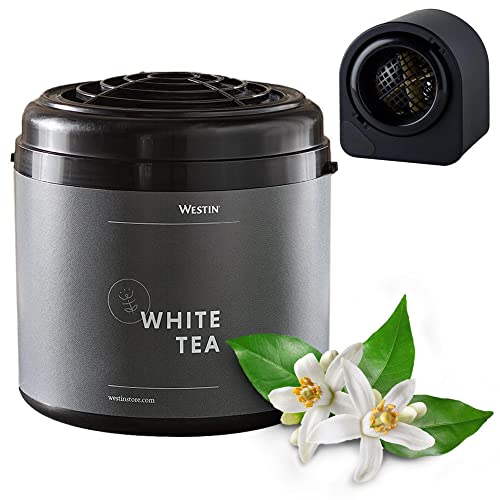
WESTIN HOTELS EXCLUSIVE - Transform your home and enhance your well-being with our Westin White Tea scent found in all Westin hotels worldwide. The perfect aromatic addition to your hotel collection diffuser.
Why Scent Memories Feel More Intense Than Visual Ones

You’ve probably noticed that a random smell can hit you harder emotionally than seeing an old photo—and there’s actual neuroscience backing that up. Here’s the thing: scent operates through what researchers call olfactory primacy, meaning smell reaches your emotional centers before your brain even processes what you’re experiencing. Unlike visual memories that get filtered through your thalamus first, odor signals bypass that rational gatekeeper entirely and shoot straight to your amygdala and hippocampus. That’s where emotional encoding happens—your brain literally tags these memories with intense feeling before conscious thought catches up. When you light a candle that smells like your grandmother’s kitchen, you’re not just remembering; you’re reliving the emotion of that moment. That’s why scent memories stick around and feel so visceral.
How to Choose Candle Scents for Specific Moods
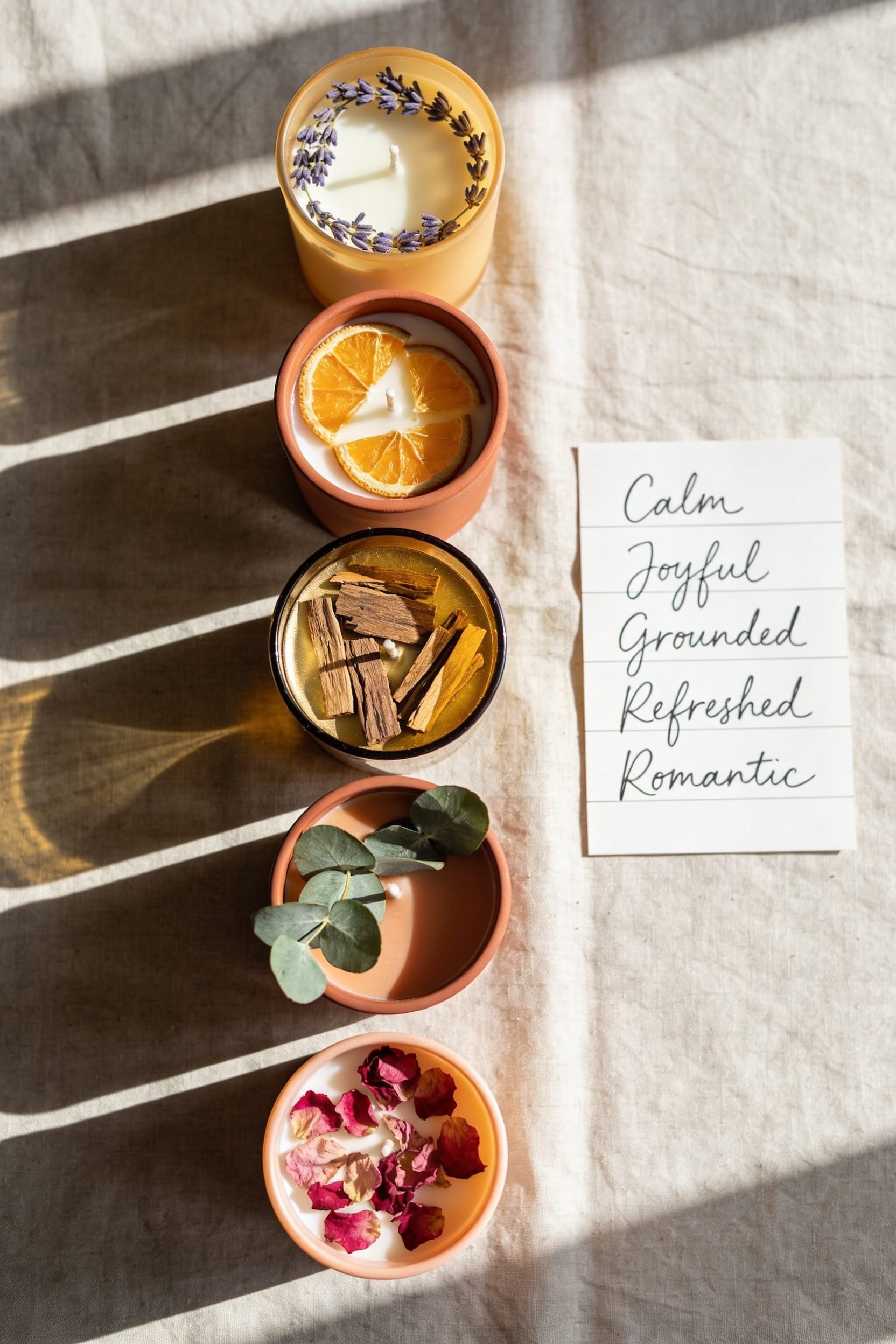
How do you actually pick a candle scent when you’re standing in front of fifty options and your brain’s just screaming “smells good”? All right, here’s what I’ve learned: think about scent pairing and mood layering. If you’re chasing calm, woody scents ground you. Citrus lifts you up when you need energy. Floral creates romance. Gourmand feels like a hug. But here’s the thing—don’t just grab one note. Layer them. Pair a woody base with subtle citrus top notes for complexity. Your brain responds to that richness differently than a single-note candle. And remember, what smells uplifting to you might’ve been your grandma’s bathroom air freshener. Trust your personal associations first. Your scent memory‘s got history.
Recommended Products


CHERISHED ADDITION- Frankincense- Carterii essential oil, distilled from the resin of the Boswellia carterii tree, delivers a rich and resinous aroma with a slightly sweet and fruity undertone. Celebrated for its centuries-old tradition in spiritual practices and potential for encouraging emotional balance, this oil is a cherished addition to your aromatherapy collection, helping to create a serene and meditative atmosphere while nourishing your inner well-being.

100% PURE & NATURAL: Rue oil is a member of the Rutaceae family. This oil has a sharply herbaceous, distinctly fruity orange-like scent, with a bitter back note. It is classed as a top note and blends well with citrus, herby, minty and woodsy oils.
The Science Behind Mood-Regulating Scents (Optional Deepening)

All right, so you’ve picked your candle based on what feels right to you, but there’s actually some serious neuroscience happening the moment that scent hits your olfactory receptors—and it’s not magic, though it sure feels like it. Your brain’s neural pathways are literally rewiring based on repeated scent exposure. That’s olfactory plasticity at work. The more you burn a particular candle, the stronger those fragrance associations become. Your amygdala and hippocampus are basically creating emotional shortcuts. Citrus doesn’t just smell uplifting—your brain now expects it to feel that way because you’ve trained those neural pathways through experience. That’s why your go-to candle works every single time.
Recommended Products

Wax Weight: 3,632 g/ 128.12 oz

MASSIVE 8" × 8" LUXURY CANDLE –150 OZ OF NATURAL SOY WAX Make a statement with this Baby Big Ass Candle—our smaller of the 2 two iconic oversized design. This luxury candle delivers bold presence, elegant style, and room-filling fragrance. Perfect as a centerpiece for living rooms, great rooms, and upscale spaces.

Antique wardrobes and bookshelves, overloaded and almost dusty, the Brown perfume is the olfactive signature of the Hôtel Costes.
Why Your Emotional Response to Scent Isn’t Universal
While that citrus candle hits your limbic system like an instant mood boost, here’s what’s wild—the same scent could trigger something entirely different for someone else, maybe even something painful. Your emotional response to fragrance isn’t hardwired. Cultural conditioning shapes how you perceive scents. What smells “fresh” to you might mean nothing to someone from a different background. Genetic variation matters too—some people’s olfactory receptors are literally wired differently, making them more or less sensitive to certain molecules. Then there’s personal history. A scent tied to trauma can hijack your amygdala decades later, flooding you with unwanted emotions. This is why recommending candles requires nuance. What soothes you might destabilize someone else.
When Scent Memories Become Triggers: Trauma, PTSD, and Culture
The same lavender scent that calms your nervous system before bed might transport someone else straight into a panic attack—not because they’re overreacting, but because their brain’s linking that fragrance to something traumatic. Here’s the thing: odor-evoked memories don’t fade like other recollections. They persist for decades, sometimes intensifying rather than weakening over time.
Those cultural triggers matter too. A scent that signals comfort in one culture might carry completely different associations elsewhere. Your childhood memory of grandmother’s rose perfume feels warm and grounding. Someone else’s identical rose memory? It’s tied to loss or fear.
When you’re choosing candles for yourself or gifting them, remember that you’re not just picking a pleasant smell. You’re potentially activating someone’s trauma reminders. It’s worth asking before assuming a scent’s emotional effect.
Recommended Products

100% Pure Beeswax Candle: Hand-poured from naturally filtered beeswax for a rich, golden glow. These clean burning candles are free from paraffin, soy, and synthetic fragrances. Each 1-wick dripless pillar candle features natural cotton candle wicks and pure candle wax for a long-lasting burn and warm, cozy candle light.
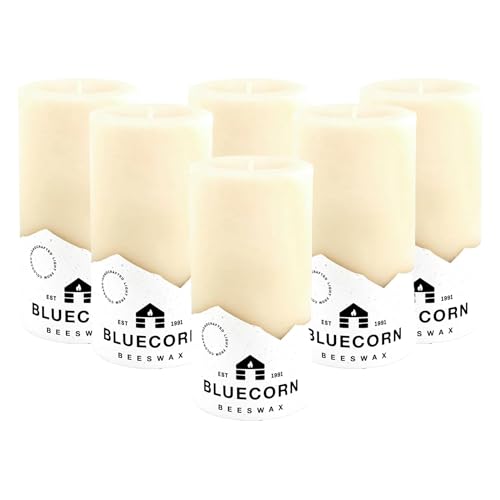
100% Pure Beeswax Candles — Non Toxic & Hypoallergenic: Hand-poured from naturally filtered beeswax for a truly unscented, hypoallergenic white beeswax candle. Each pure beeswax candle features a cotton wick for a clean, dripless burn, completely free from paraffin, soy and synthetic fragrances. A natural, non toxic candle alternative that adds warm, cozy candlelight to any setting.

100% Pure Beeswax Votives: Hand-poured from naturally filtered beeswax, these small candles offer a warm, golden glow and clean, natural candlelight for cozy evenings, holiday gatherings, or everyday home decor
Building a Personal Scent Ritual for Emotional Wellness
Once you’ve understood how deeply scent can trigger your emotions—and sometimes, trauma—you’re ready to flip the script and use that same neural wiring intentionally. Start with daily scentwork by choosing one candle scent that resonates with how you want to feel. Light it at the same time each day. During mindful inhalation, pause and breathe deeply—let the scent reach your olfactory bulb without rushing. You’re fundamentally rewiring your amygdala-hippocampus connection toward calm instead of crisis. Pick a scent with no baggage. Citrus works well for uplift, woody notes ground you, floral soothes. The consistency matters most. Your brain will eventually associate that scent with safety and intentional rest.
Recommended Products

Pure Saffron Oil: 100% pure saffron oil for therapeutic benefits

Transform any space with our invigorating essential oils! Whether you're seeking a lively home ambiance or a refreshing start to your day, our oils are ideal for enhancing your diffuser experience.

Pure Oud Oil: 100% Undiluted Therapeutic Grade Oil For Skin And Hair Care
Frequently Asked Questions
Can Scent Memories Help Improve Cognitive Performance in People With Specific Learning Disabilities?
I can’t definitively say scent memories help learning disabilities based on the knowledge provided. However, olfactory training as mnemonic anchors shows promise—you’d see cognitive gains through scent-triggered memory retrieval, though targeted research remains limited.
How Long Does It Take for a New Scent to Become Associated With Emotional Memory?
I can’t give you a precise timeframe from the knowledge provided. However, research suggests that initial pairing matters—repeated exposure to a scent strengthens emotional associations, though the exact timeline varies individually.
Are Certain Candle Scents More Effective for Reducing Inflammation Markers Than Others?
I can’t definitively say which candle scents reduce inflammation most effectively. Research shows phytochemical variability and odorant concentration differ across scents, but I haven’t found studies comparing specific candles’ antiinflammatory terpenes or olfactory receptor activation directly.
Can Aromatherapy Exposure Permanently Change Brain Pathway Integrity in the Uncinate Fasciculus?
I can’t definitively confirm if aromatherapy permanently changes your uncinate fasciculus integrity. However, research shows improved pathway integrity with exposure, suggesting neuroplastic resilience. You’d need long-term studies accounting for olfactory habituation to determine permanence.
What Specific Scent Characteristics Help Distinguish Between Therapeutic and Potentially Triggering Fragrances?
I’d recommend you choose mild citrus or earthy musk scents—they’re generally associated with uplifting and grounding responses. However, your personal history matters most; I’d avoid fragrances linked to traumatic memories, regardless of their therapeutic reputation.
Conclusion
Your scent journey’s just beginning. I’ve watched people transform their spaces—and themselves—by tuning into what their nose knows. A candle isn’t just decoration; it’s a memory anchor, an emotion translator, a tiny ritual you light and trust. You’ve got the knowledge now. Find your signature scent, honor what it stirs in you, and let it guide you home, again and again.