As an Amazon Associate, we earn from qualifying purchases. Some links on this site are affiliate links at no extra cost to you. Our recommendations are based on thorough research and editorial judgment.


Rosemary Candle Benefits: Can It Really Boost Memory?

All right, here’s the thing: rosemary scent does reach your brain’s memory centers directly, and research shows legitimate cognitive benefits from the plant itself. But—and this matters—most studies used direct inhalation or diffusion, not candle smoke. A candle’s ambient fragrance might still help you feel sharper during focused work, especially with strategic 30-to-60-minute burns. The real gains depend on dose, individual chemistry, and honestly, whether the ritual of lighting one shifts your mindset. There’s more nuance worth exploring here.
Key Takeaways
- Rosemary’s volatile compounds trigger olfactory learning pathways directly connected to memory centers in the brain.
- Studies show rosemary improved memory speed and recall performance, though most used direct inhalation rather than candles.
- Candles deliver ambient scent consistently but less concentrated than diffusers; effectiveness depends on wick placement and duration.
- Dose-response effects vary individually; optimal benefits occur at lower concentrations, with higher doses potentially impairing performance.
- Research limitations include inability to isolate scent effects from placebo, ambiance, and unknown long-term safety of inhaled candle fragrance.
Does Rosemary Scent Reach Your Brain?
All right, here’s the thing—your nose isn’t just sitting there passively smelling whatever floats past it. When you light a rosemary candle, those scent molecules travel through your olfactory pathways and create something remarkable in your brain. Your olfactory system sits remarkably close to your hippocampus and amygdala—the regions responsible for memory and emotion. This proximity means scent encoding happens almost immediately, bypassing the usual filters other senses go through. Unlike taste or touch, smell connects directly to your brain’s memory centers. So when you’re burning that rosemary candle, you’re not just experiencing a pleasant aroma. You’re potentially triggering neural pathways linked to cognitive enhancement. That’s why aromatherapy feels different from other sensory experiences—it’s literally wired that way.
What Science Shows About Rosemary and Memory?
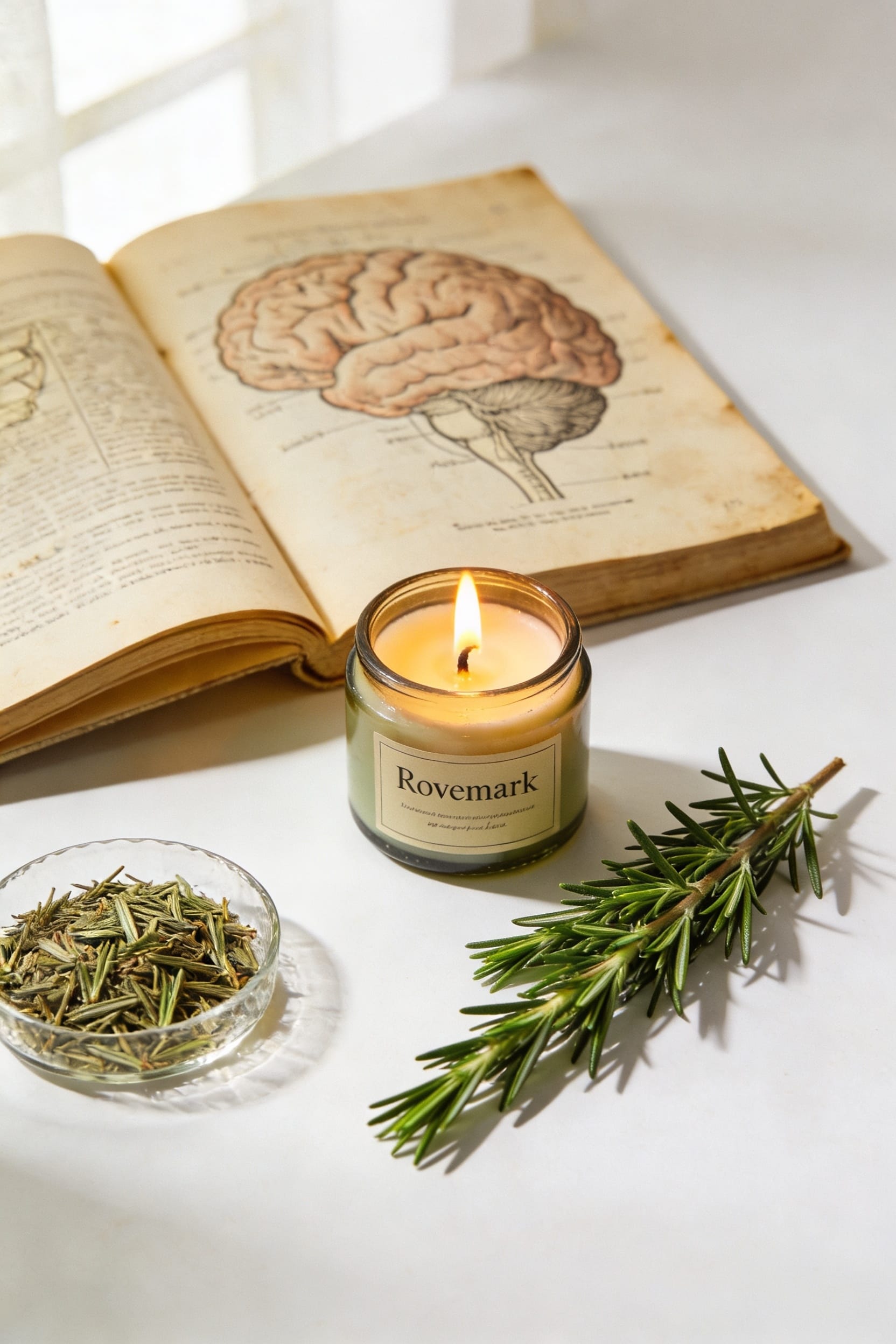
Now, here’s where the research gets genuinely interesting—because scientists have actually measured what happens when rosemary gets into your system. Studies show that rosemary’s volatile constituents trigger what researchers call olfactory learning, essentially training your brain to strengthen memory pathways. When you inhale rosemary from a candle, those aromatic compounds travel directly to your hippocampus and amygdala—the brain regions responsible for memory and emotion. Participants exposed to rosemary performed markedly better on memory reconstruction tasks and number recall tests compared to control groups. The results weren’t subtle either. A meta-analysis found substantial positive effects on memory enhancement. Even low doses of dried rosemary powder improved memory speed in older adults. That’s not marketing hype—that’s actual neuroscience happening in your space.
Rosemary Candles vs. Other Delivery Methods: Which Works Best?
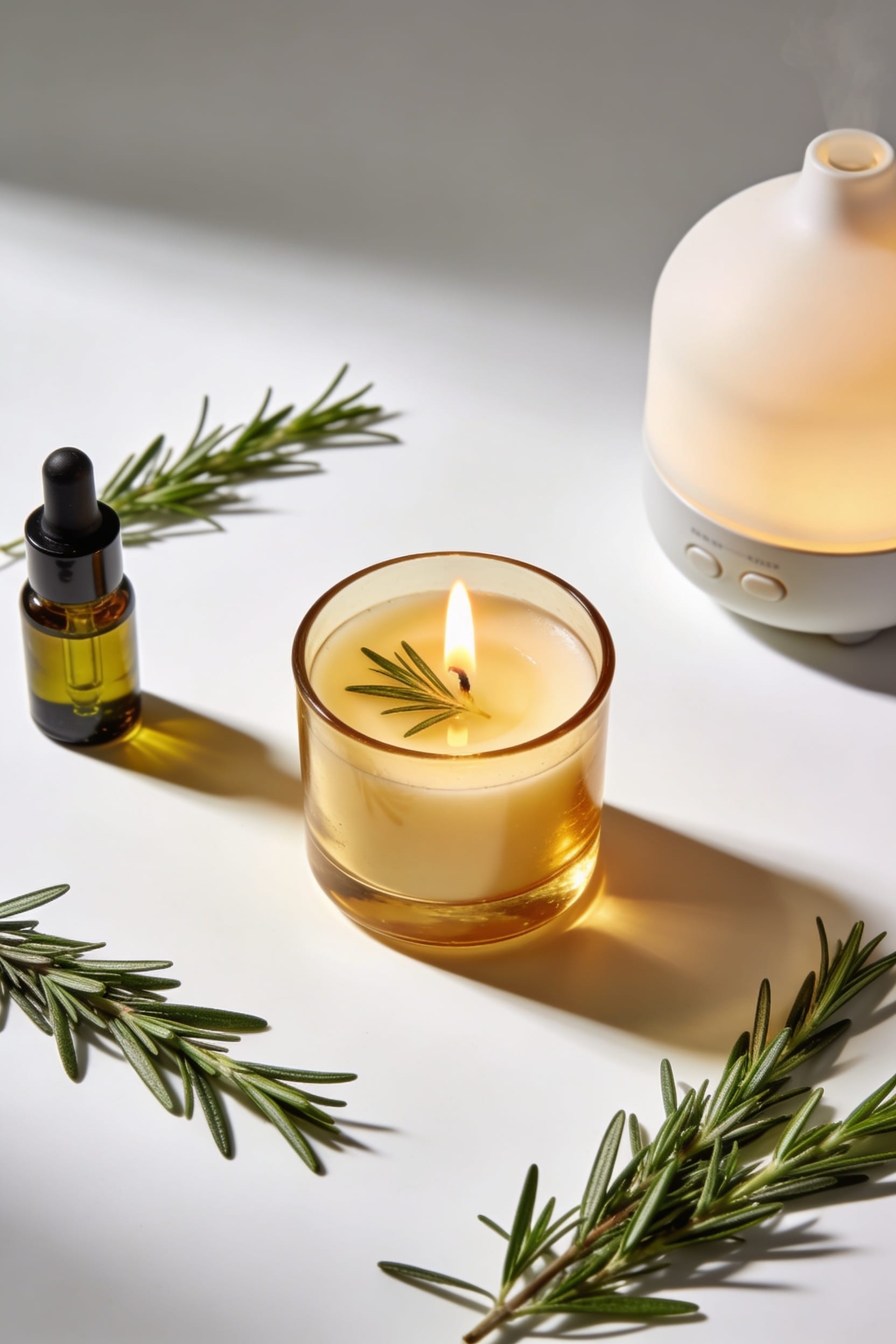
Consider this: you’re standing in your home office with three options in front of you—a rosemary candle burning on your desk, a diffuser releasing rosemary essential oil into the air, and a capsule of dried rosemary powder you could take orally.
All right, here’s what matters. Candles offer consistent scent longevity throughout your workspace, but their effectiveness depends heavily on wick placement. Position it centrally for even fragrance dispersal. Diffusers deliver concentrated aromatic exposure directly to your olfactory system—research shows this method produces faster cognitive results. Oral supplements provide systemic benefits but lack the immediate mental alertness boost.
Honestly? None beats all three. Candles work best for ambient enhancement during work sessions. They’re your reliable, low-commitment entry point into rosemary’s memory benefits.
Recommended Products
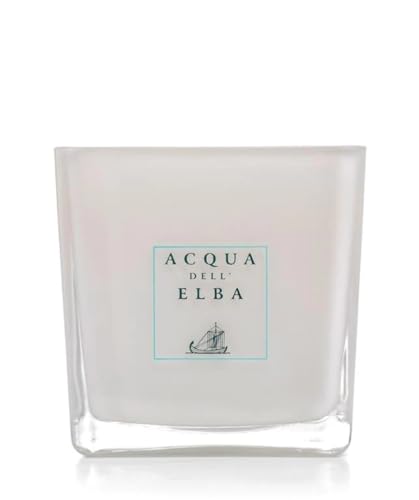
When you experience that first swim in the morning, the caress of the wind that fills your sails and the fresh fragrance of that solitary cove, this is the fragrance that will remind you of the essence of an island: Mare, The Sea. Experience the luxurious and refreshing scent of the Acqua Dell'Elba Mare Scented Candle, crafted with the finest ingredients to create an enchanting aroma that transports you to the tranquil beaches of the Mediterranean Sea.
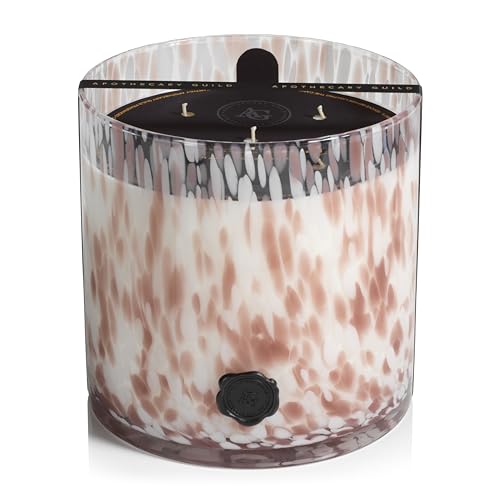
INDULGE IN LUXURY FRAGRANCE: Add sophistication to any space with the Apothecary Guild 5-wick scented candle, encased in a stunning blue tortoise-patterned glass jar. With a signature seal stamp and 150 hours of burn time, it’s the perfect way to infuse your home with elegance and warmth.

SCENT - Chamomile Lavender features lavender with warm & enveloping bergamot. Calming chamomile melts into a heart of eucalyptus to create a feeling of well-being. Smoky patchouli is enhanced by hints of sage & rosemary for a quiet, relaxing finish.
Finding Your Optimal Rosemary Dose
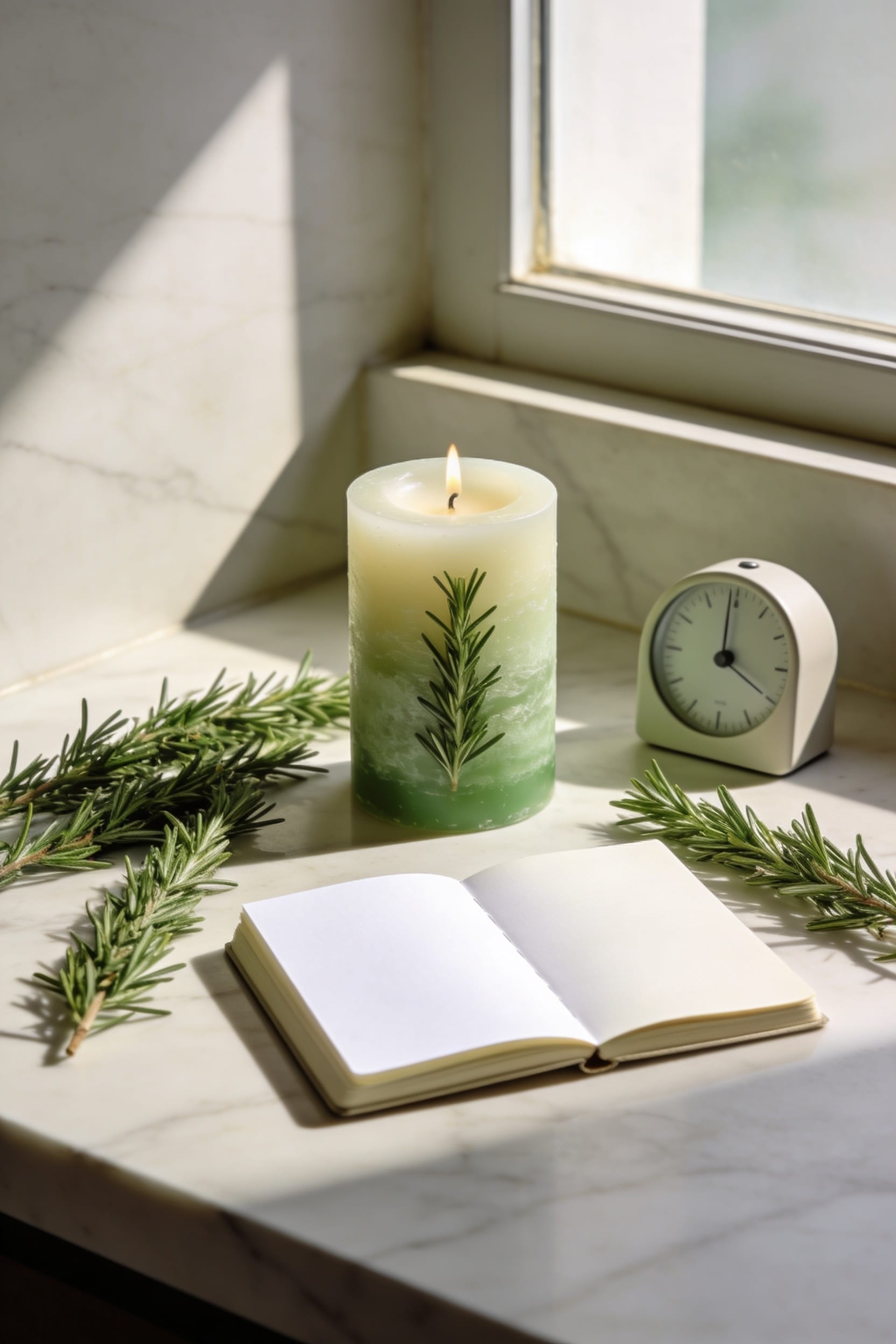
Through the lens of rosemary’s dose-dependent effects, I’ll be straight with you: more isn’t better, and that’s actually the most important thing you’ll learn about using rosemary candles for cognitive benefits. A study of older adults found that 750 mg of dried rosemary powder noticeably improved memory speed, but 6,000 mg actually impaired it. That’s a pivotal takeaway—optimal concentrations exist on a curve, not a straight line upward.
Here’s the thing: individual variability matters enormously. What works brilliantly for your friend might do nothing for you. I’d recommend starting with lower concentrations, burning your candle for shorter sessions, and paying attention to how you actually feel. Your body’s response is the real experiment.
Recommended Products

Quality - We produce our Dried Ginger Root essential oil using pure, natural, and raw ingredients.

🌿 100% Pure & Undiluted – Steam distilled from premium Cymbopogon nardus with no fillers, carrier oils, or synthetic additives.

A MUST HAVE- Discover the unique blend of Edens Garden's Lavender Around The World Essential Oil. Our 'Around the World' oils are sourced from different global regions, enhancing the complexity and richness of their aroma. This Lavender blend offers a sweet, floral scent with herbal undertones, reminiscent of its global origins. Known for encouraging relaxation, improving sleep, and soothing skin irritations, this versatile oil is your go-to companion for wellness and skincare routines.
How Rosemary Shields Your Brain From Damage
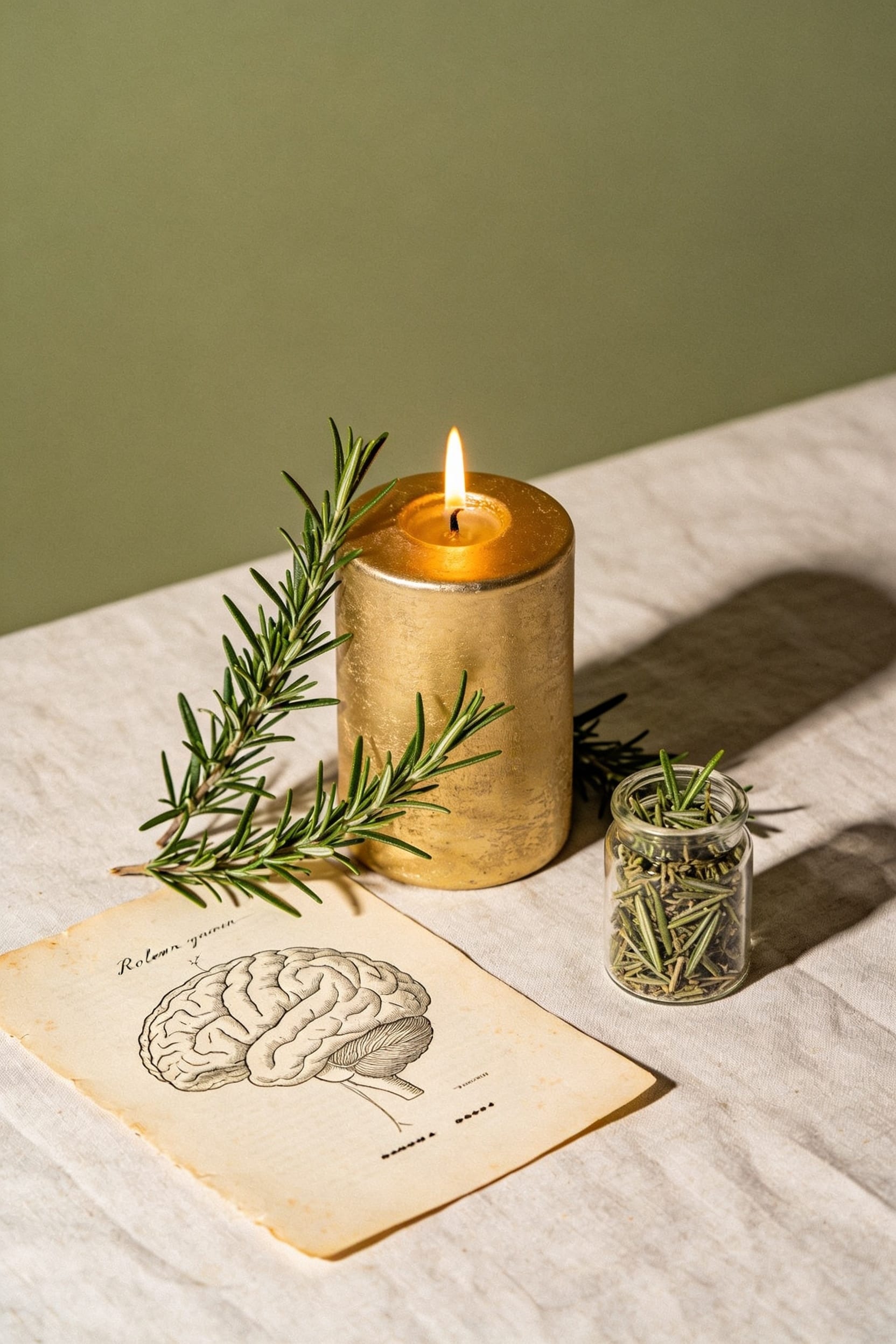
When you’re burning a rosemary candle day after day, you’re not just enjoying a pleasant smell—you’re potentially giving your brain a biochemical shield against the very damage that leads to cognitive decline. Here’s the thing: rosemary’s active compounds work through neuroprotective pathways that actively combat inflammation and free radicals. Research shows the herb reduces neuron degeneration and oxidative stress in your hippocampus—that’s the memory center. It even inhibits tau fibrillation, preventing the protein misfolding linked to neurodegeneration. These aren’t flashy claims; they’re backed by studies showing rosemary prevents spatial learning deficits after brain injury. The oxidative reduction happening at a cellular level translates to real protection. Your brain’s literally getting defended against the wear and tear that typically accumulates over time.
Can Rosemary Help With Alzheimer’s and Dementia?
If you’re wondering whether a rosemary candle could actually make a difference for someone dealing with Alzheimer’s or dementia, you’re asking the right question—and the research suggests there’s real potential here. Studies show that aromatherapy combining rosemary with lemon oils improved cognitive function in elderly patients with vascular dementia and Alzheimer’s over just 28 days. Now, here’s what matters for caregiver support: rosemary enhances cholinergic neuron function, boosting acetylcholine synthesis that directly benefits memory and attention. While we don’t yet have diagnostic biomarkers proving candles work as clinical interventions, the evidence points toward genuine therapeutic value. You’re not looking at a cure, but a complementary tool that might help preserve cognitive function when used consistently alongside professional care.
Why More Isn’t Better: The Dosing Backfire Effect
Memory performance tanked when study participants used the highest rosemary doses. That’s the dose paradox you need to understand: more rosemary doesn’t equal better results. A 2012 study showed 750 mg of dried rosemary powder markedly boosted memory speed, but 6,000 mg actually impaired it. With candles, you’re working with scent tolerance—your nose adapts to constant fragrance, diminishing benefits over time. I’ve learned this the hard way. Running a rosemary candle nonstop won’t enhance your cognition; it’ll just make you nose-blind. Burn it strategically. Light your rosemary candle for focused work sessions, then let your olfactory system reset. You’ll get better memory benefits through intentional use than round-the-clock exposure.
How to Use Rosemary Candles for Cognitive Benefits
Now that you understand the dose paradox—that strategic use beats constant exposure—let’s talk about actually implementing rosemary candles into your routine for real cognitive gains. I’d suggest lighting one during focused work sessions, maybe 30-60 minutes max. Don’t just burn it constantly; you’ll desensitize to the scent and lose those memory benefits. Consider scent pairing with complementary notes—lavender pairs surprisingly well if you’re working evenings. Ambient timing matters too. Morning rosemary sessions align with when you’re tackling demanding tasks. Position your candle close enough to catch the aroma without overwhelming your space. Think strategic placement on your desk rather than across the room. This measured approach actually delivers the cognitive boost research suggests.
Recommended Products

LUXURY GLASS CANDLE - Designed to burn cleanly and infuse your home with exceptional scent, this candle elevates everyday living and entertaining. It is housed in a glass vessel etched with elegant, frosted stripes that complements any decor.

WHAT IT IS: This scented candle is handcrafted by a renowned French candle maker, whose four-generation legacy since 1904 upholds century-old family know-how & harmonious wax & perfume formulation secrets, ensuring the highest quality & craftsmanship.
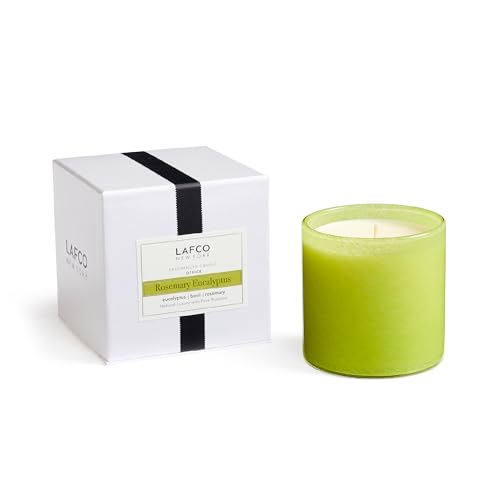
SCENT - Rosemary Eucalyptus features tangy and robust juniper, eucalyptus & fresh rosemary with aromatic top notes of basil and sage. Warm patchouli and elemi instill an earthy, woody base. Clear the mind and get inspired.
What We Still Don’t Know About Rosemary Candles
While the strategic use approach I just outlined sounds great in theory, there’s a real gap between what research shows in controlled lab settings and what actually happens when you’re burning a candle at your desk. Most studies used direct inhalation or essential oil diffusion—not candle smoke. We don’t know if scent placebo plays a role when you’re just casually catching whiffs while working. Long term safety data on inhaling rosemary candle fragrance over months or years? Basically nonexistent. And here’s what really gets me: we can’t isolate whether the candle’s warmth, ambiance, or actual scent compound is doing the heavy lifting. You might feel sharper simply because a nice candle makes your space feel intentional.
Frequently Asked Questions
Are Rosemary Candles Safe to Use Daily for Long-Term Cognitive Enhancement?
I can’t definitively confirm rosemary candles’ long-term safety for daily exposure. While research shows cognitive benefits, most studies involve small populations and lack rigorous trials specifically on candle-based aromatherapy delivery methods.
Can Rosemary Aromatherapy Interact Negatively With Prescription Medications or Supplements?
I’d love to tell you there’s definitive research on medication interactions, but I can’t—the knowledge base doesn’t address supplement interference with prescriptions. You’ll need consulting your pharmacist for personalized guidance.
How Quickly Can Someone Expect to Notice Memory Improvements From Rosemary Exposure?
You’ll likely notice immediate alertness and improved short term recall within minutes of rosemary exposure. However, these rapid onset effects are often transient, so consistent use helps sustain cognitive benefits over time.
Is Rosemary Equally Effective for Younger Adults as It Is for Older Populations?
Like a key fitting different locks, rosemary doesn’t open memory equally across ages. Research shows larger nootropic effects in cognitively impaired populations, suggesting lifespan differences exist. Young adults’ already-sharp minds may see modest gains compared to older adults’ more pronounced improvements.
What Are the Potential Side Effects of Excessive Rosemary Inhalation or Consumption?
I’ve found that excessive rosemary inhalation can cause respiratory irritation and skin irritation with topical overuse. The knowledge provided emphasizes that higher doses actually impair memory, suggesting your body’s signals matter when determining safe consumption levels.
Conclusion
I’ve learned that while rosemary candles show promise, they’re not a memory miracle. Research suggests inhaling rosemary can enhance recall by up to 15 percent, which is interesting—but it’s not a replacement for sleep and exercise. You’re getting genuine cognitive support here, just a modest one. I’d use them as part of your wellness routine, not your only strategy. They smell fantastic anyway.