As an Amazon Associate, we earn from qualifying purchases. Some links on this site are affiliate links at no extra cost to you. Our recommendations are based on thorough research and editorial judgment.

Candles in Different Cultures: Symbolism Around the World

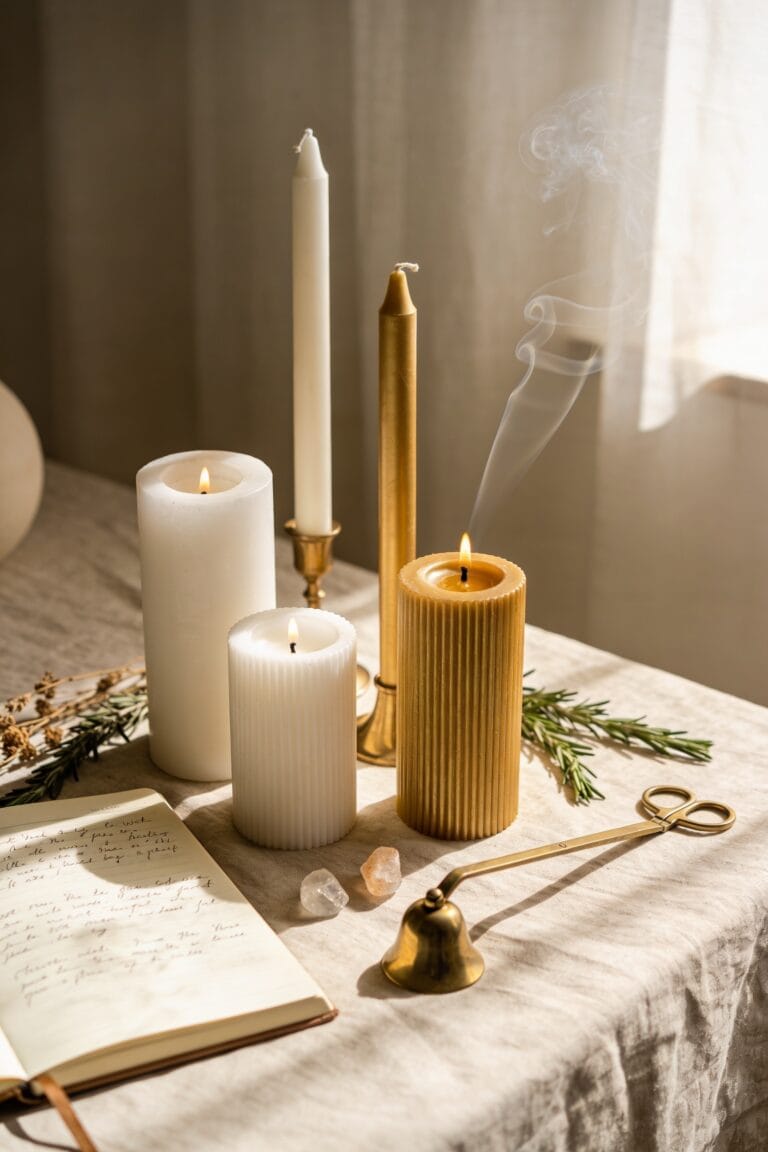
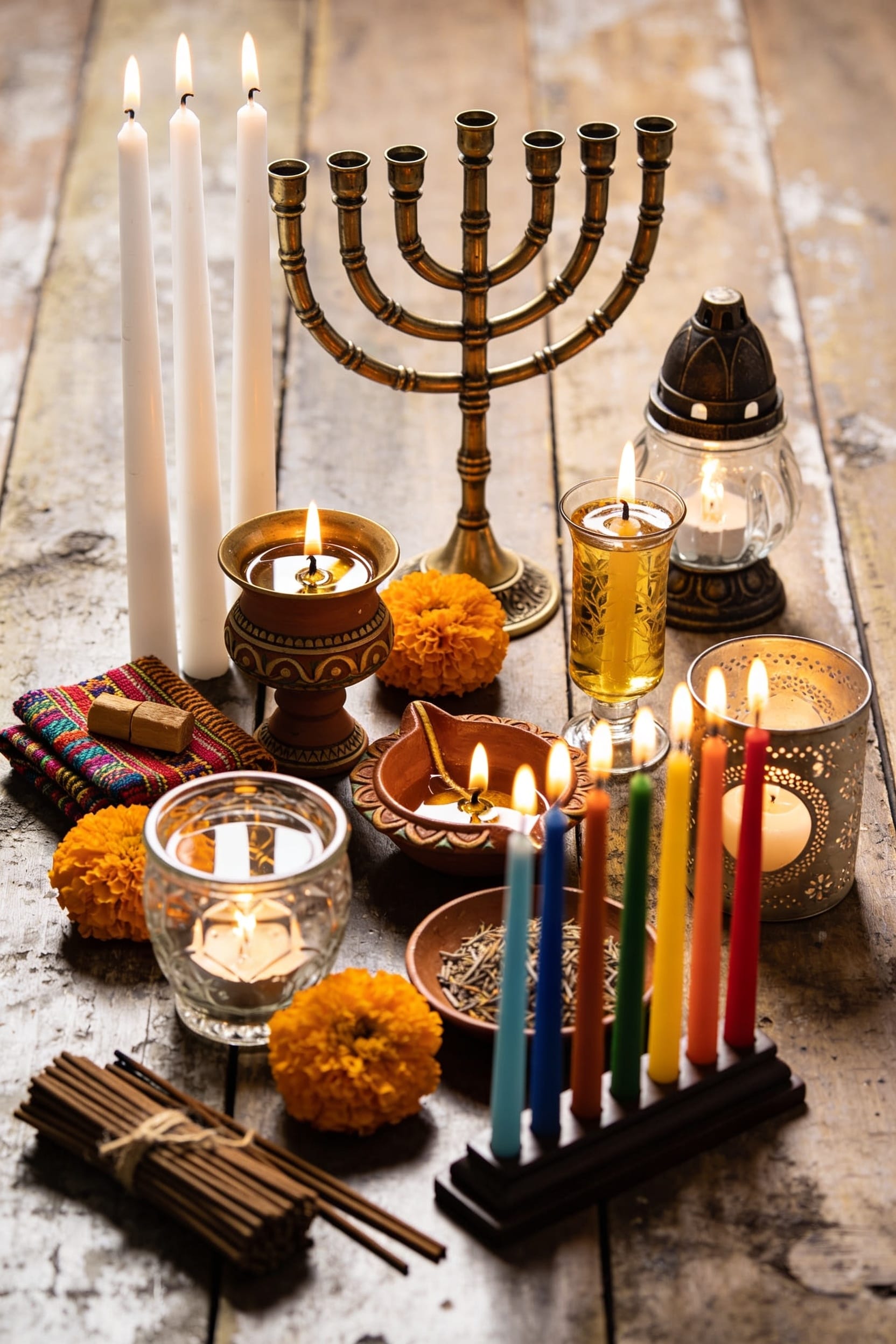
All right, here’s the thing—candles aren’t just about light. Across cultures, they’re rituals. Ancient Egyptians lit flames to guide souls, while Hindus arrange diyas to celebrate light conquering darkness. In Japan, Buddhist temples use candles to teach impermanence. Catholics light vigils for prayer and remembrance. In Mexico, cemetery candles transform gravesites into luminous gatherings during Día de Muertos. Whether hand-poured soy or a simple pillar, the act of lighting matters more than the candle itself. The symbolism runs surprisingly deep.
Key Takeaways
- Candlelight in rituals worldwide anchors attention, signals meaning, and serves both personal reflection and communal bonding across cultures.
- Ancient Egypt and Rome treated flames as sacred, using them to guide souls and invite divine presence to ceremonies.
- Hindu Diwali traditions use diyas and candles to symbolize light defeating darkness and petition Lakshmi for blessings and prosperity.
- Japanese Buddhist temples employ rōsoku candles in meditation to represent impermanence and Buddha’s illumination through deliberate simplicity.
- Christian and Latin American cultures light candles at altars and ofrendas to honor the deceased and guide spirits home.
Why Cultures Worldwide Light Candles
Across millennia and continents, candlelight has served humanity with a consistency that’s almost spiritual—and that’s not accidental. You light candles for community rituals—think Diwali’s rows of diyas or Day of the Dead altars—because there’s something about gathering around flame that binds people together. But candles also work differently for personal reflection. That flicker isn’t just pretty; it anchors your attention. Buddhists understand this. So do Christians lighting tea lights in silent prayer. What I’ve learned after years in the candle world is that whether you’re burning a hand-poured soy creation or a basic pillar, the act itself matters more than the specifics. Candlelight signals to your brain that something meaningful is happening. That’s universal.
Recommended Products

Multi-Scene Application: This chinese buddha niche cabinet is not only suitable for home spaces but also showcases a unique charm in exhibition halls, shops, or cultural venues. Whether placed in the living room, study, bedroom, or entryway corner, this bamboo altar table adds a sense of spirituality and elegance to the space, enriching the environment with strong cultural depth.

Monumental Gold-Plated Cross:Crafted from heavy-duty zinc alloy with anti-tarnish gold plating, weighing 6.6lb (3kg) for stable freestanding display on altars or floors.

Multi-Tier Altar Table Design:This Altar Table Chinese Buddhist Cabinet features a thoughtfully layered layout with a glass-enclosed worship area. The transparent double glass doors help keep statues, Buddha figures, and sacred decorations protected from while the two-tier display space allows organized placement of deity statues, fruit offerings, incense holders, and ritual accessories
Ancient Egypt and Rome: Divine Light and the Departed
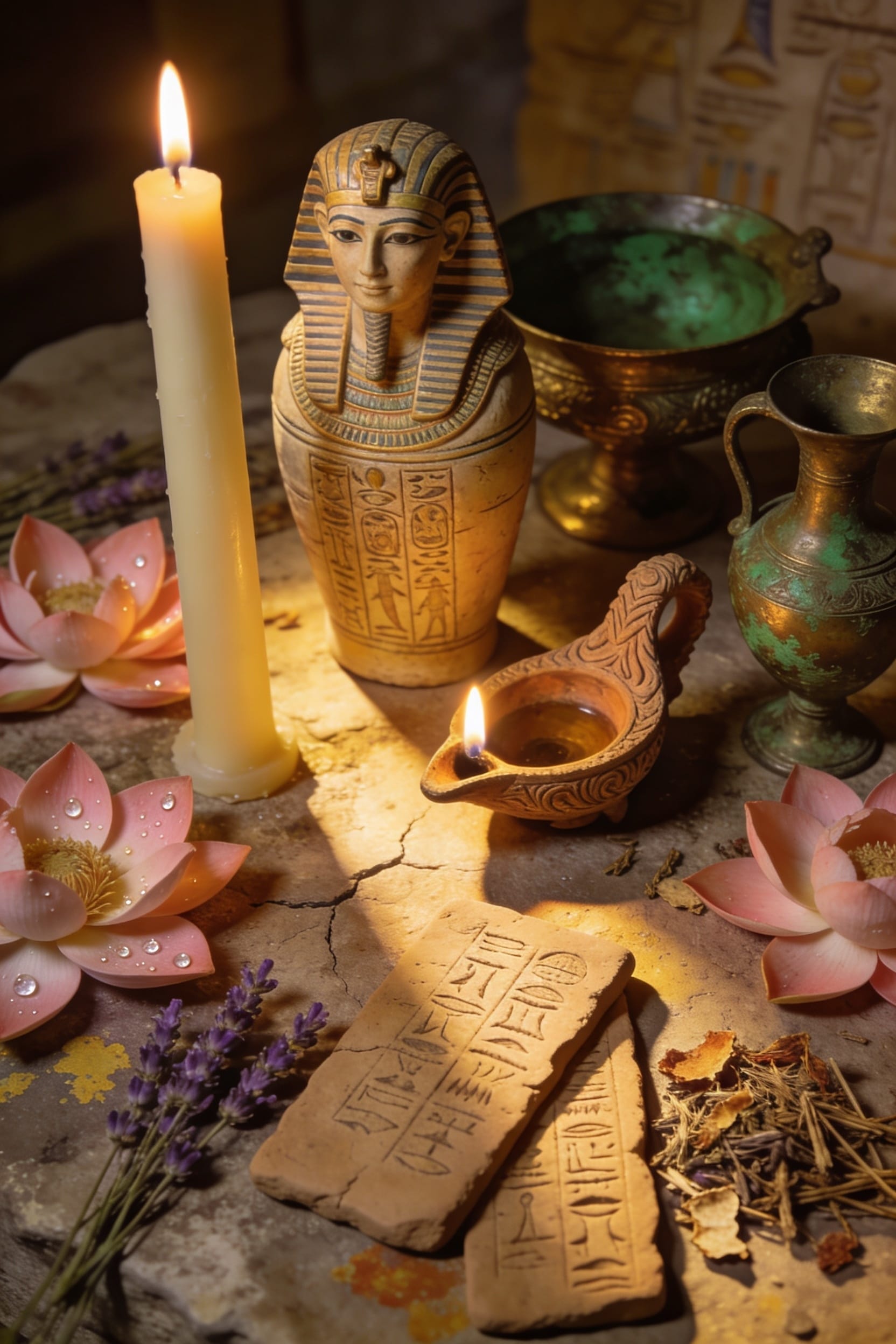
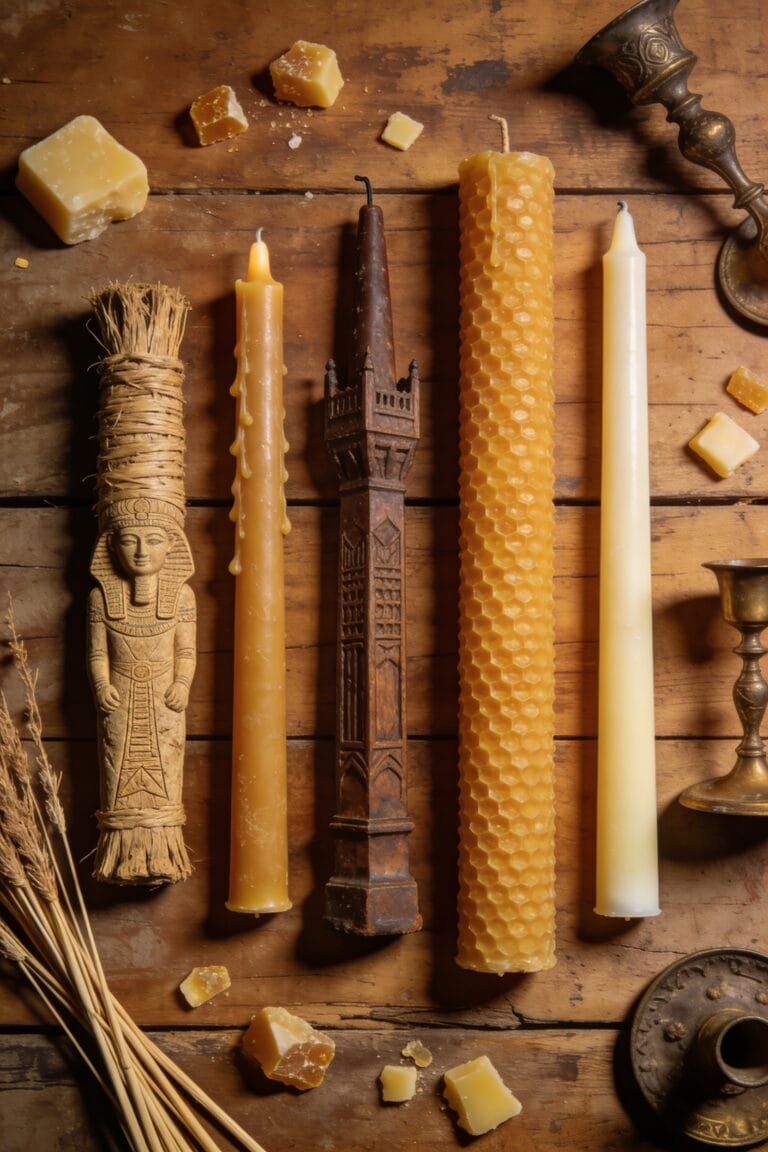
When you picture ancient candlelight, you’re probably imagining something closer to what the Egyptians and Romans actually experienced—and here’s what’s fascinating: they weren’t burning candles just because they looked nice.
The Egyptians saw flames as divine messengers. They’d light candles during ritual funerary practices, believing the flickering glow guided departed souls toward the afterlife. It’s haunting, really—that connection between fire and the spiritual sphere.
Romans took a different approach. They filled their temple illumination with candles during celebrations, convinced the gods themselves showed up when flames burned bright. Candles meant the divine was present, watching over their feasts and festivals.
Both cultures understood something we sometimes forget: light wasn’t just practical. It was sacred. It was how you spoke to something bigger than yourself.
Recommended Products

【Altar Table for Spiritual Practice】: This altar table is thoughtfully designed for spiritual meditation, prayer, and daily rituals. It serves as a beautiful pooja cabinet, Buddhist altar, or shrine altar, helping create a peaceful and harmonious atmosphere in your home.

【Meditation & Ritual】: Elegant vintage Chinese styling creates a focused meditation table and offering altar. Beautiful carvings elevate any room—use as an altar table, altar cabinet, or temple for home to honor traditions and support daily practice in a pooja mandir.

【Premium Craftsmanship & Elegant Design】 Expertly crafted from high-quality wooden, this altar cabinet features a timeless Zen aesthetic. The intricate carvings and smooth finish make it a perfect buddhist altar cabinet that seamlessly blends traditional Chinese culture with modern home decor, creating a respectful space for your sanctuary
Diwali and Hindu Traditions: Candles Triumph Over Darkness
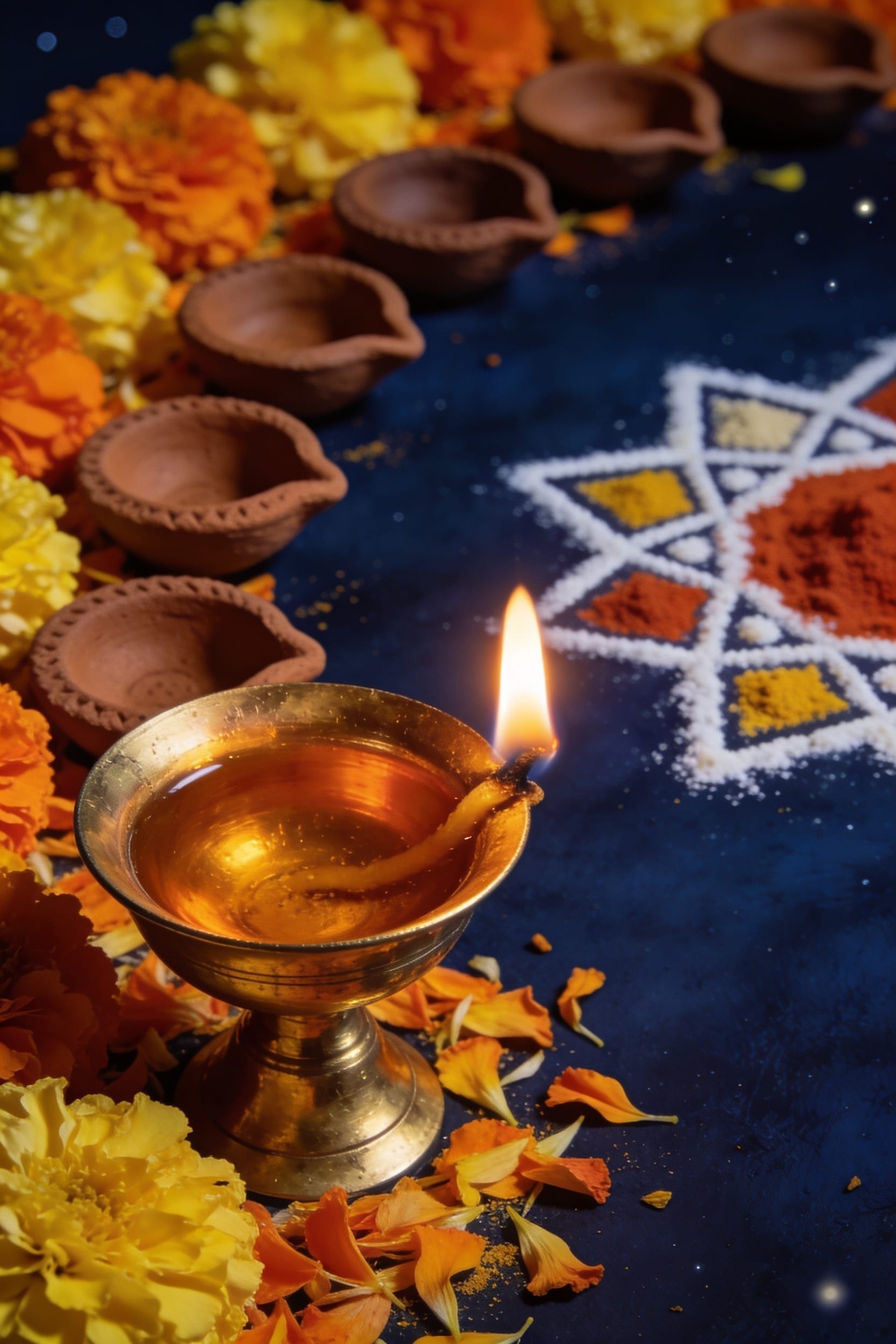
If you’ve ever wondered what it’d be like to light a candle with genuinely spiritual stakes—not just for ambiance, but as an act of defiance against darkness itself—then Diwali’s got your answer. During this Hindu festival, lighting diyas isn’t decoration. It’s triumph. The flickering flames symbolize light conquering darkness, knowledge defeating ignorance, good overpowering evil.
Here’s what makes it different from Western candle traditions: these aren’t solitary moments. Families craft diya art together, arranging rangoli lamps in elaborate patterns across homes and courtyards. Those rows of oil lamps? They’re petitioning Lakshmi for blessings and prosperity. In daily Hindu worship, candles illuminate the path toward divine connection—a personal conversation between you and something sacred. That’s the real power at work.
Recommended Products

Product Details - Extra large bulk set of 100 lotus brass finish diyas in aluminium alloy, each approx 2.5 x 2.5 x 2.1 inxhes, 0.75 inch deep oil well, ideal as table deepam lamps for full venue indoor mandir and pooja decor.

Height: 92 cm, making it a compact yet significant presence for home or temple décor.

(Set of 25 )This handcrafted antique idol of Lord Laxmi Ganesha with Diya is made of pure gold metal.
Japan and Buddhism: Candles as Paths to Enlightenment
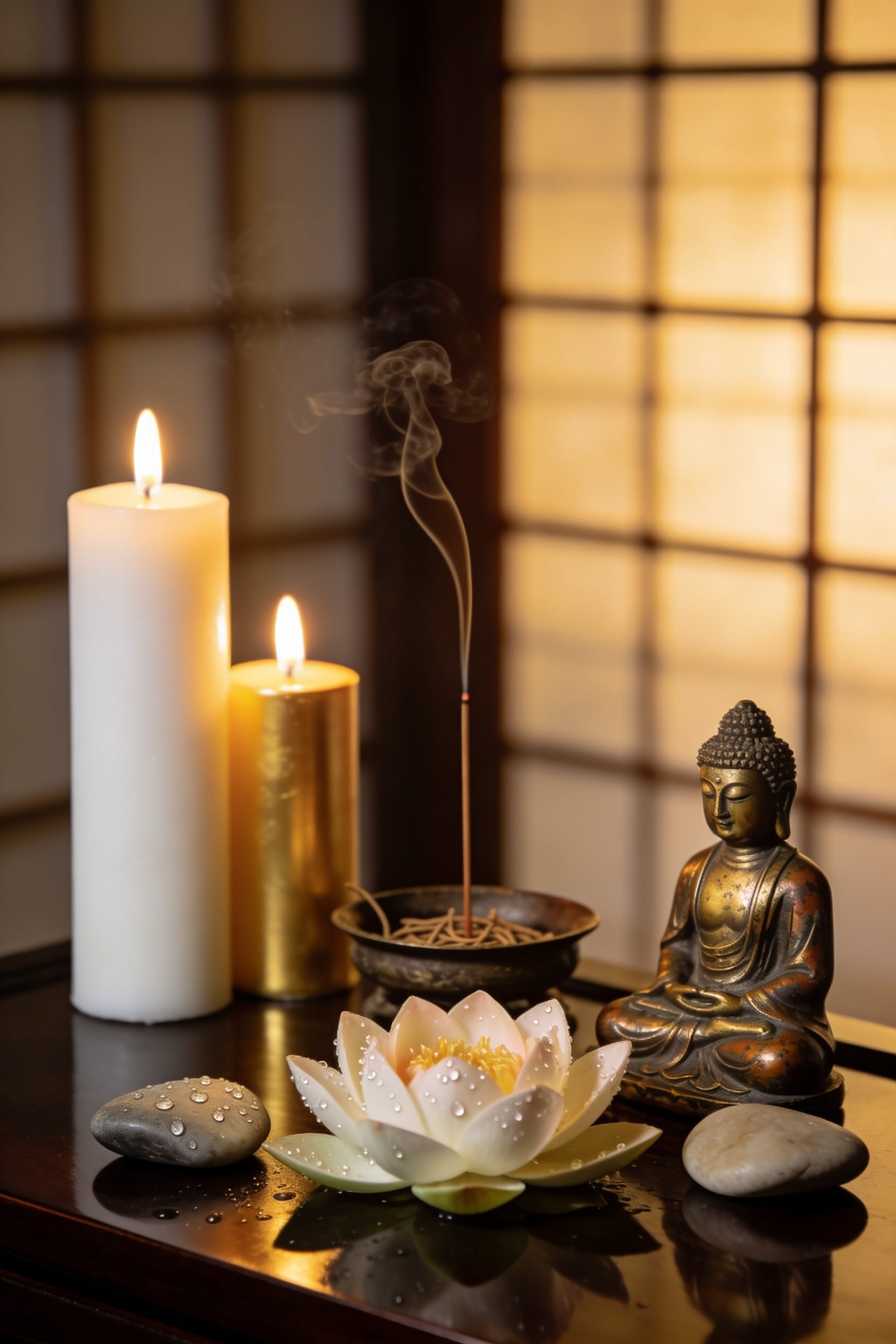
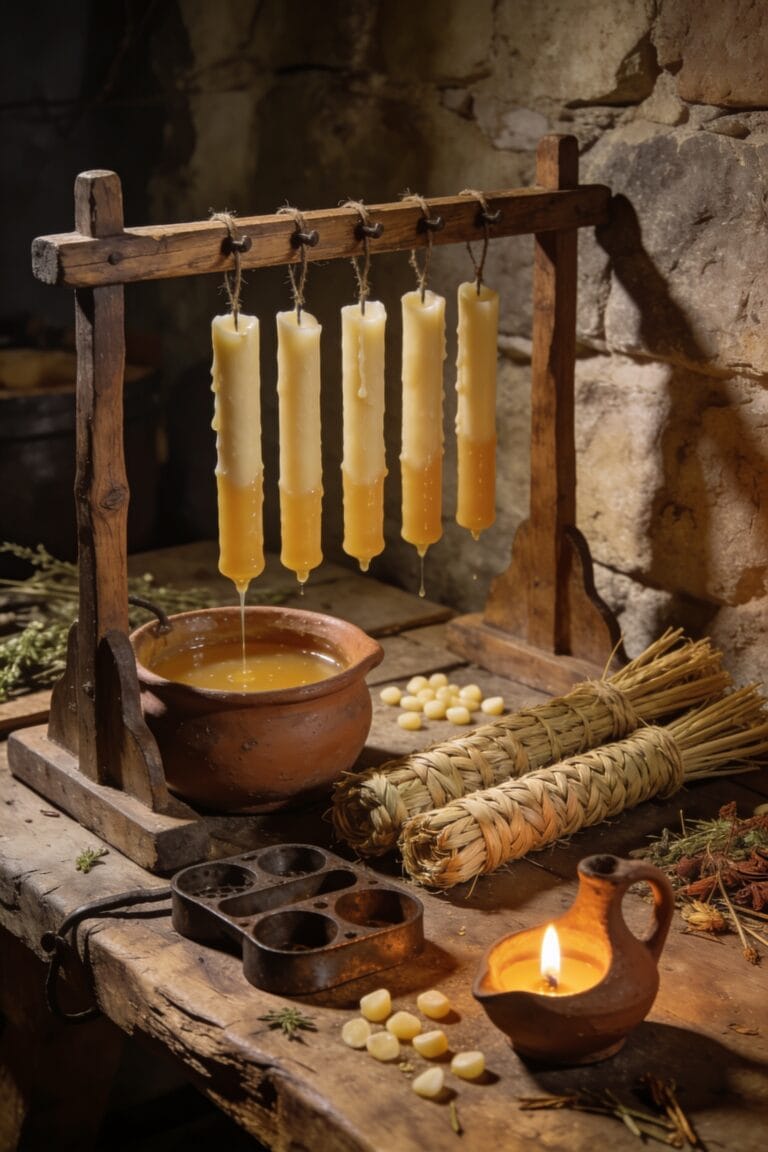
In Japan, the practice of lighting rōsoku—traditional candles—carries a weight that our Western “self-care” candle culture doesn’t quite capture. These aren’t about fragrance notes or aesthetic ambiance. They’re spiritual tools. In Buddhist temples, you’ll find rōsoku burning steadily during meditation, their flickering flames embodying Zen aesthetics—that deliberate simplicity and impermanence that defines the practice. During Soto meditation specifically, the candle’s light represents Buddha’s illumination, guiding practitioners toward enlightenment. The transient nature of the flame itself teaches you something essential about existence: nothing’s permanent, and that’s okay. It’s mindfulness made visible. When you light a rōsoku, you’re participating in centuries of contemplative tradition, transforming a simple act into profound spiritual connection.
Christian Europe: Candles for Hope and Remembrance
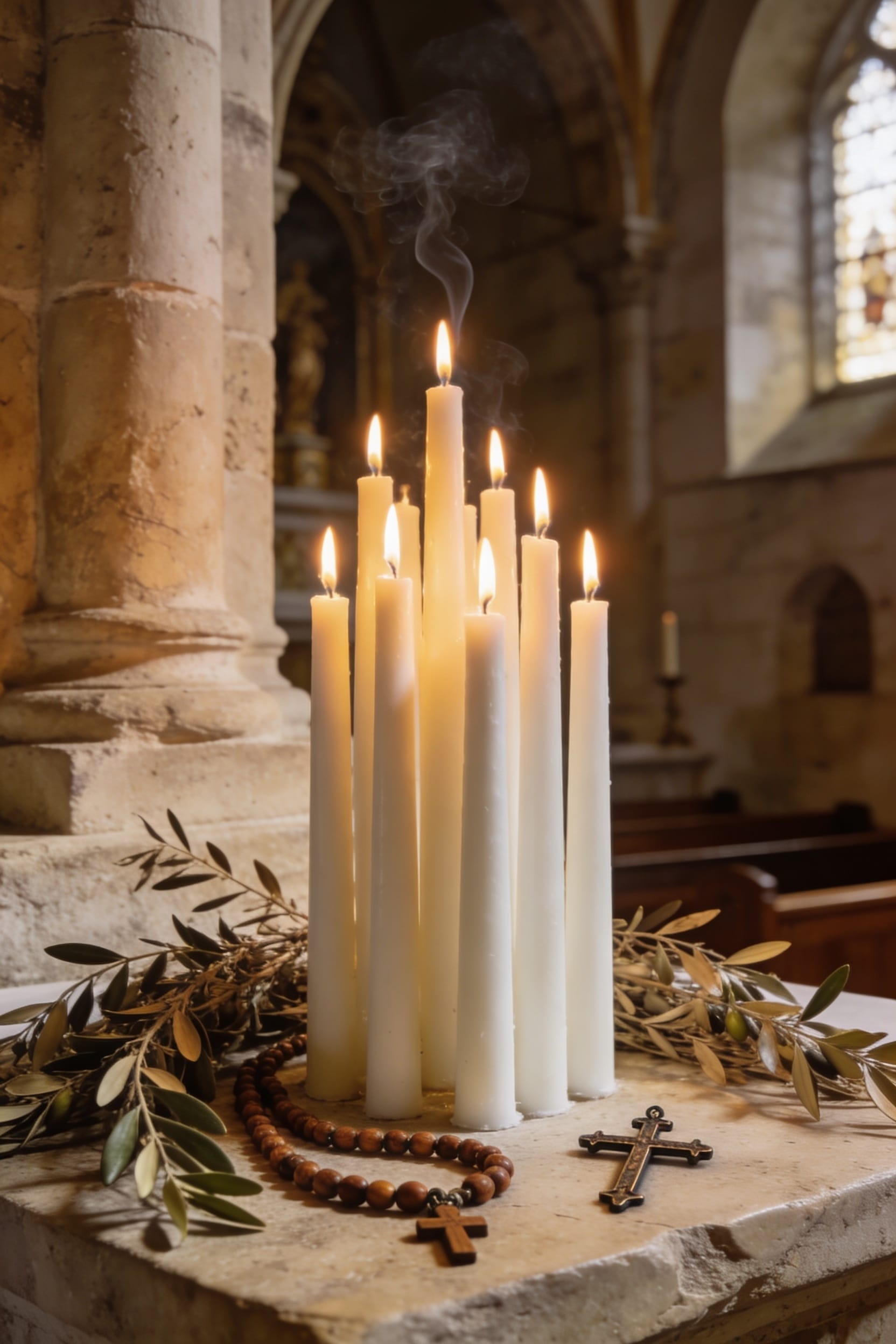
Unlike the meditative simplicity of Japanese rōsoku, Christian candles across Europe carry a different kind of weight—they’re about connection across time and space, linking the living to the sacred and to those who’ve passed. You’ll find altar candles burning in Catholic and Orthodox churches, their flames representing Christ’s presence and divine illumination. But here’s what really moves me: vigil lighting. Those tea lights you see flickering in church corners? Each one honors someone specific—a loved one, a prayer request, a moment of remembrance. The Advent wreath candles symbolize hope, peace, joy, and love during the season. Scandinavian cultures embrace this differently through hygge, using candles for coziness during long winters. Either way, you’re tapping into something profound: light as both comfort and spiritual connection.
Recommended Products

Impressive Quantity: each package includes 1000 sets of white taper candles with plastic candle holders; This ample quantity ensures you have enough candles for big events such as church services or even for your personal use at home for a significant period; Whether you are a church leader, an event organizer or a homeowner, these church candles can meet your needs

5" x 1/2" CANDLELIGHT SERVICE CANDLES

DIMENSIONS: Height (lamp): 12 cm (4.72 inch), Weight: 0.400 kg; The hanging chain is approximately 40cm (15.75 inches) long.
Day of the Dead and Latin America: Guiding Spirits Home
Where European candles tend to honor the sacred and the remembered in quieter, more intimate spaces, Latin American traditions—particularly Mexico’s Día de Muertos—take that same impulse and amplify it into something beautifully public and celebratory. You’ll find altar candles glowing on ofrendas, their flames dancing alongside marigolds and photographs. These aren’t subtle gestures. Cemetery vigils transform gravesites into luminous gatherings where families light candles to guide spirits home for reunion. The flickering lights symbolize life’s continuity despite death—they’re hopeful, not mournful. In Guatemala and Brazil, similar practices echo this theme. Now, if you’re drawn to honoring loved ones through candlelight, consider quality pillar or votive candles that burn steadily through lengthy evening vigils.
Recommended Products

[Multi-pcs Taper Set] - Mercury glass taper candle holders with elegant dappled finish. Creates warm ambient lighting for weddings, dinners, and home decor.
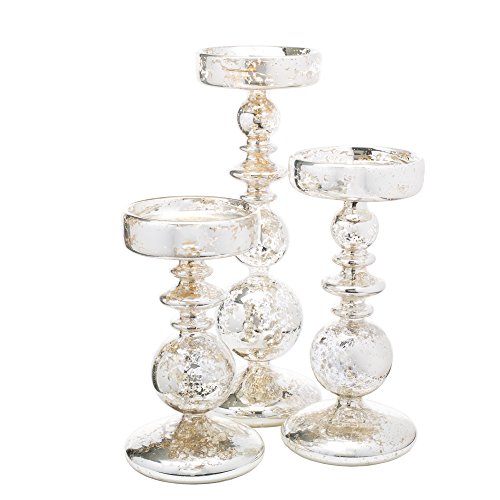
[Multi-pcs Set] - Mercury glass votive candle holders with raised pearl texture and dappled silver interior. Creates elegant shimmer for weddings and home decor.

BULK PACK: Set includes 180 UNSCENTED TEALIGHT FUEL CELLS with extended 8 HOUR burn time . DIMENSIONS: Diameter: 1 1/4 inches Height: 1 inch
Frequently Asked Questions
What Types of Candles Are Traditionally Used in African and Polynesian Spiritual Ceremonies?
I’ve found that African ceremonies traditionally feature Palm Candles and Beeswax Tapers, while Polynesian spiritual practices rely on Coconut Wick candles. Some regions also use Kerosene Lanterns for guiding ancestral spirits during sacred rituals and celebrations.
How Do Native American Tribes Incorporate Candles Into Their Bridging of Physical and Spiritual Worlds?
I’ve found that Native American tribes use candles in ritual firekeeping practices to facilitate spirit communication between the physical and spiritual domains. They believe the flame’s light creates a sacred bridge, allowing direct dialogue with ancestors and spiritual guides during ceremonial gatherings.
What Is the Historical Origin of Using Candles in Yoruba Rituals and Ancestor Veneration Practices?
I can’t pinpoint the exact historical origin from available sources, but I know Yoruba rituals traditionally combine candles with Yoruba incense at ancestral altars to strengthen bonds between the living and deceased, maintaining spiritual continuity.
How Do Buddhist and Hindu Candle Practices Differ in Their Approach to Spiritual Enlightenment?
I find that Hindu candles emphasize ritual symbolism connecting you to divine blessings through Diwali’s ceremonial rows, while Buddhist practices center on meditation aesthetics—the flickering flame’s transience guiding your inner awakening toward enlightenment.
What Role Do Candles Play in Scandinavian Hygge Beyond Spiritual or Religious Significance?
You might think Scandinavian candles are merely decorative, but they’re essential to hygge—creating cozy illumination during harsh winters. I’ve found they foster communal warmth, transforming ordinary evenings into intimate gatherings where you’ll connect meaningfully with loved ones.
Conclusion
You’ve journeyed from ancient Egypt’s sacred flames to Latin America’s guiding lights—yet here’s what strikes me: while cultures separated by continents and centuries lit candles for vastly different reasons, they all sought the same thing. Connection. Whether you’re honoring the departed or celebrating triumph, lighting a candle isn’t really about wax and flame. It’s about meaning you’ve decided to kindle.