As an Amazon Associate, we earn from qualifying purchases. Some links on this site are affiliate links at no extra cost to you. Our recommendations are based on thorough research and editorial judgment.

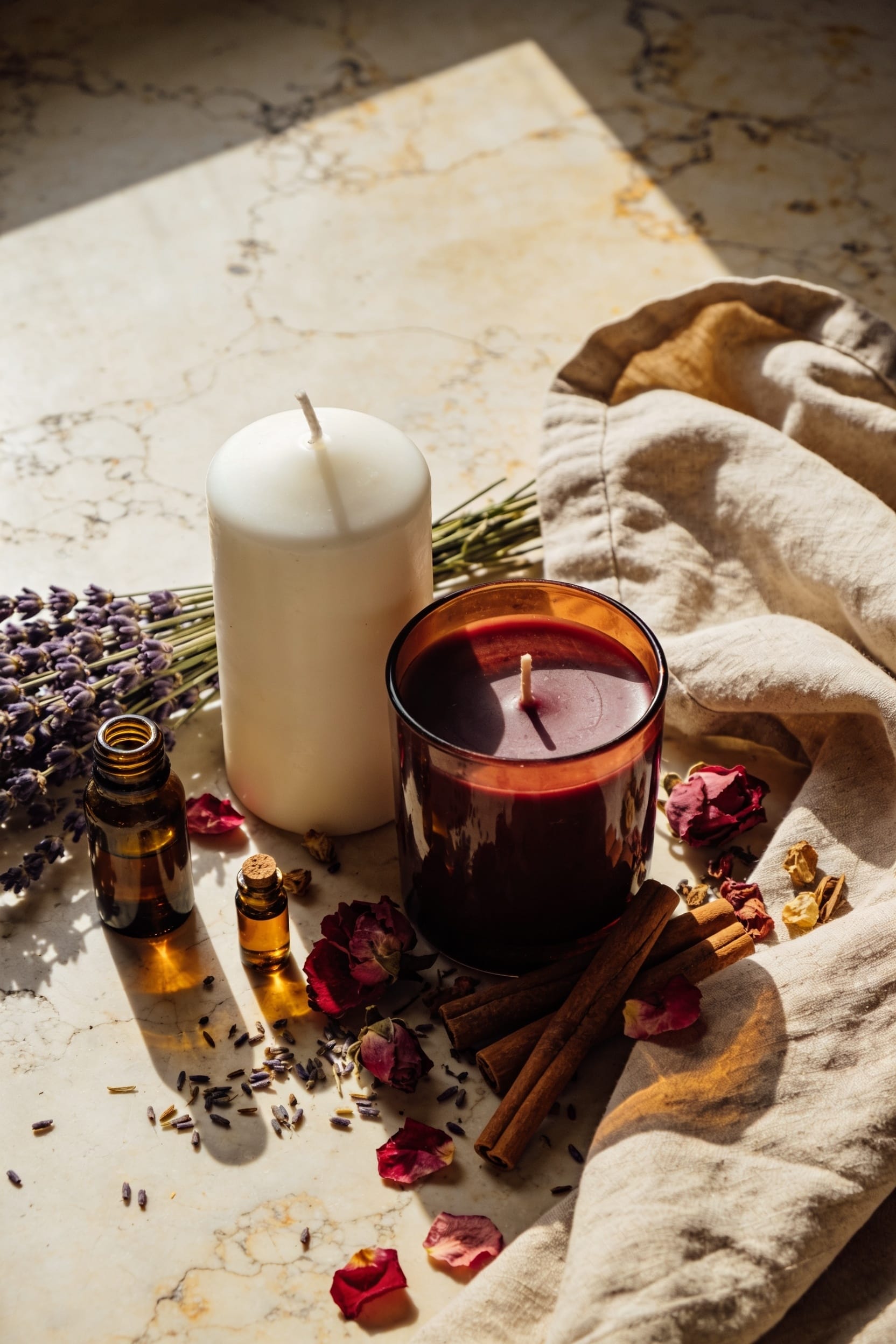
Scented vs Unscented Candles: The Actual Difference

All right, here’s the thing: scented candles have fragrance oils blended into denser wax with sturdier wicks, while unscented ones stick to pure wax like soy or beeswax. Scented burn similarly to unscented when wick-sized properly, but they release potential irritants into your air—synthetic fragrances especially. You’ll pay more for scented since fragrance sourcing costs add up. Pick scented for mood and aromatherapy, unscented if you’ve got sensitivities or want pure, clean burn. The actual best choice depends on what matters most to you.
Key Takeaways
- Scented candles contain added fragrance oils requiring denser wax blends and sturdier wicks; unscented use simpler base materials.
- Scented candles typically cost more due to fragrance sourcing expenses; unscented versions remain budget-friendly with basic wax and wick.
- Synthetic fragrances in scented candles may trigger allergies or respiratory irritation; unscented beeswax burns cleanly without inhalation risks.
- Perceived faster burning in scented candles often results from scent perception rather than actual burn rate differences.
- Scented candles suit aromatherapy and mood enhancement; unscented candles better serve allergy-prone individuals or chemical-sensitive environments.
The Real Differences: What’s Inside Scented vs. Unscented Candles
When you’re standing in front of a shelf of candles—or worse, scrolling through an endless online catalog—the label “scented” or “unscented” might seem straightforward enough, but here’s the thing: what’s actually inside those containers tells a completely different story than the name alone suggests.
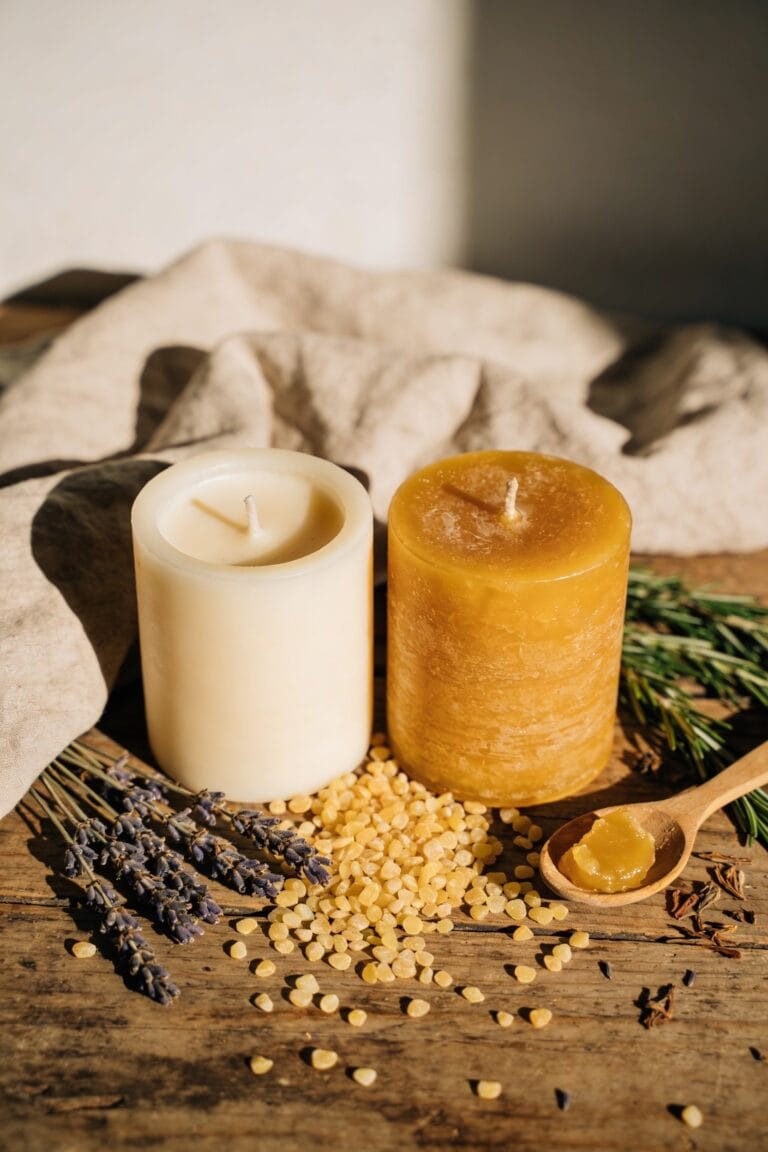
Scented candles pack fragrance oils directly into the wax base, which complicates the chemistry considerably. You’re dealing with extra wax additives designed to hold and release those scents evenly. Unscented candles? They’re stripped down—simple soy, beeswax, or paraffin without the fragrance layer.
Now, wick construction matters too. Scented candles often need sturdier wicks to burn through denser wax blends, while unscented versions work with lighter constructions. That’s why they perform differently, even when everything else looks identical.
Recommended Products

SCENT - Chamomile Lavender features lavender with warm & enveloping bergamot. Calming chamomile melts into a heart of eucalyptus to create a feeling of well-being. Smoky patchouli is enhanced by hints of sage & rosemary for a quiet, relaxing finish.

MASSIVE 8" × 14" LUXURY CANDLE – 300 OZ OF NATURAL COCONUT SOY WAX Make a statement with this Classic Big Ass Candle—our largest candle. This luxury candle delivers bold presence, elegant style, and room-filling fragrance. Perfect as a centerpiece for living rooms, great rooms, and upscale spaces.

UNIQUELY HANDMADE: Perfect for a relaxing ambiance! Each scented candle is crafted from real wood, providing a unique and sustainable touch. Heart shape elevates aesthetic!
How Scented and Unscented Candles Burn and Last
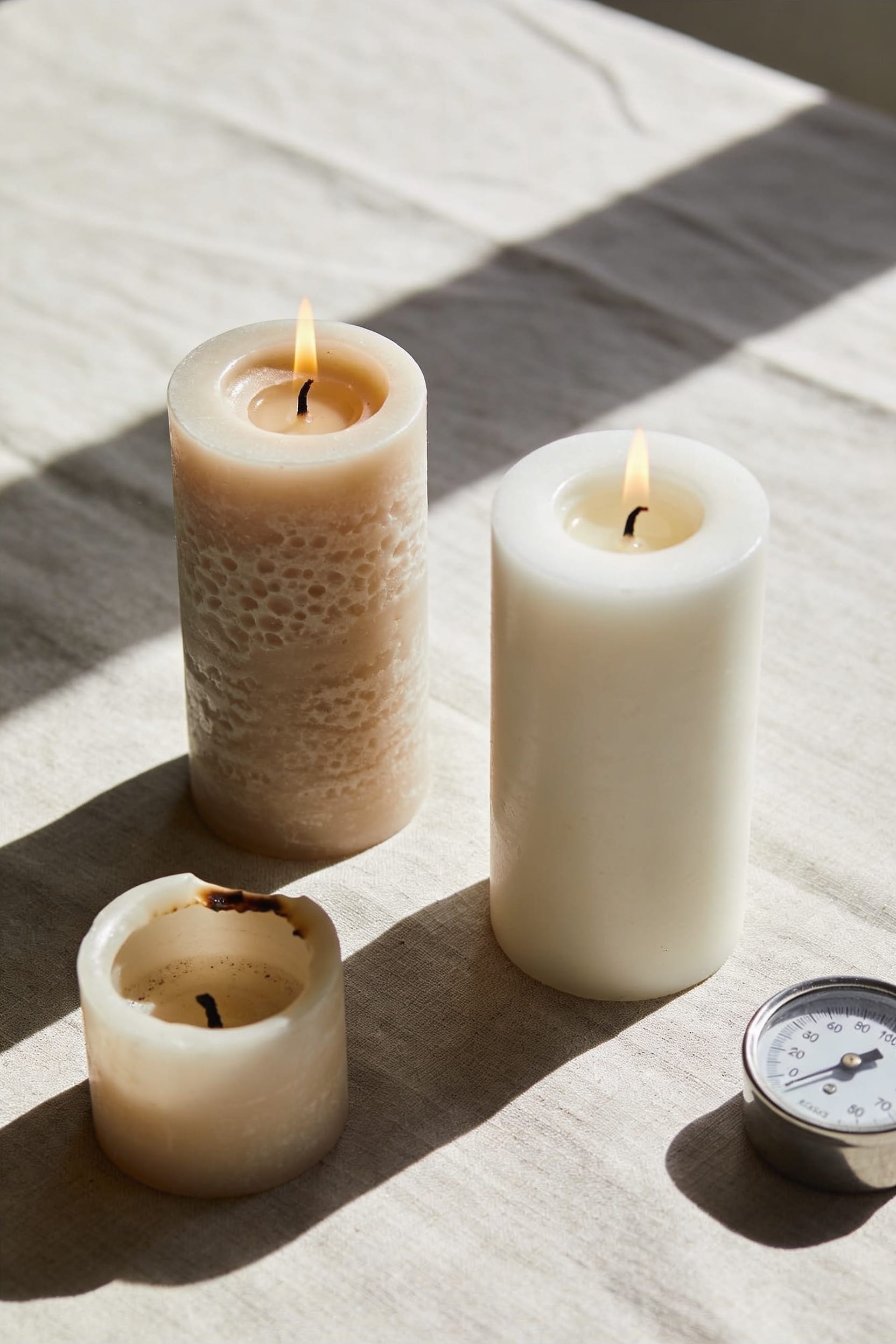
You’ll often hear that scented candles burn faster than unscented ones, and I used to believe it too—until I actually sat down and tested them side by side. Here’s what I found: they burn pretty similarly when you control for wax type and wick size. The perception? It comes from how the scent lingers in your space, making it feel like the candle’s doing more work. That said, fragrance oils can affect your melt pool’s behavior. Soy scented candles typically last 40-50 hours with solid throw, while unscented beeswax burns longer and more evenly without wick tunneling issues. Quality matters more than scent when it comes to actual burn performance—invest in proper wick sizing and you’re golden regardless.
Recommended Products

Wax Weight: 3,632 g/ 128.12 oz

MASSIVE 8" × 8" LUXURY CANDLE –150 OZ OF NATURAL SOY WAX Make a statement with this Baby Big Ass Candle—our smaller of the 2 two iconic oversized design. This luxury candle delivers bold presence, elegant style, and room-filling fragrance. Perfect as a centerpiece for living rooms, great rooms, and upscale spaces.

Scented vs. Unscented: Which Is Better for Your Health
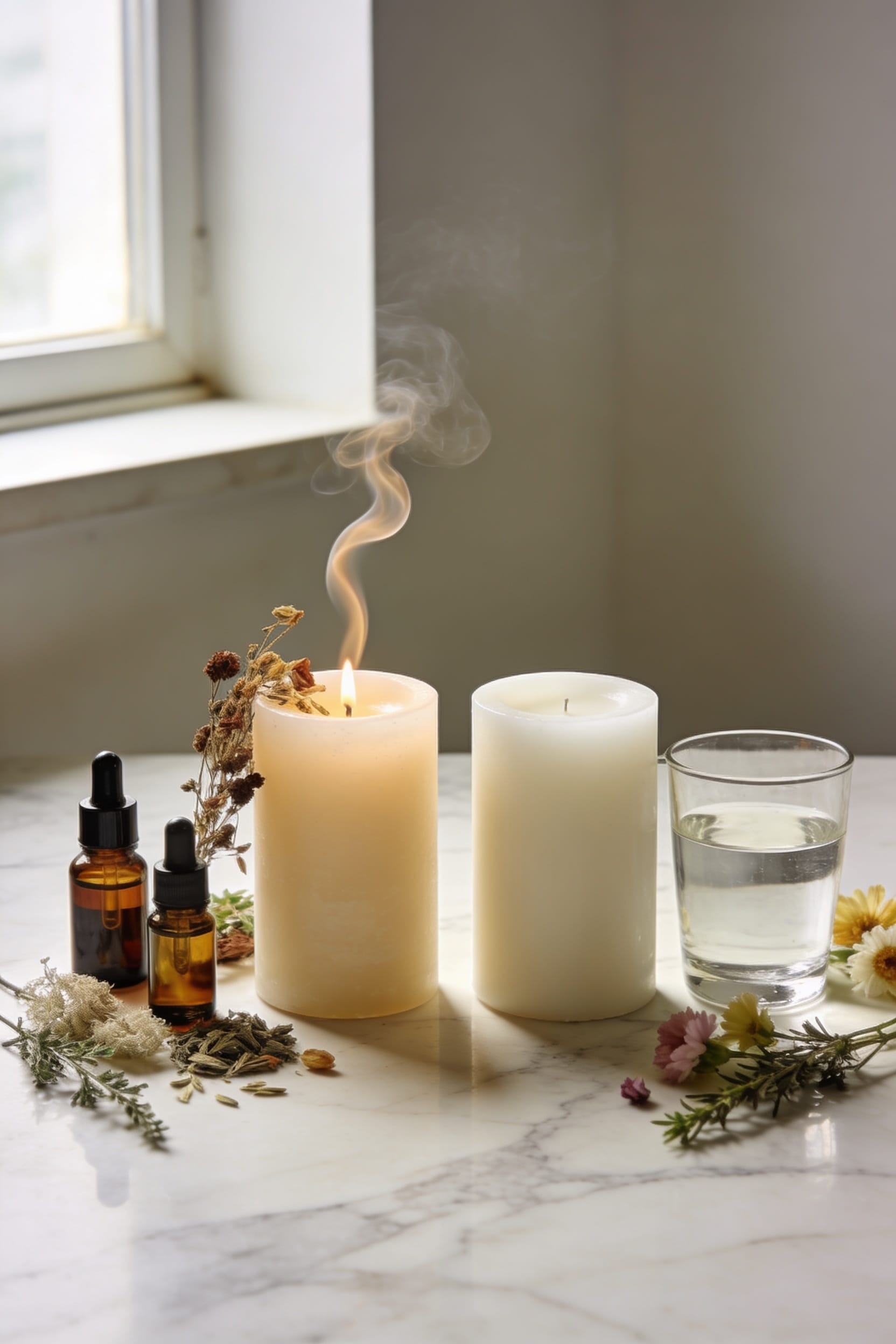
Because scented candles release fragrance oils into the air while you’re burning them, they’re worth thinking through if you’ve got allergies, asthma, or just a general sensitivity to chemicals. I’ve learned this the hard way—synthetic fragrances can trigger allergen responses in people who didn’t expect it.
Now, here’s the thing: unscented candles eliminate that risk entirely. You’re not inhaling hidden masking agents or VOCs that mess with your indoor ventilation situation. If you’ve got pets or respiratory concerns, unscented options—especially beeswax—burn cleaner without irritating your system.
That said, high-quality scented candles using essential oils rather than synthetics offer a healthier middle ground. The key is knowing what you’re actually burning and testing it first. Your lungs will thank you.
Recommended Products

100% Pure Beeswax Candle: Hand-poured from naturally filtered beeswax for a rich, golden glow. These clean burning candles are free from paraffin, soy, and synthetic fragrances. Each 1-wick dripless pillar candle features natural cotton candle wicks and pure candle wax for a long-lasting burn and warm, cozy candle light.
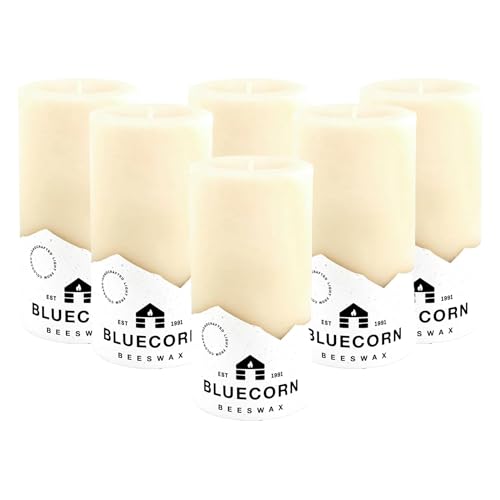
100% Pure Beeswax Candles — Non Toxic & Hypoallergenic: Hand-poured from naturally filtered beeswax for a truly unscented, hypoallergenic white beeswax candle. Each pure beeswax candle features a cotton wick for a clean, dripless burn, completely free from paraffin, soy and synthetic fragrances. A natural, non toxic candle alternative that adds warm, cozy candlelight to any setting.

Linen Pillar 4 Wick Super Candle Outdoor
Why Scented Costs More (And Whether It’s Worth It)
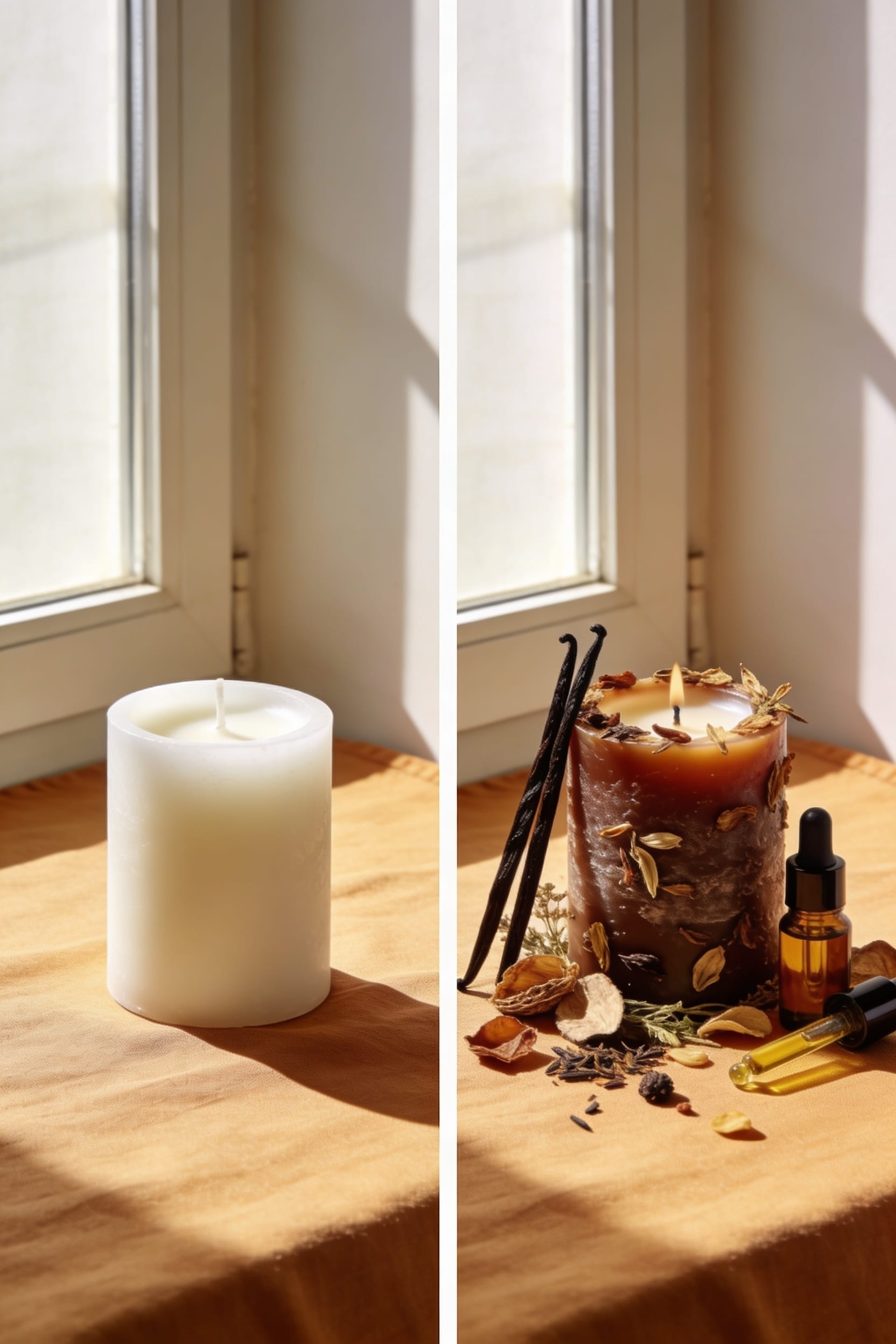
Now that we’ve covered the health side of things, let’s talk money—because here’s the reality: scented candles cost more, and it’s not some arbitrary markup. You’re paying for actual ingredients. Fragrance oils and essential oils represent significant production costs, especially when makers prioritize scent sourcing ethics and quality. A decent lavender or sandalwood doesn’t come cheap. Unscented candles? They’re simpler—just wax, a wick, maybe a container. No fancy sourcing involved. That said, whether it’s worth it depends on you. If scent transforms your space into something meaningful, that premium feels justified. But if you’re just after ambiance or you’ve got sensitivities, unscented does the job beautifully for less. Quality matters more than type here.
Recommended Products

SIGNATURE FRAGRANCE – HIGHRISE: Red currant, velvet plum & amber come together in this sophisticated blend, an elegant, uplifting fragrance that quickly fills large spaces. Noticeable yet never overpowering for daily ambiance

UNIQUELY HANDMADE: Perfect for a relaxing ambiance! Each scented candle is crafted from a real coconut shell, providing a unique and sustainable touch. Hand-poured charm at its finest.

CENTERING, TRANQUIL FRAGRANCE EXPERIENCE - Take in the green tea's subtle yet clarifying note and let it guide you into a state of peace and balance. Soft lotus petals calm the mind while sandalwood and bergamot create a refreshing yet grounding aromatic experience.
Which Type to Buy: Scented for Mood, Unscented for Purity
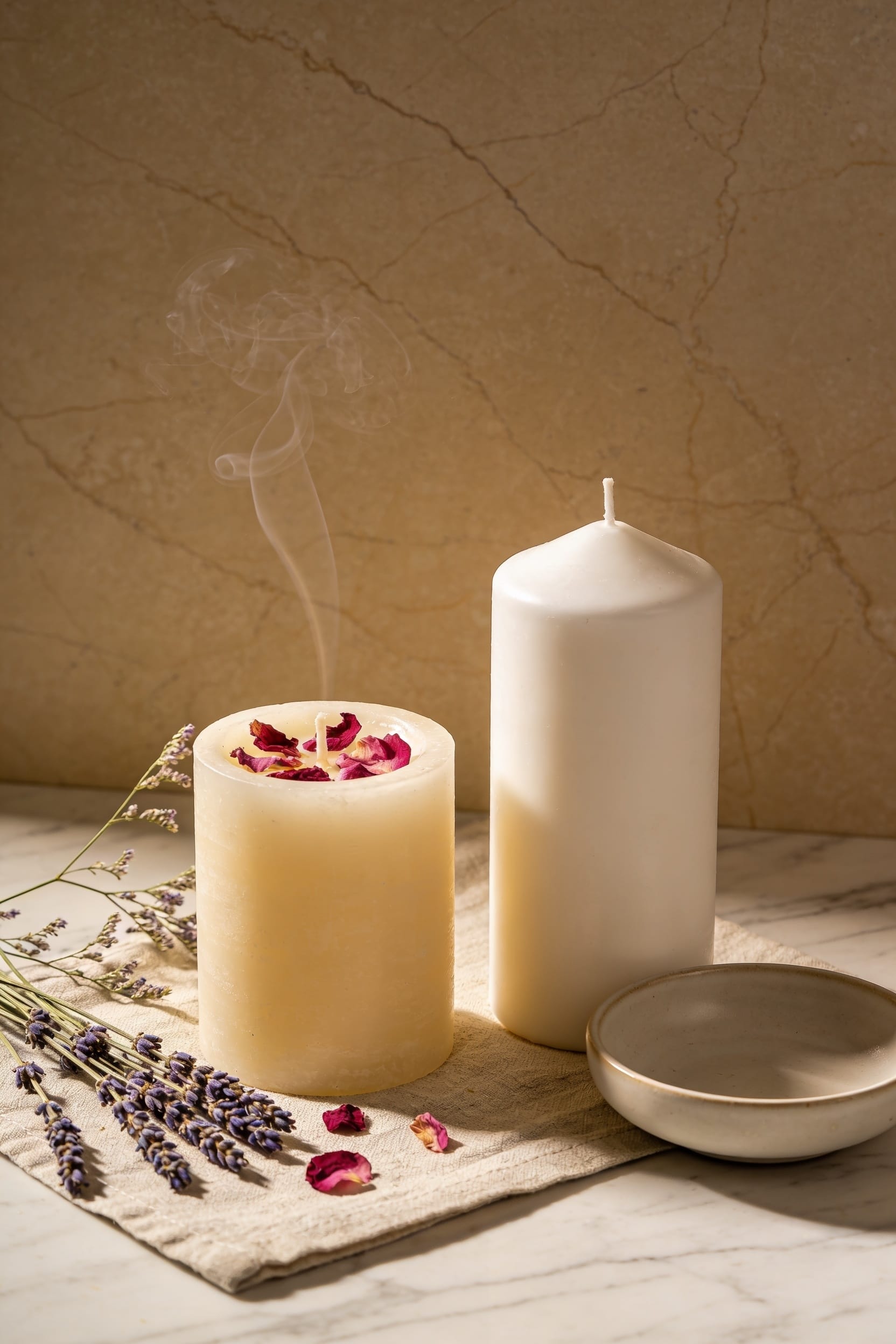
When it comes down to choosing between scented and unscented, the decision really hinges on what you’re trying to get out of your candle. I’ve found that mood pairing works brilliantly if you’re after aromatherapy benefits—lavender for calm evenings, citrus for morning energy boosts. But here’s the thing: if you’re someone dealing with allergies, sensitivities, or you’re into purity rituals, unscented is your answer. Fragrance-free beeswax candles won’t trigger reactions and they burn cleaner. Look, you don’t have to choose just one type either. I layer them—scented for subtle aroma, unscented for layered light and chemical-free wellness. Test your sensitivity first. Quality matters more than category, honestly.
Recommended Products

100% Pure Beeswax Votives: Hand-poured from naturally filtered beeswax, these small candles offer a warm, golden glow and clean, natural candlelight for cozy evenings, holiday gatherings, or everyday home decor
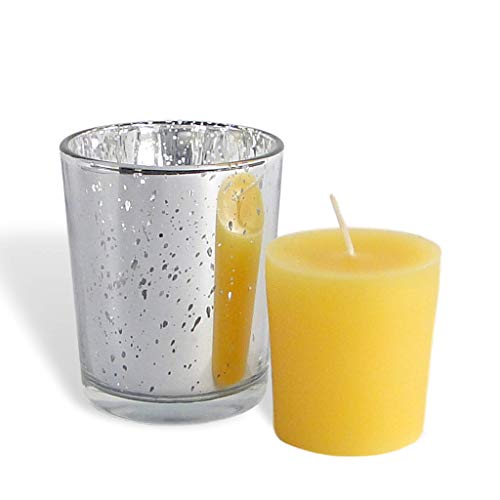
100% beeswax candle 15 hour burn time made with a cotton wick and contain no lead or metal.

✨ Luxurious Gold Finish for Elegant Decor:Add a touch of opulence to your celebrations with our stunning gold pillar candles. Each candle features a rich, metallic gold exterior over a natural beeswax-colored core, creating a warm and radiant glow that exudes sophistication for both Christmas and wedding settings.
Frequently Asked Questions
Can I Mix Scented and Unscented Candles Together in the Same Room Safely?
Yes, I’d safely mix them together. I’d make sure proper ventilation tips to prevent scent overwhelm and use layering scents strategically—place unscented candles farther apart to create balanced aroma without competing fragrances clashing unpleasantly.
Do Unscented Candles With Masking Agents Still Emit Harmful Chemicals Into the Air?
I’d say yes—unscented candles with masking agents can still emit harmful chemicals. Those masking chemicals themselves release indoor VOCs, potentially causing respiratory irritation similar to scented varieties.
How Long Does Fragrance From Scented Candles Typically Linger in a Space After Extinguishing?
I’d say fragrance persistence typically lasts 30 minutes to 2 hours after you extinguish a scented candle, depending on scent diffusion intensity, room size, ventilation, and the fragrance oil’s volatility. Synthetic scents linger longer than essential oils.
Are Essential Oil Scented Candles Significantly Safer Than Synthetic Fragrance Options for Pets?
I’d say essential oil scented candles are generally safer for pets, though I’d recommend pet sensitivity testing before use. They produce fewer synthetic VOCs, but I’d still prioritize unscented options for maximum safety.
Can Beeswax Candles Naturally Purify Air Better Than Scented or Unscented Alternatives?
I’d tell you that while beeswax candles offer natural ionization and emit fewer toxins, they’re not proven superior for air purification compared to unscented alternatives. They’re cleaner, though.
Conclusion
Here’s the thing: I’ve learned that scented candles outsell unscented by roughly 80 percent—yet that statistic doesn’t make them automatically better for you. What matters is what you’re after. You want ambiance and mood? Scented’s your pick. You’re sensitive to fragrances or prefer simplicity? Unscented won’t let you down. I’d say try both, see what clicks, then build from there.