As an Amazon Associate, we earn from qualifying purchases. Some links on this site are affiliate links at no extra cost to you. Our recommendations are based on thorough research and editorial judgment.

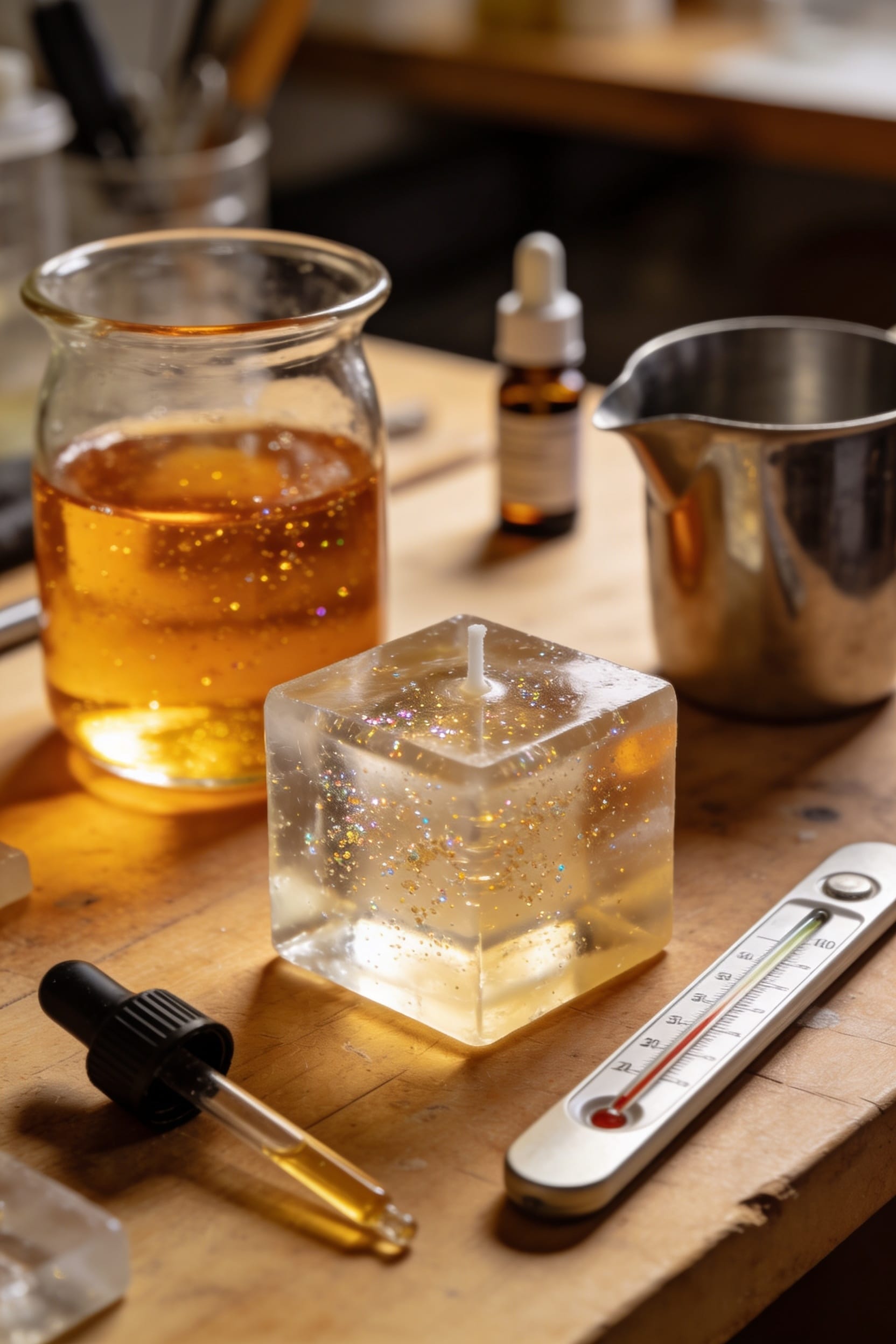
Gel Candle Wax Explained: Pros, Cons & Best Uses

Gel candle wax is a transparent polymer resin blended with mineral oil—basically a jelly consistency that isn’t true wax at all. You’ll love it for decorative projects where embeds and layers shine through, but here’s the catch: it burns roughly twice as long as paraffin and throws way more light, yet fragrance oils torch off at high temperatures, leaving you with a pretty candle that barely smells. Container candles work best since gel’s brittle. Skip scent when you’re working with gel; prioritize visual appeal instead, and we’ll walk you through exactly which projects nail it.
Key Takeaways
- Gel wax is a transparent polymer resin mixed with mineral oil that allows embedded decorations to be visible through the candle.
- Gel candles emit 40% more light and burn twice as long as paraffin, but don’t burn as cleanly.
- Gel wax’s high melting temperature causes fragrance oils to burn off quickly, resulting in poor scent throw performance.
- Best uses for gel candles include decorative projects like beach terrariums, jewelry displays, and layered colored designs with embeds.
- Proper ventilation, non-polar fragrance oils, correct wick sizing, and flame barriers are essential safety requirements for gel candle makers.
What Is Gel Candle Wax?
gel candle wax isn’t actually wax at all. What you’re working with is a transparent polymer resin mixed with mineral oil—a jelly consistency material that sits in a container with a wick. I know, confusing naming convention.
The magic happens because of that clarity. You can see straight through it, which means any embeds you place inside—think flowers, shells, stones, glitter—become the real show. It’s less about the burn and more about the aesthetic.
You’ve got three grades to choose from: high, medium, and low. Medium’s your sweet spot for most people since it balances fragrance capacity with firmness. Higher grades hold more fragrance and stay stiffer for heavier decorative pieces.
How Gel Candles Compare to Paraffin
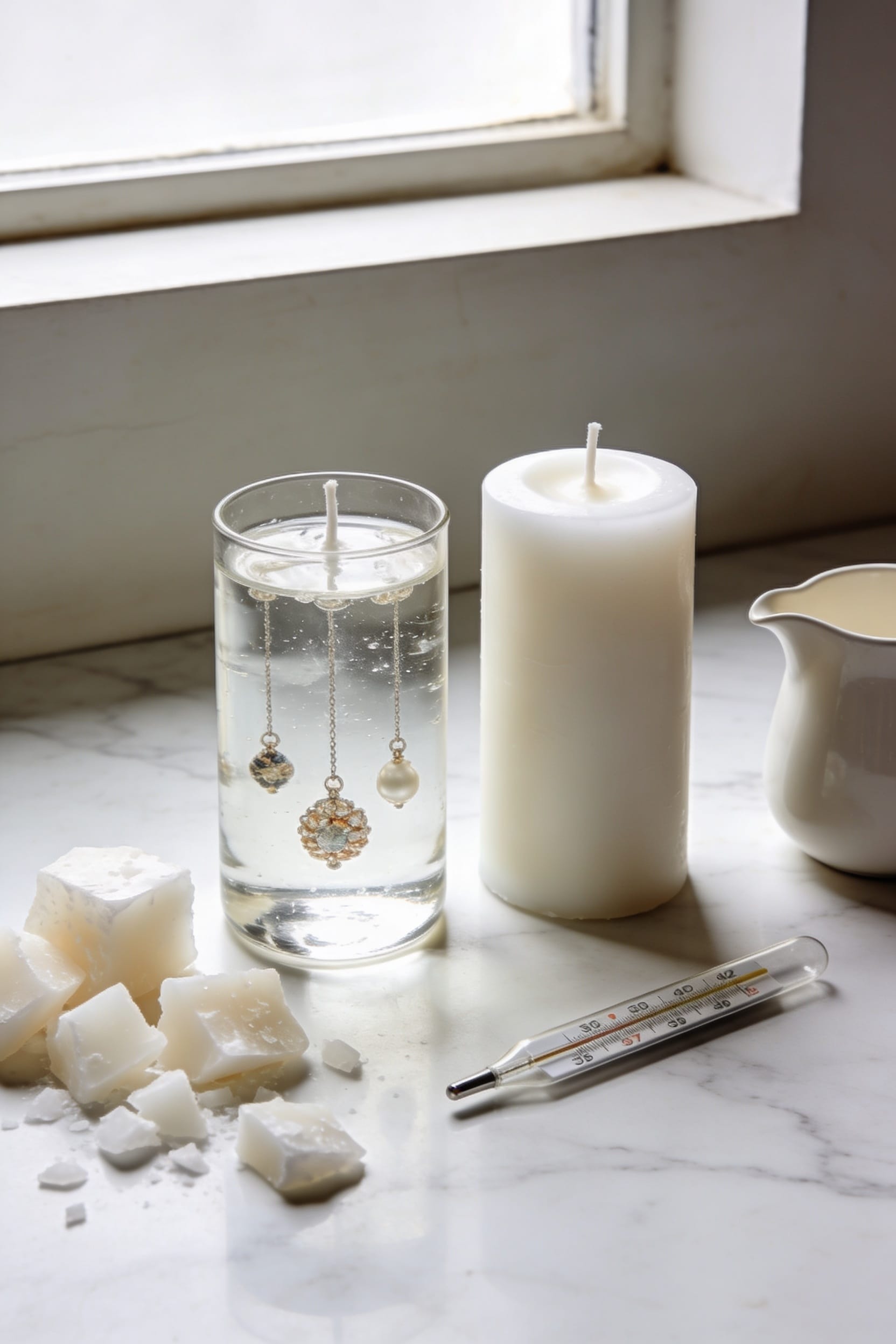
When you’re comparing burn performance, gel candles pull ahead—they’re throwing out roughly 40% more light than paraffin and burning at least twice as long. That luminescence comparison is huge if you’re after ambiance. The burn duration comparison matters too, especially when you’re investing time and money into a candle.
Now, here’s where it gets tricky. Gel’s petroleum base carries the same environmental concerns as paraffin, so don’t fool yourself thinking you’re making a cleaner choice. They also don’t burn as cleanly, which is a legitimate downside. And if you’re chasing scent throw? Gel actually underperforms because those high temperatures torch fragrance oils before they can properly scent your space.
Gel wins on looks and longevity. Paraffin wins on practicality.
The Scent Limitation: Why Fragrance Burns Off
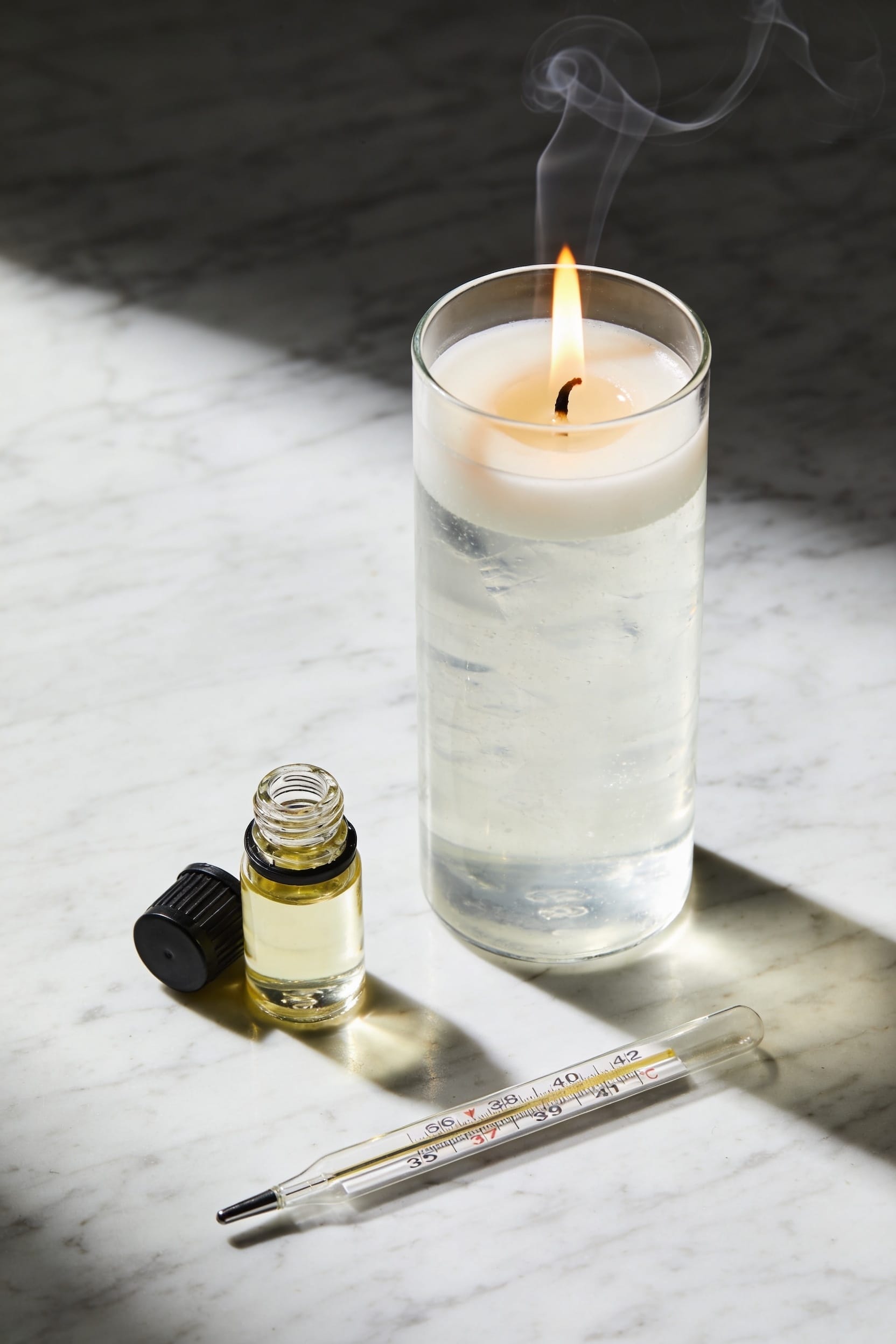
If you’ve ever poured fragrance oil into gel candle wax only to watch your carefully scented creation burn nearly scentless, you’ve hit the core problem—those high melting temperatures are literally incinerating your fragrance before it can do its job. The issue comes down to fragrance volatility. Gel wax melts hot, and that heat breaks down scent molecules faster than they can disperse into your room.
Now, wick selection matters here too. A wick that’s too large accelerates this problem by pushing temperatures even higher. I’ve learned the hard way that pairing gel with scent is an uphill battle. You’re fighting physics. If fragrance performance matters to you, honestly, paraffin or soy wax will deliver better results. Save gel for those gorgeous visual statements instead.
Recommended Products

45 Pound Case A luxurious, creamy coconut apricot candle wax blend for luxury candle making. This candle wax also has a very small amount of refined food grade paraffin wax to help with wax performance. We have found that this small addition of paraffin wax enhances its burn characteristics that candle makers love.

***New To Market** Coconut 86 Coconut Soy Wax Flakes for Candle And Tarts

Hemp Coconut Soy Wax Hemp Coconut Soy wax is a container wax that is a blend of natural hemp, soy, coconut and food-grade paraffin wax. This is an easy to use, single pour wax with great cold & hot throw. This wax also has great glass adhesion with an even slow burn.
Safety Essentials for Gel Candle Makers
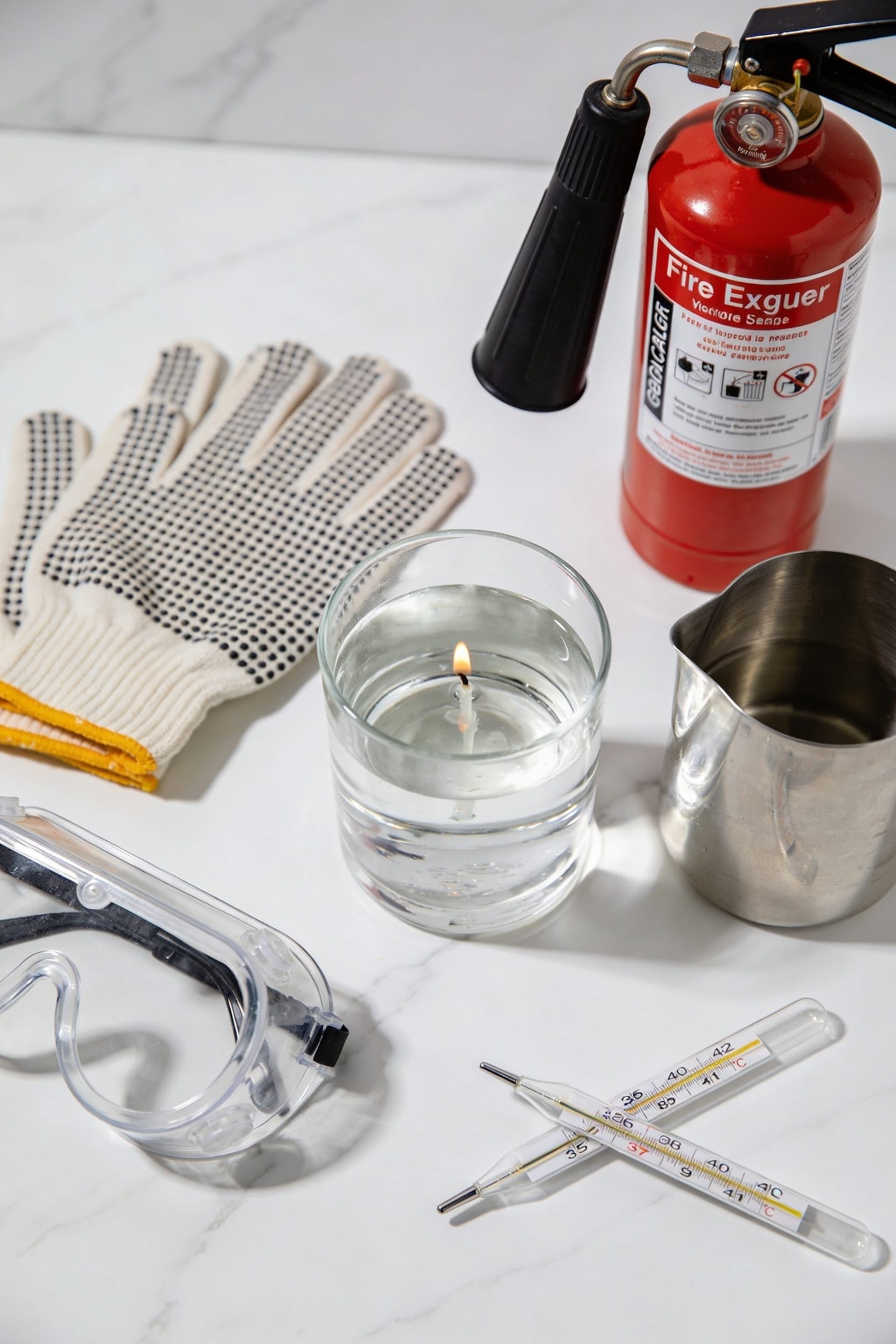
Because you’re working with petroleum-based materials and high temperatures, safety isn’t something you can wing—it’s foundational to making gel candles that won’t cause problems down the line. Start with proper ventilation practices in your workspace; mineral oil fumes aren’t something to ignore. Use non-polar fragrance oils exclusively—they’re compatible with gel and won’t separate or cause instability. Always employ the correct wick size for your container; oversized wicks create excessive heat and soot. Establish flame barriers around your work area, keeping the gel away from open flames and heat sources. Follow the manufacturer’s guidelines religiously. I’ve learned this the hard way: cutting corners on safety transforms an enjoyable hobby into a stressful situation. Your responsibility as a maker extends to every candle leaving your hands.
Embeds and Decorative Elements: The Gel Advantage
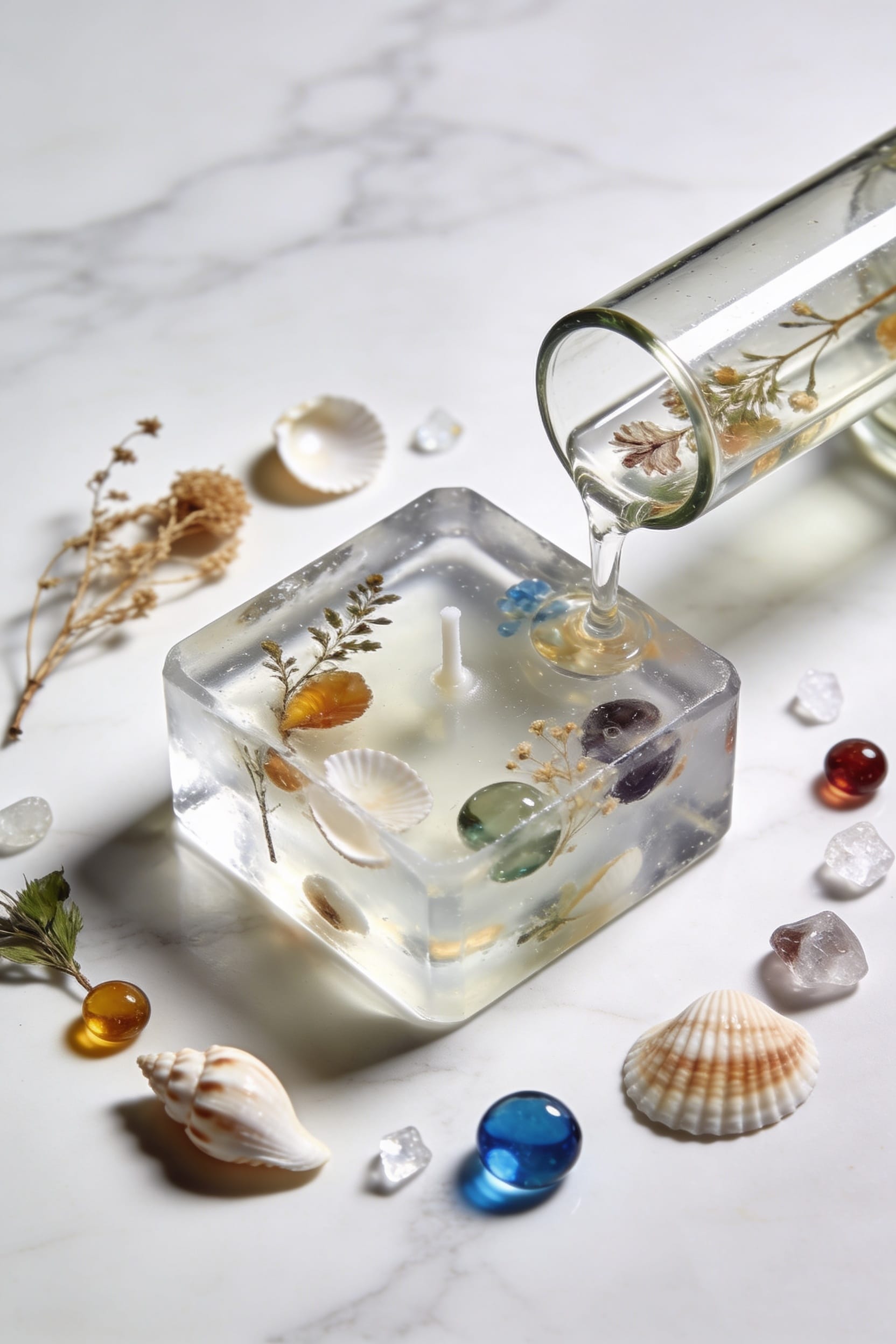
All right, here’s where gel candles really come into their own—you’ve got a transparent medium that lets you showcase whatever you embed inside it, and I’m not exaggerating when I say this is the primary reason most people choose gel over traditional wax in the first place. You can layer flowers, shells, stones, and glitter with real clarity. The embeds don’t disappear into murky wax. Layered embeds create depth that catches light beautifully, especially when you add glow effects from luminescent elements or colored layers. I’ve made plenty of plain candles, but there’s something genuinely satisfying about creating gel candles where the visual appeal becomes the main event. That’s gel’s sweet spot.
Recommended Products

Virginia Candle Supply is the top candle wax supplier in the USA Our candle gel is High Density, It is a premixed gel that is easy to use. Simply heat, add Candle Color dye and our Fragrance Oil and pour! Gel doesn't shrink so there is no need to re-pour! Gel burns twice as long as other waxes and can accommodate suspended decorative objects, wax chunks, etc.

Virginia Candle Supply is the top candle wax supplier in the USA Our candle gel is Medium Density. It is a premixed gel that is easy to use. Simply heat, add Candle Color dye and our Fragrance Oil and pour! Gel doesn't shrink so there is no need to re-pour! Gel burns twice as long as other waxes and can accommodate suspended decorative objects, wax chunks, etc.

Sturdy Construction: NON-plastics, only 18/8 stainless steel brackets and screws, 8 mm tempered glass, and solid construction. MAX. LOAD: 11 lbs(5 kg).
Best Projects for Gel Candle Wax
Here’s the thing: gel candles are decorative first, functional second. I’d use them for beach terrariums filled with shells and sand, or as jewelry displays where the gel itself becomes part of the aesthetic. Think showcase pieces, not everyday burners.
Container candles work best since gel’s brittle and won’t hold a freestanding form. Layer colored gel with embeds, add glitter, showcase stones—that’s where gel excels.
Skip scented candles with gel. The high burn temperature torches fragrance oils before they perform anyway. You’re better off with soy or paraffin if scent matters to you.
Gel shines when you prioritize *looking good* over *smelling good*.
Recommended Products

Size (L x W x H): 2.8 x 4.7 x 1.4 inches (7 x 12 x 3.5

45 LB Case Special blend designed for the manufacture of pillar candles.

French Vanilla Fragrance Oil - Tempting, delicious, rich & creamy with a buttery vanilla scent
Frequently Asked Questions
Can I Use Gel Candle Wax to Make Freestanding Pillar Candles?
No, I wouldn’t recommend it. Gel wax lacks the structural integrity for freestanding pillars. You’ll struggle with pillar stability and wick selection. Container candles are your best option—they’re designed for gel’s properties.
What Mineral Oil Brand Is Safest for Gel Candle Production?
I’d recommend Penreco mineral oil because it’s the cut that meets safety standards for gel candles. While I can’t endorse bonne maman or bio diesel compatibility specifics, Penreco’s consistently reliable for your production needs.
How Do I Choose Between HP, MP, and LP Grades?
I’d choose based on your telegram-era vision. MP’s my go-to for balanced viscosity comparison and scent retention. HP holds more fragrance if you’re embedding heavier items; LP’s softer but burns faster.
Will Gel Candles Work in Extremely Hot Climates or Environments?
I’d say gel candles work reasonably well in hot climates because they’ve got impressive heat tolerance and a high melting point. However, I’d recommend keeping them away from direct sunlight since they lack UV stability, which can cause discoloration.
Can Gel Candles Be Made With Essential Oils Instead of Fragrance Oils?
I’d hate to beat around the bush: essential oils don’t work well in gel candles. Their water-based nature creates essential oil safety concerns, and scent throw dynamics suffer dramatically since high temperatures burn off aromatic compounds before they diffuse.
Conclusion
I’ve learned that gel candles aren’t for everyone—and that’s okay. You’ll love them if you’re after crystal-clear beauty and embedded designs. You’ll resist them if scent throw matters most to you. You’ll master them when you respect their heat sensitivity and wick requirements. Pick gel for visual drama, pick paraffin for fragrance. Pick what serves your vision, not what trends demand.