As an Amazon Associate, we earn from qualifying purchases. Some links on this site are affiliate links at no extra cost to you. Our recommendations are based on thorough research and editorial judgment.

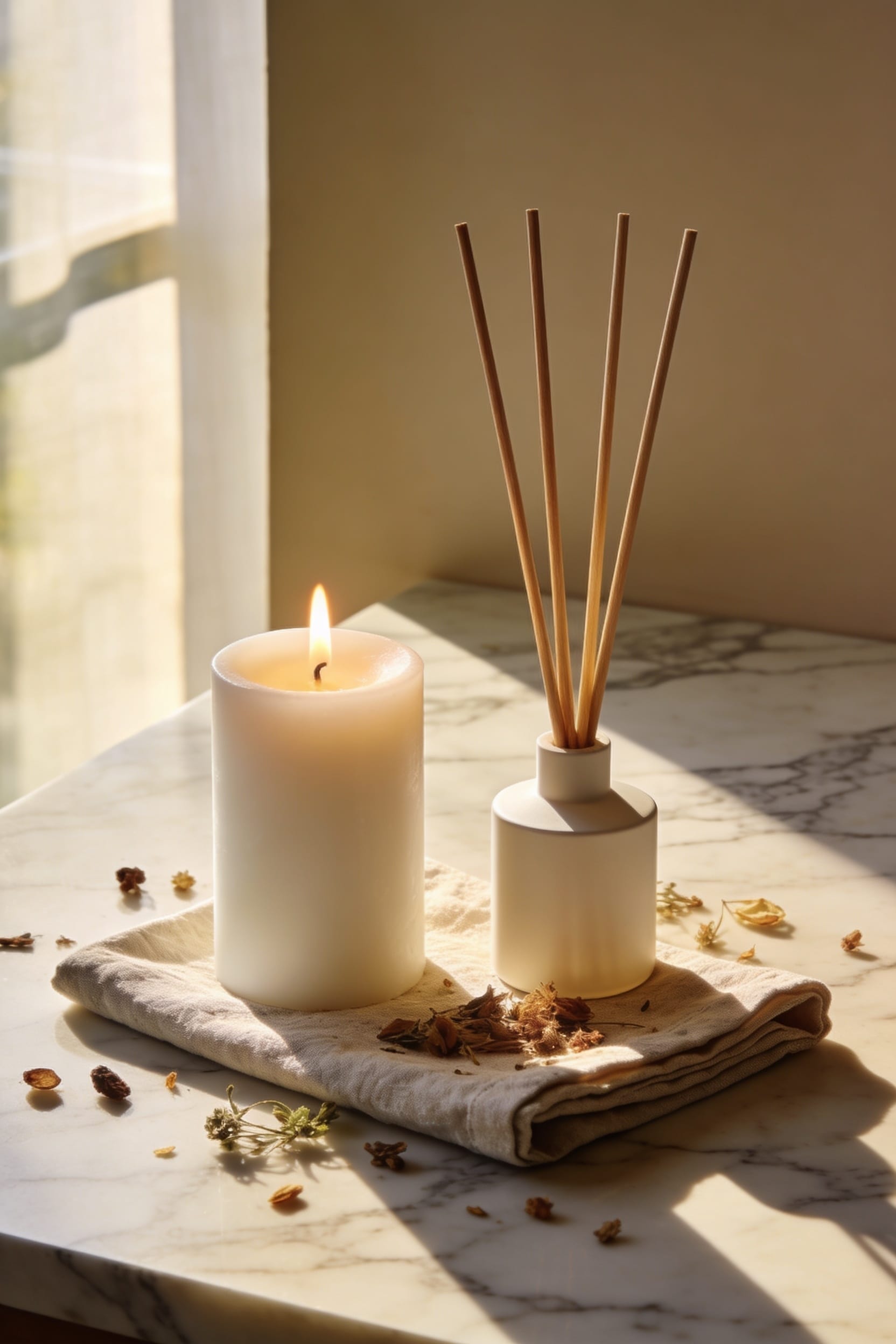
Candle vs Scent Diffuser: Which Is Best for Your Home?

All right, here’s the thing: candles give you stronger fragrance fast and that ritual you love, but diffusers are the real workhorses for busy homes. If you’ve got kids, pets, or you’re tired of babysitting flames, diffusers offer set-and-forget consistency. Candles win for ambiance and smaller budgets upfront. Long-term though, diffusers cost less and last triple as long. The smartest move? Layer both—diffusers for baseline scent, candles for those moments when mood matters.
Key Takeaways
- Candles deliver stronger, immediate fragrance for larger spaces; diffusers provide subtle, consistent scent ideal for smaller rooms.
- Diffusers are safer for homes with kids or pets, eliminating open flame and tipping hazards entirely.
- Candles require active maintenance like wick-trimming; diffusers offer set-and-forget convenience for busy lifestyles.
- Diffusers cost more upfront but last three times longer per refill, favoring long-term savings.
- Layer both: use diffusers for continuous baseline scent and candles for evening ambiance or special occasions.
Playing It Safe: When Diffusers Win
Why do so many of us keep burning candles even though we’re aware—really aware—that an open flame sitting on a nightstand isn’t the smartest move? I get it. That glow is intoxicating. But here’s the thing: diffusers exist precisely for moments when you can’t babysit a flame.
If you’ve got kids or pets, diffusers are your child safe alternatives. No tipping risks, no soot inhalation, no late-night panic about whether you blew it out. For sleep safe options, electric and reed diffusers deliver consistent fragrance while you’re actually unconscious. They work in guest rooms, nurseries, and pet spaces where constant vigilance isn’t realistic.
You’re not sacrificing scent strength—you’re gaining peace of mind. That’s worth something.
Matching Scent Tools to Your Space
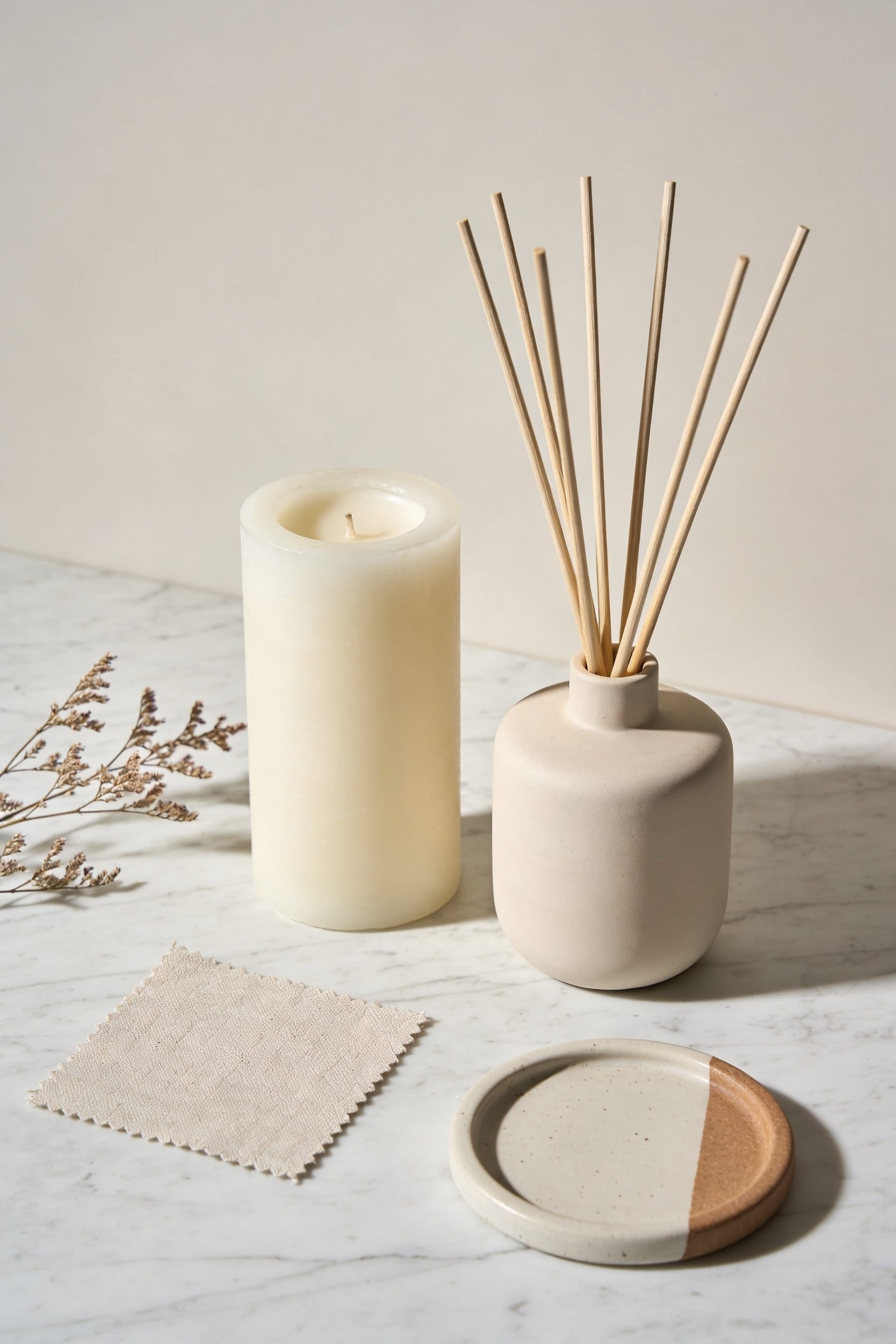
Now that you’ve settled the safety question, let’s get real about where each tool actually shines. Room size matters more than you’d think. Candles deliver stronger, immediate fragrance perfect for larger spaces—they fill a living room fast. Diffusers work better in smaller areas like bathrooms or offices where subtler, consistent scent does the job without overwhelming. Material compatibility counts too. Reed diffusers need stable surfaces away from fabric, since the oil can stain. Candles demand proper holders that match your décor while protecting surfaces from heat. Electric diffusers? They’re flexible anywhere with a plug. Honestly, I’ve found layering both works best—candle for ambiance during evening hours, diffuser for continuous freshness when you’re not home.
Recommended Products

ICONIC ROSSO NOBILE SCENT: A sophisticated blend of red grapes, berries, and birch wood, inspired by the finest Tuscan red wines for a warm and enveloping atmosphere.

[AN ENVELOPING FRAGRANCE] In this home fragrance, an elegant base of amber and patchouli develops with the intense notes of sandalwood and vanilla, embellishing spaces with pleasant, enveloping sensations.

[A CHARMING FRAGRANCE] Rosa Tabacco is a splendid fusion of Rose - the queen of flowers with its intensely floral and romantic personality - and Tobacco - an animalic essence with a sensual, musky nature.
Which Smells Stronger and Lasts Longer?
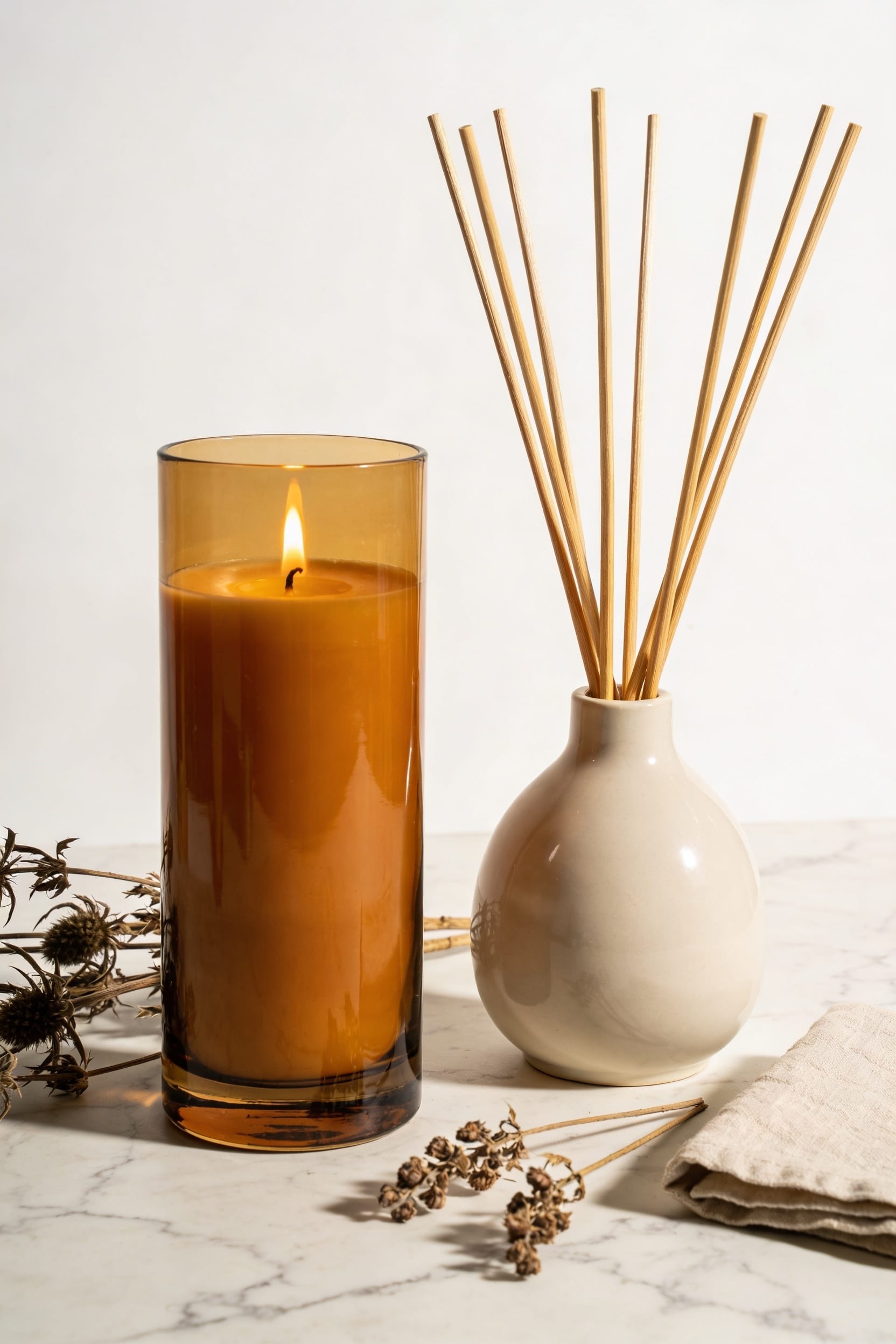
If you’ve ever lit a candle in a large room and wondered why it took ten minutes to actually smell anything, while a diffuser in your tiny bathroom seemed to kick in instantly, you’re onto something real—and it comes down to how each tool releases fragrance into the air.
Candles deliver stronger scent throw immediately. The heat melts wax and propels fragrance upward fast—perfect for larger spaces needing instant olfactory impact. Diffusers work differently. They’re subtler, releasing scent gradually through capillary action or ultrasonic vibration, creating consistent fragrance over weeks or months.
Here’s the longevity trade-off: candles burn through their scent in 40-45 hours per refill. Diffusers last considerably longer without that burn-time ceiling. You’re choosing between intensity or endurance, really.
Hands-On vs. Hands-Off: Which Is Easier?
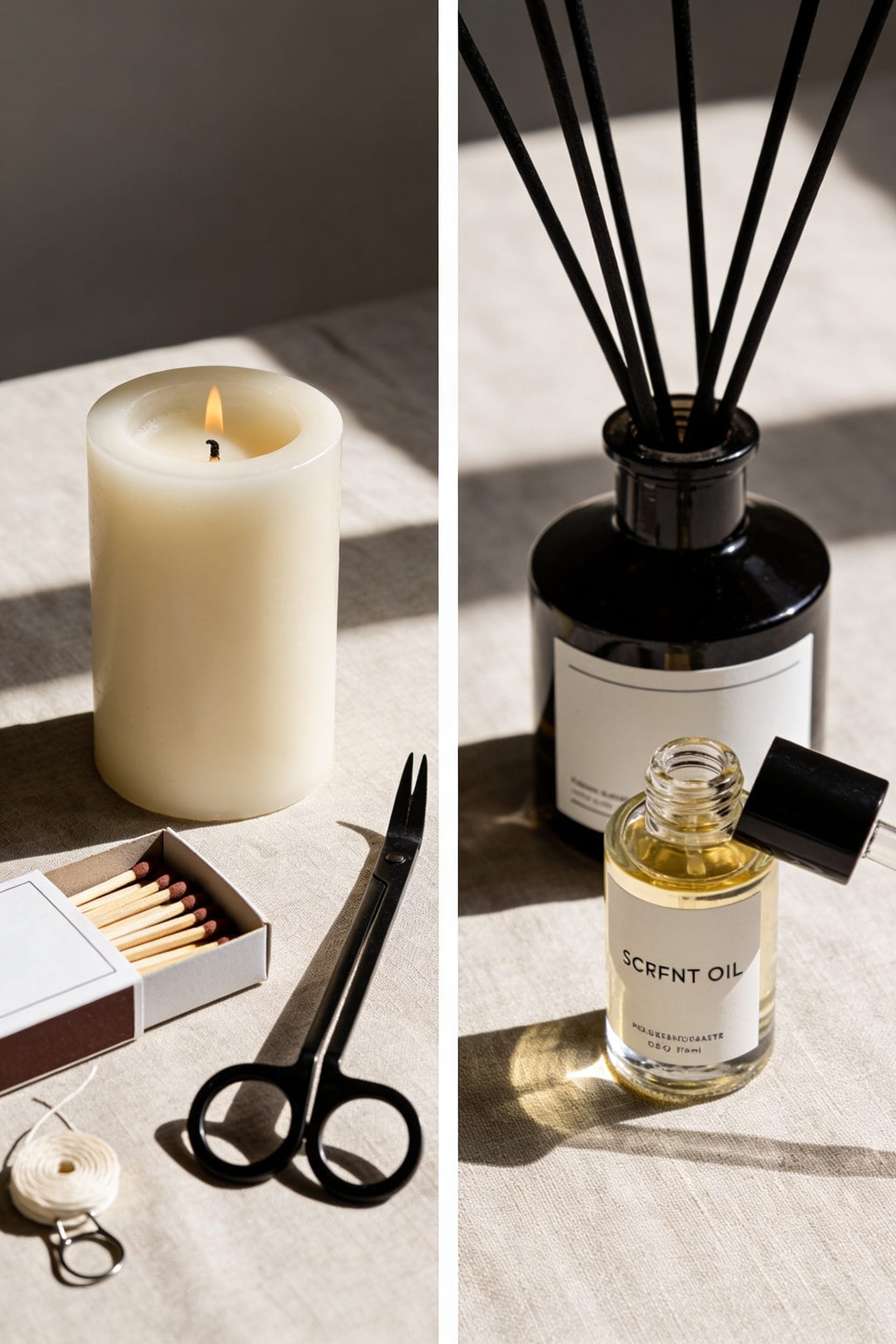
Maintenance differences between candles and diffusers matter more than you’d think, especially when you’re juggling real life and don’t have endless time for fussing with your fragrance setup. Candles demand active scenting—you’re trimming wicks to a quarter inch, monitoring burn time, wiping down smoky glass. It’s hands-on work that requires attention. Diffusers? They’re the opposite. You fill them once, maybe flip some reeds occasionally, and you’re done. Low effort rituals that run themselves. Look, if you value set-and-forget convenience, diffusers win outright. But if you actually enjoy those ritualistic moments—the mindful wick-trimming, the glow-checking—candles offer something diffusers can’t. It really depends on whether you want fragrance that asks something of you or fragrance that simply exists.
Cost Comparison: Candles or Diffusers Over Time

When you’re standing in front of a shelf of candles or scrolling through diffuser options, the price tags tell only half the story—and they’re often misleading. Here’s the thing: candles win on initial cost. You’ll drop $15–$40 on a quality candle versus $50–$100 for a diffuser upfront investment. But that’s where candles’ advantage stops. Once the wax burns through, you’re buying replacements constantly. Diffusers? They last weeks or months per refill, delivering long term savings that compound quickly. I’ve watched people justify candle purchases monthly when a diffuser refill costs half as much and lasts triple the time. Factor in maintenance—wick trimming, glass cleaning—and suddenly that cheaper candle option becomes expensive. You’re not just paying for fragrance; you’re paying for convenience and labor.
When Candlelight Matters: Mood Over Function
Now, here’s the thing—all those calculations about cost-per-burn-hour and refill efficiency? They completely miss the point sometimes. You’re not always shopping for function. I light candles when I want that soft flicker dancing across my walls at night, when I need to mark a moment as something intentional. That’s different from diffusers.
Candles create intimate rituals. There’s something about the act of lighting one—choosing it, watching the flame take hold—that grounds you. You’re building atmosphere, not just freshening air. The glow itself becomes part of your home’s personality. Yeah, diffusers work harder and cost less long-term, but they can’t replicate what candlelight does for your mood. Sometimes you’re paying for ambiance, not just scent.
Layering Scent: When Combining Both Makes Sense
All right, here’s the thing—you don’t have to choose. I’ve found that layered intensity works beautifully when you combine both. Run a diffuser in your bedroom for that constant, subtle fragrance baseline, then light a candle in your living room for evening ambiance. That’s scent choreography at its finest.
The magic happens when scents complement rather than compete. I’ll use a reed diffuser with something fresh like citrus throughout my home, then light a warmer vanilla candle when I want coziness. You’re not overwhelming the space; you’re creating depth.
Diffusers handle the heavy lifting during your workday or when you’re sleeping. Candles show up for the moments that matter—dinner, wind-down time, meaningful rituals. Together, they give you uninterrupted fragrance without the constant vigilance candles demand solo.
Frequently Asked Questions
Can I Mix Different Scent Oils in Diffusers or Candles for Custom Fragrances?
Yes, I can mix different scent oils in both. I’d recommend compatibility testing first to make sure oils blend well. Layering techniques work best with diffusers since they offer precise control over your custom fragrance combinations.
How Do I Properly Store Unused Candle Refills and Diffuser Oils for Longevity?
I’d store your candle refills upright in a cool, dry place and keep diffuser oils sealed in a dark room. Both methods preserve fragrance potency and prevent degradation from heat and light exposure.
Are There Eco-Friendly or Sustainable Options Available for Both Candles and Diffusers?
Millions of tons of candle wax end up in landfills yearly. I’d recommend seeking organic wax candles and diffusers with zero waste packaging—they’re increasingly available from eco-conscious brands committed to sustainability.
What Health Concerns Exist Regarding Inhaling Scents From Candles Versus Diffusers Long-Term?
I’d say candles release more volatile organic compounds and soot, potentially causing respiratory irritation with prolonged exposure. Diffusers produce subtler emissions, making them safer for long-term use in your home.
How Do Seasonal Scents Affect Purchasing Decisions Between Candles and Diffusers?
I find seasonal scents drive my choices markedly. Holiday trends tempt me toward candles for their cozy ambiance, while scent nostalgia makes diffusers appealing for consistent, long-lasting fragrance throughout changing seasons.
Conclusion
All right, let’s talk candles—the whole picture.
You’re walking into a world that’s bigger than you probably think. It’s not just lighting a wick and calling it a day. There’s wax science, scent layering, burn mechanics, and honestly, about a thousand ways to do this “wrong” if you’re not paying attention. But here’s the good news: once you understand the fundamentals, you’ll make choices that actually stick.
Choosing Your Scented Candle
Now, scented candles aren’t created equal, and that matters. The wax type affects how the fragrance releases. The wick size changes how hot the melt pool gets. The fragrance load—how much scent oil’s actually in there—determines whether you’re getting a whisper or a room-filling experience.
Look, most people grab whatever smells good in the store. Nothing wrong with that. But if you want a candle that performs, burn time that doesn’t disappoint, and scent that doesn’t fade after twenty minutes, you’re going to want to know the basics.
Recommended Products

SCENT - Champagne features fresh orange & mandarin zest, raspberry & Tuscan lemon sparkle, and a twist of grapefruit & ginger. Essences of rose and neroli, woven with verbena, make the scent effervescent and bright.

UNIQUELY HANDMADE: Perfect for a relaxing ambiance! Each scented candle is crafted from real wood, providing a unique and sustainable touch. Heart shape elevates aesthetic!

MASSIVE 8" × 14" LUXURY CANDLE – 300 OZ OF NATURAL COCONUT SOY WAX Make a statement with this Classic Big Ass Candle—our largest candle. This luxury candle delivers bold presence, elegant style, and room-filling fragrance. Perfect as a centerpiece for living rooms, great rooms, and upscale spaces.
Wax Types: What You’re Actually Buying
Soy wax. You’ve heard the name. It’s plant-based, burns cleaner than paraffin, holds fragrance well, and costs more. I like it—genuinely. It performs consistently and doesn’t leave that black soot on your ceiling. Fair warning though: it can be finicky with fragrance load and wick sizing.
Paraffin is the original. It’s petroleum-based, holds color and scent like nothing else, burns hot, and it’s cheap. The downside? It can produce that sooty buildup, and some people feel weird about the petroleum thing. I don’t judge. It works.
Beeswax is the luxury option. It burns longer, smells naturally honey-sweet, and purifies the air as it burns (I’m not 100% certain about the air purification claim, but beekeepers swear by it). It’s expensive though. We’re talking premium pricing for a reason.
Coconut wax is the newer player. Blended with paraffin or soy usually, it burns slowly and takes fragrance beautifully. It’s sustainable-ish and performs well. Honestly, it’s solid middle ground.
The real talk? Pick based on what matters to you—sustainability, scent throw, burn time, or price. There’s no universally “best” wax. There’s only what works for your situation.
Fragrance Notes and Scent Families
You’ve probably seen candle descriptions with words like “top notes,” “middle notes,” and “base notes.” That’s real fragrance structure, and it matters.
Top notes hit you immediately. Citrus, mint, fresh herbs—they’re bright and fade fastest, usually within the first 15 minutes or so.
Middle notes are the heart. Florals, spices, and most “personality” scents live here. They emerge as the top notes fade and stick around longer.
Base notes are the foundation. Vanilla, musk, sandalwood, amber—they’re warm, lasting, and what keeps the candle smelling like something after an hour of burn time.
When you’re reading a candle description, pay attention to the base. That’s what you’re actually getting as the primary scent experience, not just the opening impression.
Scent families help you find what you like. Floral candles are self-explanatory. Woody ones lean into cedar, sandalwood, and earthy vibes. Fresh scents are citrus-forward or herbal. Gourmand candles smell like dessert—vanilla, caramel, cinnamon. Amber and musk fall into warm/sensual territory.
You don’t have to memorize this. But knowing your preference saves time and prevents buyer’s remorse.
Candle Making Supplies and the Process Basics
Maybe you’re thinking about making your own. It’s easier than you’d expect and way more educational than buying.
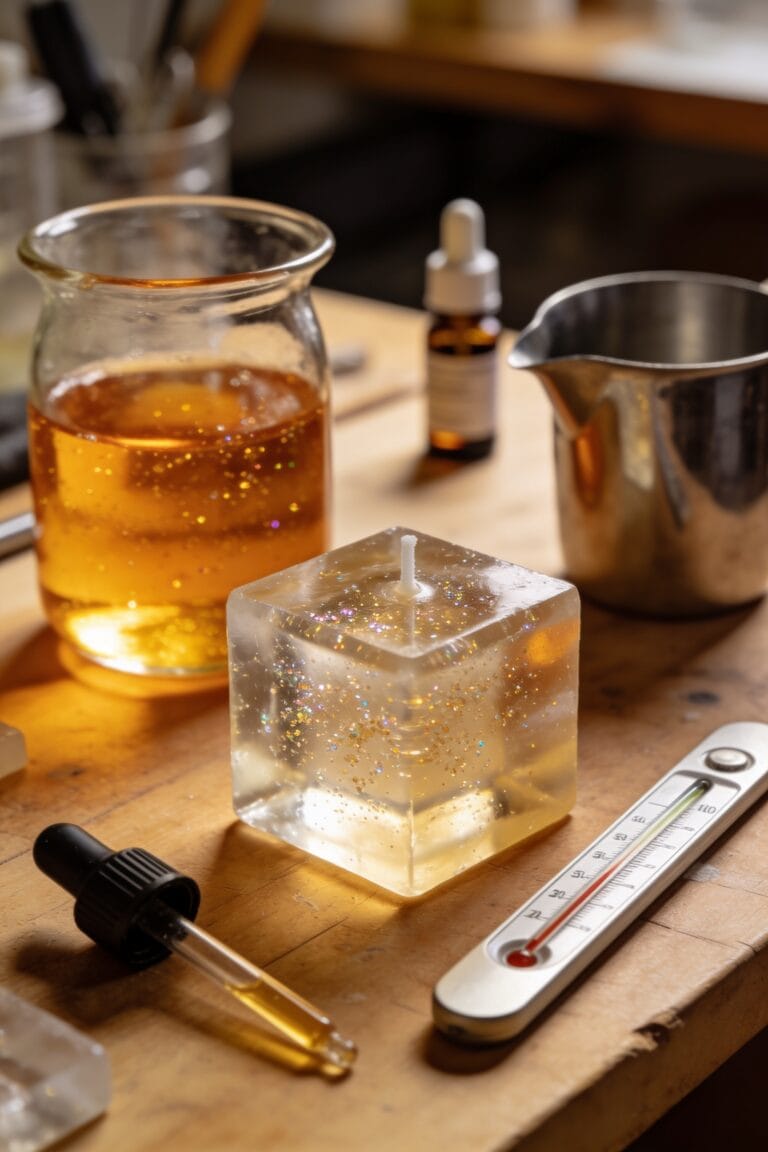
You need wax (pick your type), fragrance oil designed for candles (not essential oils—different thing), wicks, a thermometer, a heat source, and containers if you’re doing container candles.
The basic process: melt your wax to the right temperature (usually 170-180°F, but check your wax instructions), add fragrance at the proper temp, pour into your container, let it cool slowly, trim your wick, and burn test.
Here’s where people mess up: they rush the cooling. Hot candles don’t cure properly. The fragrance doesn’t set right. Your scent throw suffers. Patience is the ingredient most people skip.
Also, wick sizing is not optional. Too thin and your candle drowns (the melt pool never reaches the edge). Too thick and you get excessive smoking and burning. There’s a sweet spot, and it depends on your wax type, fragrance load, and container width.
I’ll be honest—my first batch was rough. Sinkholes in the middle, weak scent, tunneling candles that burned down the center and left wax on the sides. But I learned. You will too.
Candle Accessories: The Tools That Matter
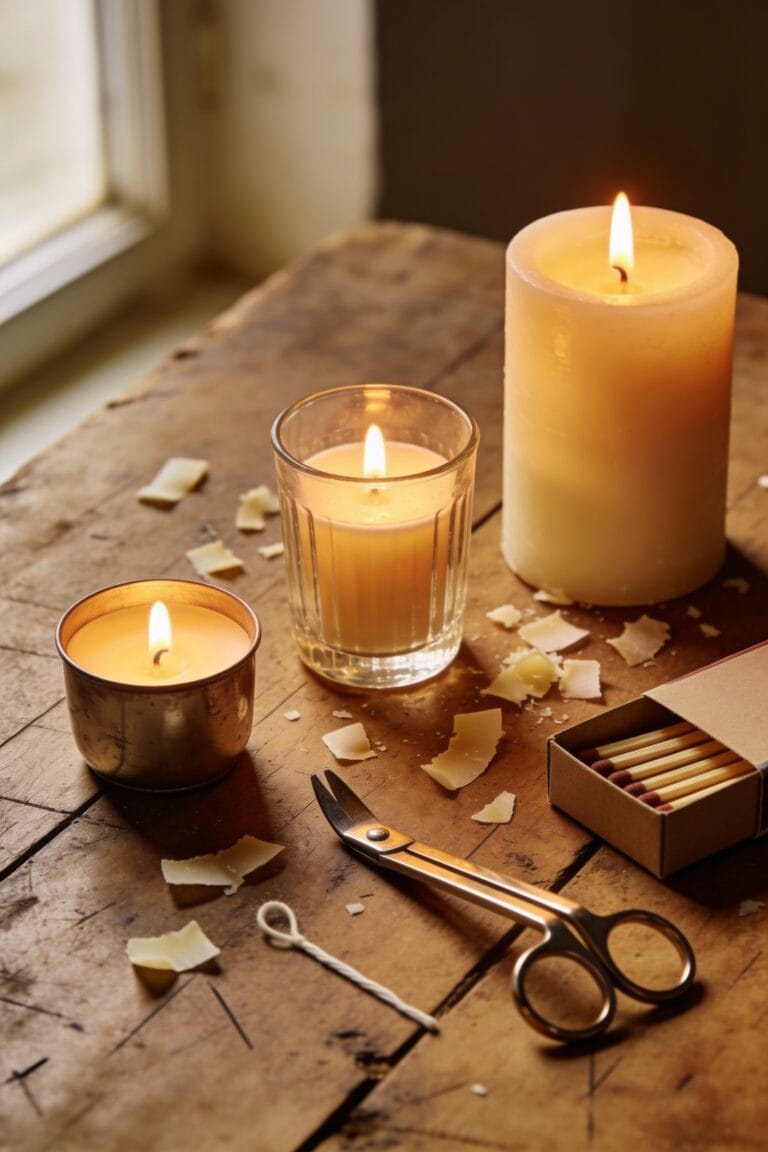
All right, let’s talk wick trimmers. These look like tiny scissors, and they’re genuinely useful. Trim your wick to about 1/4 inch before each burn. This prevents excessive smoking, reduces mushrooming (that black carbon buildup on the wick), and extends your candle’s life.
Wick trimmers aren’t essential—regular scissors work—but they’re cheap and purpose-built. Worth having if you’re serious about candle care.
Candle snuffers are the fancy way to extinguish a flame. No blowing required. You place the snuffer cone over the flame, and the lack of oxygen snuffs it out. They’re elegant and prevent that burnt-smoke smell from blowing out. They’re also 100% optional.
Candle holders serve a real purpose beyond decoration. They stabilize the candle, catch drips, and protect your surface. Beyond that, they’re about aesthetics. Pick holders that match your space and that you actually like looking at.
Now, here’s the thing about candle jars: they get hot. Don’t touch the glass when the candle’s burning. And when you’re burning pillar candles or uncontained ones, use a heat-safe surface. I learned this the hard way with a wooden table.
Recommended Products

EXTEND THE LIFE OF YOUR CANDLE: Wick trimmers are a must-have precision tool to properly care for your candle. Our stainless steel wick trimmers use a patented design that allows you to trim your wick and catch the debris with one snip.

Premium Metal Construction - Our antique candle snuffer is made from high-quality, durable metal with a luxurious antique gold finish, ensuring long-lasting use and a sophisticated look.

AUTOMATIC SNUFFING & WICK TRIMMING: Extinguishes flame and trims wick simultaneously for optimal future burn. The Candle Keeper replaces your candle snuffer and wick trimmer with one elegant tool.
Burn Care: The Stuff That Keeps Your Candle Happy
Look, you bought a decent candle. Now don’t wreck it with bad habits.
Trim that wick before every burn. I mentioned it already, but it’s important enough to say twice. Trimming prevents soot, extends burn life, and improves scent throw.
Don’t burn your candle for more than 4 hours at a time usually. Extended burns overheat the wax, create excessive heat, and can damage the container or create a dangerously large flame.
Allow the wax to pool fully before blowing it out. That means waiting until melted wax reaches all the way to the edges of the container. If you blow it out before that happens, you’re training the candle to tunnel next time—the flame only melts wax directly under the wick, and the outer wax never melts.
Keep candles away from drafts. Fans, open windows, vents—they make the flame flicker unevenly and can cause one side of the candle to burn faster than the other.
And here’s something people don’t think about: the first burn matters. If you don’t let that wax pool completely the first time you light it, the candle might never burn properly again. So be patient that first time.
Scent Throw: What You’re Actually Getting
Scent throw is how far and how strong a candle’s fragrance travels. It’s not standardized, so “strong” is subjective, but there are some realities.
Larger candles throw scent further than small ones. Soy wax candles tend to have slightly less aggressive throw than paraffin. Wood wicks create different air movement than paper wicks, which affects scent distribution.
Here’s the thing—a candle that smells amazing when you’re sitting next to it might barely register across the room. That’s about throw. If you want whole-room fragrance, size matters. A 3-ounce candle isn’t going to fill a living room. A 16-ounce one will.
Room size, ventilation, and how many other scents are competing in your space (air freshener, cooking, perfume) all affect how strong a candle *feels*.
The fragrance load—the percentage of fragrance oil in the wax—also matters. Most candle waxes hold 8-10% fragrance. More than that, and the wax destabilizes. Less than that, and you’re not getting much scent. Reputable candle makers stay in that range for a reason.
Candle Holders and Décor Integration
Your candle exists in a room. It should fit that room.
Practical holders protect surfaces and look intentional. You’ve got glass holders for contained candles, wooden stands for pillars, metal dishes for tea lights. Pick based on your décor style and what actually protects your furniture.
Now, layering candles with other décor is about balance. If you already have a lot of visual activity in a space, choose simple holders. If your aesthetic is minimal, you can go more decorative with the holder itself.
Color matters too. White candles fit almost anywhere. Colored candles are trickier—they either complement your palette or they don’t. I’ve learned to lean neutral unless I’m doing seasonal décor.
And here’s an unpopular opinion: the candle holder can be more interesting than the candle itself. Find holders you love, and the candles become secondary.
Recommended Products

USER-FRIENDLY, SAFE, & WAX-FREE: The 3" in height candle protector is safe and easy to hold, designed to snugly fit 1/2" diameter candles, providing a secure grip and preventing candle shifting during use. This design protects hands from hot wax drips, reducing the risk of burns, making it ideal for use in crowded or communal settings. Perfect for church candles, vigil candles, and memorial candles.
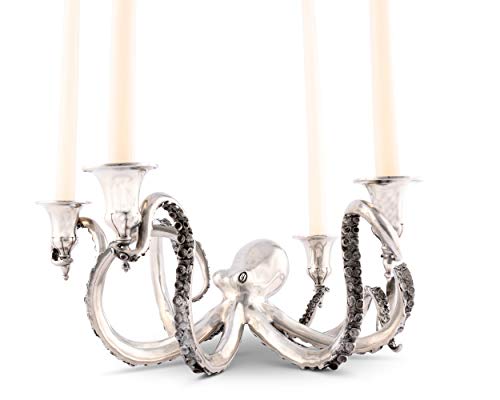
Artistry for your Ocean Tablescape

Gift Ideas Across Every Budget
Candles are reliable gifts if you know what you’re doing.
Under $15: Single-wick candles from solid mid-range brands, tea lights in bulk, or a small candle with a basic holder.
$15-30: A medium-sized scented candle from a brand with good reviews, or a smaller candle paired with a nice holder.
$30-60: Multi-wick candles, luxury soy or beeswax options, or a candle paired with a candle accessory set (wick trimmer, snuffer, holder).
$60+: Premium brand candles, large-format luxury candles, or candle collections. You could also go the gift set route—multiple smaller candles curated together.
Here’s my actual advice: know the person’s scent preferences before you buy. A beautiful candle in a fragrance someone hates is a beautiful waste. If you don’t know them well, stick with universally appealing scents—vanilla, lavender, fresh linen, or unscented beeswax.
For self-gifting (which is real and valid), pick a candle that solves a problem or creates an experience you actually want. If you love your mornings, get a candle that makes your kitchen smell like coffee and cinnamon. If you want to relax, go for lavender or chamomile vibes.
Recommended Products

Elegant Rose Design: Handcrafted rose shaped soy wax candles topped with real dried flowers — perfect for weddings and romantic events.
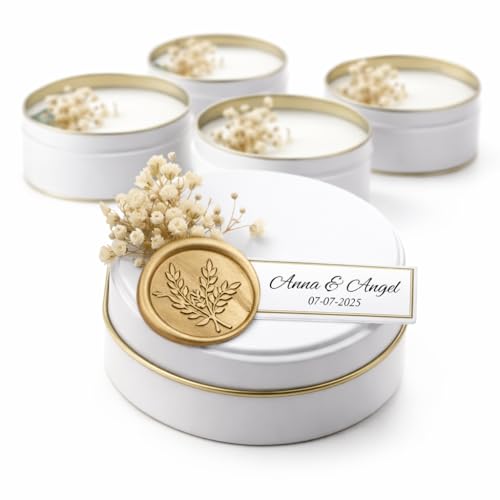
Elegant Wedding Candle Favors: Hand-poured soy candles with mini bouquets — perfect for weddings, showers, and engagement parties.

100% NATURAL SOY WAX : Hand-poured in small batches with natural soy wax and premium fragrance oils for a clean and long-lasting burn
The Bottom Line
You don’t need to know everything about candles to enjoy them. But knowing the fundamentals—wax types, fragrance loads, wick sizing, burn care—transforms you from someone buying randomly to someone who actually gets consistent performance and satisfaction.
Start where you are. Light a candle you like. Notice what happens. Pay attention to burn quality, scent throw, and how long it lasts. That’s how you build actual preferences instead of just following trends.
And if you make mistakes? Join the club. I’ve got a drawer full of half-burned experimental candles that taught me everything I needed to know. The candle world rewards curiosity more than perfection.