As an Amazon Associate, we earn from qualifying purchases. Some links on this site are affiliate links at no extra cost to you. Our recommendations are based on thorough research and editorial judgment.

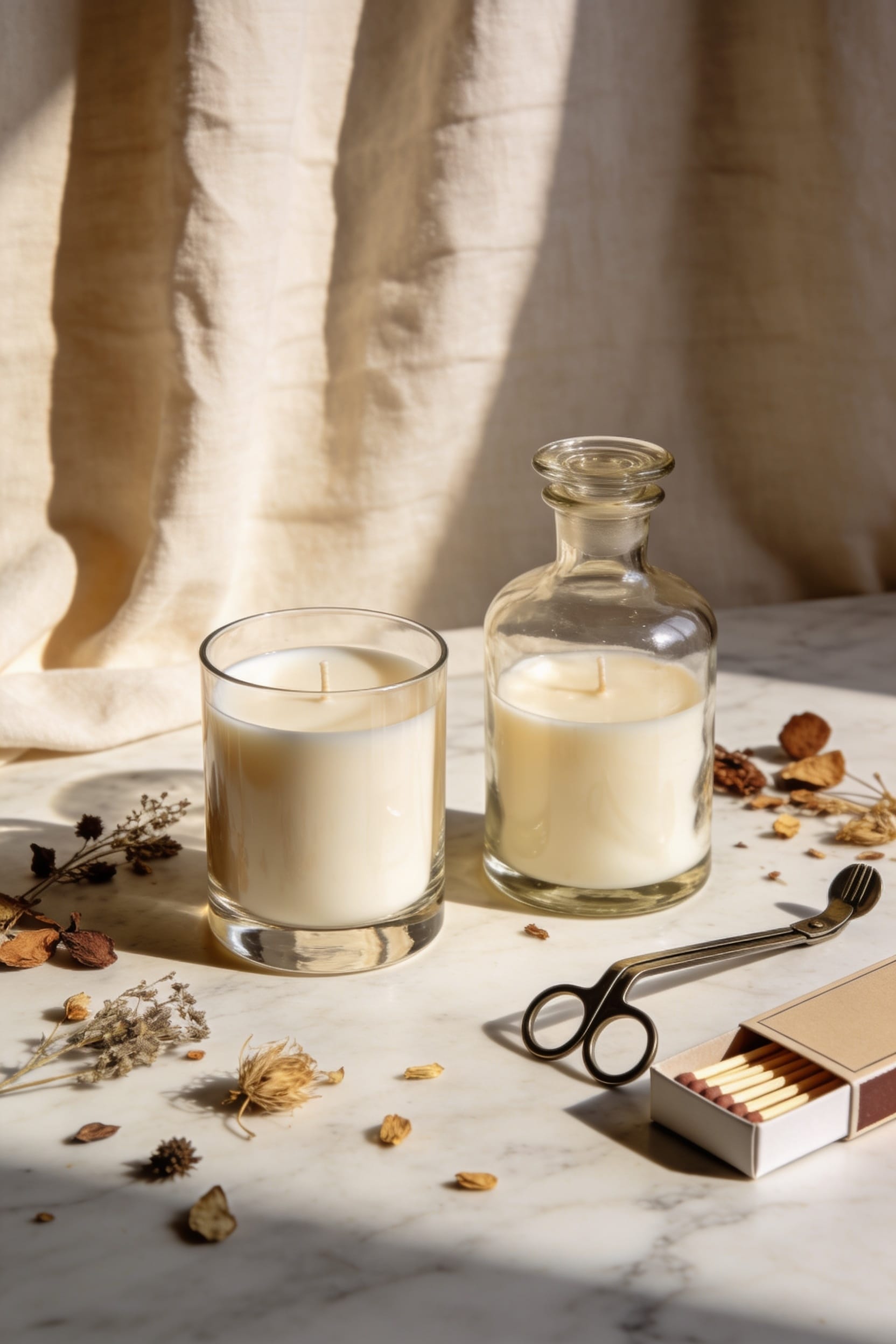
Nest vs Diptyque Candles: Which Luxury Brand Wins?

All right, here’s the thing: Nest wins on burn time and value—you’re looking at 50–60 hours for about 19 cents per gram—while Diptyque commands loyalty through heritage complexity and nuanced fragrance that evolves over time. Nest throws scent boldly and fast; Diptyque rewards patience with layered depth. Your choice comes down to whether you want immediate impact or subtle sophistication, and we’ve got the breakdown on wax quality, packaging, and cost-per-hour that’ll help you decide.
Key Takeaways
- Nest offers superior value with 50–60 hour burn times and larger sizes at approximately 19 cents per gram.
- Diptyque commands premium pricing for heritage sophistication and subtly complex fragrances that evolve over time.
- Nest delivers bold, immediate scent throw ideal for quick fragrance diffusion across any room size.
- Diptyque’s vegetable-paraffin blend and minimalist European packaging appeal to eco-conscious, prestige-focused buyers.
- The winner depends on priorities: choose Nest for longevity and value, Diptyque for heritage and nuanced complexity.
Burn Time and Longevity: Why Nest’s 50–60 Hours Outpaces Diptyque
When you’re comparing luxury candles, burn time becomes one of those metrics that actually matters—not because longer is always better, but because it directly impacts what you’re paying per hour of enjoyment. Nest’s classic single-wick candles deliver 50–60 hours, which is genuinely impressive. Their proprietary soy blend and high wax volume create superior heat distribution across burn cycles. You’ll notice the difference in wick maintenance too—Nest’s formula burns more evenly, meaning fewer tunneling issues that plague smaller candles. Room size matters here: that extended burn time means you’re getting consistent scent throw whether you’ve got a cozy bedroom or sprawling living space. Diptyque burns shorter by comparison, which factors directly into the cost-per-hour calculation.
Recommended Products

Elegant Rose Design: Handcrafted rose shaped soy wax candles topped with real dried flowers — perfect for weddings and romantic events.


Professional Wax Melter for Candle Making or Soap Making, Melter 3 Gallon Stainless Tank, Extra Deep for Your Larger Batches Of Candles or Soap, This Has Been Designed From Customers Requests and is Unlike Other Competitors.
Scent Throw: Nest’s Bold vs. Diptyque’s Subtle
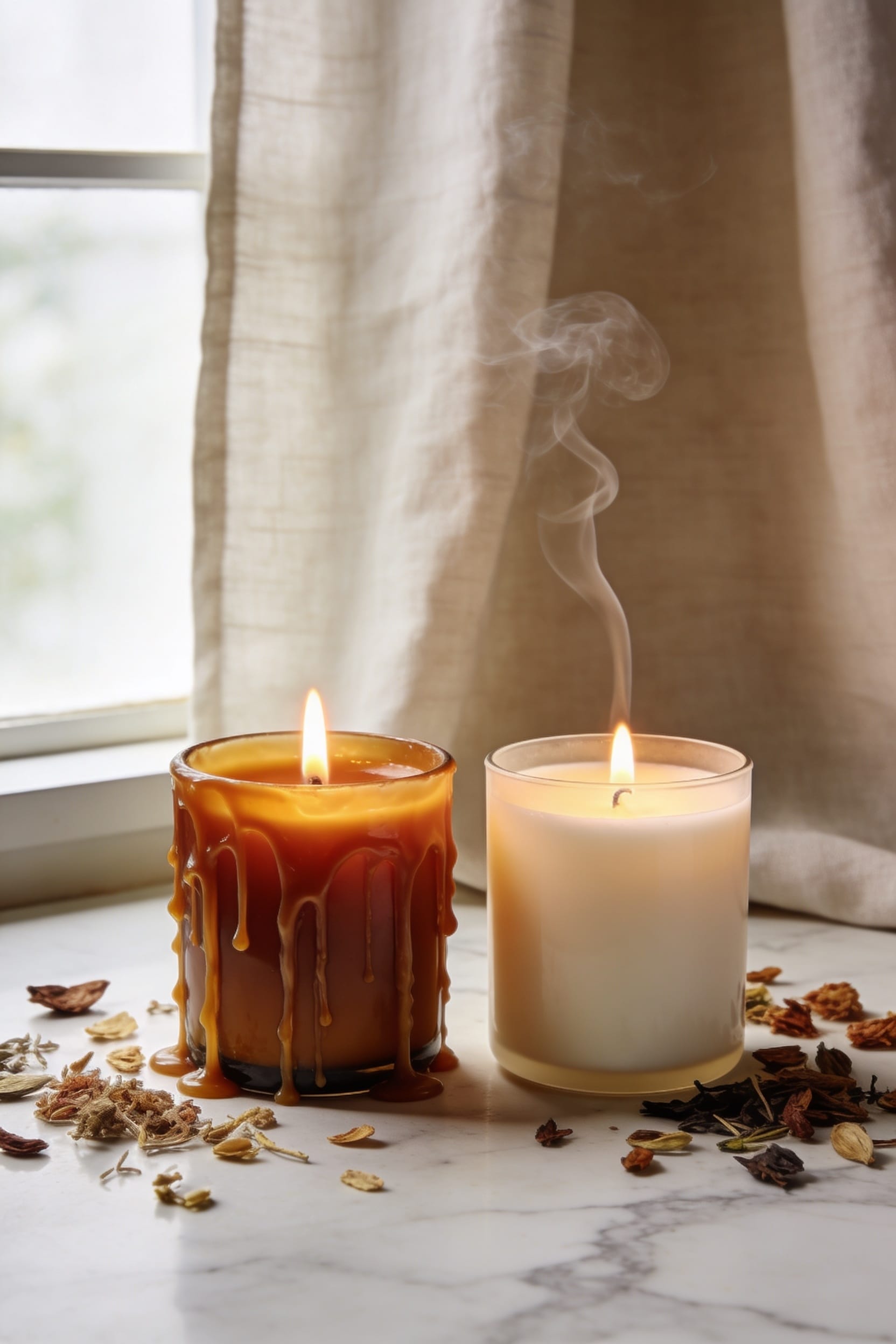
Now, here’s where things get really interesting—because burn time tells you how long a candle lasts, but scent throw tells you whether you’re actually going to *smell* it. Nest’s bold diffusion comes from high fragrance oil concentrations and synthetic ingredients that project powerfully into your room. You’ll catch Grapefruit or Moroccan Amber from across the space within minutes. Diptyque takes a different approach with subtle complexity. Their floral and woody selections develop slowly, rewarding you with nuanced depth rather than immediate punch. Neither’s inherently better—it depends on what you want. Craving noticeable fragrance that fills your home? Nest’s your answer. Prefer discovering layered scents that evolve as you sit with them? Diptyque wins.
Recommended Products

EDITION Hotels exclusive - bring home the one-of-a-kind EDITION experience with the signature scent loved by EDITION hotels guests around the world.

MASSIVE 8" × 14" LUXURY CANDLE – 300 OZ OF NATURAL COCONUT SOY WAX Make a statement with this Classic Big Ass Candle—our largest candle. This luxury candle delivers bold presence, elegant style, and room-filling fragrance. Perfect as a centerpiece for living rooms, great rooms, and upscale spaces.

MASSIVE 8" × 8" LUXURY CANDLE –150 OZ OF NATURAL COCONUT SOY WAX Make a statement with this Baby Big Ass Candle—our smaller of the two iconic oversized design. This luxury candle delivers bold presence, elegant style, and room-filling fragrance. Perfect as a centerpiece for living rooms, great rooms, and upscale spaces.
Paraffin vs. Blend: How Wax Choice Affects Burn Quality
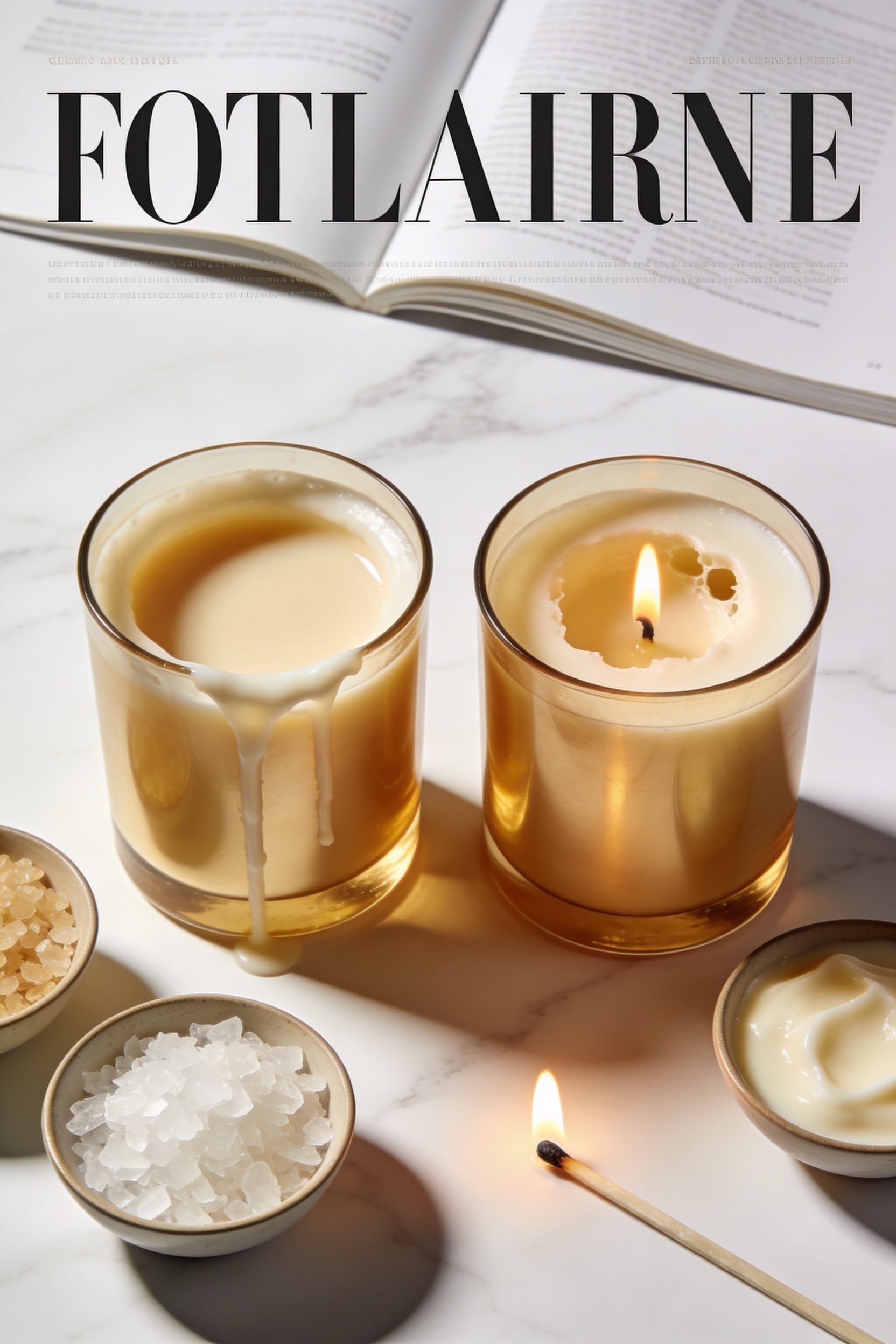
Because the wax itself is what actually burns—and how it burns determines everything from how your candle performs to how long it actually lasts—understanding the difference between Nest’s food-grade paraffin and Diptyque’s vegetable-paraffin blend matters more than you’d think.
Here’s the thing: Nest’s pure paraffin approach offers manufacturing consistency you can count on. Every candle performs predictably. Diptyque’s blend sourcing strategy creates a more nuanced burn, though consistency varies slightly batch to batch. Paraffin toxicity concerns are largely overblown—both options meet safety standards—but if eco impact weighs on you, Diptyque’s vegetable inclusion feels like the greener choice. That said, Nest’s focused formula means superior scent throw and reliable burn times. Neither’s wrong; they’re just different philosophies on what makes a luxury candle actually work.
Recommended Products

You know it as: Pearled Wax, Pearled Candles, Candle Pearls, Pearl Wax, Candle Powder, Granulated Natural Plant Based Wax.

Wax Weight: 3,632 g/ 128.12 oz

TWENTY POUNDS OF PREMIUM 1 LB BEESWAX BARS: 100% Natural Premium Yellow/Golden Beeswax. Clean burning, Natural aroma, Cosmetic ready. Suitable for food contact. Our pure beeswax bars are perfect for a wide variety of applications requiring 100% pure beeswax. Packaged in one-pound (5″ x 3.5" x 1.75") bars.
Better Value: Nest or Diptyque?
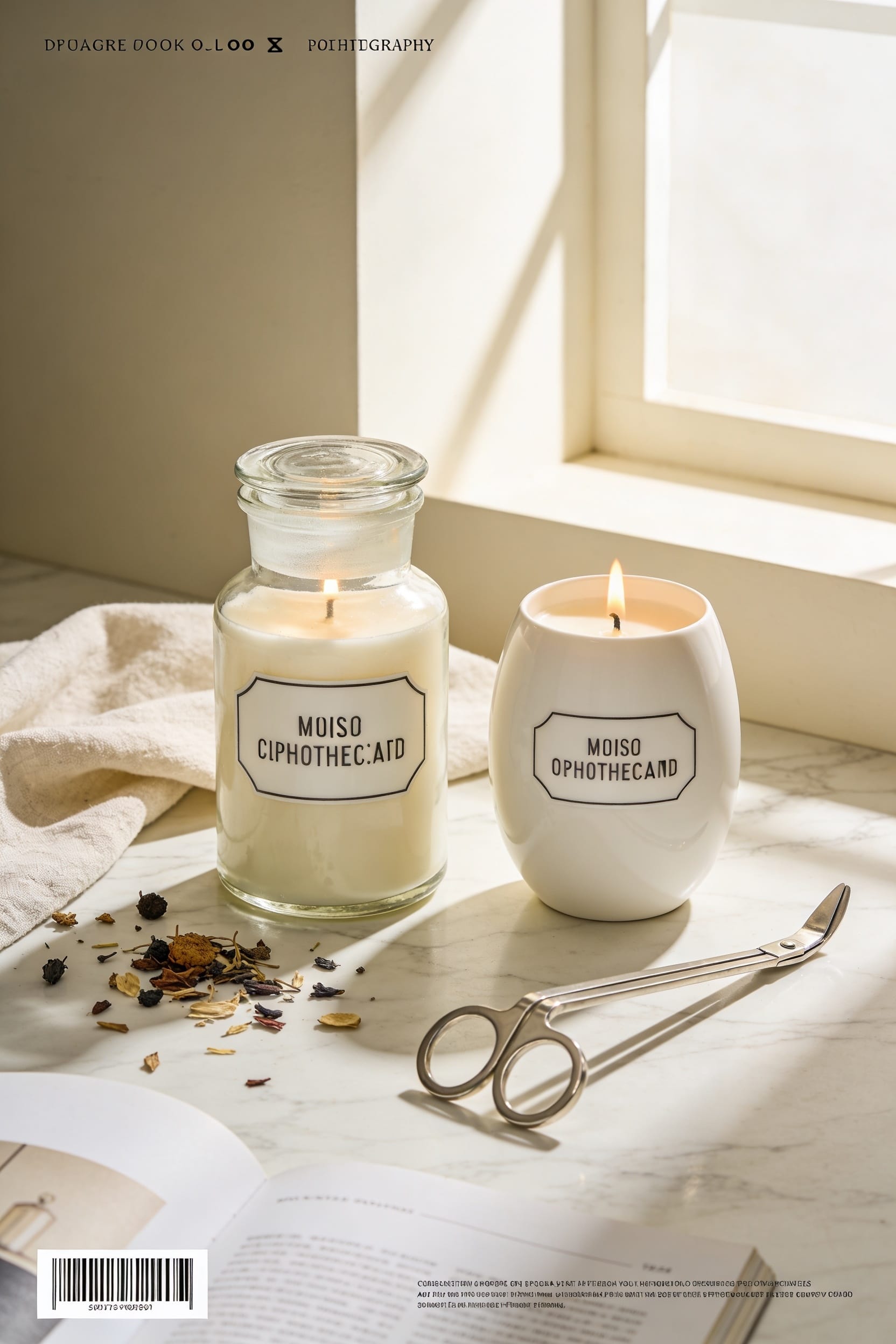
You’ve got two luxury candles burning side by side, each with wildly different wax philosophies—so which one actually justifies what you’re paying?
Here’s the thing: Nest’s 230-gram candle runs $44, which breaks down to roughly 19 cents per gram. That larger size paired with 50-60 hour burn time means you’re getting serious longevity. Diptyque candles are smaller and pricier per gram, but they’ve built fierce customer loyalty around their heritage and scent complexity since the 1960s.
Nest edges out on raw value if you’re calculating burn hours and wax volume. But Diptyque’s investment pays off if you’re chasing that prestige factor and curated fragrance selection. Neither’s a bad choice—it depends whether you’re prioritizing hours burned or brand story.
Recommended Products

LUXURY DESIGN: Hand-blown glass vessel featuring sophisticated marble-like patterns in refined colors, making each piece uniquely beautiful
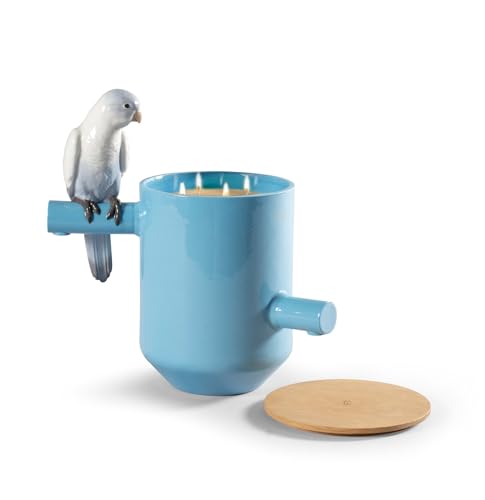
HANDMADE IN SPAIN: The highest-quality pieces handcrafted in Valencia, in the only LLADRÓ factory in the world. A team of expert artists and designers keep alive ancestral trades and techniques to turn porcelain into dreams. Sculptors, ornamenters, technicians, painters are all involved in the craftsmanship process... An endless number of hands that, one by one, leave their mark, an almost imperceptible imprint, making each artwork UNIQUE and EXCLUSIVE.

HANDMADE IN SPAIN: The highest-quality pieces handcrafted in Valencia, in the only LLADRÓ factory in the world. A team of expert artists and designers keep alive ancestral trades and techniques to turn porcelain into dreams. Sculptors, ornamenters, technicians, painters are all involved in the craftsmanship process... An endless number of hands that, one by one, leave their mark, an almost imperceptible imprint, making each artwork UNIQUE and EXCLUSIVE.
Packaging and Brand Story: Which Aesthetic Speaks to You?
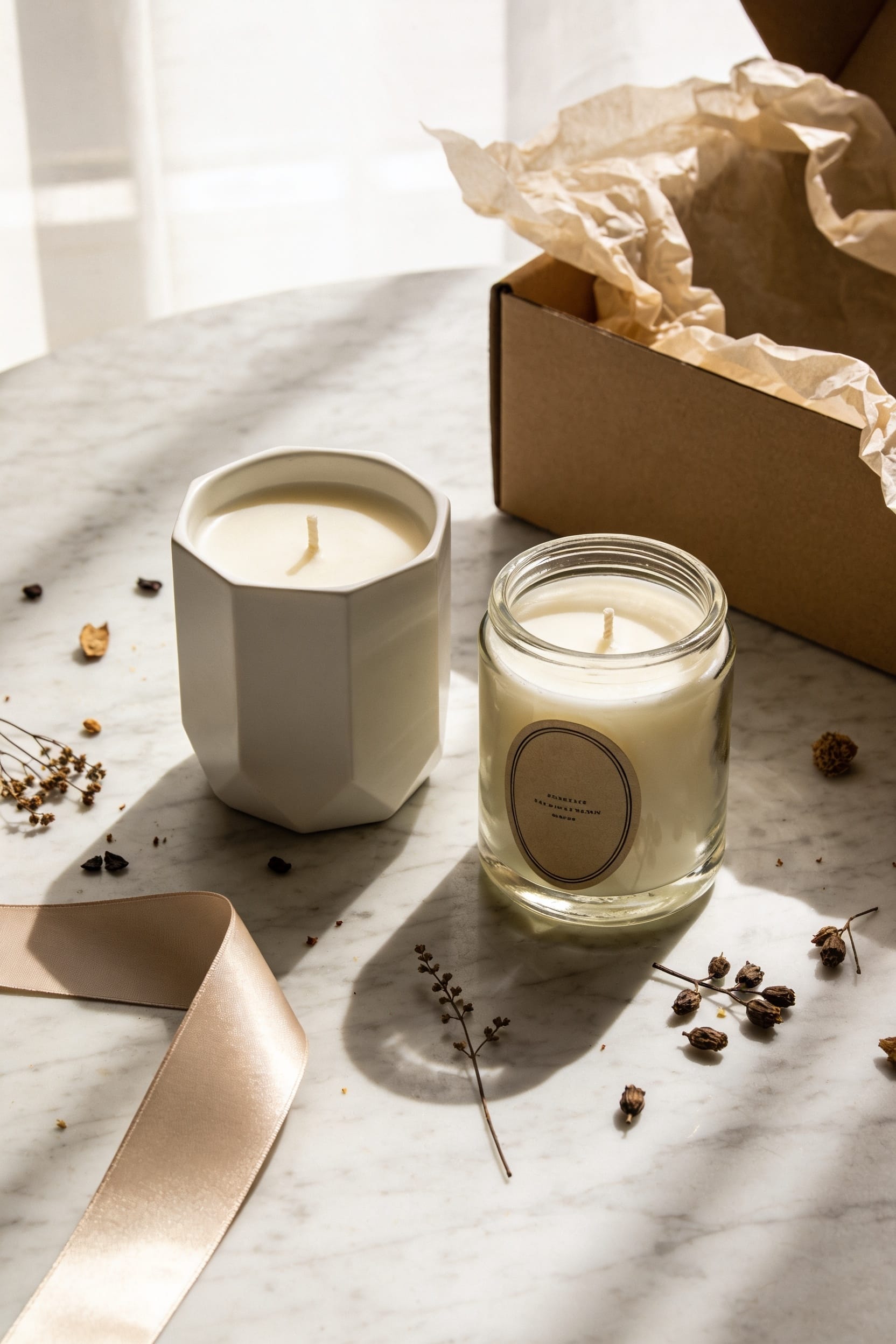
Beyond the wax and fragrance oils, there’s something that happens the moment you pull either candle from its box—and that unboxing experience matters more than you’d think when you’re dropping luxury money on something that’ll sit on your shelf for weeks.
Diptyque leans into heritage minimalism. French since the ’60s, they’ve perfected that understated elegance—clean lines, simple labeling, almost austere packaging that whispers rather than shouts. It’s the aesthetic of restraint.
Nest takes the opposite approach. Their luxe packaging feels opulent, almost theatrical. Bold designs, rich colors, stylish boxes that honestly look better displayed than hidden away.
Neither’s wrong. You’re really choosing between two philosophies: timeless European understatement or contemporary American glamour. What calls to you?
Recommended Products

HANDMADE IN SPAIN: The highest-quality pieces handcrafted in Valencia, in the only LLADRÓ factory in the world. A team of expert artists and designers keep alive ancestral trades and techniques to turn porcelain into dreams. Sculptors, ornamenters, technicians, painters are all involved in the craftsmanship process... An endless number of hands that, one by one, leave their mark, an almost imperceptible imprint, making each artwork UNIQUE and EXCLUSIVE.

HANDMADE IN SPAIN: The highest-quality pieces handcrafted in Valencia, in the only LLADRÓ factory in the world. A team of expert artists and designers keep alive ancestral trades and techniques to turn porcelain into dreams. Sculptors, ornamenters, technicians, painters are all involved in the craftsmanship process... An endless number of hands that, one by one, leave their mark, an almost imperceptible imprint, making each artwork UNIQUE and EXCLUSIVE.

MASSIVE 8" × 14" LUXURY CANDLE – 300 OZ OF NATURAL COCONUT SOY WAX Make a statement with this Classic Big Ass Candle—our largest candle. This luxury candle delivers bold presence, elegant style, and room-filling fragrance. Perfect as a centerpiece for living rooms, great rooms, and upscale spaces.
Frequently Asked Questions
Are Nest and Diptyque Candles Safe for Homes With Pets and Children?
I’d recommend both brands for homes with pets and children, though I’d monitor burn time closely. Nest adheres to IFRA safety standards, while Diptyque’s vegetable wax blend is reliable. Watch for pet safety and child allergies—keep candles elevated and ventilate well.
How Do Nest and Diptyque Candles Compare in Environmental Sustainability and Eco-Friendliness?
I’ve found that luxury candles generate over 2 million tons of waste yearly. Honestly, neither brand excels environmentally—Diptyque lacks sustainable packaging transparency, while Nest’s paraffin wax isn’t eco-friendly. Both need improvement here.
Which Brand Offers Better Seasonal or Limited-Edition Fragrance Collections?
I’d say Diptyque edges out Nest with their extensive floral and woody fragrance selection, though I haven’t found definitive details about their limited releases and seasonal collaborations versus Nest’s offerings in the available information.
Can You Mix and Layer Nest and Diptyque Scents for Custom Aromas?
I’ve mixed Nest’s Moroccan Amber with Diptyque’s florals—like blending two wines. You can absolutely layer their scents; blend experiments work because both brands’ fragrance oils complement each other’s complexity, creating unique scent layering combinations.
What Is the Average Price per Burn Hour for Each Brand?
I’ve calculated Nest’s average cost per burn hour at approximately $0.73–$0.88 USD, while Diptyque’s price efficiency is significantly higher due to shorter burn times. Nest offers superior value when comparing average cost per burn against comparable luxury competitors.
Conclusion
Look, here’s what I’d tell a friend: if you burn candles constantly—say, like my neighbor who keeps three going simultaneously in her living room—Nest’s longevity wins. You’ll replace them less often. But if you’re after that whisper-soft scent experience and don’t mind paying premium for aesthetics, Diptyque’s your brand. Neither’s objectively “better.” It depends on how you actually live.

