As an Amazon Associate, we earn from qualifying purchases. Some links on this site are affiliate links at no extra cost to you. Our recommendations are based on thorough research and editorial judgment.

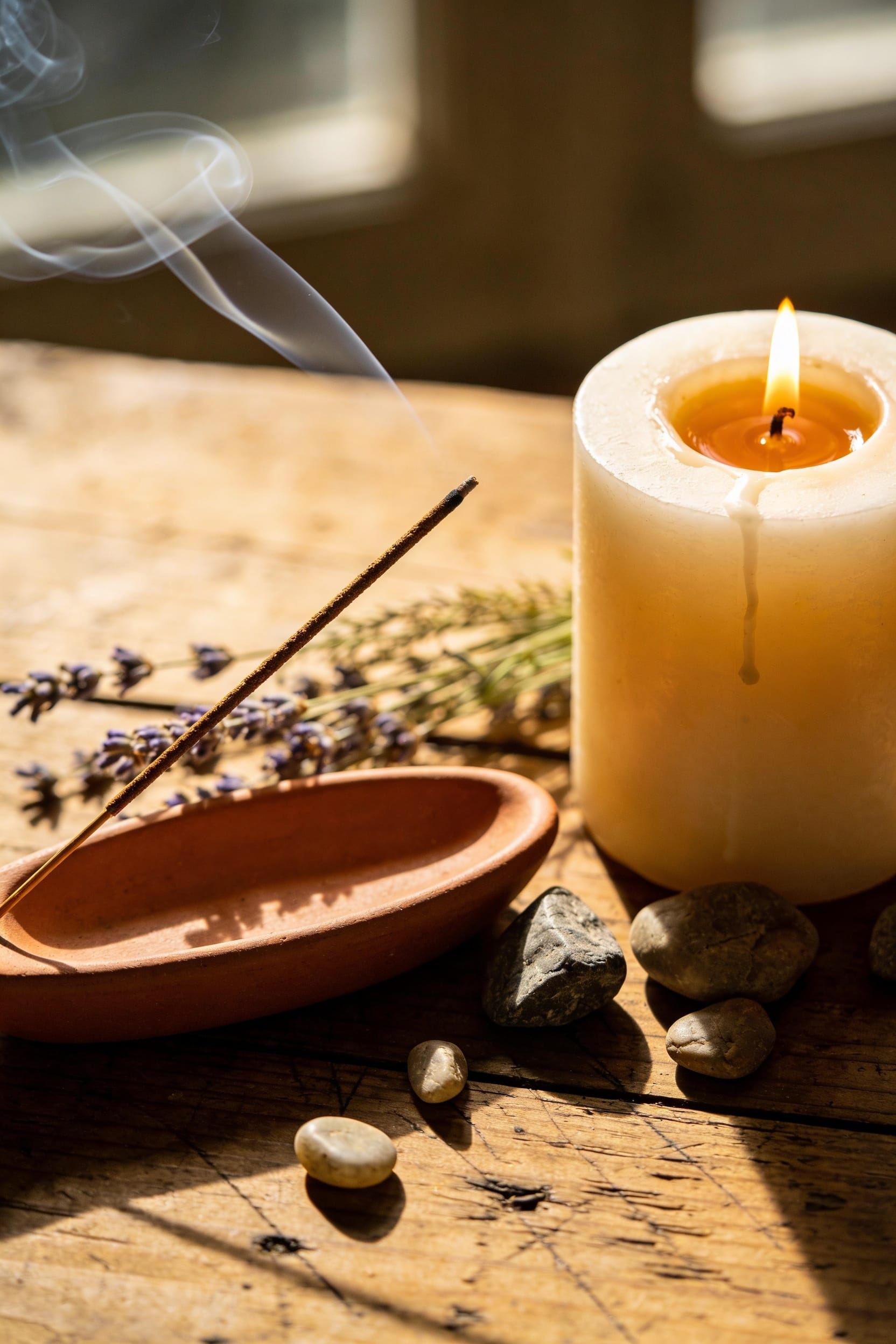
Incense vs Candle Scent: Which Smells Better & Lasts?

All right, here’s the thing: incense hits you fast—noticeable scent within ten minutes—while candles take an hour to build their fragrance. Incense delivers potent, concentrated aroma that can overwhelm, whereas candles offer subtler, steadier presence. For lasting power, candles win; they perform for hours or days depending on wax quality, while incense burns out in under an hour despite lingering scent for up to 24 hours. Your choice depends on whether you need instant impact or sustained ambiance, and we’ve got specifics on both approaches.
Key Takeaways
- Incense delivers intense, immediate scent within 10 minutes; candles build gradually over an hour for subtler fragrance.
- Incense burns quickly (under an hour) but lingers up to 24 hours; candles provide marathon-length continuous scent delivery.
- Candle scent is gentler and less overwhelming; incense causes rapid olfactory adaptation, often within 15–20 minutes.
- Natural wax candles (soy, beeswax) outperform both incense and paraffin in sustained scent quality and health safety.
- Choose incense for quick ambiance refreshes and meditation; choose candles for extended evenings requiring consistent fragrance presence.
Incense vs. Candles: Speed and Intensity
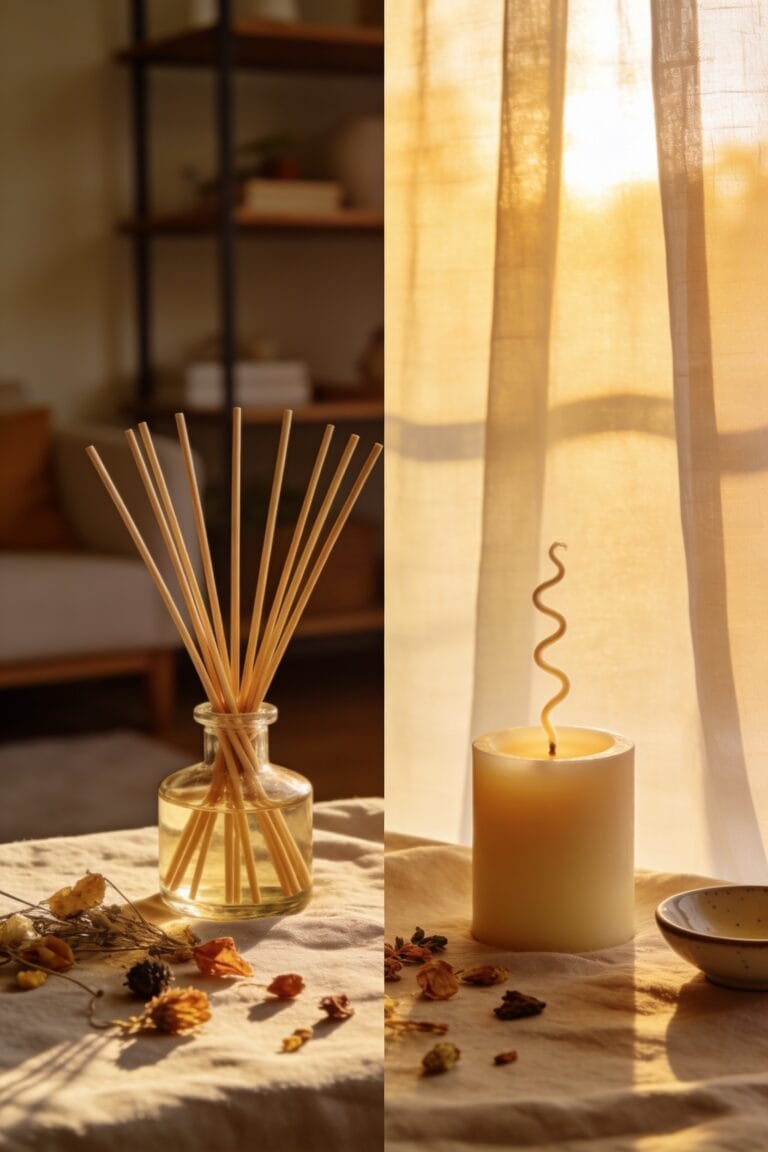
When you’re standing in front of your scent options and time’s ticking, incense and candles couldn’t be more different in how they deliver fragrance. Incense wins on speed—you’ll catch its rapid diffusion within ten minutes of lighting, filling your space with immediate olfactory impact. Candles? They need at least an hour to warm up those fragrance oils before you’re really smelling anything worthwhile.
Now, intensity matters too. Incense delivers a concentrated, potent aroma that’s honestly hard to miss. Candles offer something subtler, more gradual. If you’re after quick ambiance changes or need scent *now*, incense is your answer. But if you’re settling in for an evening and want fragrance building steadily alongside candlelight, candles create that slower, warmer experience you’re probably after.
Recommended Products


🐚 Premium Abalone Shell Bowl: Our high-quality abalone shell bowl is designed with an elegant display fit for any home. The shell bowl is a perfect size for burning sage or other herbs, making it an excellent sage smudge bowl. With its natural pattern, it's sure to add a touch of ocean beauty to your space.

Includes 60 swirls
How Long Incense and Candle Scents Last
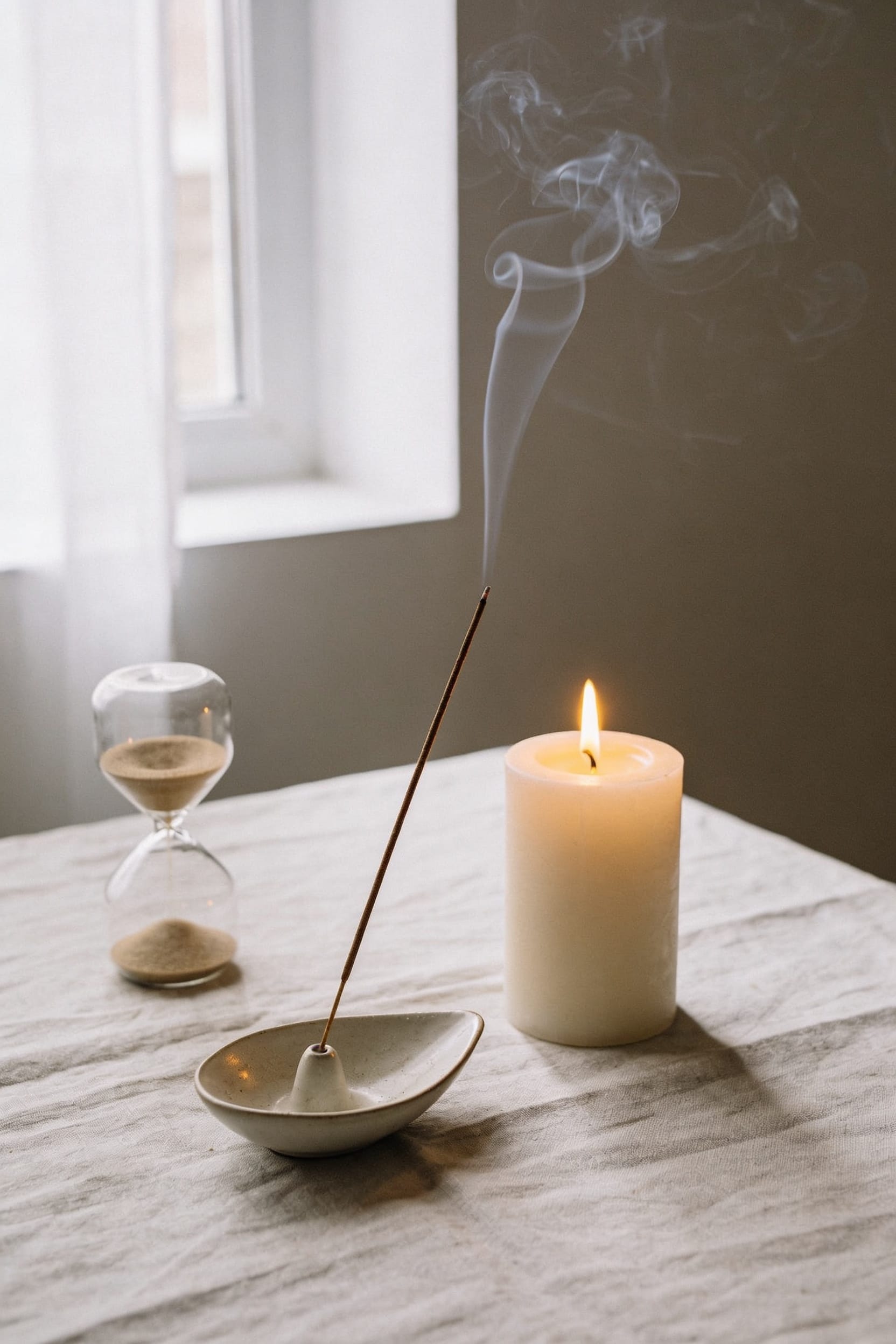
Now here’s where the math gets interesting—because speed of delivery and length of performance are two totally different animals. Incense burns fast and hot, typically lasting under an hour, but here’s the kicker: that scent lingers in your room for up to 24 hours afterward. Airflow effects matter tremendously—good ventilation lets the fragrance disperse, while stagnant air keeps it concentrated longer. Candles? They’re the marathon runners. Depending on burn time and wax quality, you’re getting hours or even days of continuous scent. Natural wax candles outperform paraffin markedly here. The trade-off is material degradation: as your candle burns down, fragrance throw typically decreases. Incense gives you immediate intensity that fades gradually. Candles provide sustained, gentler performance throughout their lifespan.
Recommended Products

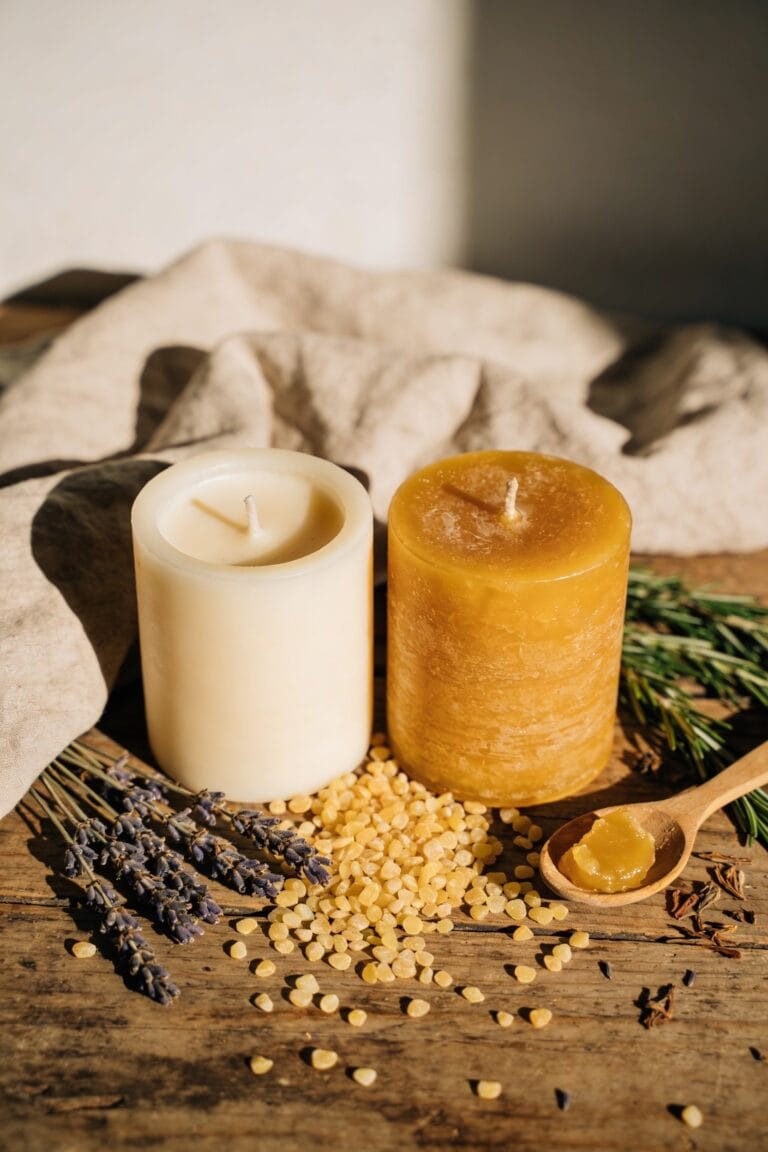
Yellow Beeswax is a natural wax formed by honey bees. The wax is discarded by the worker bees in or at the hive. The hive workers collect it and use it to form cells for honey storage. It becomes colored yellow from the pollen. Our 100% pure natural yellow beeswax is in pellet form, which makes working with it easy. Save time with no messy clean up from having to grate it.


BURNING TIME: 22cm (9 inches) SKINNY - approximately 1 hour; 22cm (9 inches) - approximately 1 - 1.5 hours; 27cm (11 inches) - approximately 1.5 - 2 hours; 32cm (13 inches) - approximately 2 hours; For maximum burn time place the candles in an area with minimal air movement. Avoid drafty areas such as near open windows, vents, or fans.
Is One Healthier Than the Other?
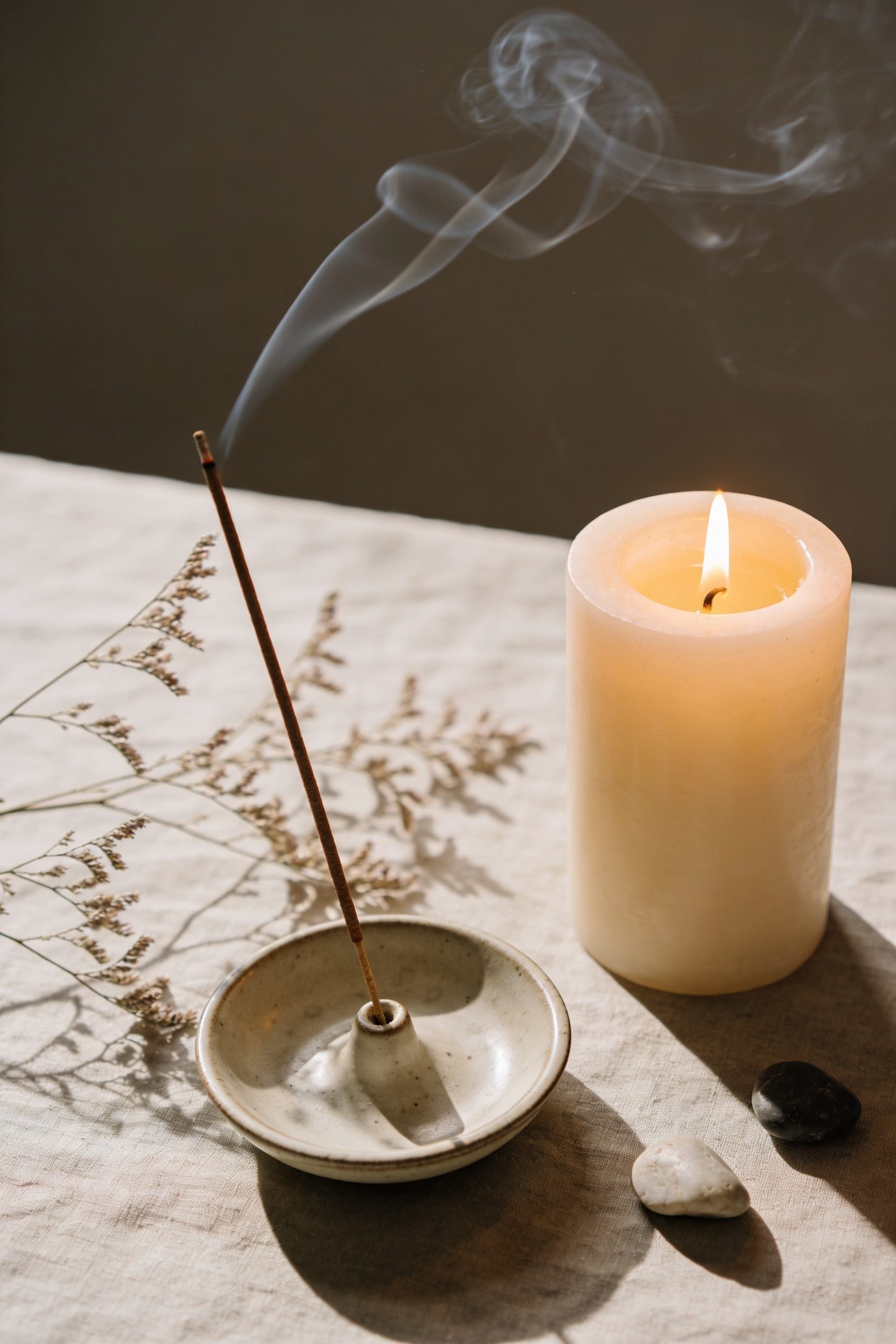
Because you’re literally breathing in what these things emit, the health question matters—and honestly, it’s more nuanced than “incense good” or “candles bad.” Incense gets positioned as the healthier alternative to paraffin candles, which is partially true: paraffin releases more of the stuff you don’t want (petroleum-derived soot and indoor air pollutants) compared to incense smoke.
But here’s where it gets complicated. Incense smoke, soot, and falling ash can pose respiratory effects issues for some people. Your air quality takes a hit either way if you’re not ventilating properly. Natural wax candles—soy, beeswax, coconut—genuinely perform better than paraffin. The real answer? Neither’s automatically healthier. Choose quality products, ventilate your space, and monitor how you feel.
Recommended Products

SCENT - Sea & Dune evokes fresh lemon and spicy coastal lily falling into watery blue lotus and natural sea grass. Warm golden amber and cool sea spray invite you to escape to endless summer days.

MASSIVE 8" × 14" LUXURY CANDLE – 300 OZ OF NATURAL COCONUT SOY WAX Make a statement with this Classic Big Ass Candle—our largest candle. This luxury candle delivers bold presence, elegant style, and room-filling fragrance. Perfect as a centerpiece for living rooms, great rooms, and upscale spaces.
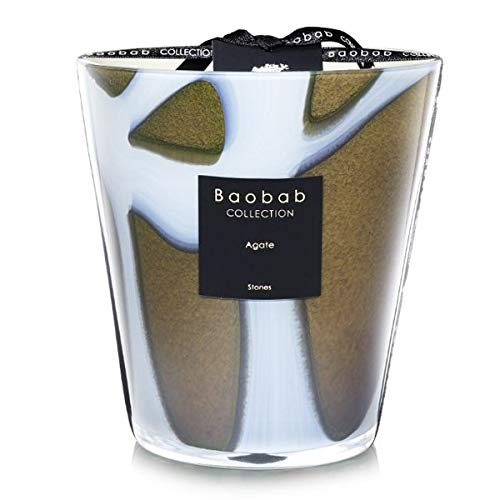
Design Inspiration: Agate Stone - Experience the enchanting design inspired by the natural beauty of Agate stones from Minas Gerais, Brazil. Each candle has a unique shape and pattern, handcrafted with precision and artistry
Incense Scent Is Stronger: Here’s What That Means
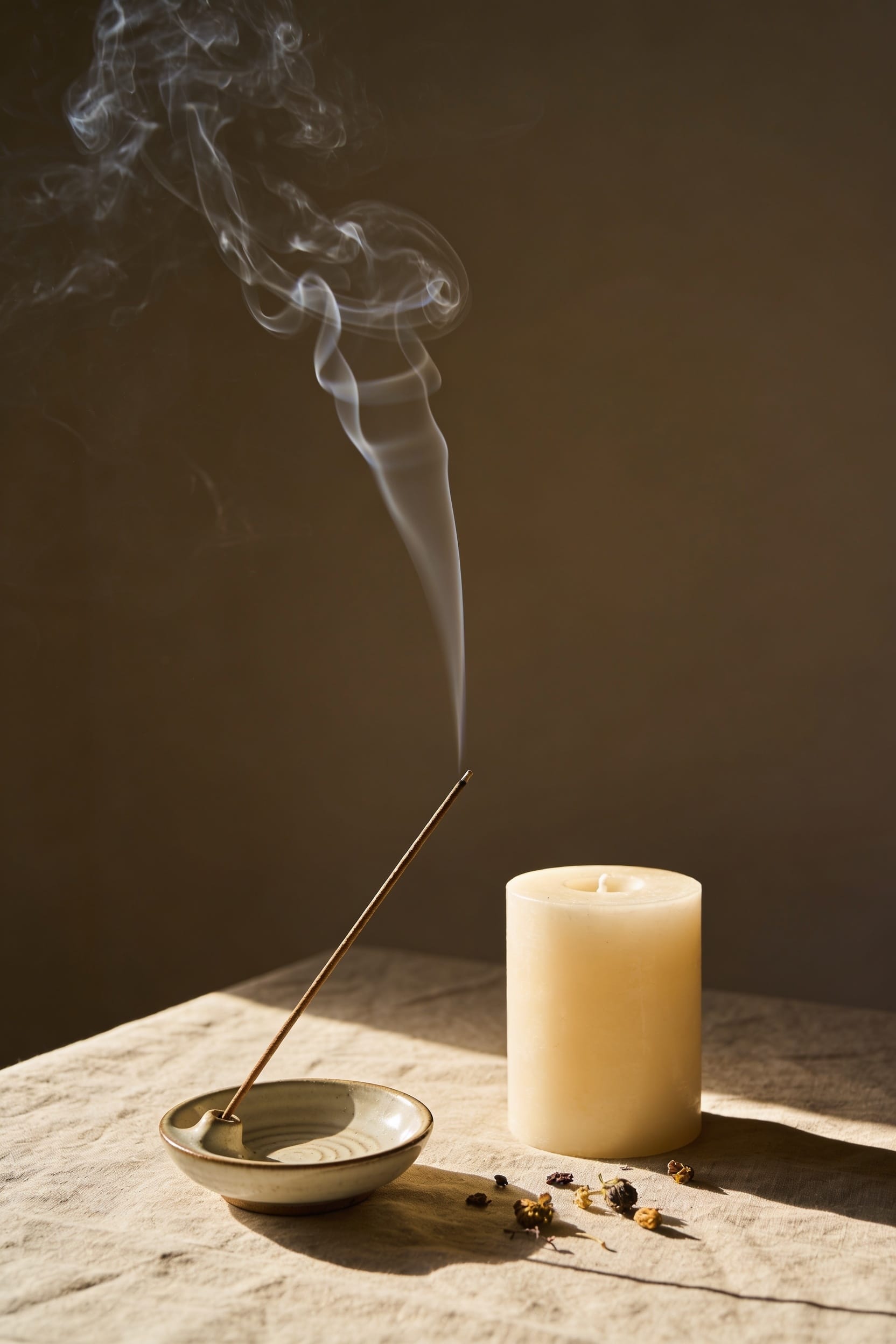
All right, so we’ve established that health considerations matter when you’re choosing between these two, but there’s another practical reality worth understanding: incense scent is genuinely stronger than candle scent, and that intensity shifts how you’d actually use each one in your home.
Incense delivers concentrated aroma that fills a room in minutes. That potent fragrance throw means you’re getting serious olfactory adaptation—your nose adjusts to the scent quickly, sometimes within 15-20 minutes. Candles, by contrast, build their aroma concentration gradually over an hour or more, which actually works in their favor for prolonged enjoyment.
The strength difference matters practically. If you want immediate impact for a quick ambiance shift, incense wins. But if you’re settling in for hours, candles provide sustained fragrance without overwhelming your senses into numbness.
Potency vs. Subtlety: Which Fragrance Style Suits You?

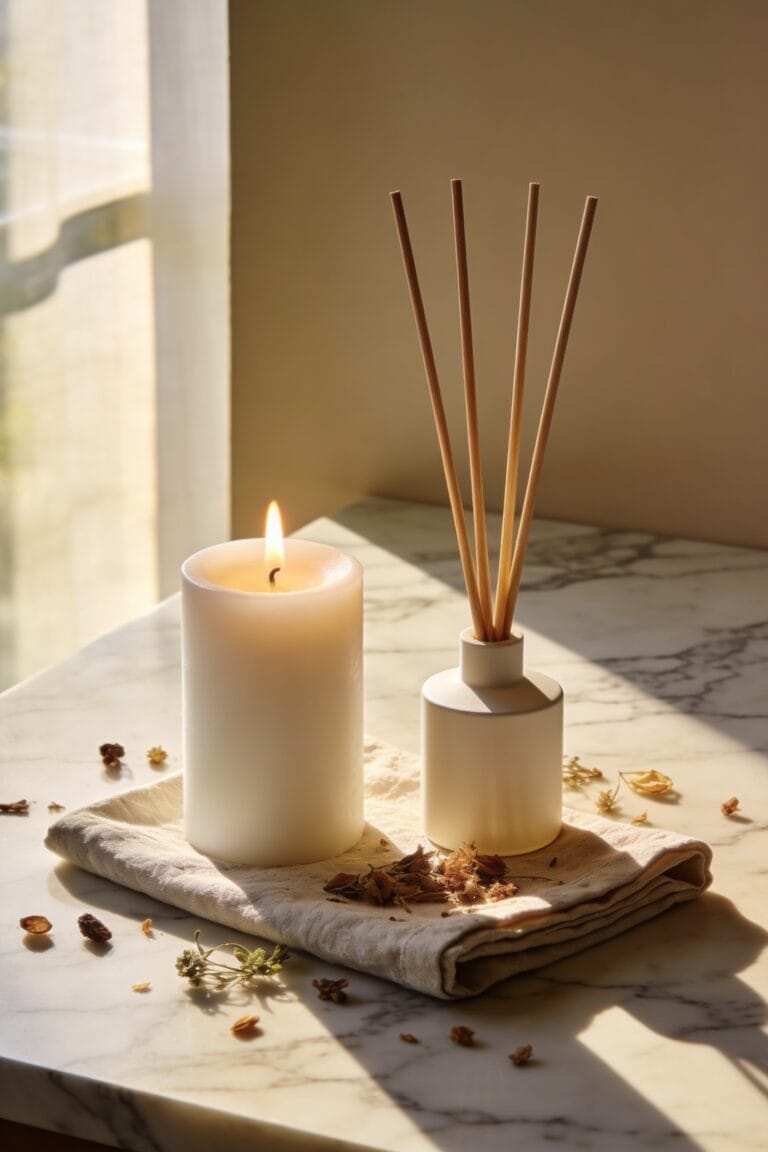
When you’re standing in front of your scent options, you’re really choosing between two different philosophies of how fragrance should work in your space. Incense hits you immediately—that potent, room-filling intensity that demands attention. Candles, though, whisper their way in, building gradually as you burn them. Neither’s inherently better; it depends on what you’re after. If you love scent layering and want to build fragrance complexity over an evening, candles win. They let you adjust your mood tailoring without overwhelming your senses. But if you need instant atmosphere or you’re meditating and want that concentrated aromatic cocoon? Incense delivers faster. Think about your lifestyle, your space, and how much sensory presence you actually want before committing.
Recommended Products

FEEL CONNECTED - Cleanse the energy surrounding you and your loved ones with Espoir and Amour White Sage. Take a moment to yourself and let our fresh, organic sage smudge stick to reduce stress and improve your mood, allowing deep and meaningful connections to find you.

Hand Dipped Jumbo Incense Sticks.

✅ 100% NATURAL - Our incense sticks are made with all natural ingredients. Joss Powder (Litsea Glutinosa) Bamboo (Bambusa Arundinacea)
Incense or Candles: Pick the Right One
Now that you’ve figured out whether you want potent intensity or subtle layering, it’s time to actually pick one. Here’s the thing: your lifestyle matters more than anything else. If you’re setting ambient layering throughout your home for an entire evening, candles win—they’re made for that slow-burn companionship. But if you need immediate fragrance impact or you’re juggling a packed schedule, incense delivers faster.
Consider gift selection too. Candles feel more luxurious as presents, especially quality soy or beeswax options. Incense works beautifully for meditation enthusiasts or yoga practitioners. Honestly, I’d suggest pairing both into your routine. Use incense for quick refreshes, candles for those lingering moments when you want ambiance and scent working together. You’re not locked into choosing just one.
Recommended Products

100% Pure Beeswax Candle: Hand-poured from naturally filtered beeswax for a rich, golden glow. These clean burning candles are free from paraffin, soy, and synthetic fragrances. Each 1-wick dripless pillar candle features natural cotton candle wicks and pure candle wax for a long-lasting burn and warm, cozy candle light.
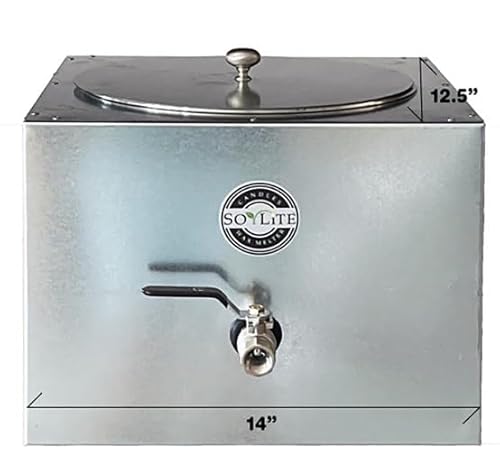
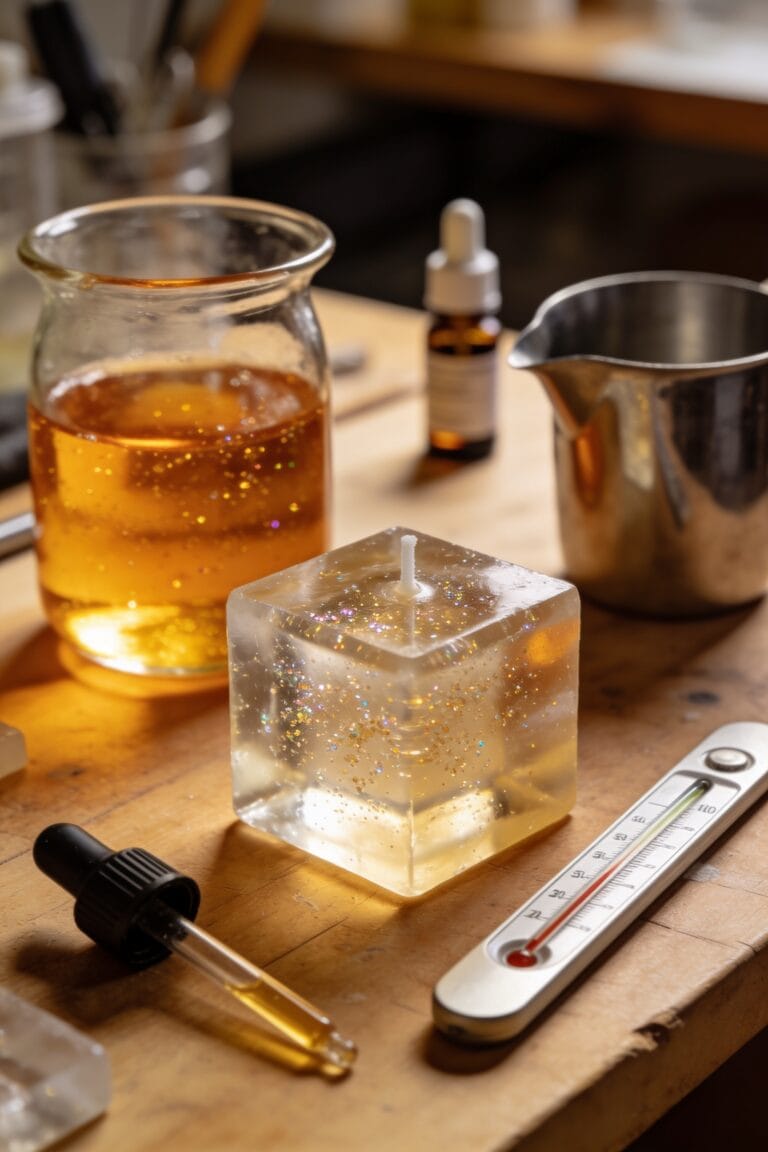
Profeshional wax melter for candle making, Effortlessly make large batches candles . No more messing with temperature control. This new wax melter automatically keeps wax around 180 to 190 degrees. Just simply add wax and turn on. If you are running a small business or handling a big custom order? SoyLite will help save you time.

TWENTY POUNDS of PREMIUM FLORIDA SPRING BLOSSOM BEESWAX: 100% Natural, clean burning, sweet floral, with the honey-like fragrance typically associated with beeswax, cosmetic ready and suitable for food contact. Our pure beeswax bars are perfect for a wide variety of applications. Packaged in a one-pound bars (5″ x 3.5" x 1.75").
Frequently Asked Questions
What Specific Scent Ingredients Are Typically Used in Incense Versus Candle Fragrances?
I’d tell you that incense typically uses natural resins like frankincense and sandalwood, while candles rely more on synthetic absolutes and fragrance oils. Incense emphasizes plant extracts and herbs for deeper aromatic profiles.
Can Incense or Candle Smoke Trigger Allergies or Respiratory Issues in Sensitive Individuals?
Yes, both can cause concerns. I’ve found incense smoke and soot may seriously strain sensitive systems, while candle smoke similarly stirs respiratory sensitivity. Your allergy triggers depend on personal propensity and product quality chosen.
How Do I Properly Dispose of Incense Ash and Candle Wax Remnants Safely?
I’d recommend letting incense ash cool completely before sweeping it into a compost bin or regular trash. For candle wax, I scrape cooled remnants into recycling or disposal containers, ensuring proper ash handling prevents mess.
Which Option Is More Cost-Effective for Maintaining Continuous Home Fragrance Over Time?
I’d recommend candles for long-term fragrance—they’ve got better cost per use and refill options than incense. Plus, subscription models make maintaining continuous scent affordable, even in this steam-powered age of ours.
Are There Any Fire Hazards or Ventilation Requirements Specific to Incense Burning?
I’d recommend ensuring adequate airflow when you’re burning incense for fire safety. You’ll want proper ventilation to disperse smoke safely and prevent ash accumulation that could pose risks in enclosed spaces.
Conclusion
I’ve personally preferred potent incense for powerful, penetrating perfume—it permeates spaces swiftly. Yet candles offer gentler, gradual grace without the grimy residue. Your choice depends on desires: Do you want wellness-worthy, whisper-soft scents, or bold, brisk fragrance? I’ve found both brilliant for different domains. Don’t delay deciding; simply select what sincerely suits your space, sensibilities, and self.