As an Amazon Associate, we earn from qualifying purchases. Some links on this site are affiliate links at no extra cost to you. Our recommendations are based on thorough research and editorial judgment.

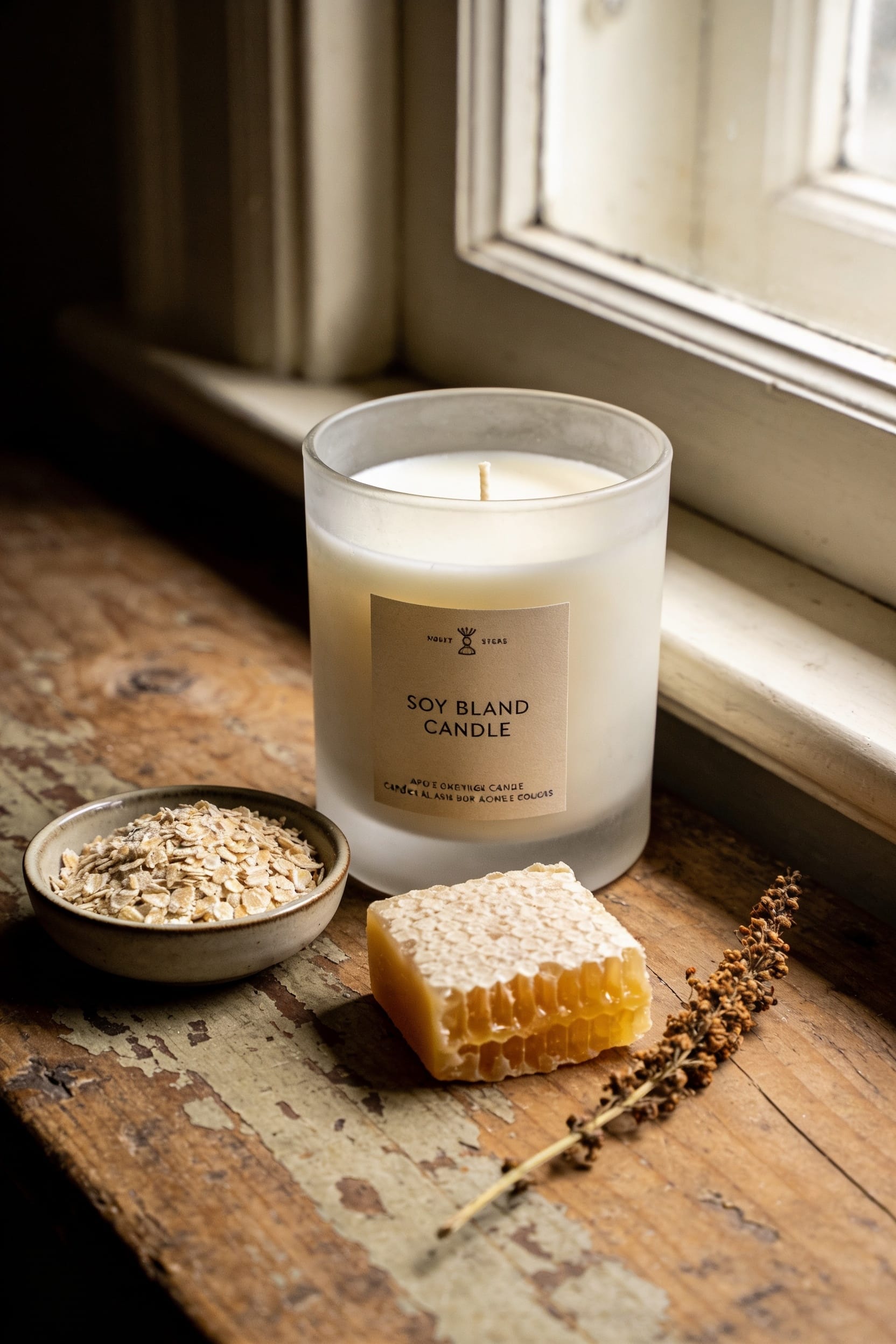
What Is a Soy Blend Candle? Is It Truly Natural Wax?

a soy blend candle isn’t pure soy at all—it’s soy mixed with cheaper waxes like paraffin, palm, or coconut. Manufacturers can legally label it “soy candle” with as little as 51% soy content, which is pretty wild. They blend because pure soy’s soft (melting around 49°C), and blends burn better, hold scent differently, and cost less to produce. So while soy’s renewable, you’re often getting a hybrid product that’s part petroleum-based paraffin. The label wording matters way more than you’d think.
Key Takeaways
- Soy blend candles mix soybean wax with paraffin, palm, or coconut oil to improve burn performance and melting point.
- “Soy candle” labels legally require only 51% soy content, while “100% soy wax” confirms pure composition without additives.
- Blended candles offer stronger scent throw and faster fragrance distribution but may release harmful chemicals like benzene from paraffin.
- Pure soy wax is renewable and biodegradable; blends dilute these benefits by adding petroleum-based or environmentally damaging palm oil.
- Check labels for “100% soy wax,” paraffin-free claims, and organic certifications to verify transparency and avoid misleading marketing.
What Makes a Soy Blend Candle Different From Pure Soy?
Now, here’s the thing—when you’re shopping for soy candles, you’re probably going to run into two very different products masquerading under almost the same name, and that distinction matters more than you’d think.
Pure soy is exactly what it claims: 100% soybean oil. It’s renewable, biodegradable, and burns cleaner with minimal soot. The burn profile is steady and long—we’re talking 70-90 hours for a decent-sized candle.
Soy blend candles? They’re soy mixed with paraffin, palm, or coconut wax. Legally, they only need 51% soy to use that label. The ingredient ratios vary wildly, which means you’re potentially getting paraffin’s downsides alongside soy’s benefits. Blends burn faster, throw scent stronger, but compromise on sustainability and air quality. That’s why checking the label matters.
Recommended Products

Elegant Rose Design: Handcrafted rose shaped soy wax candles topped with real dried flowers — perfect for weddings and romantic events.

Westin Hotel Exclusive Design: Enhance your sleep space with the luxurious Hotel Duvet Cover, exclusively designed for Westin Hotels. Featuring a subtle organic pattern jacquard stitched into a white-on-white design, this duvet cover brings a touch of sophistication and elegance to any bedroom.
100% NATURAL SOY WAX : Hand-poured in small batches with natural soy wax and premium fragrance oils for a clean and long-lasting burn
How Much Soy Wax Actually Goes Into Your “Soy Candle”?
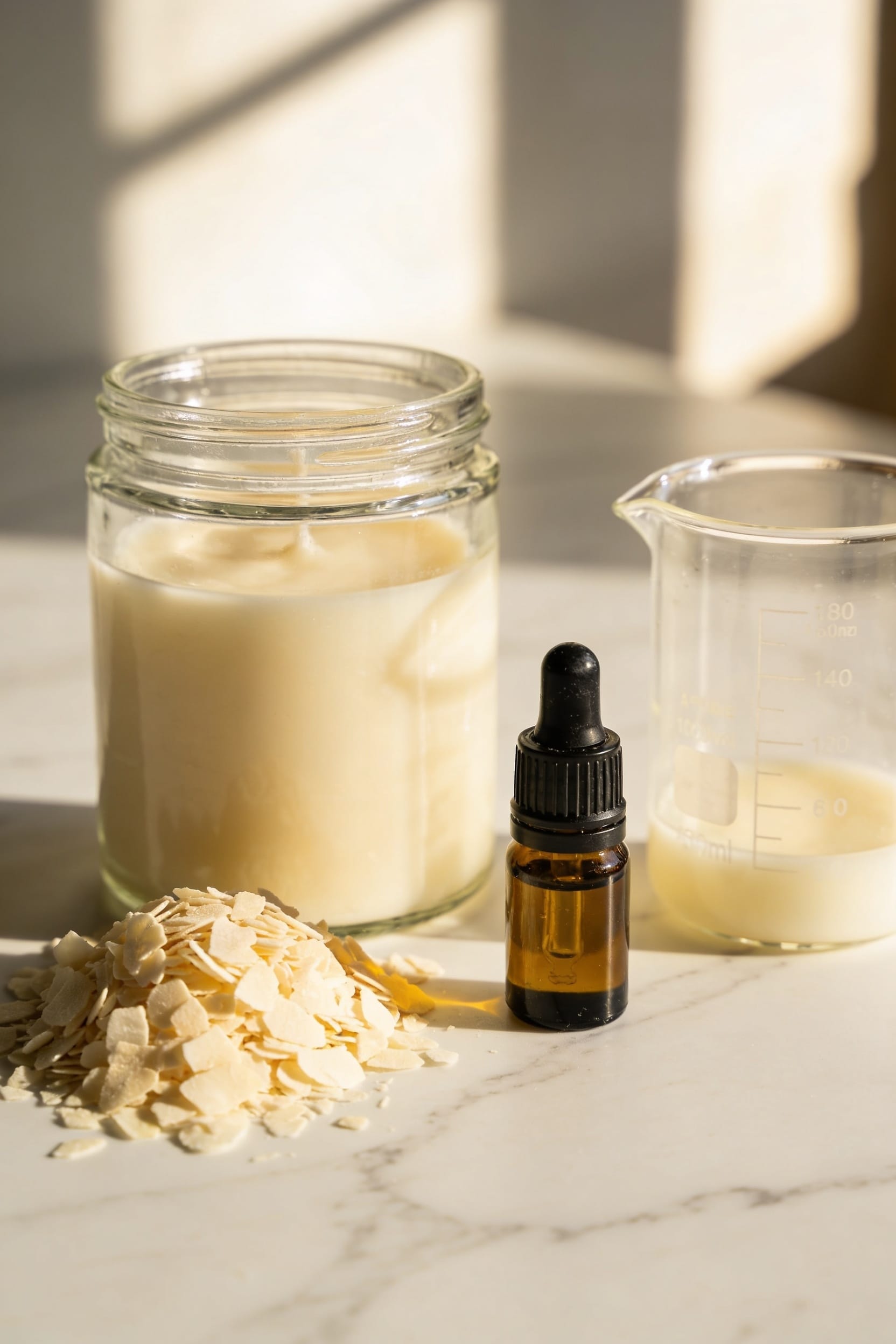
It could be almost anything. That’s the wild part about soy percentage claims—you might grab what you think’s pure soy and get 51% soy wax blended with paraffin or palm oil. Label clarity matters enormously here. Look for explicit “100% soy wax” language instead of vague “soy candle” marketing. If you’re serious about sourcing transparency, contact the manufacturer directly. Ask what that remaining 49% actually contains. Wick compatibility plays a role too—some blends require different wick sizes than pure soy because they burn differently. I’ve learned the hard way that cheaper soy candles often hide their blend ratios intentionally. Don’t assume percentage means quality. Read everything. Ask questions. You deserve knowing exactly what’s burning in your home.
Why Manufacturers Blend in Paraffin, Palm, and Coconut?
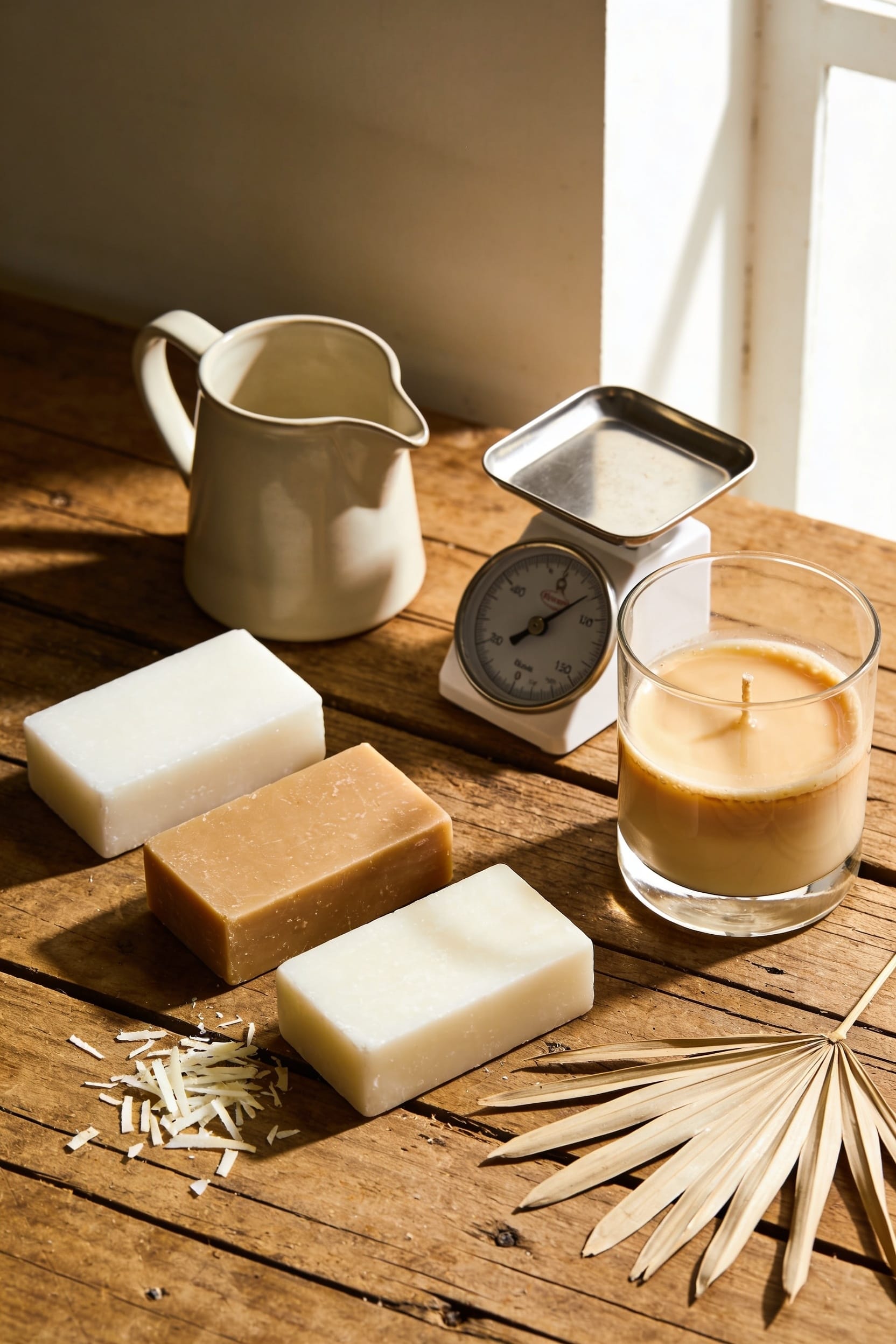
Manufacturers blend in paraffin, palm, and coconut wax for one straightforward reason: cost savings and performance optimization. Here’s the thing—pure soy wax has a naturally low melting point around 49°C, which makes it tricky for container candles. By mixing in paraffin or coconut wax, manufacturers raise that melting point to match what consumers expect. They’re also tackling scent optimization. Blended waxes hold fragrance oils differently than pure soy, often delivering stronger scent throw with less product. Now, palm and coconut additions boost that glossy finish you see on shelves too. Obviously, it cuts production costs considerably. Look, I get it—margins matter. But this is exactly why you need to read those labels carefully and understand what “soy candle” actually means.
Recommended Products
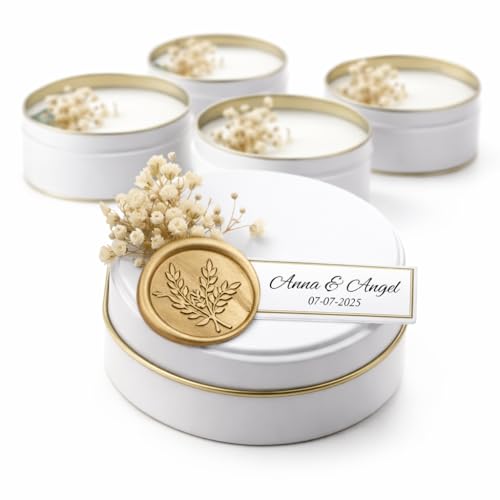
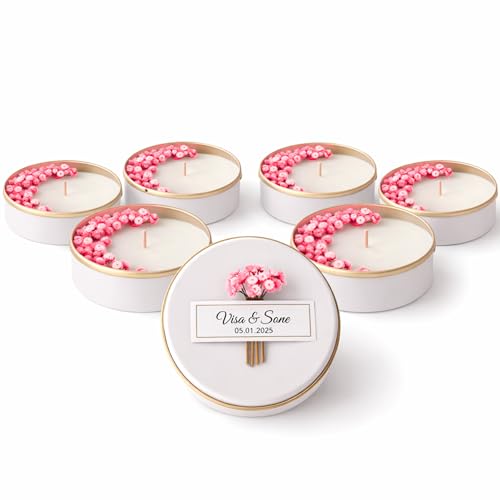
Elegant Wedding Candle Favors: Hand-poured soy candles with mini bouquets — perfect for weddings, showers, and engagement parties.

MASSIVE 8" × 14" LUXURY CANDLE – 300 OZ OF NATURAL COCONUT SOY WAX Make a statement with this Classic Big Ass Candle—our largest candle. This luxury candle delivers bold presence, elegant style, and room-filling fragrance. Perfect as a centerpiece for living rooms, great rooms, and upscale spaces.

Wax Weight: 3,632 g/ 128.12 oz
What You Really Get: Burn Time, Scent, and Air Quality?
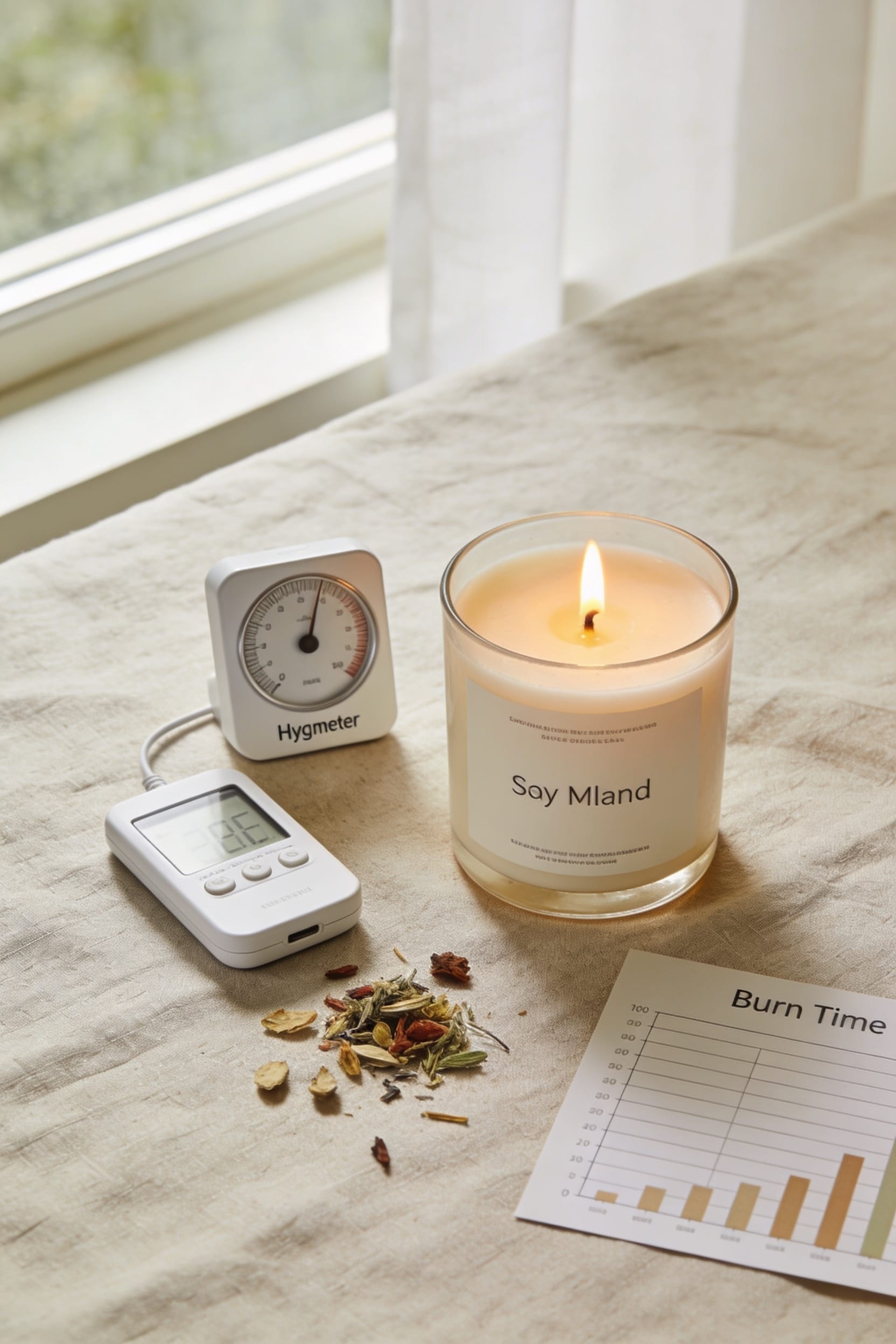
So what’s the actual difference when you light up a pure soy candle versus a blend? You’ll notice a longer burntime immediately—pure soy typically gives you 70-90 hours on a 17-ounce candle compared to paraffin’s shorter lifespan. That’s real money saved.
Now, the cleaner burnrate matters too. Pure soy releases roughly 90% less soot, which means your walls stay pristine and your air quality improves noticeably. You’re not inhaling benzene or toluene like you would with paraffin.
Here’s the thing about scent: pure soy distributes fragrance evenly without overwhelming a room. Blends often amp up scent throw artificially, which sounds great until you’re suffocating in vanilla. The trade-off? You’re potentially breathing paraffin fumes instead of enjoying cleaner air.
Recommended Products

SIGNATURE FRAGRANCE – HIGHRISE: Red currant, velvet plum & amber come together in this sophisticated blend, an elegant, uplifting fragrance that quickly fills large spaces. Noticeable yet never overpowering for daily ambiance
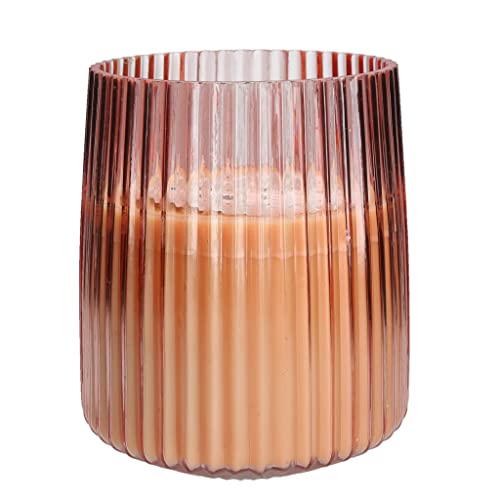
FRAGRANCE: Sweet Grace

BRIGHT, MOOD-BOOSTING FRAGRANCE EXPERIENCE - Discover the essence of pure joy as the bright harmony of yuzu uplifts your spirit. Allow the warmth and vibrancy of the red ginger to invigorate you as the comforting trail of lily, white woods, and musk wraps you in a cocoon of pure bliss.
Red Flags in Soy Candle Labels and How to Spot Them?
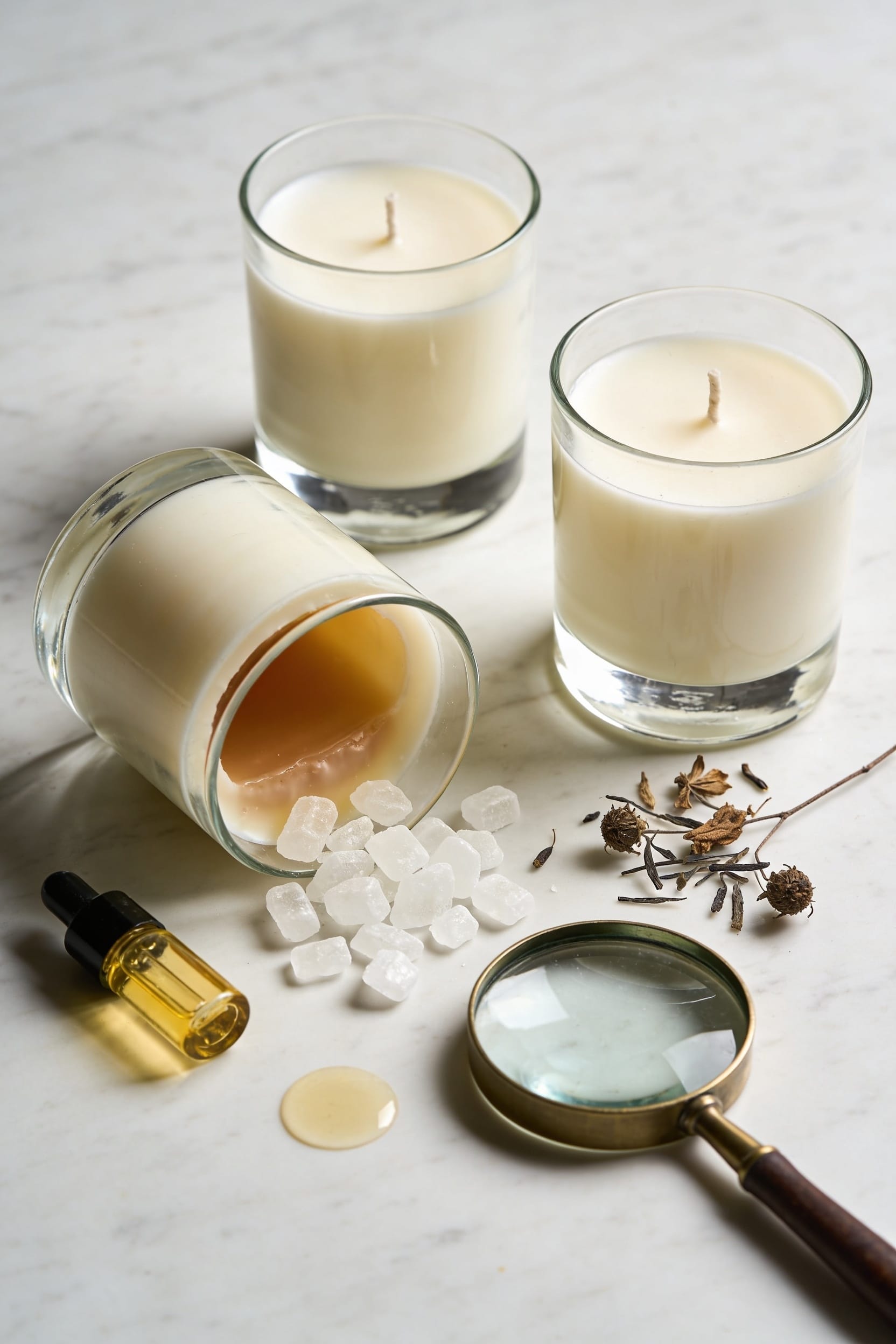
When you’re standing in front of a shelf of candles all claiming to be “soy,” that’s exactly when you need to slow down and actually read what’s in front of you—because the labeling game in this industry can be legitimately misleading. Look for “100% soy wax” explicitly stated. If you’re seeing just “soy candle” without specifics, that’s a red flag. Manufacturers can legally call something soy if it contains only 51% soy wax. Check ingredient sourcing details and demand label transparency. Hunt for paraffin-free claims, non-GMO certifications, and organic statements. Contact the maker directly if the label dodges composition details. You deserve to know exactly what’s burning in your home.
Recommended Products

Safer Ambience for Everyday Moments: Our sand wax candle design with self-extinguishing sand candle wicks minimizes fire risk if tipped and prevents hot wax spills; ideal for homes with pets or kids that won’t renounce stylish décor, offered in White, Red, Nude, and Black for cozy luxury

100% Pure Beeswax Candle: Hand-poured from naturally filtered beeswax for a rich, golden glow. These clean burning candles are free from paraffin, soy, and synthetic fragrances. Each 1-wick dripless pillar candle features natural cotton candle wicks and pure candle wax for a long-lasting burn and warm, cozy candle light.

Industrial 67 Lbs Capacity Wax Melting Pot Pro Package Model: Includes Large Spout, Lid, Pouring Pot, Stirring Spoon. Cutting-edge technology ensures rapid melting of soy wax, paraffin, coconut, and beeswax for efficiency. It's perfectly suitable for most Wax types and Melt & Pour soap bases. Its user-friendly temperature guage allows temperature adjustment from from low to high temperature which maintains roughly 100 - 350 degrees Fahrenheit.
Are Environmental Benefits Real or Marketing?
If soy candles are truly better for the environment, you’d think the marketing would dial it back—but it doesn’t, and that’s exactly where I want to dig in with you. Here’s the thing: most marketing claims skip the lifecycle analysis entirely. They’ll tout “renewable” and “biodegradable,” ignoring that soy production involves pesticides, deforestation, and fuel-heavy farming. Soy blend candles? Worse. They’re 51% soy minimum, mixed with paraffin or palm oil—negating those environmental gains you thought you were getting. Pure soy does burn cleaner with less soot, that part’s real. But calling blends “eco-friendly” is marketing theater. You’ve got to dig past the labels and ask manufacturers hard questions about sourcing and composition. Otherwise, you’re just buying a narrative.
Should You Buy Soy Blend Candles for Your Home?
Now that you’ve learned how soy blend marketing often oversells the environmental story, the real question becomes practical: does that mean you should skip them entirely, or are there situations where they actually make sense for your home?
Look, if you’re sensitive to indoor air quality or dealing with allergies, pure soy beats blends every time. That 90% reduction in soot genuinely matters for allergy safety in smaller spaces. But if home ambiance matters more than environmental purity, soy blends offer solid performance—longer burns than paraffin, better scent throw, and a smoother finish.
The honest take? Check labels ruthlessly. Seek “100% soy” explicitly. Blends work fine for casual candle lovers, but they’re not worth the premium price if you’re prioritizing health or sustainability. You’re paying more for marketing than actual benefits.
Recommended Products

MASSIVE 8" × 8" LUXURY CANDLE –150 OZ OF NATURAL SOY WAX Make a statement with this Baby Big Ass Candle—our smaller of the 2 two iconic oversized design. This luxury candle delivers bold presence, elegant style, and room-filling fragrance. Perfect as a centerpiece for living rooms, great rooms, and upscale spaces.

CENTERING, TRANQUIL FRAGRANCE EXPERIENCE - Take in the green tea's subtle yet clarifying note and let it guide you into a state of peace and balance. Soft lotus petals calm the mind while sandalwood and bergamot create a refreshing yet grounding aromatic experience.

Candles Gift Set: 100 scented candles in 10 fragrance varieties with 10 candles of each scent, including lavender, blueberry, lychee white tea, white tea orchid, rose sandalwood and more; Multiple fragrance options help satisfy different scent preferences for daily and gifting
Frequently Asked Questions
What Is the Exact Melting Point Range of Soy Wax Before Additives Are Mixed In?
I’ve found that pure soy wax’s melting range sits between 49-82°C before additives are introduced. This soy wax point naturally remains lower than paraffin, which is why manufacturers add stabilizers to raise it for peak candle performance.
How Do Chemical Stabilizers in Soy Blends Affect Candle Performance and Longevity?
Chemical stabilizers and burn modifiers I’ve found enhance your candle’s stability enhancers by raising the melting point, improving burn consistency and extending longevity. However, they’re often added to cut costs rather than improve quality.
Can Soy Candles Trigger Allergies or Sensitivities in People With Soy Allergies?
I’d advise caution if you’ve got soy sensitivity. While soy candles don’t release soy particles, allergen crossreactivity means you might experience reactions from hydrogenated soybean oil’s residual proteins. I’d recommend patch testing first.
What Is the Environmental Impact of Hydrogenating Soybean Oil for Candle Production?
I’d say hydrogenation’s energy intensity and processing emissions create environmental concerns. While soy’s renewable, the chemical transformation process consumes significant energy, offsetting some eco-benefits you’d expect from plant-based candles.
How Long Does It Take for a Soy Candle to Biodegrade After Disposal?
I’d say pure soy candles typically biodegrade within 6-12 months in ideal conditions, though landfill breakdown takes considerably longer due to limited oxygen. You’ll find blends degrade slower because of paraffin content.
Conclusion
Here’s the thing: you’re probably getting less soy than you think. Most “soy blend” candles contain anywhere from 51% to 80% soy wax—the rest is paraffin, palm, or coconut hiding in plain sight. But before you feel duped, consider this: that blend might actually burn better, hold scent stronger, and last longer than pure soy ever could. The real question isn’t whether it’s natural. It’s whether it works for you.