As an Amazon Associate, we earn from qualifying purchases. Some links on this site are affiliate links at no extra cost to you. Our recommendations are based on thorough research and editorial judgment.

Candle Tray Styling: How to Create a Perfect Vignette

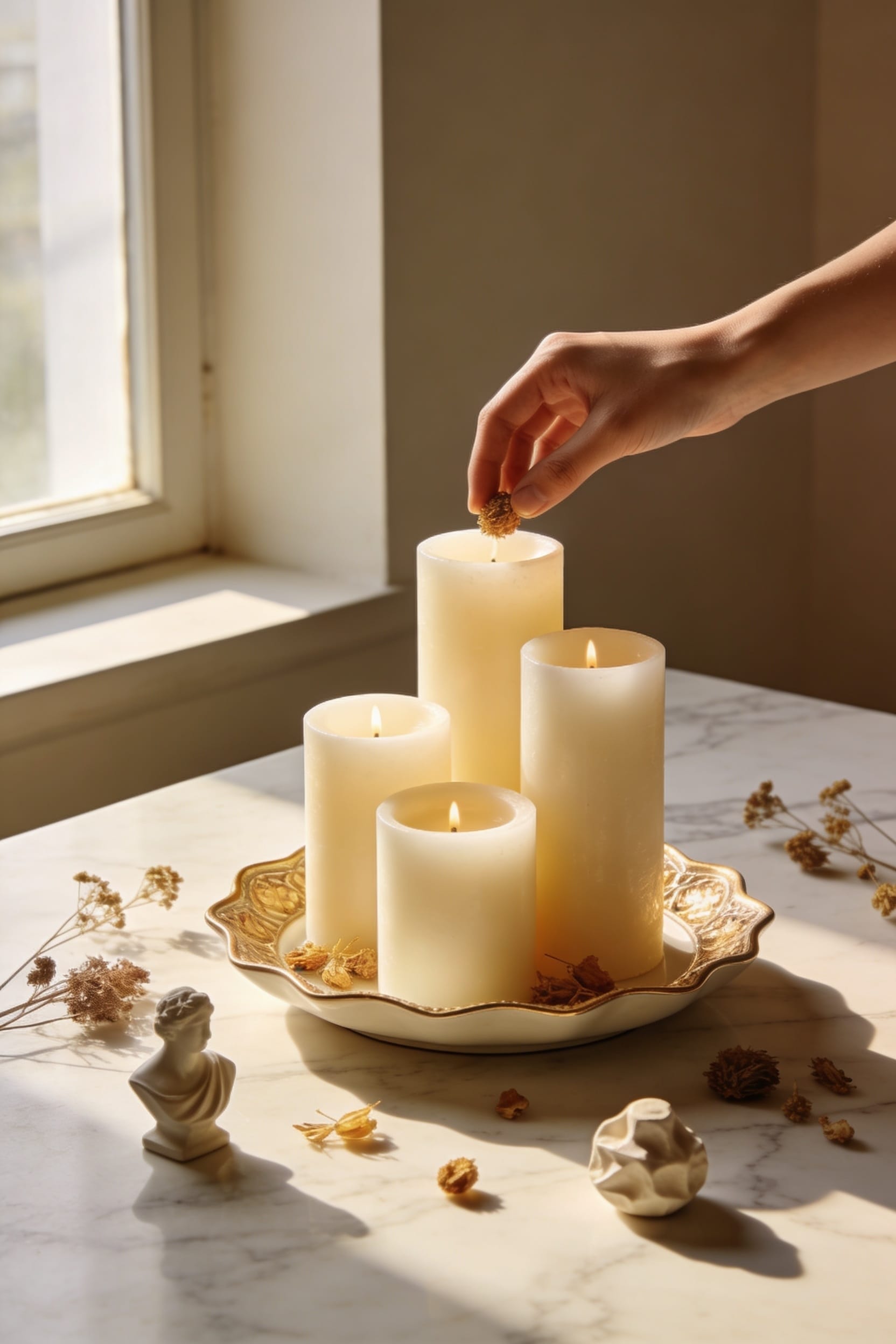
All right, here’s the thing: a candle tray vignette starts with choosing your foundation—wood, marble, or metal—then layering in odd-numbered groupings of varying heights using tapers, pillars, and votives. Now add textural contrast with natural accents like eucalyptus or moss, and don’t skip seasonal elements because they honestly transform the whole mood. Placement matters too—coffee tables, mantels, and window sills each create different visual impact. Get these fundamentals locked in, and you’ll discover how a few intentional tweaks completely elevate your display.
Key Takeaways
- Select a tray material—wood, marble, or metal—that matches your desired aesthetic and can withstand inevitable wax drips.
- Arrange candles in odd numbers at varying heights using tapers, pillars, and votives to create intentional visual balance.
- Layer textural contrasts by combining smooth ceramics with rough wood, sleek metal, and organic stone elements throughout.
- Add natural accents like dried moss, pinecones, eucalyptus, or citrus slices to break visual monotony and unify the display.
- Adapt your vignette seasonally with autumn copper and gourds, winter evergreens, spring pastels, or summer lavender arrangements.
Choose the Right Candle Tray as Your Foundation
Look, the tray you choose is everything—it’s literally the stage where your entire candle display happens, and I’ve learned this the hard way after arranging candles on surfaces that fought against me instead of worked with me. Wood, marble, and metal each bring their own vibe. I’m partial to reclaimed wood for that earthy feel, but marble alternatives work beautifully if you want something sleeker without the price tag. Consider your room’s aesthetic first, then pick accordingly. White trays? Perfect for spring pastels. Mirrored surfaces? They’ll amp up any glamorous moment. Whatever you choose, think about tray maintenance too—you’ll want something easy to clean since candle wax inevitably drips. Pick a material you’ll actually enjoy maintaining long-term.
Recommended Products

CONTENTS 17" Bamboo Serving Tray/Platter - 30 Units

Hurricane Candleholder: This hurricane lantern consists of a handmade glass shade held in a mirror polished stainless steel case. The glass is frost proof and the lantern is suitable for outside use

Candle Holder: This dramatic large gold-plated candleholder is made to stand on the floor. Tall and sinewy, the shape gives the illusion of movement, especially when reflecting the golden light of the lit candle
Create Visual Depth With Height and Texture
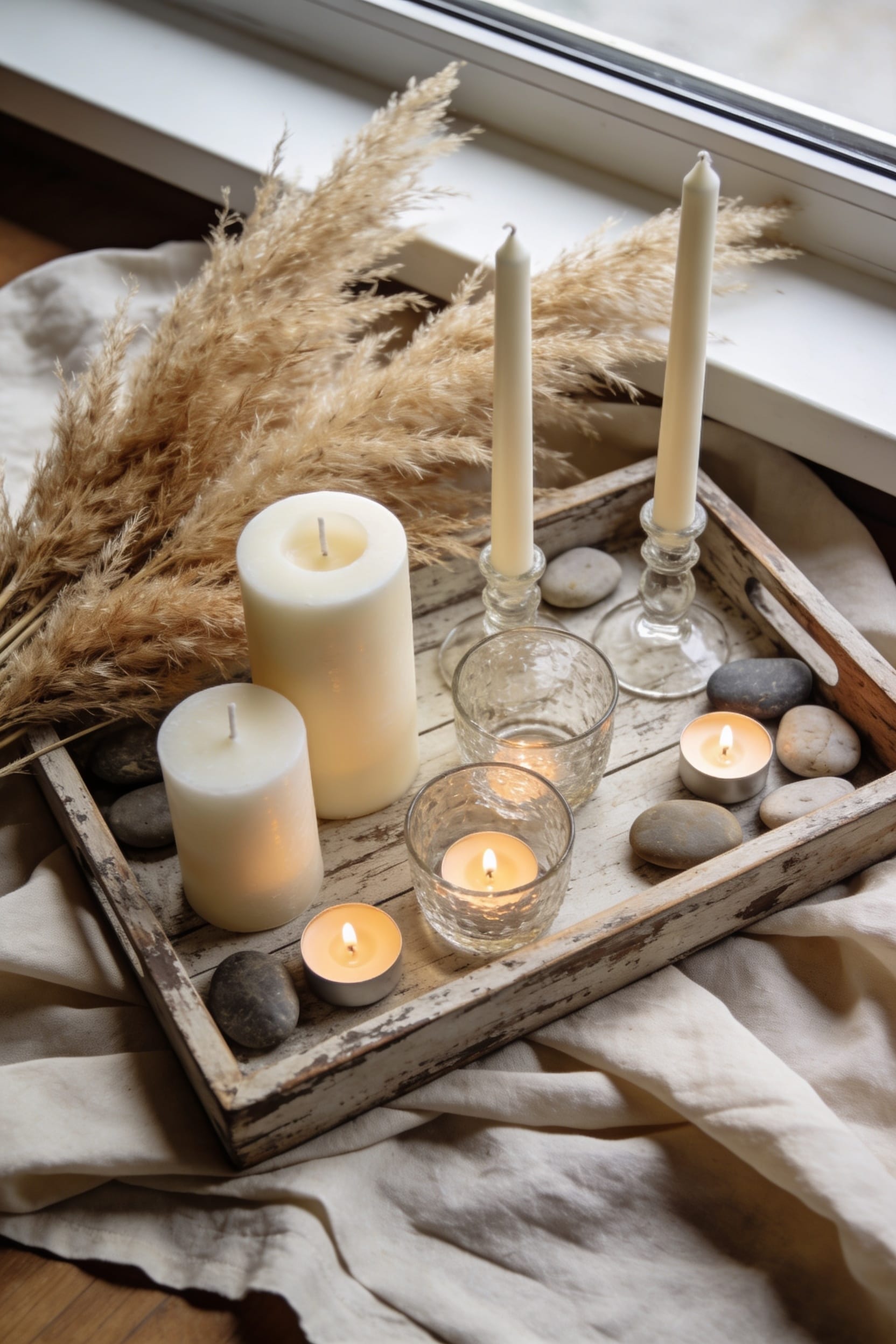
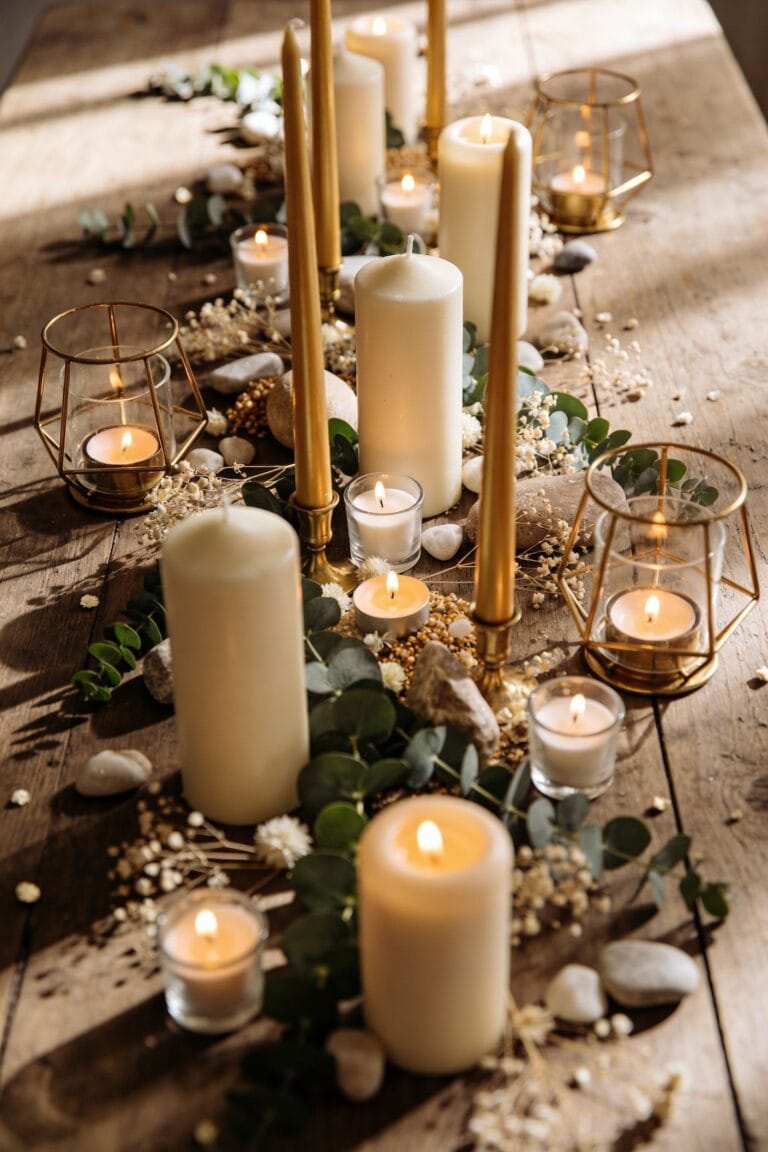
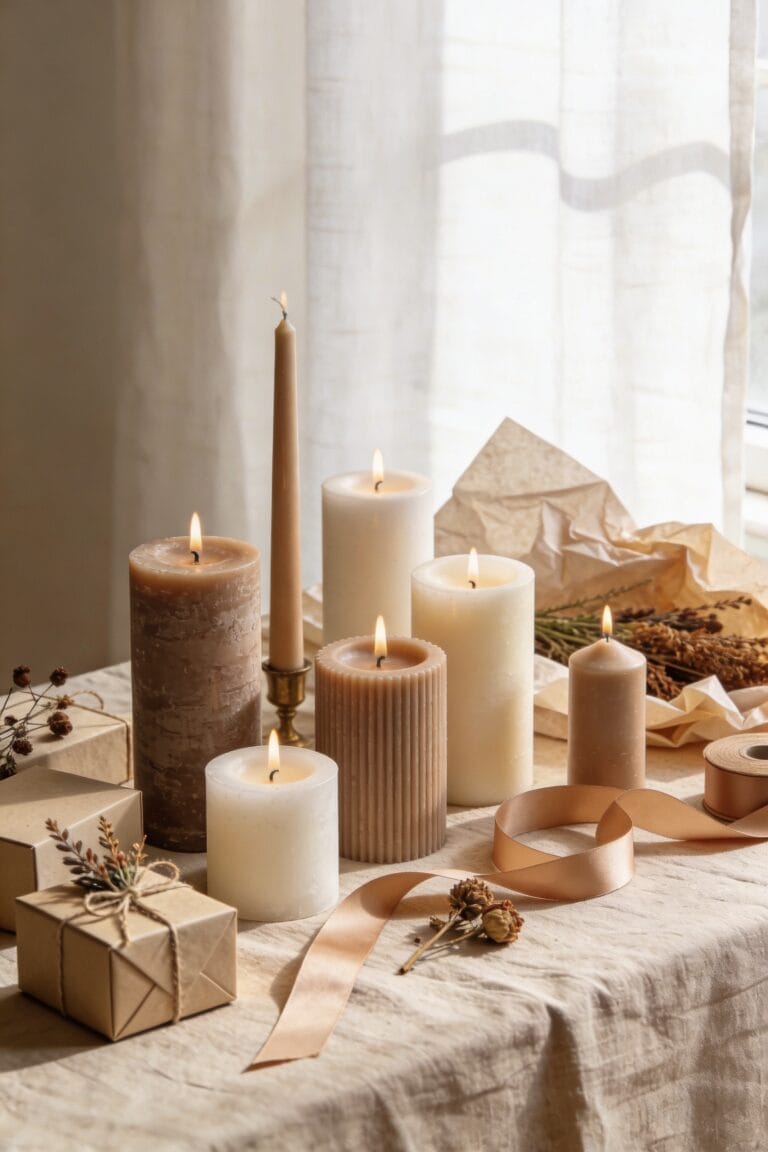
Once you’ve got your tray locked in, it’s time to think vertically—because a flat, uniform candle display is honestly kind of a snooze. I mix varying silhouettes by pairing tall tapered holders with shorter votives and pillars. The rule of threes works beautifully here: group candles at three different heights for that intentional-but-effortless vibe. Now, textural contrasts matter just as much as height. I’ll combine smooth ceramic with rough wood, sleek metal with organic stone. Add natural accents like pinecones or eucalyptus between holders to break up visual monotony. The depth you’re creating isn’t just about how things look—it’s about drawing your eye through the whole arrangement, making you actually want to linger.
Recommended Products

PRODUCT: Hosley's Storage Memory Book Boxes Set of 3 Red Gold Decor Accents Large 12", Medium 10" Small 8" High Geo Euro Farm Pattern

CONTENTS 17" Bamboo Serving Tray/Platter With Handles - 30 Units

【Premium Craftsmanship & Elegant Design】 Expertly crafted from high-quality wooden, this altar cabinet features a timeless Zen aesthetic. The intricate carvings and smooth finish make it a perfect buddhist altar cabinet that seamlessly blends traditional Chinese culture with modern home decor, creating a respectful space for your sanctuary
Arrange Candles in Odd Numbers for Balance
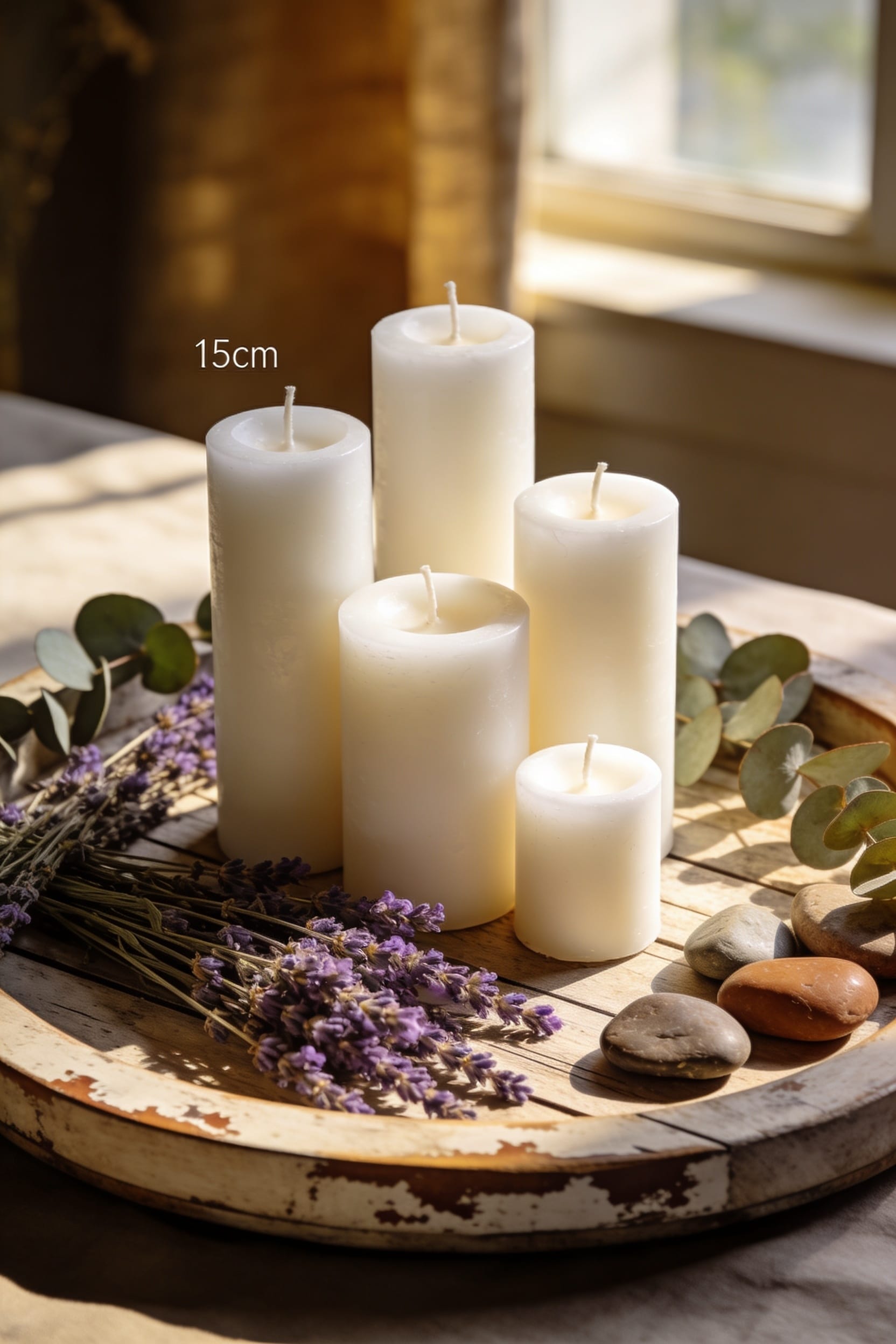
Now, here’s what makes this work: odd numbers eliminate the formal rigidity. You’re not creating mirror-image group symmetry that looks staged. Instead, you’re building layers of light and height that draw people in. Mix tapers, pillars, votives—whatever you’ve got. That scattered, organic placement? That’s where the magic happens. Trust me, once you go odd, you won’t look back.
Add Natural Accents and Seasonal Elements
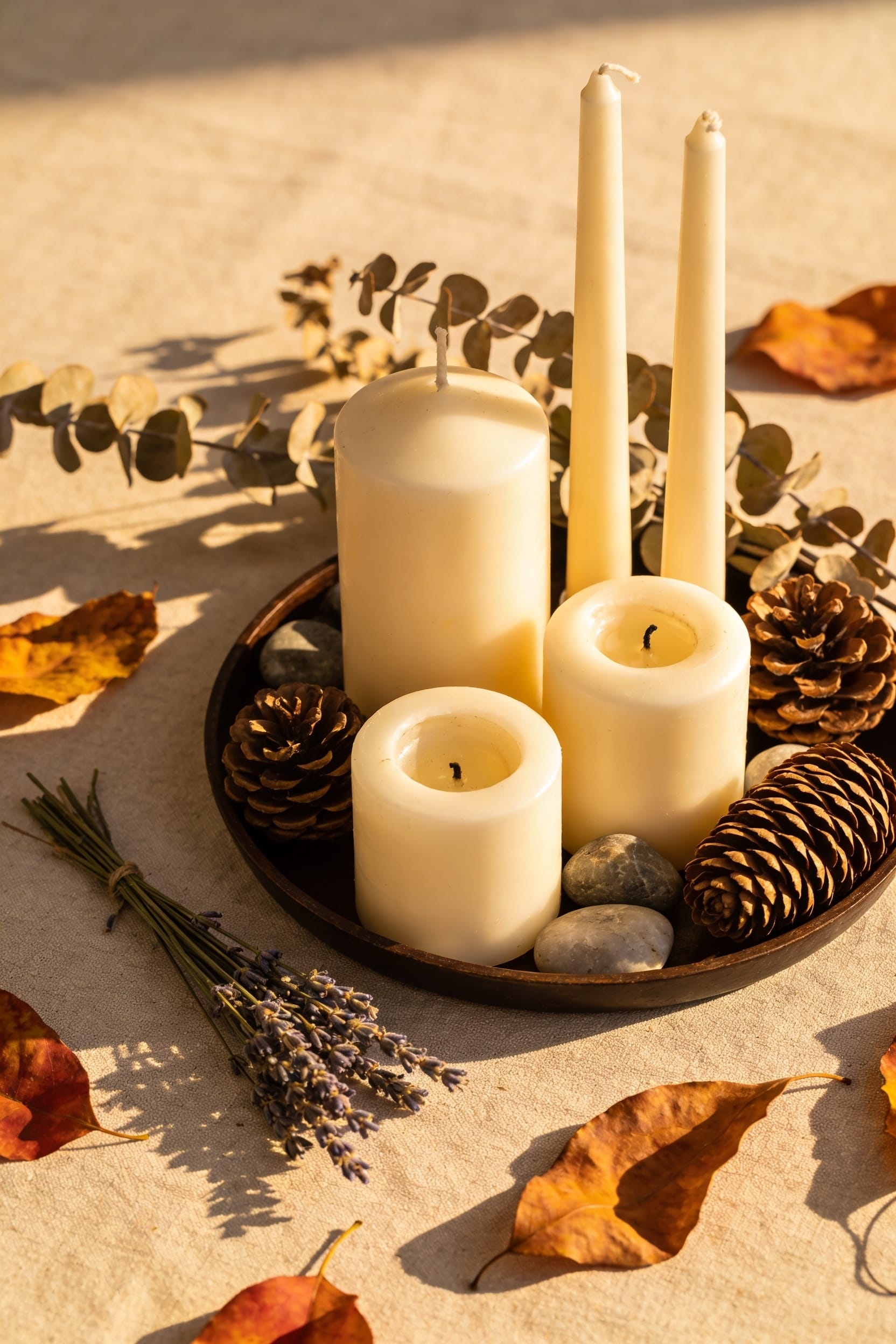
Because your candle tray’s already got the height variation and odd-number grouping down, what’ll really make it sing is layering in natural accents and seasonal elements that complement the glow without competing for attention. I like tucking dried moss around the base of holders—it softens everything and feels intentional. Citrus slices work beautifully too, especially in summer setups or winter displays with evergreens. Add pinecones, eucalyptus, or acorns depending on the season. For autumn, throw in copper elements and gourds. Winter calls for gold accents and fresh greenery. Spring? Pastel candles paired with dried florals or sea shells. These natural touches anchor your arrangement and give the eye something textural to land on beyond just the flame itself.
Recommended Products

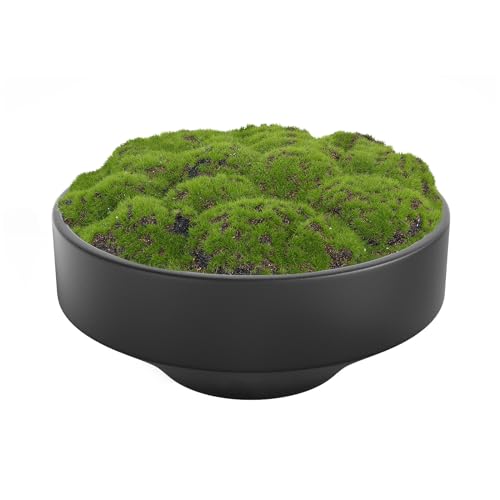
Natural Elegance for Every Setting - Bring timeless beauty to your space with SuperMoss Dried Spanish Moss. Perfect for garden decor, table decor, and wall art, it enhances everything from indoor planters to outdoor garden designs with its long-lasting natural texture.

This large concrete bowl boasts an impressive 12-inch diameter, 5-inch height, and a weight of just over 7 lbs.
Pick the Right Spot for Your Candle Display
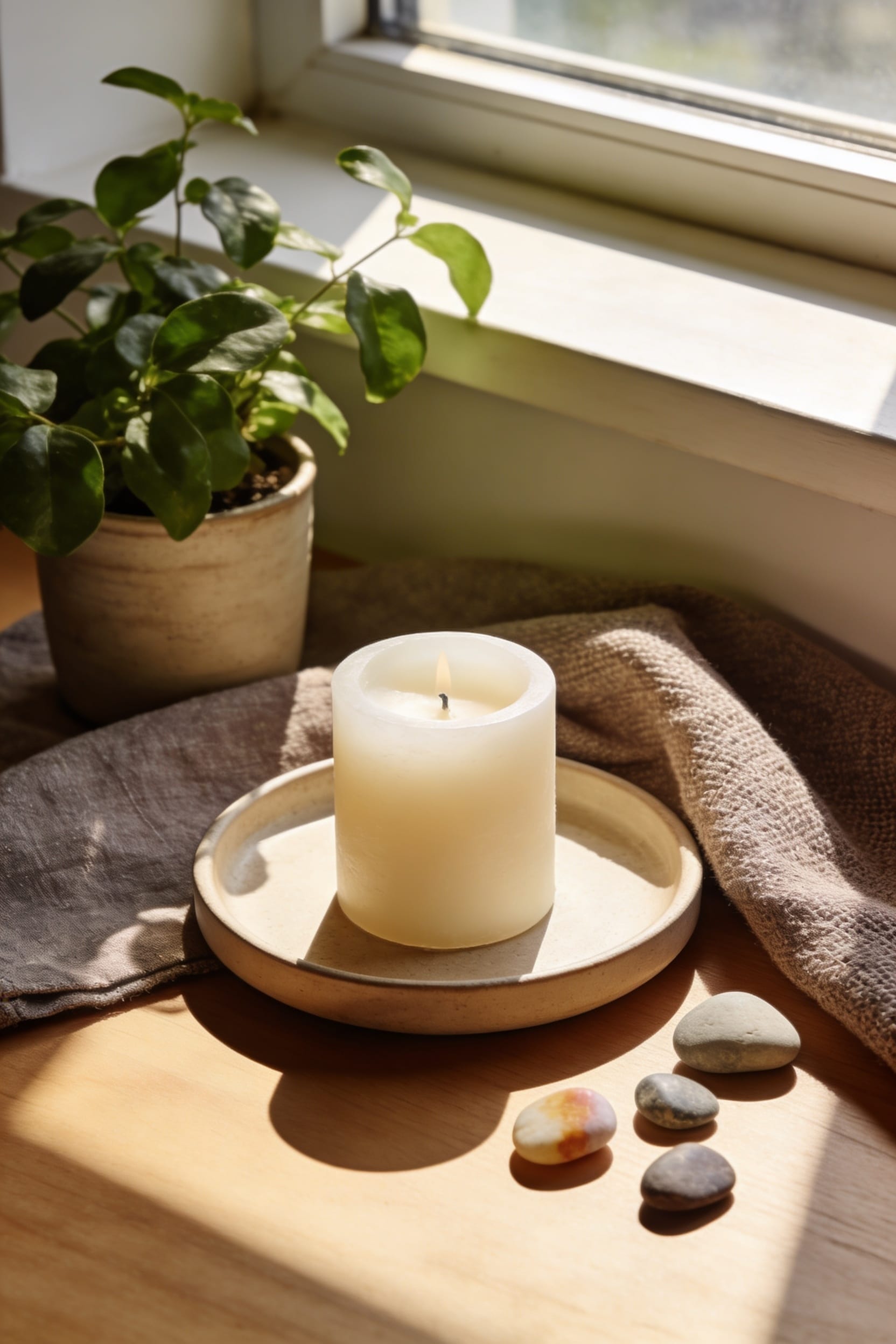
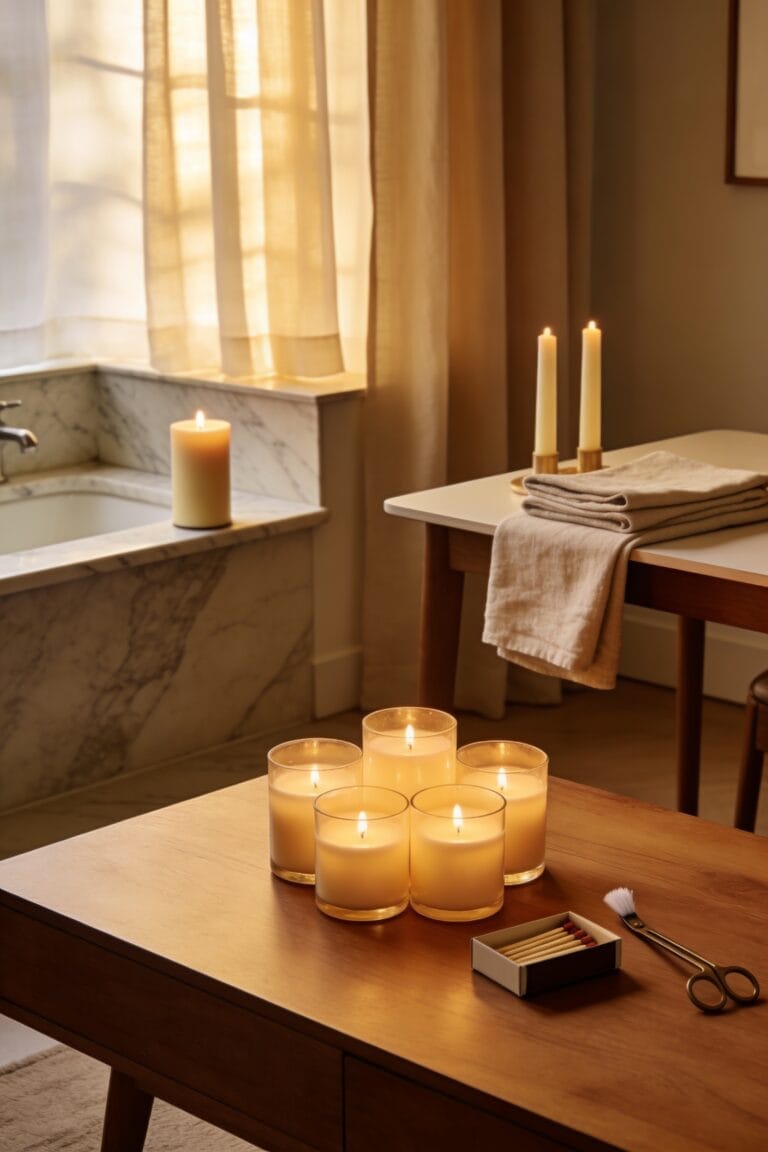
Across your home, there’s probably a half-dozen spots that’d look better with a styled candle tray, and I’m not exaggerating. Look, coffee tables and dining tables are obvious anchors for centerpiece displays. But don’t sleep on entryway consoles—they set the mood the moment someone walks in. Mantelpieces work beautifully too, especially when you layer height variation. Now, window sills deserve serious consideration. Natural light hits candles differently there, and it creates this whole atmospheric thing. Bedside tables are another gem, though I’d stick with unscented or lightly scented options so you’re not overwhelmed at night. Bathroom countertops? They’re underrated. Even bathroom shelves work. The key is choosing spots where you’ll actually enjoy them regularly. That’s what makes a display stick around instead of becoming clutter you eventually abandon.
Recommended Products

Commercial quality rechargeable LED Candle System

Handcrafted from Natural Marble: Each urli bowl is uniquely handmade, ensuring a premium and authentic design.

Vase: Beautifully handcrafted from stainless steel, the flat planes and curved edges of this flower vase are sculptural and contemporary. Add to your home décor with this decorative vase
Adapt Your Arrangement for Different Seasons
When the seasons shift, your candle tray doesn’t have to stay locked in one aesthetic—and honestly, rotating your display keeps things feeling fresh without requiring a total overhaul. All right, here’s what I do: autumn calls for copper accents and gourds nestled around your holders, while winter demands evergreens and gold touches for that cozy, festive vibe. Spring’s your moment for pastels paired with fresh florals or shells, and summer practically begs for lavender scattered across white trays. Beyond seasonal lighting adjustments, scent swapping matters too. Your autumn spice candles won’t feel right in June, so I rotate fragrances alongside décor. It’s the easiest way to keep your space intentional and seasonally appropriate without starting from scratch each quarter.
Recommended Products
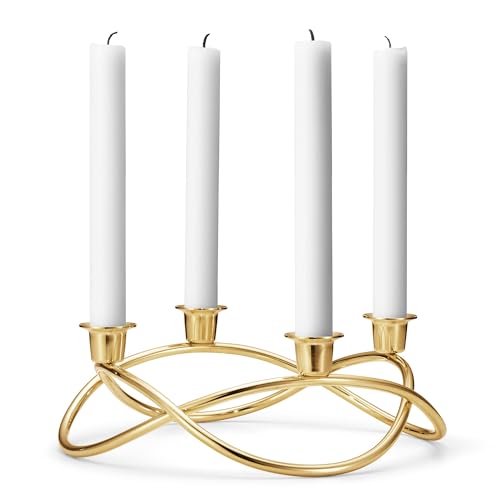
Candleholder: Evoking the shape of a traditional Christmas wreath but with the warm glow of real 18 karat gold plating, the Season Candleholder makes the seasonal decorations that much more special

ASSORTED GLASS ORNAMENTS – Gold, blue, and silver glass ball ornaments with reflective finish add color and shine to Christmas trees, wreaths, garlands, and seasonal displays.

Beauty meets function in this "Old World" inspired mango wood lazy susan prettily displayed on your table
Frequently Asked Questions
How Often Should I Change or Refresh My Candle Tray Arrangement?
I’d recommend revitalizing your candle tray with seasonal rotations every few months. You can also do scent-free swaps monthly, switching out candles and natural accents while keeping your base tray constant for an effortless updated look.
What’s the Best Way to Clean and Maintain Candle Trays Long-Term?
As they say, “An ounce of prevention’s worth a pound of cure.” I’d recommend gentle polishing with appropriate cleaners for your tray’s material, then store it protectively during off-seasons to preserve its finish long-term.
Can I Mix Different Candle Scents in One Tray Display?
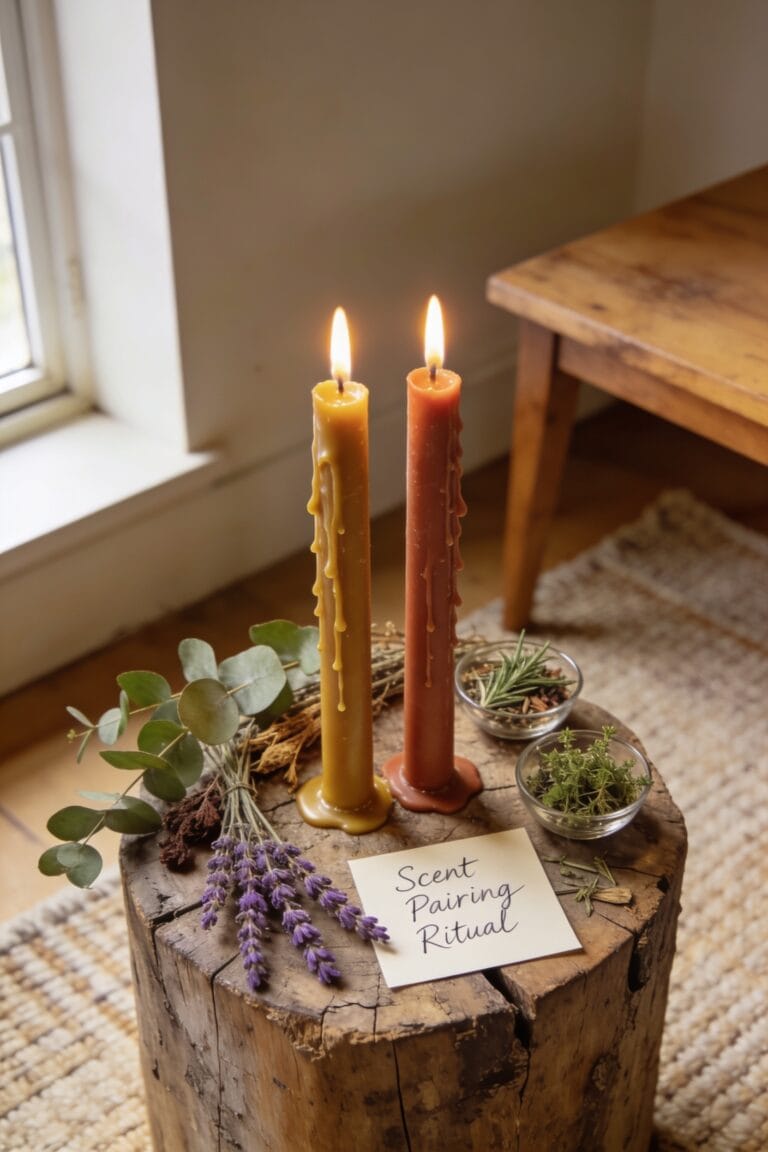
Yes, you can mix different candle scents through scent layering, but I’d recommend choosing complementary fragrances for fragrance harmony. Group similar scent families together—florals with florals, citrus with citrus—to create a cohesive, balanced aromatic experience.
How Do I Safely Use Real Candles Versus Flameless Alternatives Indoors?
I’d say real candles are flickering poetry, but they demand respect. I’d prioritize ventilation placement to prevent smoke buildup, practice wick snuffing after two hours, and position trays away from drafts. Flameless alternatives eliminate these safety concerns entirely.
What’s the Ideal Size Ratio Between Tray and Candle Holders?
I’d recommend your tray should be two to three times larger than your tallest candle holder. This scale balance creates visual hierarchy, preventing holders from overwhelming the space while ensuring they’re proportionally prominent enough to anchor your entire display.
Conclusion
Your candle tray‘s like a garden you’re tending—each element needs room to breathe, yet they’re all reaching toward the same light. You’ve planted the foundation, layered in texture, balanced odd numbers like nature does. Now you’re watching it grow with seasons, with intention. That’s when styling stops being decoration and becomes something honest: a small corner of your home that actually reflects who you are. That’s the real vignette.