As an Amazon Associate, we earn from qualifying purchases. Some links on this site are affiliate links at no extra cost to you. Our recommendations are based on thorough research and editorial judgment.


How Wide Should a Candle Be? Diameter Buying Guide

All right, here’s the thing: candle width determines whether it actually performs in your space. Standard tapers run about 7/8 inch, skinny tapers around 0.25 inch, pillars from 1.5 to 6 inches, and jar candles typically 7 to 20+ ounces depending on wick count. Wider candles create bigger wax pools, longer burn times, and better scent throw, but you’ve got to match that width to your room size and holder’s seat diameter or you’ll end up with wobbling, tunneling, or visual chaos. Getting specific about your space changes everything.
Key Takeaways
- Standard tapers measure 7/8 inch at the base; skinny tapers are 0.25 inches; pillars range 1.5–6 inches diameter.
- Match candle width to room size: small rooms need skinny tapers, medium spaces use 7–11 ounce jars, large rooms need multi-wick candles.
- Wider candles create bigger wax pools, longer burn times, and better fragrance throw across larger spaces.
- Measure your holder’s seat diameter and aim for a snug fit—not too tight, not too loose—for stability.
- Wider diameters require proportionally thicker or multiple wicks to burn evenly and perform consistently.
Understand Candle Widths by Type
All right, let’s break down the diameters that actually matter when you’re shopping for candles or trying to figure out what’ll fit in that holder gathering dust on your nightstand. Standard tapers sit around 7/8 inch at the base, while skinny tapers measure just 0.25 inch—totally different vibes. Pillars range from 1.5 to 6 inches depending on what you’re going for. The key is understanding how candle tapering affects your burn. Wick placement matters too; it’s gotta be centered for even melting. Votives clock in at 1.5 inches, perfect for tight spaces. Container candles vary by vessel size. Honestly, measure your holder’s seat diameter first. That’s your anchor point for everything else.
Recommended Products

PRODUCT: Hosley's Storage Memory Book Boxes Set of 3 Red Gold Decor Accents Large 12", Medium 10" Small 8" High Geo Euro Farm Pattern

PRODUCT: Hosley 12" High Resin Incense Burner Wolf.
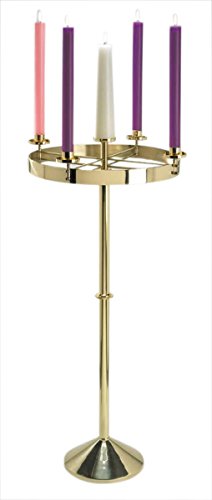
Solid Brass - 48 Inch (H) - 21 Inch (Dia Top) - 12 Inch (Dia Base)
Measure Your Holder’s Seat Diameter

Grab a ruler or measuring tape and find your holder’s seat diameter—that little circular opening where the candle actually sits. I learned this the hard way after buying beautiful tapers that wobbled like drunk sailors in my vintage candlesticks. You want a snug fit, not so tight you’re forcing the candle in, not so loose it’s tilting around. Standard tapers need about 7/8 inch, while pillars might demand 2 to 3 inches depending on their width. This matters for holder stability, especially if you’re moving things around during seasonal aesthetics changes. Measure twice, buy once. Your candle collection will thank you, and your holders won’t look ridiculous with ill-fitting candles sitting crooked inside them.
Recommended Products

Ocean Elegance - This stunning octopus candelabrum adds a touch of marine beauty to your tablescape.

Sturdy and durable with a stable center of gravity, noble and elegant style, it is perfect for your home decoration, placed in the living room, bedroom, dining table, mantel, creating a comfortable and warm atmosphere.

REUSABLE CANDLE HOLDERS FOR CANDLELIGHT SERVICES - Enhance your church vigils, memorial services, and Christmas Eve celebrations with Concordia Supply's reusable plastic candle holders. Designed to protect hands from hot wax, these holders provide a safe and serene atmosphere for any event. (Wax candles are sold separately)
Match Width to Room Size and Burn Performance
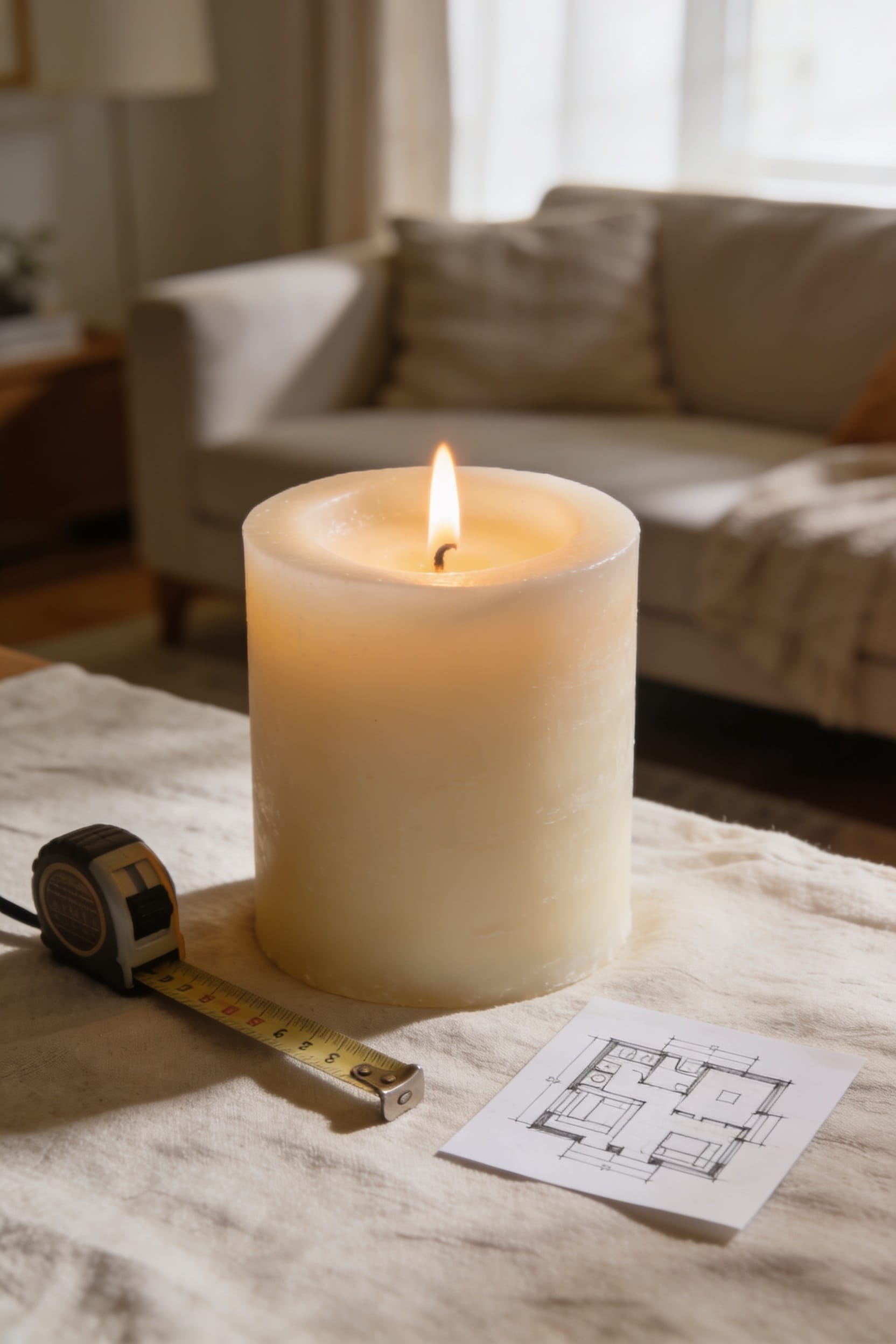
Once you’ve nailed the fit, it’s time to think bigger—literally—because candle diameter and room size are deeply connected, and getting this wrong means you’re either drowning in scent or wondering why your expensive candle barely registers across the space.
Small rooms? A skinny taper or votive works beautifully. Medium spaces need that 7-11 ounce single-wick jar. Large rooms demand 14-20+ ounce multi-wick candles for even distribution. The visual proportion matters too—a tiny candle looks lost on a dining table, while an oversized pillar overwhelms a bathroom shelf.
Think of it like room acoustics for scent. A wider base burns hotter, throws fragrance further, and performs longer. Match your candle’s diameter to your square footage, and you’ll finally get the balance you’re after.
Recommended Products


Candle Width’s Effect on Burn Time and Scent Throw
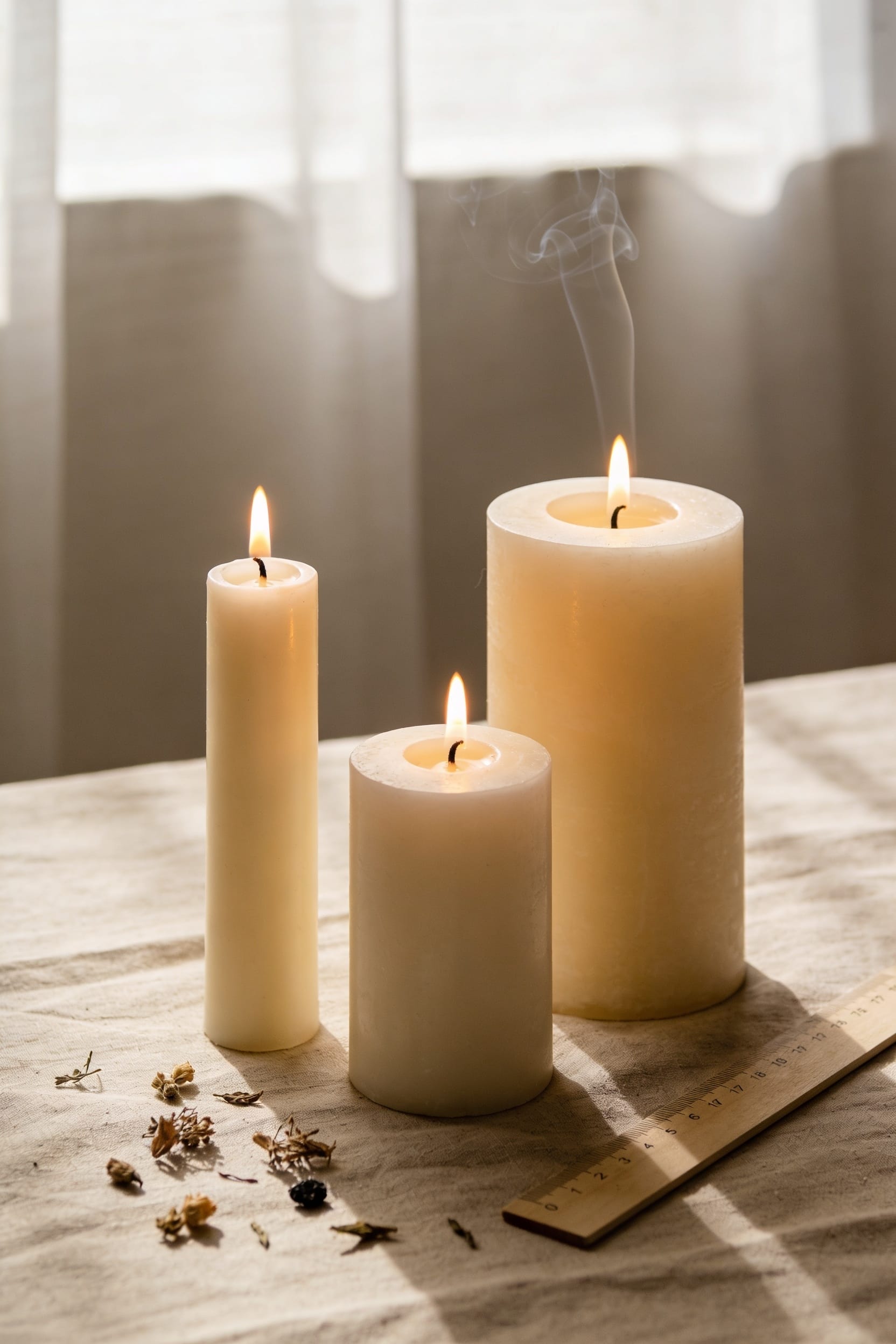
Widening your candle’s diameter does more than just change how it looks on your shelf—it fundamentally shifts how long it’ll burn and how far that scent travels through your space. Larger diameters mean bigger wax pools, which translates to longer burn times and more consistent fragrance release. The wick chemistry matters here too. A wider candle needs a proportionally thicker or multi-wick setup to burn evenly across that expanded surface. Your wax formulation plays an equally critical role. Quality wax blends—whether soy, paraffin, or coconut-based—directly influence how efficiently that diameter burns and how powerfully your scent throws into the room. Get this balance right, and you’ve got a candle that performs exactly how you want it to.
Width by Candle Type

Different candle types come in wildly different widths, and that’s not just a design choice—it fundamentally changes how you’ll use them. Tapers are your narrow friends at 0.25 to 1 inch diameter—elegant but quick-burning. Votives and tealights cluster around 1.5 inches, perfect for bathrooms where you want fragrance without overwhelming the space. Pillars range from 1.5 to 6 inches, letting you scale up for larger rooms and seasonal trends toward statement pieces. Jar candles adapt to their containers, typically 7 to 11 ounces for bedrooms and kitchens. I’ve learned that matching width to room size matters more than following color temperature preferences. Wider candles simply throw scent further and burn longer, so choose accordingly.
Recommended Products

Practical Decoration Set: you will get 36 pieces of glass candle vases and 36 pieces of ivory white pillar candles, easy for you to use in daily life or other important occasions that need some romantic atmosphere

Practical Decoration Set: you will get 30 pieces of candle vases and 30 pieces of ivory candles, easy for you to use in daily life or other important occasions that need some romantic atmosphere

Practical Decoration Set: you will get 54 pieces of candle vases and 54 pieces of ivory white candles, easy for you to use in daily life or other important occasions that need some romantic atmosphere
Measure Candle Width and Test the Fit
Now, getting the width right comes down to one simple move: you’ve got to actually measure before you buy. I learned this the hard way, forcing candles into holders that were either too snug or embarrassingly loose. Grab a ruler and measure your holder’s seat diameter—that’s where the candle actually sits. Then check your candle’s base. You want a snug fit without forcing it; that’s where proper base tapering matters, especially with tapers that narrow slightly. Look at wick alignment too. If your candle’s off-center in the holder, you’ll get uneven burns and wasted wax. I always grab the candle, position it where it’ll live, and honestly assess whether it looks balanced and secure.
Recommended Products

【Product Size】: the total height of this floor candle holder is 37.7inches, the heights of the 10 arm floor candelabras are 16.1/20/26.3/31.8/37.7 inches respectively, each tall floor candle holder contains 10 removable acrylic shades, 8.9 inches tall, 2 inches in diameter (excluding candles).The base diameter is 11inches wide provides stable support. It is suitable for candles with a diameter of 0.82 inches LED pillar candles to create a beautiful atmosphere for candlelight dinners and parties.

About Product Size: Package:16Packs Floor Candle Holders Tall Set. Material: Metal. Color: Gold Style: 7-Arm and Thick Round Base Overall Height: 48" Arms Heights: 24.6", 28.5", 32.4", 36.2", 40.2", 44", 48",Base Size: 9.36"Dia. Candle Cups Size:0.98” Dia. Note: Candles and other accessories are not included!Due to different light settings the actual color might vary a bit from the pictures.The 4 piece floor candle holders tall set can meet the decoration needs of weddings, restaurants, parties and various scenes

【Stunning 5-Arm Acrylic Candelabra Centerpiece】:Elevate any table with this 45.7" tall candelabra candle holder! Its 8.6" weighted base ensures stability while holding 0.8" LED taper candles (not included) or LED lights, creating mesmerizing candelabras centerpieces for weddings and dinners.
Frequently Asked Questions
Can I Use a Candle With a Slightly Larger Diameter Than My Holder?
I wouldn’t recommend it. A larger diameter creates safety considerations, compromises heat distribution compatibility, and risks damaging your holder. You’d need wick trimming adjustments or holder modifications, which defeats the purpose of proper fitting.
Do Different Candle Wax Types Affect the Ideal Diameter for My Space?
I’d say wax type subtly influences your ideal diameter choice. Different wax blends affect burn rate and melt pool behavior, which determines how efficiently fragrance disperses in your space, ultimately guiding proper sizing decisions.
How Does Candle Diameter Impact the Color and Ambiance in a Room?
I’ve found that larger candles create broader light diffusion, casting softer shadows that enhance mood intensity. Wider diameters produce warmer color temperature, while smaller candles create visual contrast through concentrated glow, fundamentally shaping your room’s ambiance.
What Diameter Candle Works Best for Outdoor Spaces and Windy Environments?
I’d recommend wider pillars—think sturdy sentinels against nature’s breath. You’ll want 3-6 inch diameter candles with wind resistant wicks in outdoor safe containers to withstand blustery conditions and maintain steady flames.
Should I Choose Candle Diameter Based on Aesthetic Preference or Performance Only?
I’d recommend balancing both factors. You’ll want aesthetic balance with your decor, but don’t ignore performance tradeoffs—a candle’s diameter directly affects burn time, scent throw, and stability. Choose one that looks good while delivering the fragrance coverage you need.
Conclusion
Now that you’ve got the width playbook down, here’s what matters: measure your holder like you’re using a telegraph to send urgent candle specifications across the country. Match that diameter to your space and burn goals. A candle that’s too narrow? It’ll tunnel and waste wax. Too wide? You’re drowning in scent and waiting forever for it to burn down. Get this right, and you’ve nailed half the candle game already.