As an Amazon Associate, we earn from qualifying purchases. Some links on this site are affiliate links at no extra cost to you. Our recommendations are based on thorough research and editorial judgment.

Candle Mood Lighting: How to Set the Perfect Atmosphere

All right, here’s the thing—candlelight actually syncs your brain waves toward relaxation, lowering cortisol and triggering that rest-and-digest response. You’ll want to pair the right scent (lavender-vanilla for bedrooms, eucalyptus for bathrooms) with strategic placement: group varying sizes on stable surfaces at eye level, keep them away from drafts, and use mirrors to amplify that glow. Wooden wick candles add soothing crackling, while spacing multiple candles at least twelve inches apart prevents overheating. Trim wicks to a quarter inch before each burn. There’s more to mastering this than most people realize.
Key Takeaways
- Group candles in varying sizes on stable trays at eye level to create visual interest and distribute light evenly throughout your space.
- Choose calming scents like lavender and chamomile for bedrooms, eucalyptus for bathrooms, and woody notes for living rooms to establish atmosphere.
- Light a designated wind-down candle at the same time nightly during stretching or journaling to signal relaxation to your brain.
- Position candles near mirrors or light walls to magnify their glow while keeping them away from drafts and flammable materials.
- Trim wicks to a quarter inch before burning, space candles twelve inches apart, and never leave them unattended for safety.
Why Candlelight Calms Your Brain
When you light a candle and watch that flame flicker, your nervous system doesn’t just notice the pretty glow—it actually responds to it. That gentle, dancing light triggers neural entrainment, where your brain waves sync with the flickering rhythm, naturally slowing your mental activity. Simultaneously, parasympathetic activation kicks in—your body’s rest-and-digest response engages, lowering cortisol and easing tension. I’ve noticed this shift in myself countless times: the moment I light a candle, my shoulders literally drop. The warm, soft illumination signals safety to your brain. Unlike harsh overhead lights that keep you mentally alert, candlelight creates an environment where your mind can actually settle. You’re not forcing relaxation; you’re just creating the conditions for it to happen naturally.
Choose the Right Candle Type and Scent for Your Mood
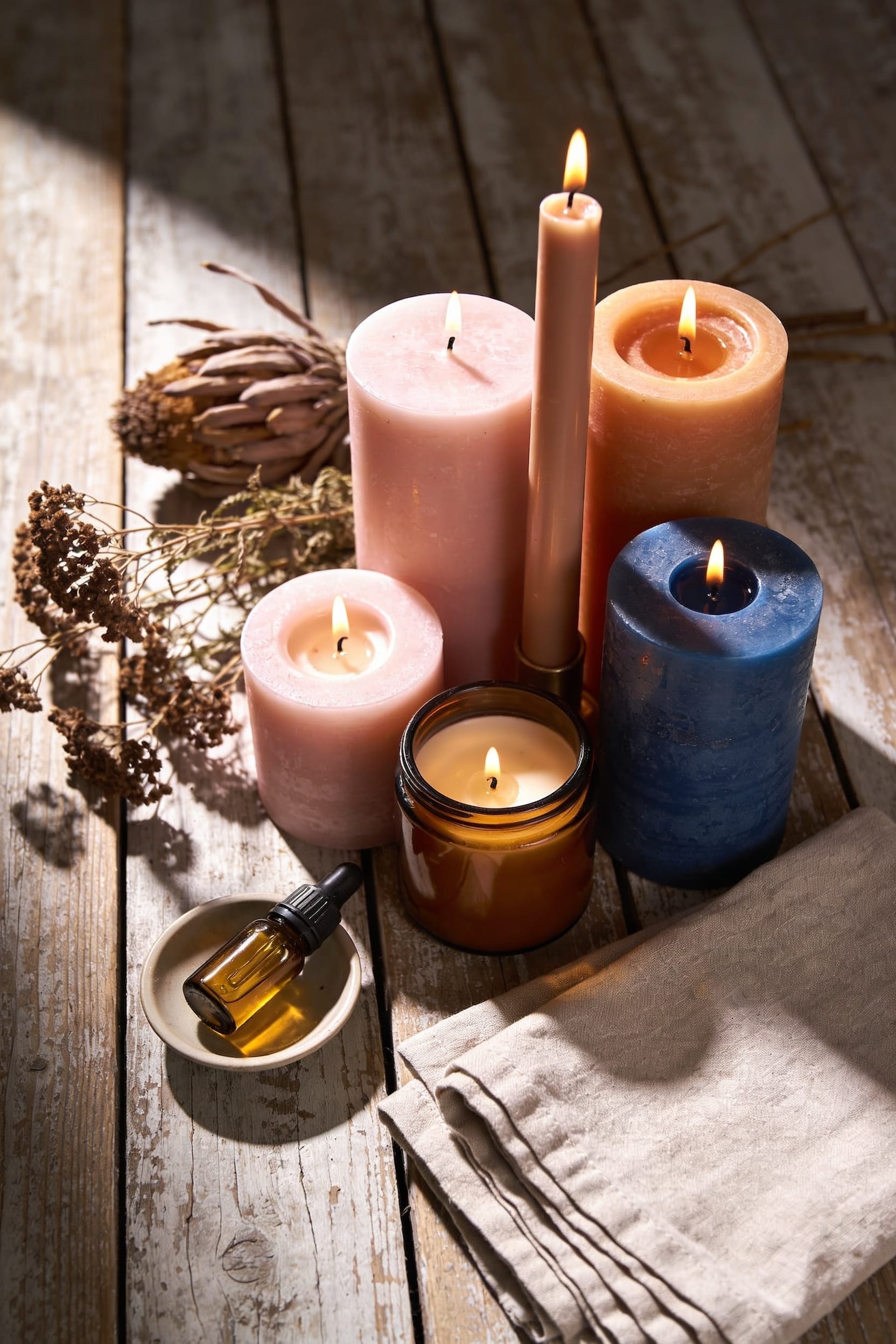
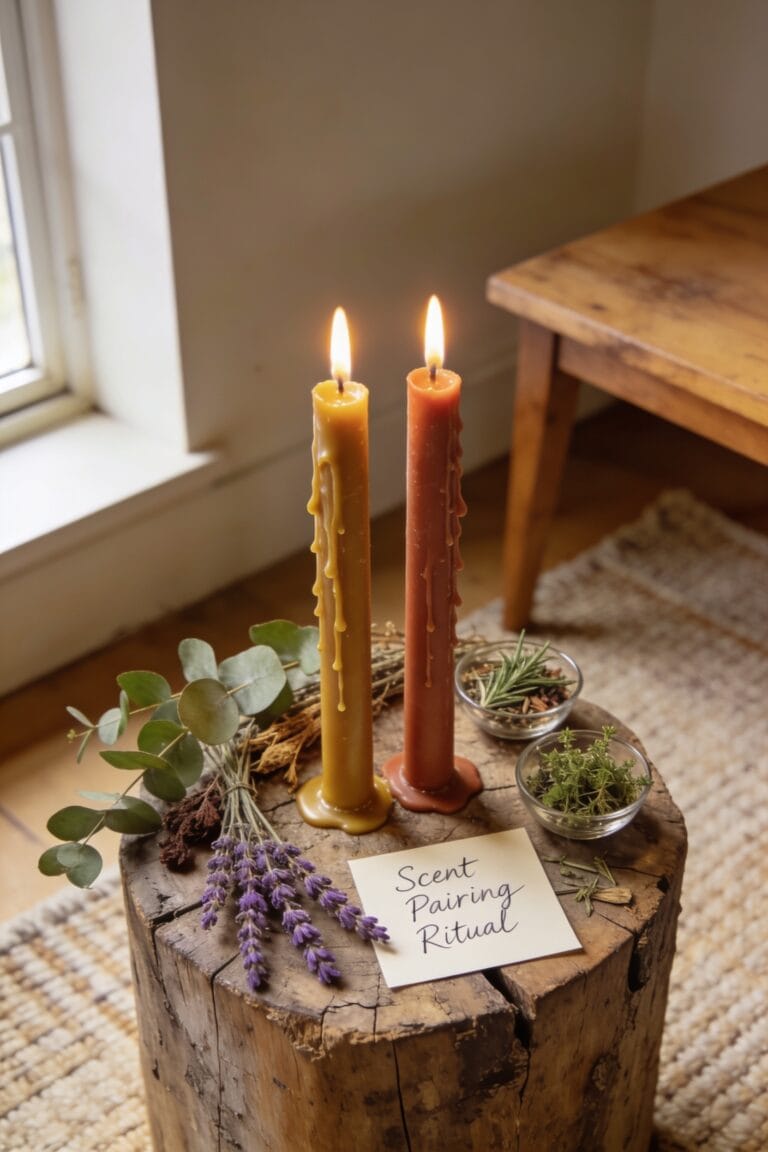
I’ve learned this the hard way. Wooden wick candles deliver those crackling aesthetics that genuinely soothe me, while soy candles offer that smooth, clean burn I crave for minimalist spaces. But here’s where scent layering changes everything. Pairing lavender with vanilla creates depth that single-note scents can’t touch. Unifying scents like wood or oakmoss foster calm environments, while citrus energizes when you need it. Mix scented with unscented candles to avoid competing aromas clashing together. The right combination transforms your space entirely.
Recommended Products

MASSIVE 8" × 14" LUXURY CANDLE – 300 OZ OF NATURAL COCONUT SOY WAX Make a statement with this Classic Big Ass Candle—our largest candle. This luxury candle delivers bold presence, elegant style, and room-filling fragrance. Perfect as a centerpiece for living rooms, great rooms, and upscale spaces.

UNIQUELY HANDMADE: Perfect for a relaxing ambiance! Each scented candle is crafted from real wood, providing a unique and sustainable touch. Heart shape elevates aesthetic!

Wax Weight: 3,632 g/ 128.12 oz
Where to Place Candles for Maximum Effect
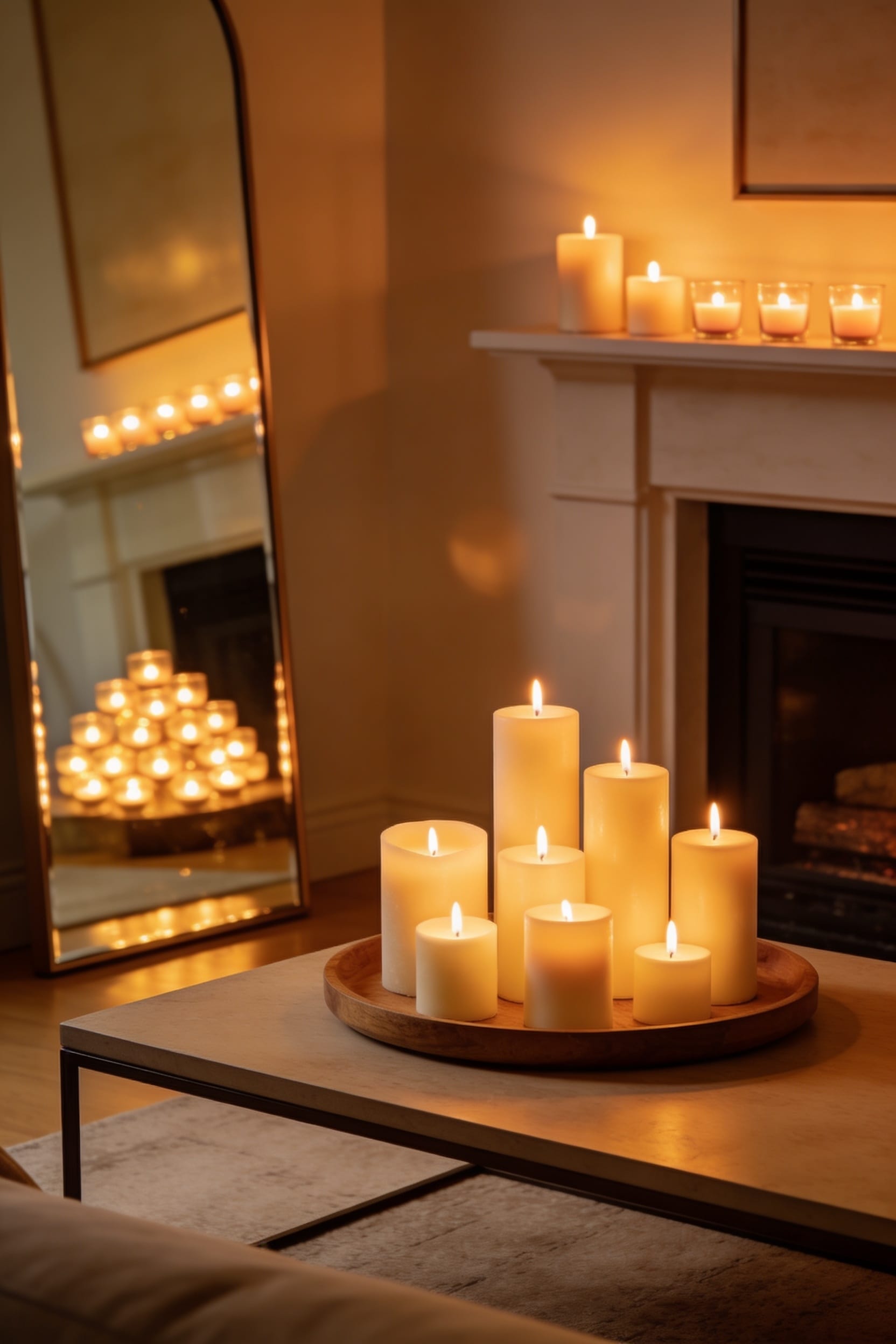
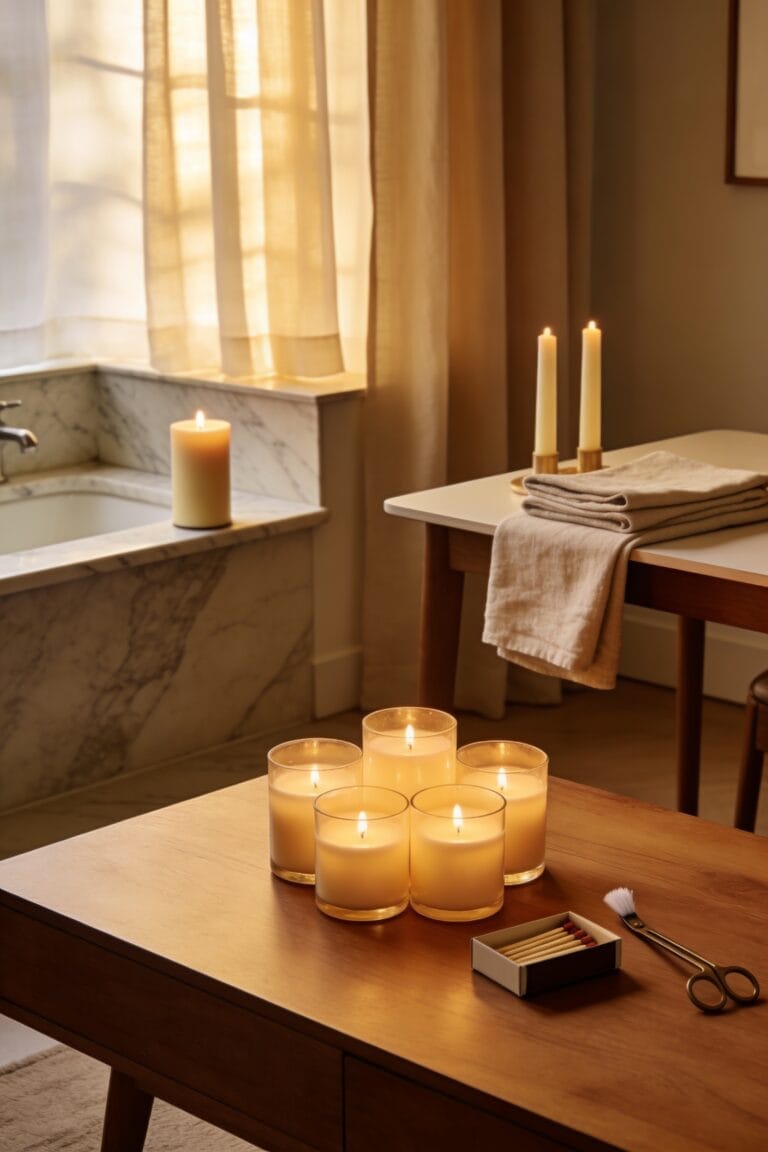
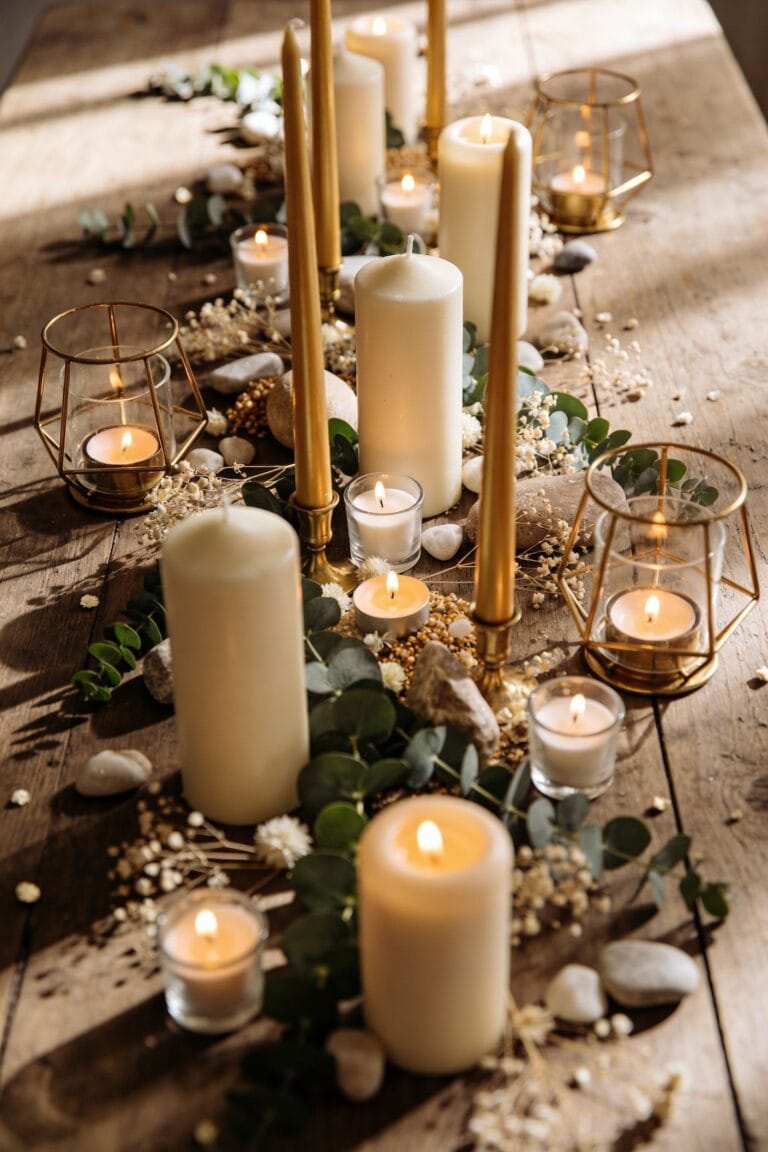
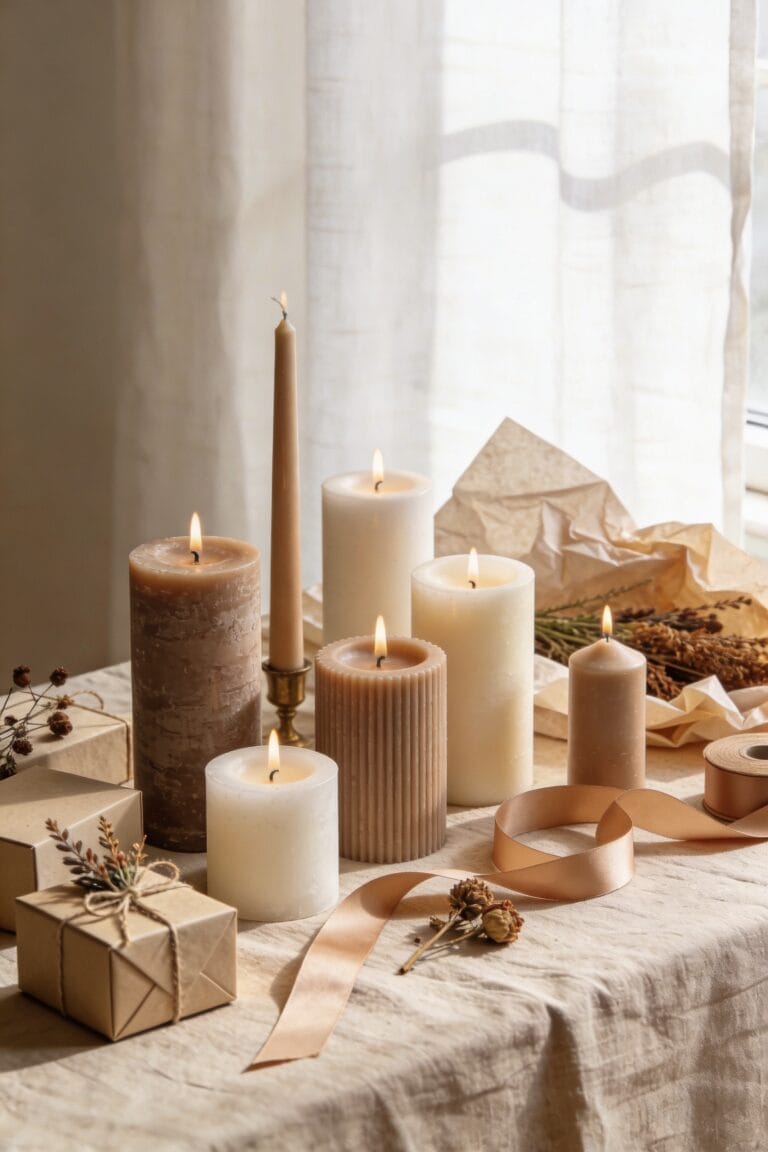
Now that you’ve nailed down your candle and scent combo, placement becomes your secret weapon—and honestly, this is where a lot of people leave money on the table. Strategic positioning amplifies everything you’ve chosen. I’ve learned that grouping varying sizes on stable trays creates visual interest while distributing light evenly. Position candles at eye level on nightstands or dressers for bedroom intimacy. Your coffee table or bookshelf works great for ambient hallway accents that guide folks through your space. For centerpieces for gatherings, line dining tables with tapers and tea lights. Here’s the thing: place them near mirrors or light walls to reflect and magnify that glow. Keep distance from flammable items and seating. These placement choices transform candlelight from nice to genuinely transformative.
Recommended Products

PRODUCT: Hosley's Storage Memory Book Boxes Set of 3 Red Gold Decor Accents Large 12", Medium 10" Small 8" High Geo Euro Farm Pattern

Commercial quality rechargeable LED Candle System

CONTENTS 26" Bamboo Serving Tray/Platter - 30 Units
Candles for Every Room
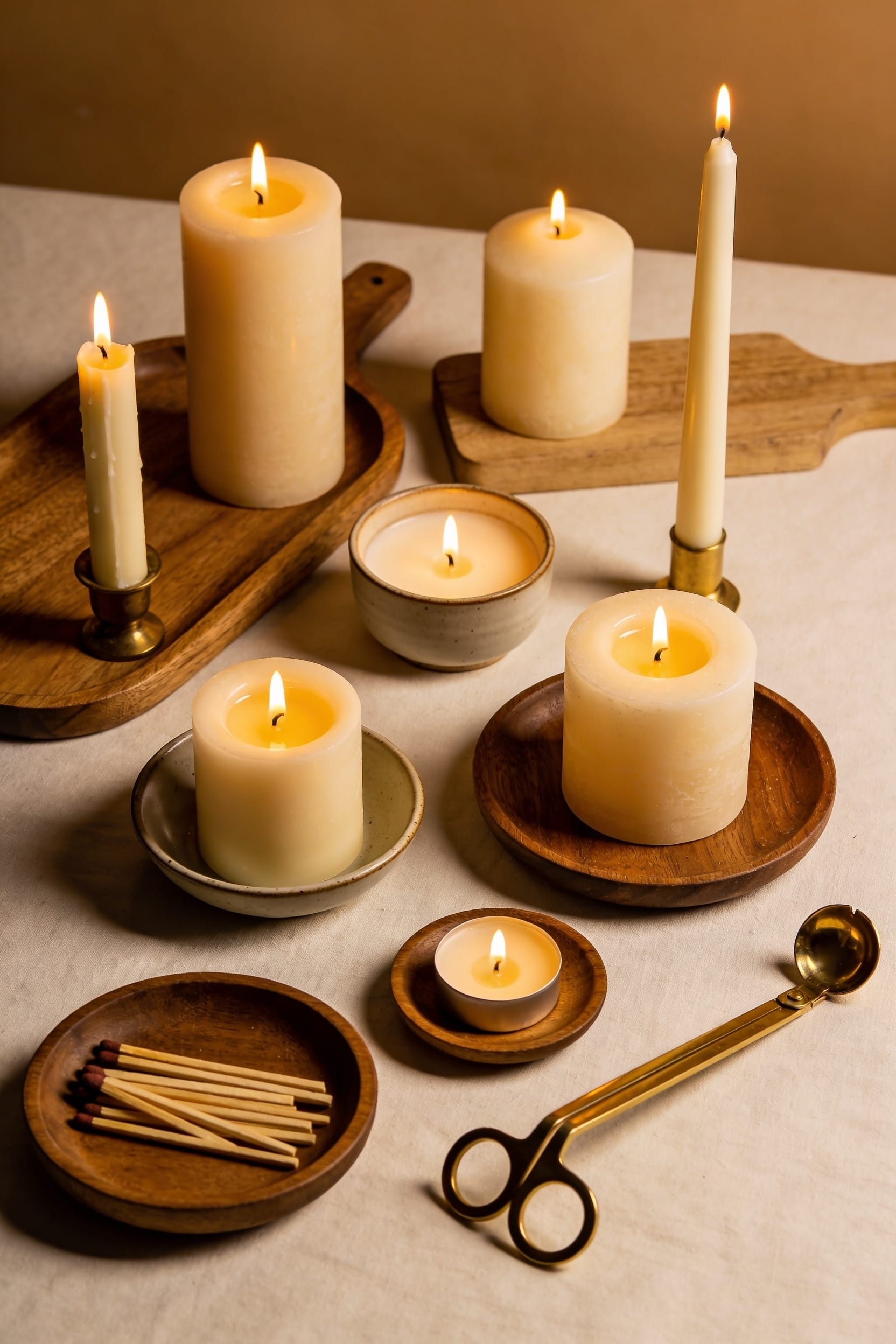
Because every room in your home has its own vibe and purpose, the candles you choose should work with that energy rather than against it. I’ve learned this the hard way—lighting lavender in my kitchen was a mistake I won’t repeat.
Now, scent zoning is your secret weapon. Bedrooms thrive with calming scents like chamomile; bathrooms transform into spas with eucalyptus. Your living room can handle bolder woody notes, while reading nooks pair beautifully with gentle florals. Don’t underestimate seasonal swaps either. Heavy vanilla in winter shifts to fresh citrus come spring.
The trick? Match your candle’s personality to the room’s purpose. You’ll notice the difference immediately—suddenly everything feels intentional, not random.
Use Candles to Build a Bedtime Routine
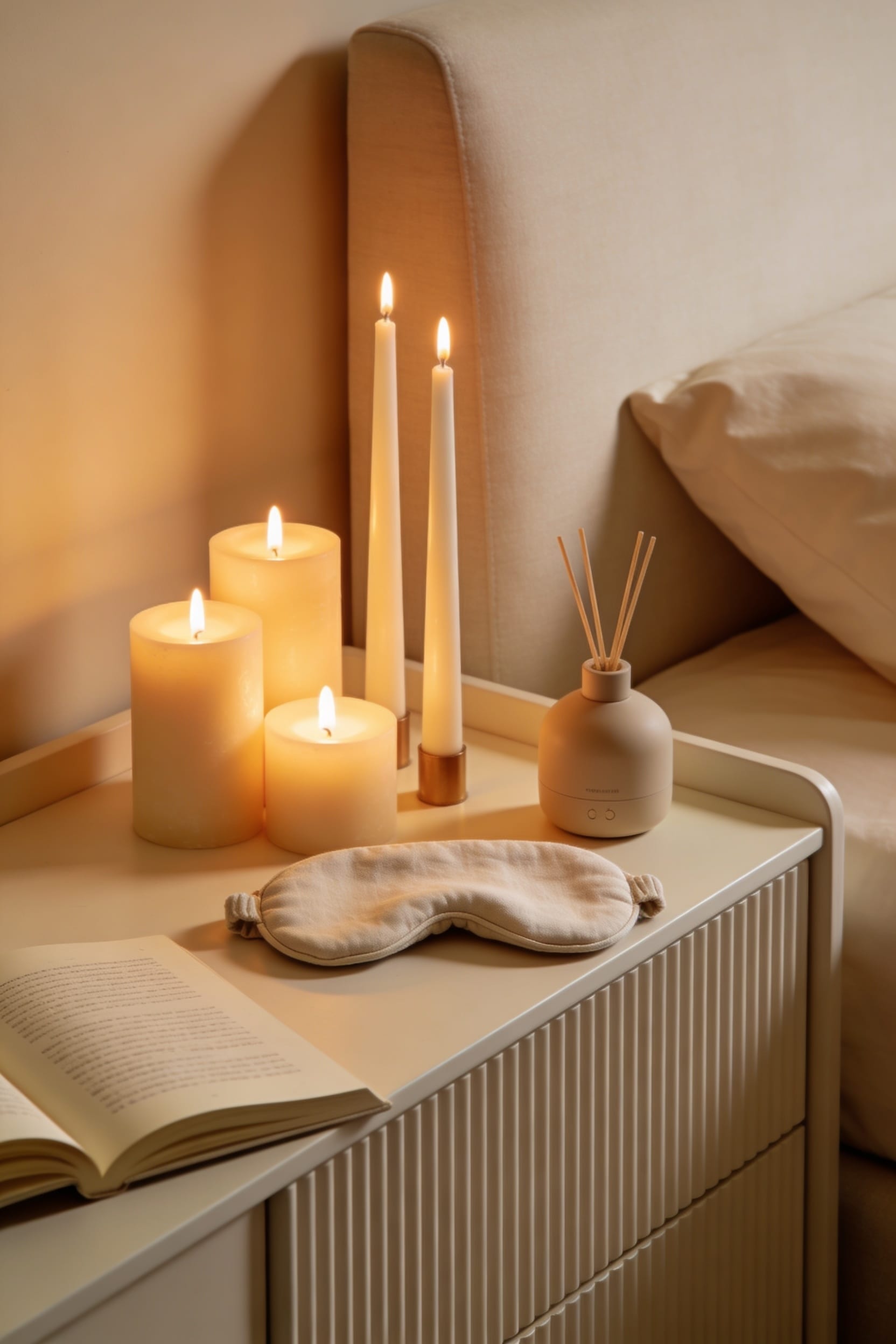
Establishing a bedtime routine with candles isn’t just about lighting something pretty before you crash—it’s about training your brain to recognize a specific cue that signals it’s time to wind down. Here’s the thing: designate one particular candle as your wind-down signal. Light it during evening journaling or pre-sleep stretching, same time each night. Your body starts expecting relaxation the moment you strike that match. I’d suggest something with lavender or chamomile—scents that genuinely ease cortisol levels rather than just smelling nice. Position it at eye level on your nightstand so you’re drawn to its flicker while you’re winding down. Consistency matters more than perfection. After a week or two, that ritual becomes automatic, anchoring your shift into sleep mode.
Candle Safety: What You Actually Need to Know
While candles create that perfect ambiance we’ve been talking about, the safety part is genuinely where your responsibility kicks in. Here’s the thing: proper wick maintenance makes all the difference. Trim your wick to about a quarter inch before each burn—I learned this the hard way after watching soot accumulate on my ceiling. Keep candles away from drafts, curtains, and anything flammable. Draft assessment matters more than you’d think; even gentle air movement can cause uneven burning and dangerous flickering. Never leave a burning candle unattended. Space multiple candles at least twelve inches apart so they don’t overheat each other. I’ve made every mistake here, and these practices genuinely prevent disasters while letting you enjoy that cozy glow responsibly.
Recommended Products
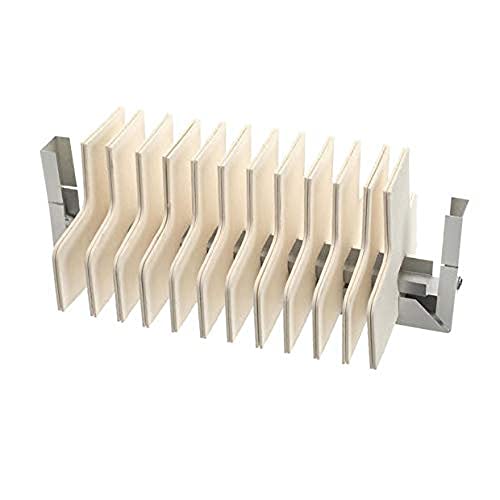
This is a genuine OEM (Original Equipment Manufacturer) part

Pick Your Favorite Finish: No matter your interior design preference, we have a wick trimmer tailored for you. Choose from Black, Gold, Rose Gold, Silver, Brushed Gold, and Brushed Copper to complement your candles, decor, and gifting style

Frequently Asked Questions
How Long Should Candles Burn for Optimal Psychological Benefits Without Diminishing Returns?
I’d recommend burning candles for 30-60 minutes to maximize psychological benefits without diminishing returns. This ideal duration allows attention restoration and stress reduction while your mind fully absorbs the flickering light’s calming effects before sensory adaptation occurs.
Can I Combine Multiple Scent Types Safely, and How Do I Prevent Olfactory Overwhelm?
I’d recommend mixing scented with unscented candles to prevent overwhelm. Choose complementary scent pairings like lavender with vanilla, and use scent shift tips—rotate candles hourly to let your nose reset and avoid fatigue.
What’s the Ideal Number of Candles Needed to Create an Effective Ambient Atmosphere?
Studies show that three to five candles create the ideal soft glow for most rooms. I’d recommend grouping them into a focal cluster on stable surfaces like trays—this amplifies warmth without overwhelming your space.
How Do I Choose Between Different Candle Holder Materials for My Home Décor?
I’d recommend considering metal vs. glass holders based on your décor style—metal reflects light beautifully while glass offers elegance. Ceramic comparison matters too; ceramic suits minimalist spaces, whereas metal provides modern appeal and durability for your home.
Are There Specific Times of Day When Candlelight Provides the Most Therapeutic Benefits?
I’ve found evening’s twilight reflection offers peak therapeutic benefits when you’re winding down. However, morning calm with candles can equally ease your shift from sleep, reducing cortisol and sharpening mental clarity for the day ahead.
Conclusion
I’ve learned that candlelight isn’t just pretty—studies show it can lower your cortisol levels by up to 30% when you’re deliberate about placement and scent. You’re effectively hacking your nervous system with fire and fragrance. So grab that wick trimmer, light your favorite blend, and settle into the room you’ve prepared. You’ve earned this calm.