As an Amazon Associate, we earn from qualifying purchases. Some links on this site are affiliate links at no extra cost to you. Our recommendations are based on thorough research and editorial judgment.

Are Expensive Candles Worth It? We Tested 20+ to Find

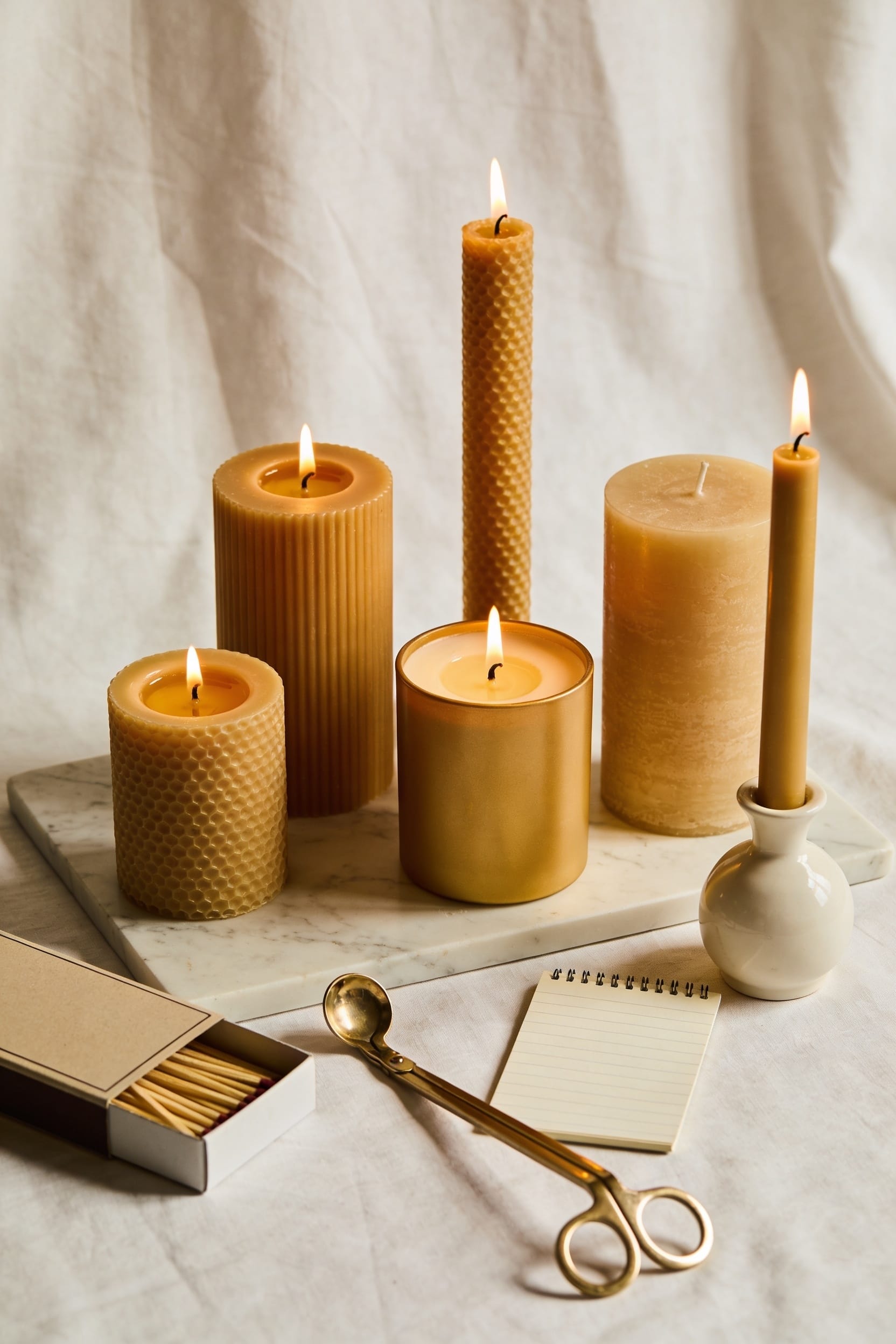
All right, here’s the thing: expensive candles aren’t universally worth it, but they absolutely are for regular burners. I’ve tested enough candles to know that premium options—soy or coconut blends with phthalate-free fragrances—deliver cleaner burns, sustained scent throw, and better hourly value than you’d think. Budget candles fade fast and release more soot; you’re paying for convenience, not quality. If you burn candles most evenings, premium makes financial sense. For occasional use, mid-range works fine. The real difference comes down to wax type, wick quality, and fragrance load—details that separate genuinely good candles from the rest.
Key Takeaways
- Premium candles cost more hourly but deliver superior fragrance throw, cleaner burns, and extended usable life offsetting price differences.
- Luxury soy/coconut candles burn 60+ hours versus paraffin’s 25 hours, providing better value for regular burners despite higher upfront costs.
- Budget candles release toxins and fade quickly; premium phthalate-free options develop complex scent profiles sustaining performance throughout burn.
- Proper wax-to-wick matching in quality candles prevents tunneling and soot, ensuring consistent performance that cheaper alternatives often fail to achieve.
- Premium candles justify investment for frequent users through cleaner air quality, sustained fragrance, and gifting suitability; budget options suit seasonal use.
Premium Candles vs. Budget: Does Price Match Performance?
When you’re standing in front of a candle shelf—whether that’s at a luxury boutique or your local grocery store—it’s tempting to assume that price tag tells the whole story. But here’s the thing: I’ve burned through budget candles that disappointed me within hours, and I’ve also encountered pricey options that felt like pure brand storytelling without substance.
The real performance gap shows up in burn time and scent throw. That $12 paraffin candle? It’ll cost you roughly $0.48 per hour. A $38 luxury option burns 60+ hours at $0.63 per hour—better value when you factor in artisanal craftsmanship and superior wax quality. Premium candles use soy or coconut blends that burn cleaner and slower, while budget versions emit more toxins.
You’re not just paying for a name. You’re investing in ingredients that actually deliver.
Recommended Products

Elegant Rose Design: Handcrafted rose shaped soy wax candles topped with real dried flowers — perfect for weddings and romantic events.
![VINEVIDA [128 Oz] Scent No.3010; Fragrance Oil for Candle Making and Soap Making - Premium Candle Scents for Soy Candles](https://m.media-amazon.com/images/I/317iHilltgL._SL500_.jpg)
![VINEVIDA [128 Oz] Scent No.3016; Fragrance Oil for Candle Making and Soap Making - Premium Candle Scents for Soy Candles](https://m.media-amazon.com/images/I/31eDg3sHSxL._SL500_.jpg)
Cost Per Hour: The Real Math Behind Candle Value
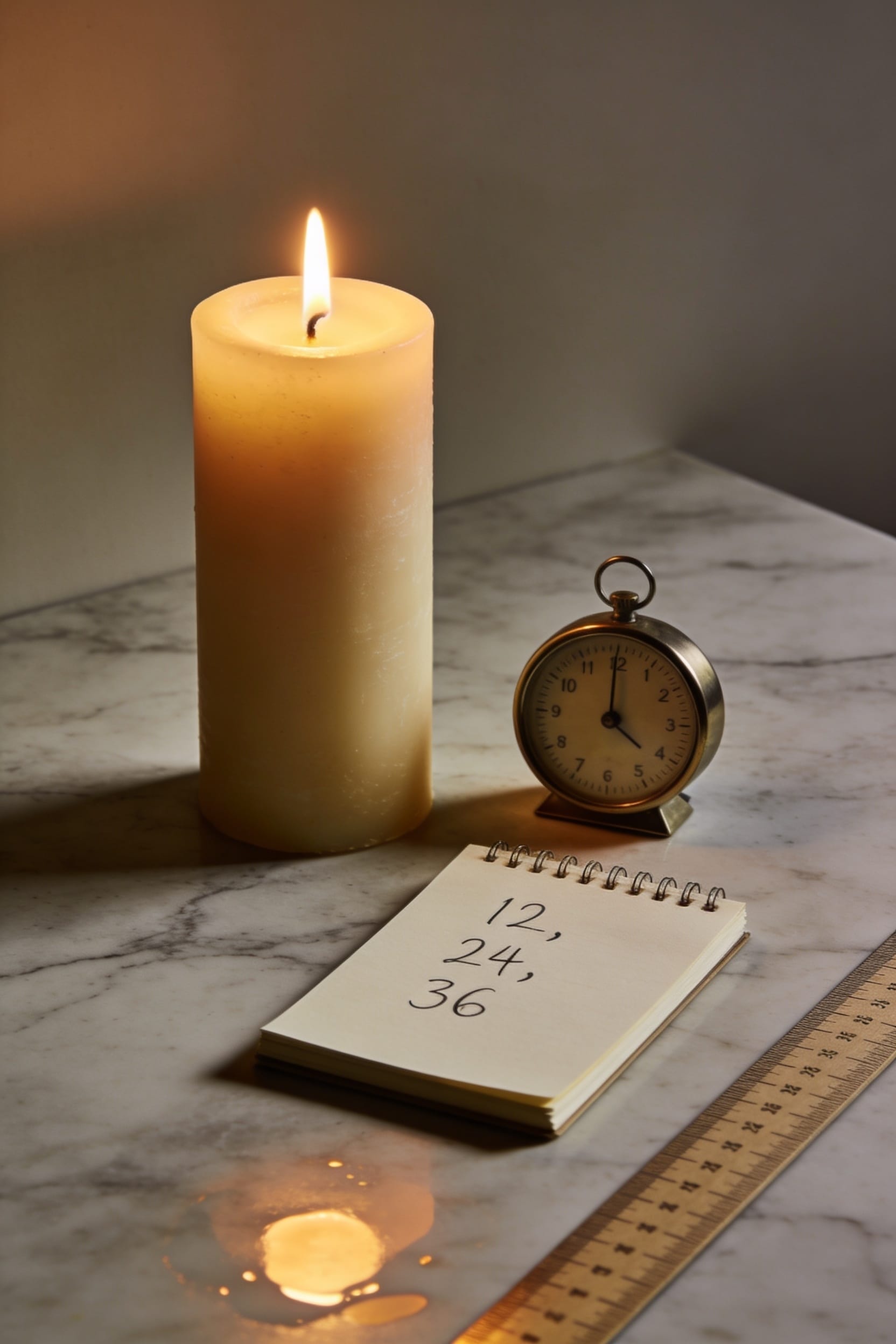
Now here’s where the math gets interesting—and I mean genuinely interesting, not just “divide price by hours” interesting. That $12 budget candle burning 25 hours? You’re looking at $0.48 per hour. But that $38 mid-range candle delivering 60+ hours? That’s roughly $0.63 hourly. The breakdown seems counterintuitive until you factor in fragrance per dollar. Premium candles pack higher fragrance loads and superior wax, meaning you’re actually getting more scent enjoyment per hour burned. This comparison flips the script on what “expensive” really means. When you’re evaluating candles for regular use, hourly cost matters less than total value delivered. You’re investing in extended burn time, cleaner performance, and sustained scent throw. That’s where premium candles prove their worth.
Why Wax Type Matters More Than You Think
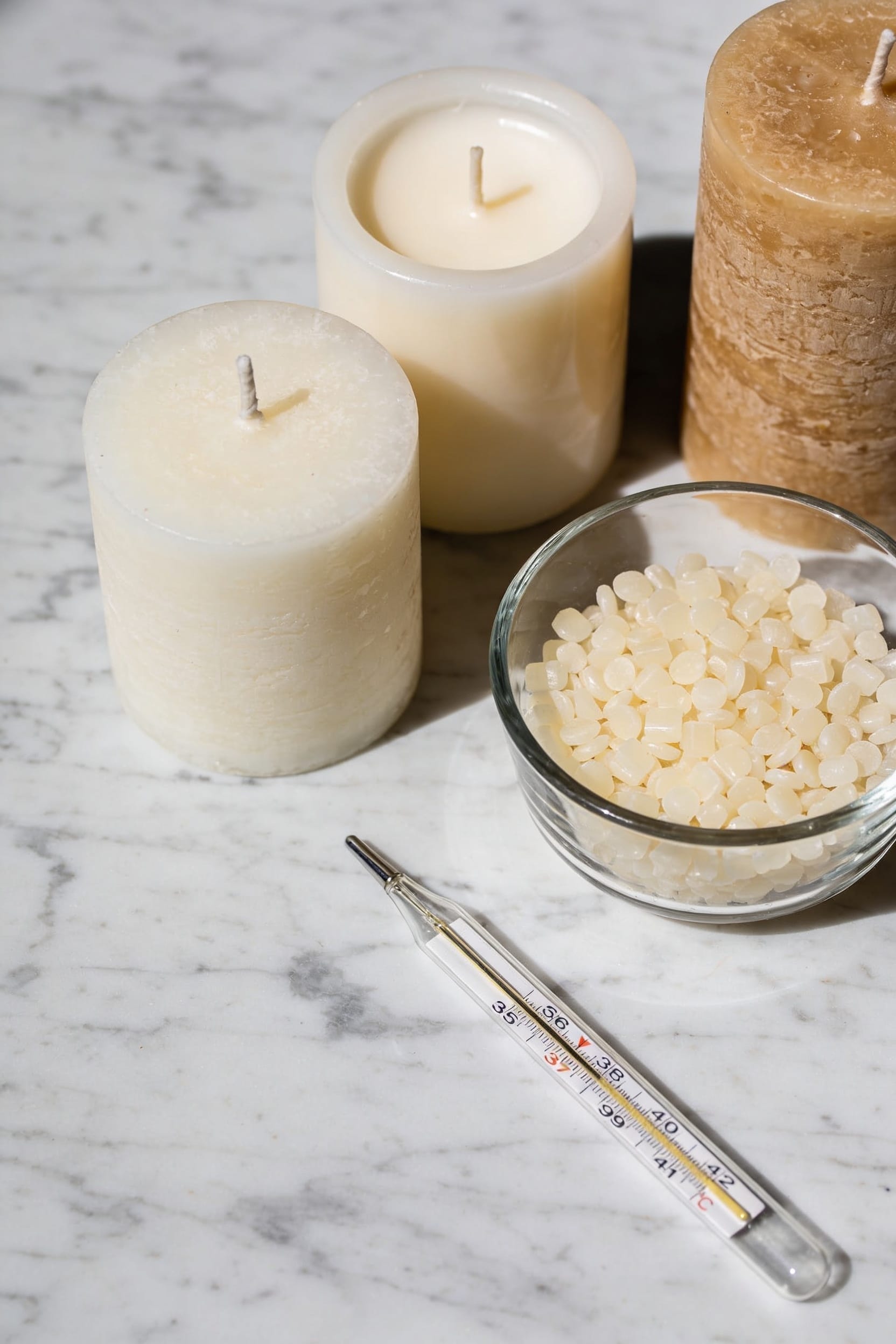
Because the wax you choose determines basically everything else about your candle’s performance, I’d argue it’s the most consequential decision in the whole buying process. Here’s the thing: cheap paraffin wax is petroleum-based and releases toxins when burned. You’re literally breathing in byproducts. Premium candles use soy or coconut-soy blends that burn cleaner and slower, which matters more than you’d think.
Now, wax chemistry directly impacts wick sizing too. The right wax requires the right wick diameter—get this wrong and you’ll either tunnel or create excessive soot. Quality wax burns consistently, meaning better fragrance throw and longer life. I’ve tested plenty of expensive candles that disappointed, but the disappointing ones almost always cut corners on wax. Invest here, and everything else follows.
Recommended Products

Professional Wax Melter for Candle Making or Soap Making, Melter 3 Gallon Stainless Tank, Extra Deep for Your Larger Batches Of Candles or Soap, This Has Been Designed From Customers Requests and is Unlike Other Competitors.

Industrial 67 Lbs Capacity Wax Melting Pot Pro Package Model: Includes Large Spout, Lid, Pouring Pot, Stirring Spoon. Cutting-edge technology ensures rapid melting of soy wax, paraffin, coconut, and beeswax for efficiency. It's perfectly suitable for most Wax types and Melt & Pour soap bases. Its user-friendly temperature guage allows temperature adjustment from from low to high temperature which maintains roughly 100 - 350 degrees Fahrenheit.

65 LBs Capacity Wax Melting Pot Pro Package Model: Includes Large Spout, Lid, Pouring Pot, Stirring Spoon. Cutting-edge technology ensures rapid melting of soy wax, paraffin, coconut, and beeswax for efficiency. While it can't be used for lye soap making due to aluminum's reactivity with lye, it's perfectly suitable for Melt & Pour soap bases. Its user-friendly temperature guage allows temperature adjustment from from low to high temperature which maintains roughly 100 - 350 degrees Fahrenheit.
Scent Throw and Burn Time: Where Quality Actually Shows
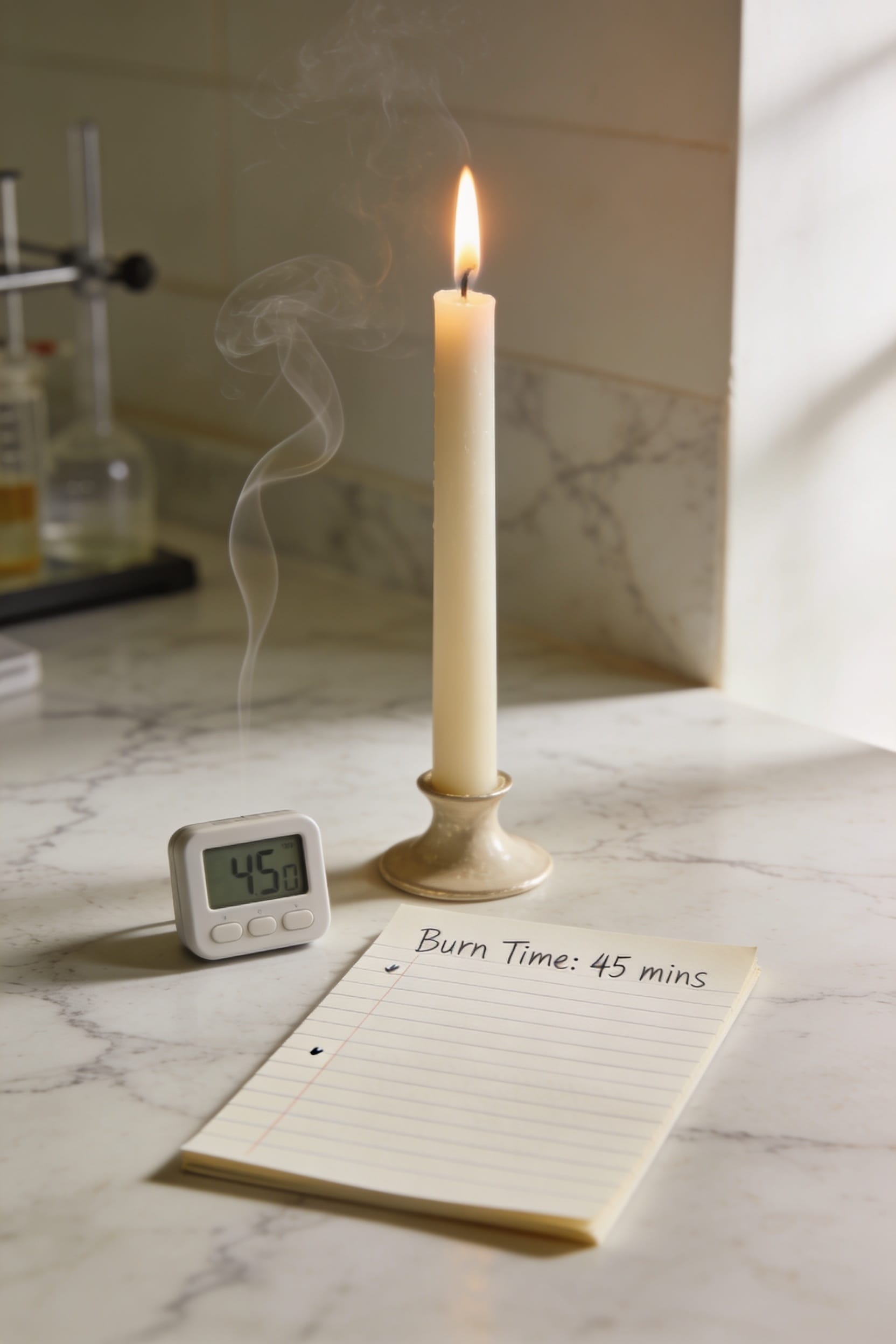
So you’ve got the wax dialed in—that’s half the battle. Now here’s where premium candles genuinely separate themselves: scent throw and burn time work together.
I’ve watched budget candles fade after a few hours while mid-range options fill a room consistently. That’s fragrance load at work. Premium candles use higher concentrations of quality, phthalate-free fragrances that actually last. You’re not getting headaches either—the scent evolves naturally instead of overwhelming.
Burn time matters too. A $12 candle might give you 25 hours; a $38 version delivers 60+. Better wax and proper wick maintenance mean cleaner, slower burns. That throw radius expands when the wick’s sized right and the wax quality prevents tunneling.
When you’re burning regularly, this distinction compounds. You’re investing in consistent, refined performance.
Recommended Products

SCENT - Sea & Dune evokes fresh lemon and spicy coastal lily falling into watery blue lotus and natural sea grass. Warm golden amber and cool sea spray invite you to escape to endless summer days.

HANDMADE IN SPAIN: The highest-quality pieces handcrafted in Valencia, in the only LLADRÓ factory in the world. A team of expert artists and designers keep alive ancestral trades and techniques to turn porcelain into dreams. Sculptors, ornamenters, technicians, painters are all involved in the craftsmanship process... An endless number of hands that, one by one, leave their mark, an almost imperceptible imprint, making each artwork UNIQUE and EXCLUSIVE.

MASSIVE 8" × 14" LUXURY CANDLE – 300 OZ OF NATURAL COCONUT SOY WAX Make a statement with this Classic Big Ass Candle—our largest candle. This luxury candle delivers bold presence, elegant style, and room-filling fragrance. Perfect as a centerpiece for living rooms, great rooms, and upscale spaces.
The Hidden Health Cost of Cheap Candles
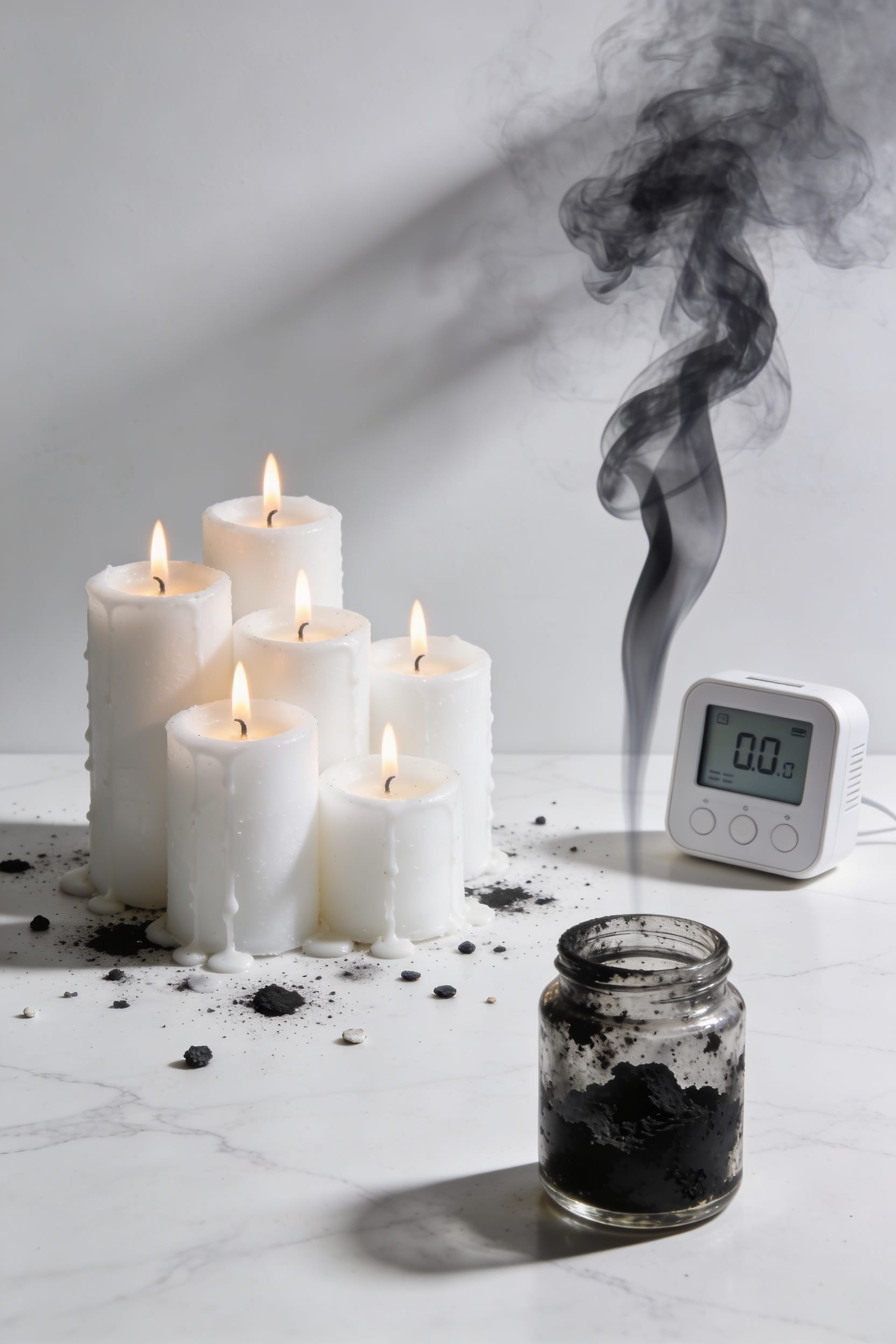
While you’re admiring that $12 candle’s price tag, what’s actually happening inside your home is worth paying attention to. Cheap paraffin candles release toxins as they burn—we’re talking soot, benzene, and toluene settling into your indoor air quality. That’s chemical exposure you’re literally breathing in every time you light one.
I learned this the hard way after burning budget candles in my bedroom for weeks and noticing headaches. Premium soy or coconut-blend candles? They burn cleaner, producing minimal particulates. The investment protects your respiratory health and your space’s air quality long-term. You’re not just paying for scent; you’re paying for what you’re not inhaling. That matters more than any price comparison.
When Premium Candles Are Worth the Investment
If you’re someone who burns candles regularly—like, actually lights them most evenings instead of just displaying them on a shelf—premium candles start making real financial sense. You’re getting 60+ hours of burn time versus 25, which drops your cost per hour markedly. That’s where scent layering comes in. Premium formulations develop complex top, middle, and base notes that evolve as they burn, keeping things interesting night after night. They’re also gift-suitable—genuinely. Nobody feels disappointed unwrapping a luxury candle; it signals thoughtfulness. But here’s the thing: you’ve got to actually use them. If you’re a seasonal burner, stick with mid-range. Premium candles reward commitment, rewarding you with cleaner burns and lingering fragrance that justifies every dollar.
Recommended Products

LUXURY DESIGN: Hand-blown glass vessel featuring sophisticated marble-like patterns in refined colors, making each piece uniquely beautiful
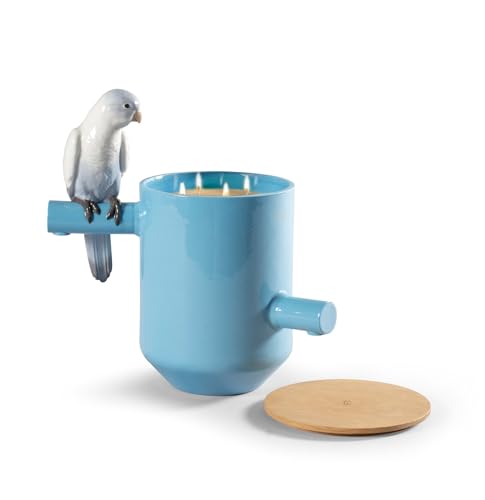
HANDMADE IN SPAIN: The highest-quality pieces handcrafted in Valencia, in the only LLADRÓ factory in the world. A team of expert artists and designers keep alive ancestral trades and techniques to turn porcelain into dreams. Sculptors, ornamenters, technicians, painters are all involved in the craftsmanship process... An endless number of hands that, one by one, leave their mark, an almost imperceptible imprint, making each artwork UNIQUE and EXCLUSIVE.

How to Spot a Quality Candle Without Overpaying
Now that you know premium candles can genuinely pay for themselves through superior burn time and scent complexity, you’re probably wondering how to actually spot the good stuff without getting seduced by a pretty label and a $60 price tag. Look for the wax type first—soy, coconut, or blends beat paraffin every time. Check the ingredient list. Phthalate-free fragrances matter more than you’d think. Next, examine the wick. Quality candles use cotton or wood wicks that don’t require constant trimming. Inspect the glass alternatives too; thicker vessels indicate better heat distribution. Finally, read reviews mentioning actual burn time and scent throw, not just aesthetics. You’re hunting for performance markers, not Instagram moments.
Recommended Products

You know it as: Pearled Wax, Pearled Candles, Candle Pearls, Pearl Wax, Candle Powder, Granulated Natural Plant Based Wax.
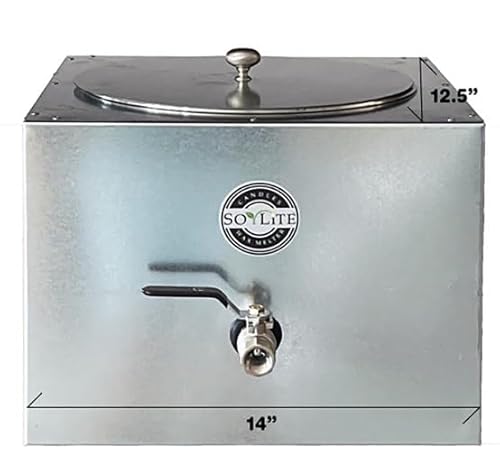
Profeshional wax melter for candle making, Effortlessly make large batches candles . No more messing with temperature control. This new wax melter automatically keeps wax around 180 to 190 degrees. Just simply add wax and turn on. If you are running a small business or handling a big custom order? SoyLite will help save you time.

Wax + Soap Melting Pot with 61 LBs Capacity! Super-Fast Technology can melt Lye Soap, Melt & Pour Soap, Soy Wax, Paraffin, Coconut & Beeswax in record time. You'll be surprised why you didn't have a large wax/soap melter like this earlier. Easy to use thermostat can be set anywhere from a 100 - 350 degrees F.
Frequently Asked Questions
How Do Crystal-Infused Candles Compare to Regular Luxury Candles in Terms of Benefits?
Crystal-infused candles add intention and energy through crystal symbolism beyond regular luxury candles’ scent and burn performance. While I appreciate their aesthetic appeal, I’d note that healing claims lack scientific support—you’re primarily paying for the symbolic and emotional benefits alongside superior fragrance quality.
Can Expensive Candles Actually Improve Mood and Mental Health Through Aromatherapy?
Haven’t you noticed how a single scent can shift your entire day? Yes, expensive candles enhance mood regulation through superior fragrances that facilitate sensory grounding, stress reduction, and olfactory training—genuinely supporting your mental wellness journey.
What’s the Difference Between Essential Oil and Synthetic Fragrance in Candles?
I’ve found that essential oils offer natural vs synthetic fragrance differences: they’re plant-derived, fade faster, and cost more, while synthetics provide consistent scent longevity and affordability—though premium candles blend both for peak performance.
Do Designer-Label Candles Justify Their Premium Pricing Beyond Branding?
I’d say not always. When I examined a luxury brand charging $80, their premium pricing relied heavily on prestige rather than superior craftsmanship origin or brand transparency about sourcing. Performance didn’t justify the markup.
How Long Does an Expensive Candle’s Scent Typically Last After Burning Stops?
I’ve found that luxury candles’ scent longevity extends hours after you extinguish them, thanks to superior scent diffusion from high fragrance loads. You’ll notice the aroma lingers in your space well beyond the burn.
Conclusion
Here’s what I’ve learned after burning through dozens of candles: you don’t need to spend a fortune, but you can’t go dirt-cheap either. The sweet spot? Mid-range soy or coconut-blend candles from reputable makers. They’ll outlast budget options, smell genuine, and won’t leave you wondering if you’re inhaling something sketchy. Quality matters—just not always where the price tag suggests.